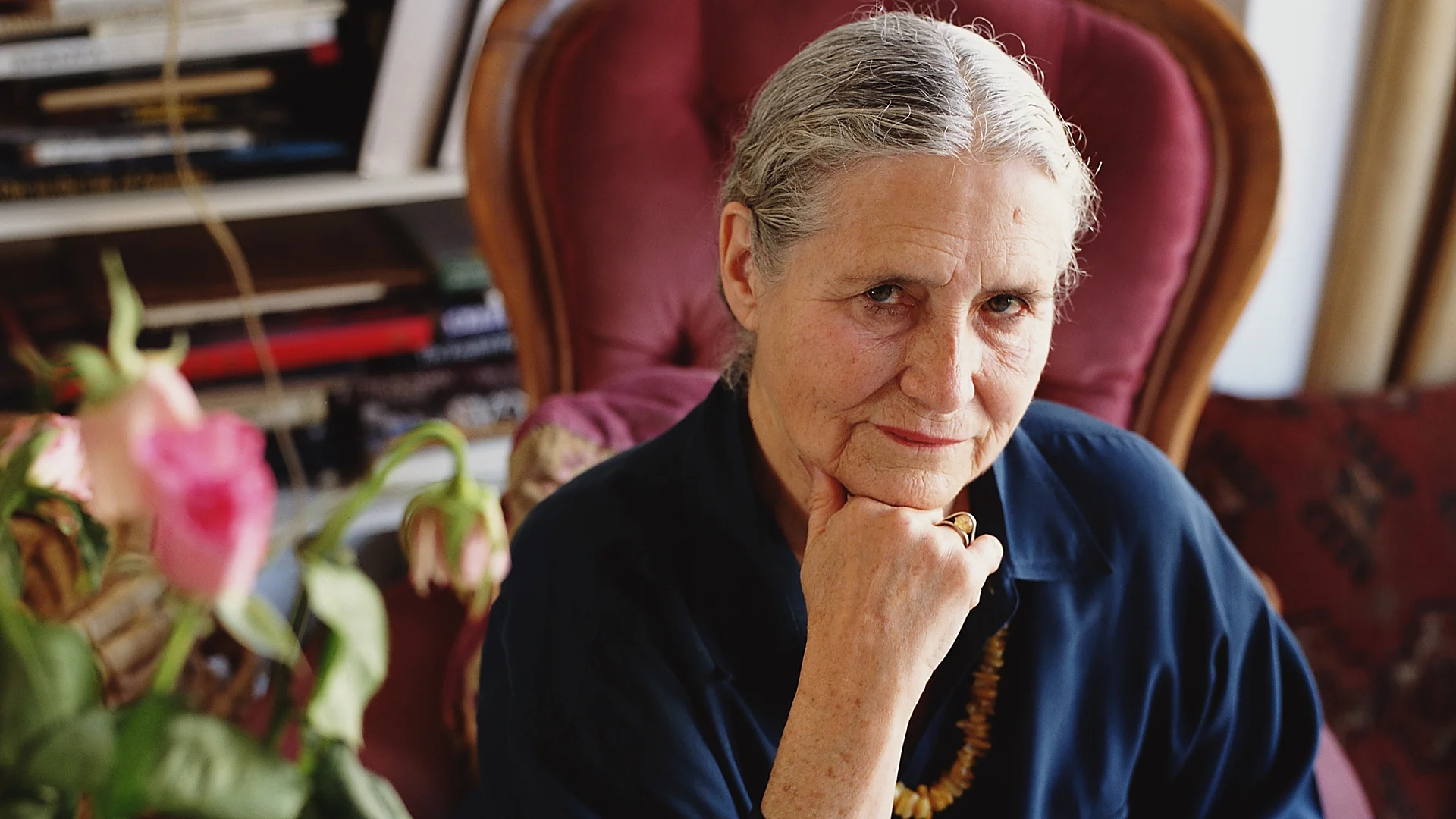
Every October 19th is celebrated as the Día de las Escritoras, an initiative promoted by the National Library of Spain, FEDEPE and the association Clásicas y Modernas to reclaim the literary legacy of women and give visibility to authors who for centuries were relegated to the background. The date is chosen each year around October 15, the feast of Saint Teresa of Jesús, one of the great figures of Spanish literature.
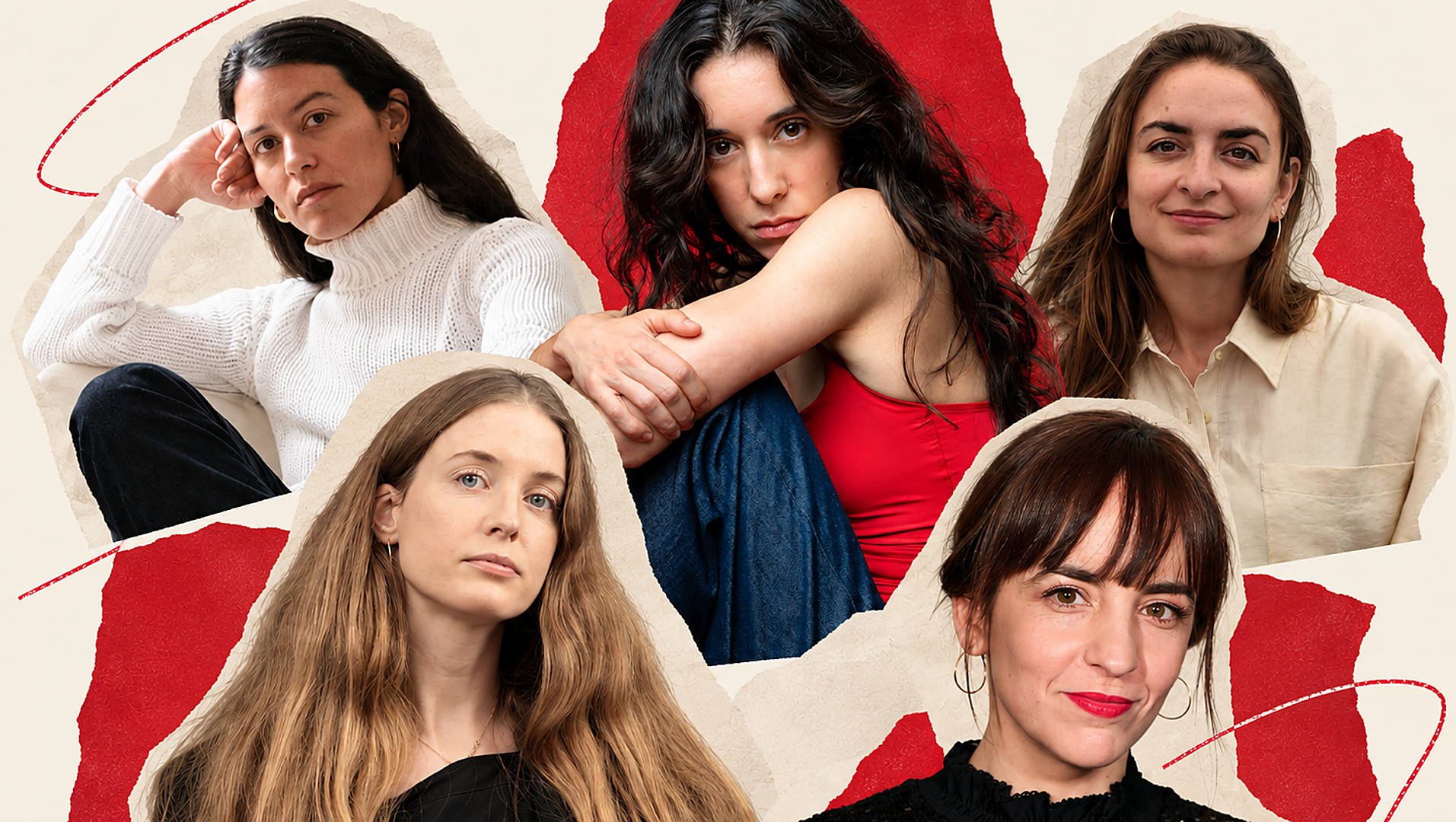
This day is also an opportunity to highlight the writers who are renewing contemporary literature. From poetry to experimental narrative, through stories about love, identity, desire or family, these eight Spanish authors have developed their own voices and offer different ways of approaching books. If you still don’t know them, here are who they are and why you should start reading their work.
The 8 Spanish women writers you need to know
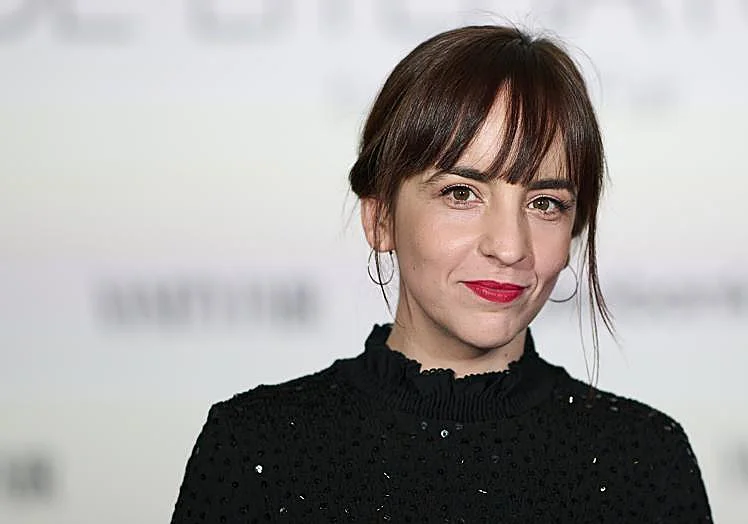
Marta Jiménez Serrano
Marta Jiménez Serrano (Madrid, 1990) is one of the voices of contemporary Spanish fiction that has best managed to portray the contradictions of affective relationships. In her stories appear love, friendship, romantic expectations and the difficulties of building bonds in an era when it seems that everything, even feelings, is subject to revision.
The book to start with: Los nombres propios (2021). Her debut novel follows Marta from childhood to the early years of adulthood, accompanied by Belaundia Fu, an invisible friend who acts as confidant and narrator of her story. A coming-of-age novel about growing up, making decisions and learning to recognize oneself in the person one becomes.
The 8 Spanish women writers you need to know
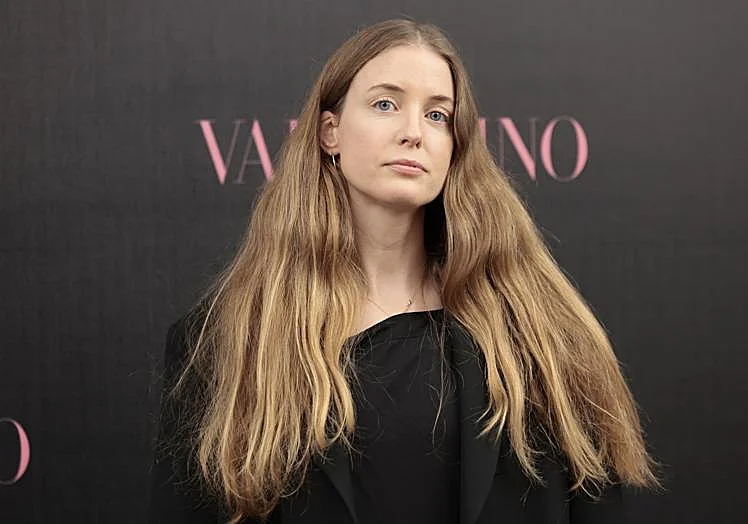
Leticia Sala
Born in Barcelona in 1989, Leticia Sala turned to literature after studying Law and working as a lawyer. She began publishing texts on the internet and made the leap to the book with Scrolling after Sex (2018), a collection of poems, short stories and other formats that reflects the influence of digital culture on her writing. Since then, her work has explored affectionate relationships, desire and the contradictions of contemporary life, combining poetry and narrative with a view very tied to her time.
The book to start with: Dame veneno que quiero vivir (2026). In this essay, Sala reflects on the contemporary obsession with skincare, Botox and the fear of aging. Drawing on personal experience, she analyses how beauty ideals condition our relationship with the body and to what extent grooming routines can become another form of pressure for women. A particularly timely title to think about aesthetic pressure in the age of social media.
The 8 Spanish women writers you need to know
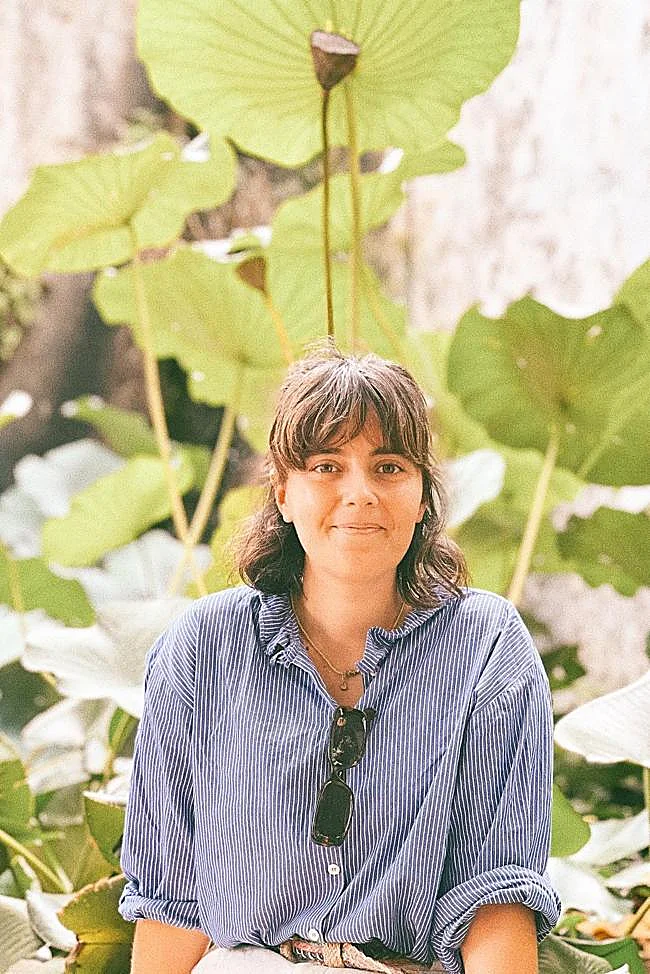
Lana Corujo
Lana Corujo (Lanzarote, 1995) is a writer and illustrator. Before debuting in fiction, she published the poetry books Ropavieja (2021) and Nueve dos ocho (2022), and co-founded La Carmensita Editorial, a project dedicated to giving visibility to new literary voices written by women. Her writing stands out for a visual language and a particular ability to combine the every-day with the unsettling. In her stories, childhood can also be a territory crossed by fear, guilt and family secrets, while the landscape of Lanzarote occupies a fundamental place in her literary imagination.
The book to start with: Han cantado bingo (2025). Her first novel follows two sisters and explores childhood, grief and family secrets through a fragmented narration set in Lanzarote. With a voice that blends sensitivity and strangeness, Corujo builds a story about the bonds that shape us and the memories we carry as we grow.
The 8 Spanish women writers you need to know
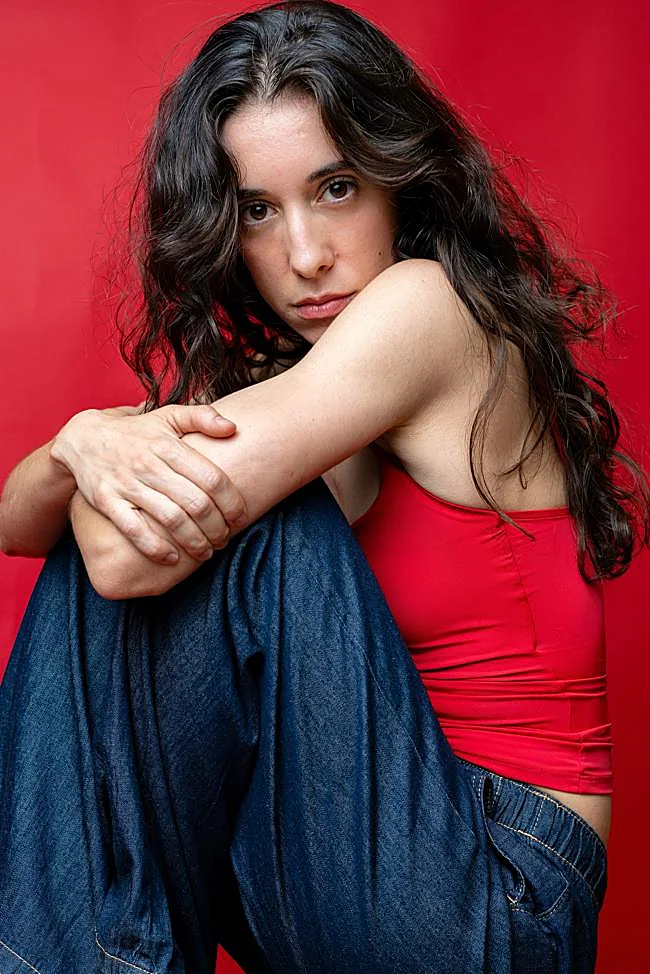
Alejandra Martínez de Miguel
Alejandra Martínez de Miguel (Madrid, 1994) is a poet, an actress and a psychologist. Her career is linked to performance poetry, a form of expression in which interpretation and orality carry as much weight as the written word. She was the champion of Poetry Slam Madrid in 2017, national runner-up in 2018 and a finalist of the World Cup Slam in 2019. Her writing combines direct language with poetic images and addresses issues such as love, the body or desire.
The book to start with: Al cuerpo de una mujer (2023). In this poetry collection, Alejandra Martínez de Miguel explores the female body, desire and intimacy from a direct writing that blends vulnerability and strength. Her verses reflect on the relationship with the body itself and the emotions that traverse it, without renouncing a contemporary view on the experience of being a woman. A good entry point to an author who understands poetry as a way to explore and reclaim the body.
The 8 Spanish women writers you need to know
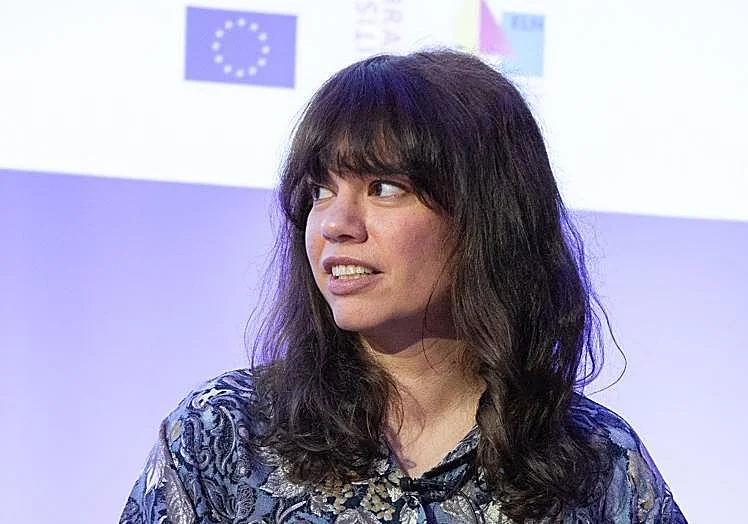
Elisa Victoria
Elisa Victoria (Seville, 1985) studied Philosophy and Elementary Education before establishing herself as one of the most distinctive voices of contemporary Spanish fiction. Her writing blends humor, bluntness and a not-so-complacent gaze on daily life, with particular attention to characters who do not quite fit into their environment. She is interested in exploring the contradictions of childhood and adolescence, class differences, and the small miseries of the adult world without falling into nostalgia or idealizing the past.
The book to start with: Vozdevieja (2019). Her first novel follows Marina, a nine-year-old girl spending the summer of 1993 in Seville between a sick mother, an absent father and a grandmother who is also her best friend. With a narrative voice as witty as it is uncomfortable, Victoria portrays the awakening to a world the protagonist does not yet fully understand, but already senses is full of contradictions. A novel that moves away from an idealized vision of childhood to show it as a complex stage, full of fears, desires and discoveries.
The 8 Spanish women writers you need to know
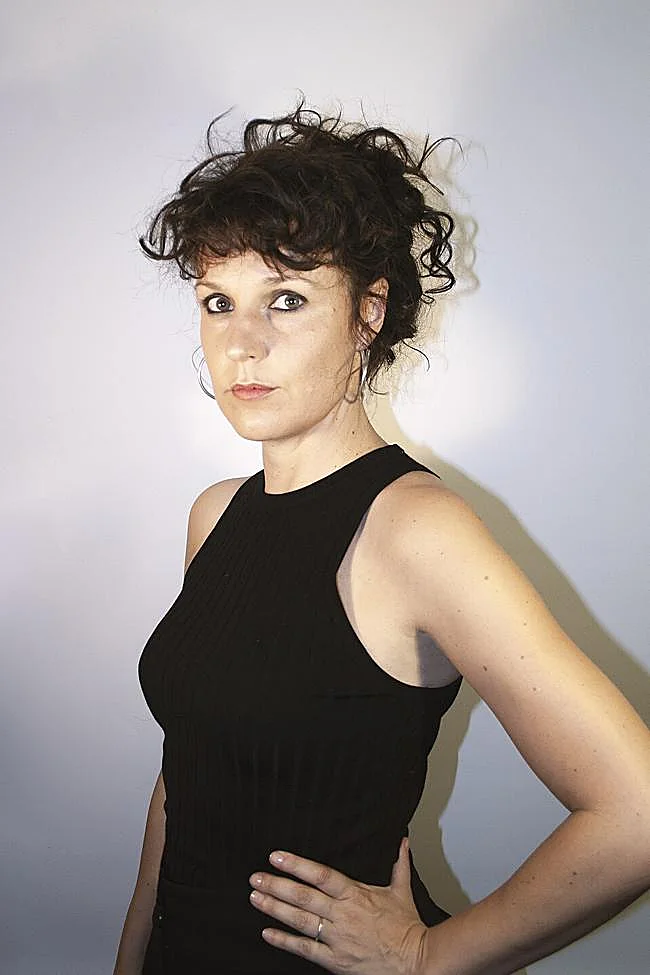
Sabina Urraca
Sabina Urraca (San Sebastián, 1984) is a writer, journalist and editor. Her style blends fiction with autobiographical elements and a tone that combines black humor, strangeness, and an unconventional take on human relationships. In her books she addresses topics such as wish, loneliness, violence and the stories we tell ourselves to understand our own life. She has also developed an important role as an editor: she oversaw the writing process of Panza de burro, by Andrea Abreu, one of the most notable novels of recent Spanish fiction.
The book to start with: El celo (2024). A woman trying to recover from a traumatic relationship adopts a stray dog and forms a bond with it that leads her to question her own fears, desires and instincts. From this relationship, Urraca builds an uncomfortable and hard-to-classify novel in which humor, violence, and a reflection on how we learn to behave and relate coexist. A story that goes beyond abusive relationships to explore the boundary between the human and the animal.
The 8 Spanish women writers you need to know
Irene Solà
Irene Solà (Malla, Barcelona, 1990) is a writer and poet, and one of the most recognized voices of contemporary Catalan fiction. Her work blends oral tradition, folklore and collective memory with writing that breaks conventional narrative structures. In her stories, the landscape is not just a backdrop: nature, animals and fantastic creatures can become narrators and share protagonism with humans. A way of writing that connects the mythical and the everyday to explore the relationship between people and the territory they inhabit.
The book to start with: Canto yo y la montaña baila (2019). Set in the Pyrenees, this polyphonic novel reconstructs the stories of those who live on the mountain through very different voices: peasants, women accused of witchcraft, animals, clouds and even mushrooms. With a fragmentary structure reminiscent of oral tradition, Solà intertwines legends, family tragedies and episodes from the region’s history to reflect on memory, death and the relationship with nature. The novel won the European Union Prize for Literature in 2020 and became her most internationally known work.
The 8 Spanish women writers you need to know
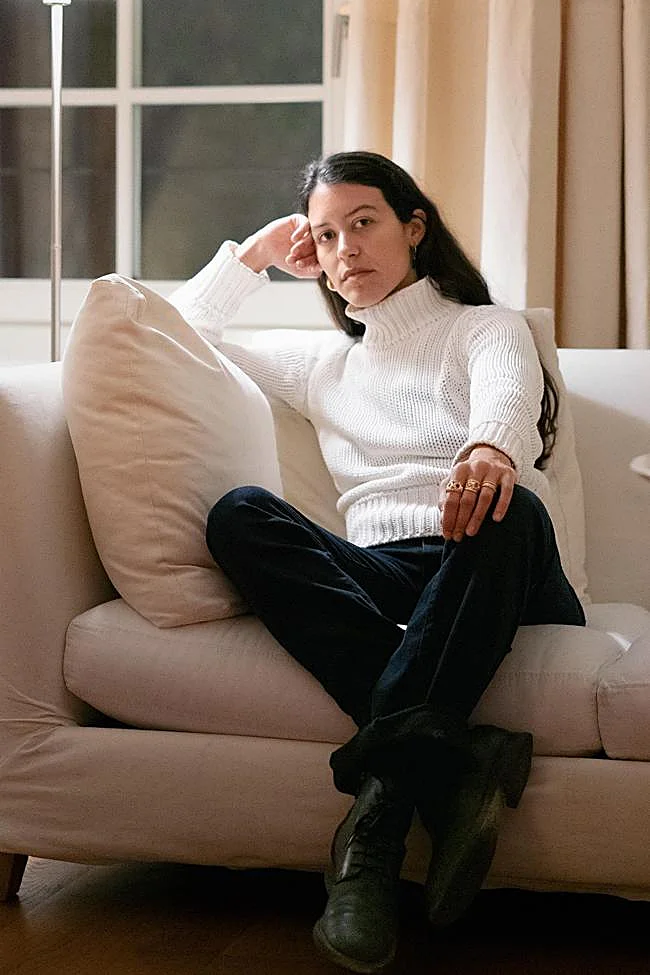
Sara Torres
Sara Torres (Gijón, 1991) is a writer, poet and researcher, and one of the voices renewing contemporary literature from a feminist and queer perspective. A PhD from Queen Mary University of London, her work explores desire, the body and the ways we learn to relate to one another, both in literature and in thought. In her books she blends prose with a strong poetic charge with questions about love, identity and traditional models of coupledom, placing center stage experiences that for a long time have occupied a secondary place in literature.
The book to start with: Lo que hay (2022). Her debut narrative interweaves two losses: the death of the protagonist’s mother, who was sick with cancer, and the disappearance of a lover with whom she had an intense relationship. From that experience, Torres builds an intimate narrative about grief, desire and the bonds between mothers and daughters, in which the body and memory carry as much weight as words. The novel received the Javier Morote Award for the best debut author and is a good entry point to a writer who turns personal experiences into questions about how we love and how we relate to others.