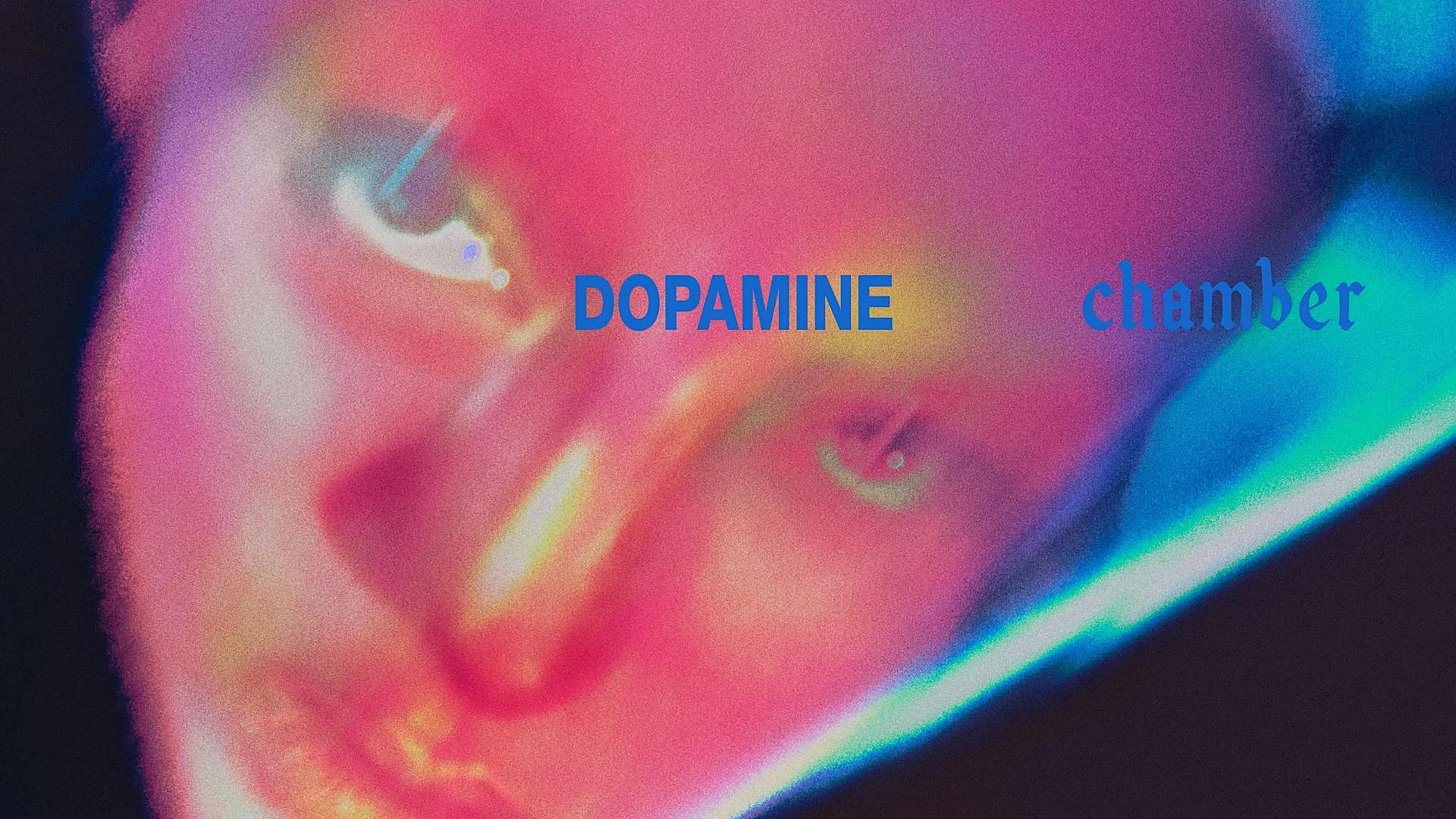
There are bands that, once they reach success, find a formula that works and decide to exploit it. Fontaines D.C. seem to fear staying stuck more than losing part of their audience along the way. In Dopamine Chamber, their fifth studio album, the Irish group continues the sonic turn that began with Romance (2024) and moves even further away from the raw post-punk of their early works. The result is a more atmospheric and expansive record, in which experimenting with new sounds is no longer a one-off thing, but a fundamental part of their music.
Produced again by James Ford, who was also behind Romance, the album confirms that Grian Chatten, Carlos O’Connell, Conor Curley, Conor Deegan and Tom Coll are comfortable exploring other territories. Fontaines D.C. have already shown they know how to write good guitar-led songs, so now they seek to try new things with their music, from melodies to the way Grian Chatten sings. Not all experiments work equally well, but it is clear the band does not want to repeat the formula of previous albums such as Dogrel or Skinty Fia. They prefer to explore other sounds and see how far they can go without losing their own identity.
A production increasingly cinematic
From Six Shot Morning, the track that opens the album, it is clear that guitars are no longer the band’s centerpiece. An ARP 2600 synthesizer and a rhythm base with a mechanical character build an unsettling atmosphere that recalls the dark synth-pop of the eighties. The influence of groups such as Depeche Mode or New Order appears at different moments, though Fontaines D.C. do not limit themselves to reproducing that sound. They use it to craft an album that alternates electronic passages, distorted guitars and orchestral arrangements.
Marianne, one of their standout tracks, takes that ambition into ballad territory. The strings unfold progressively over an enveloping base while Chatten sings in a deep, restrained and almost hypnotic register. Something similar happens in One Man, where the music grows stronger little by little until reaching its peak with the string arrangements that accompany a more intense vocal performance. In both songs, James Ford’s production makes songs with fairly classical structures sound more ambitious and enveloping.
The album also offers very different sounds from one track to another. In Demolition the distorted guitars return and a more aggressive sound, while ‘Tongue’ leans toward a darker electronic base. In Mimesis, the bass takes on a leading role and creates a stranger atmosphere. This variety makes Dopamine Chamber require more listens than other band records, but also shows that Fontaines D.C. do not want to limit themselves to repeating what they already know how to do.
Grian Chatten’s Lyrics
The album title already hints at its premise. Dopamine is the neurotransmitter related, among other functions, to motivation and reward; here, the idea serves to talk about the constant need for stimuli and a society that seems to have lost the ability to stop. Chatten has explained that he wanted to address the confusion between real life and the identity we build in the digital environment, as well as that progressive loss of humanity that hides behind the pursuit of approval. Without turning the album into a collection of songs explicitly technological, Fontaines D.C. translate that restlessness to personal relationships, the need to be liked and the desire to escape from oneself.
In the lyrics coexist attraction and distrust. Chatten writes about the need to be desired, relationships that wear down and the possibility of disappearing when reality becomes too hard to bear. There is an interesting contradiction between what the songs tell and how they sound. The music invites you to go with the flow, but the lyrics distrust that very need for escapism.
Rosalía collaboration: the album’s surprise
Rosalía’s presence in Where Is Gone? is one of the album’s big attractions and also one of its most interesting musical decisions. The Catalan artist is the sole guest on the record and does so on a track that moves away from what one might expect from a collaboration between a pop star and a rock band. Instead of opting for a catchy chorus, Fontaines D.C. construct a ballad of over five minutes in which the acoustic guitar, the strings and a swelling musical build stand out.
The song speaks of a relationship that is ending and the difficulty of understanding at what moment things have changed. Chatten’s and Rosalía’s voices alternate throughout the track: he sings in his deep, raspy tone, while she offers a softer voice. The combination works and shows that both artists can fit together without either giving up their own style.