The Restless Legs Syndrome is a neurological disorder, not a circulatory problem, even though it is often confused with the latter. Pati Peguero, a yoga teacher and trainer at Clubs DiR, clarifies that idea from the start, because it conditions the entire approach to practice: the benefits of yoga do not come from improving circulation, but from the work of mobility, muscle activation and stretching it provides.
From a preventive perspective, the key is to alternate contraction and elongation. «To prevent the symptoms it is important to both activate the legs and stretch and to alternate between contraction and elongation. The work of the muscles through standing postures, combined with mobility and stretches, can be very beneficial», explains Peguero.
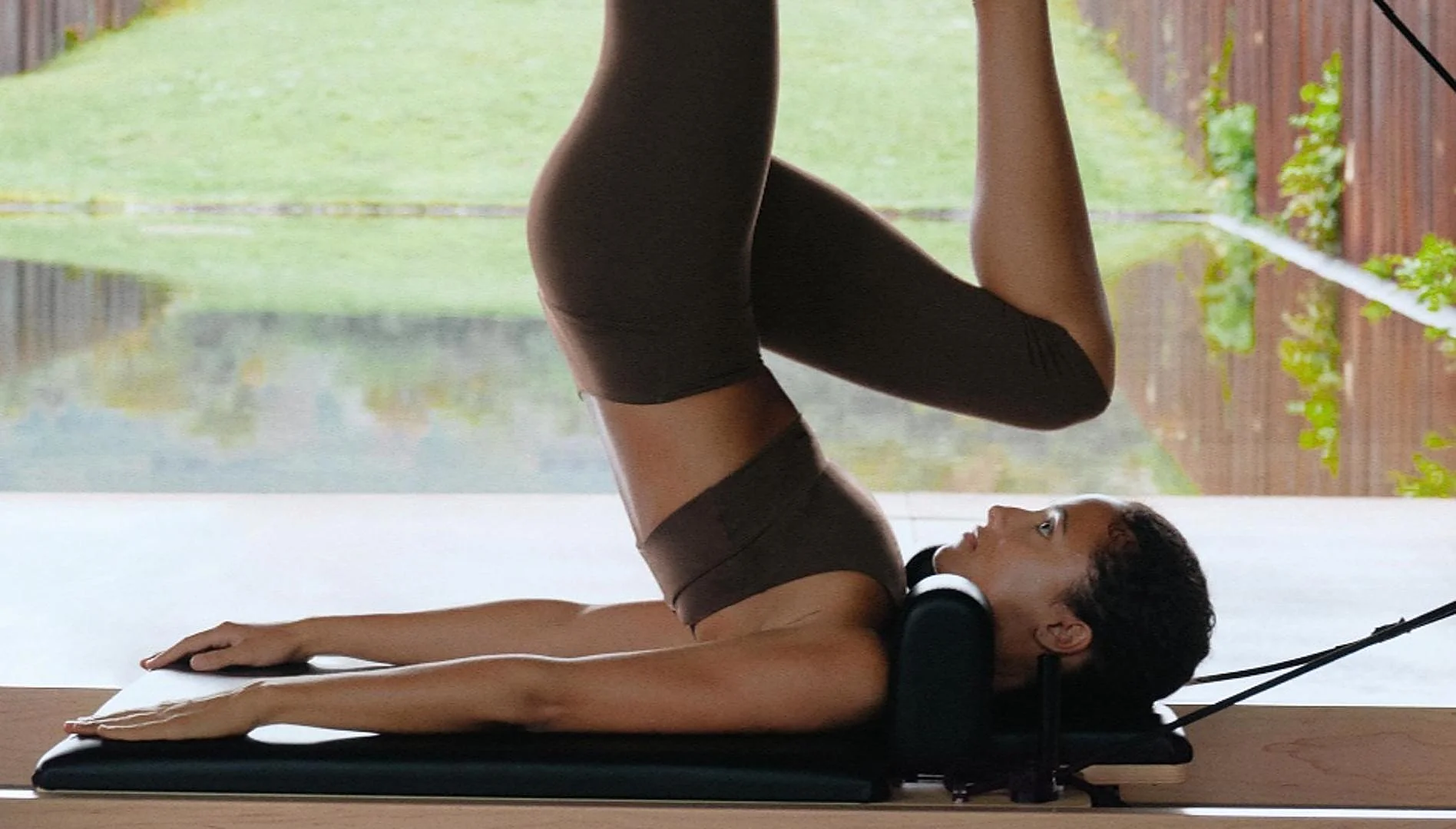
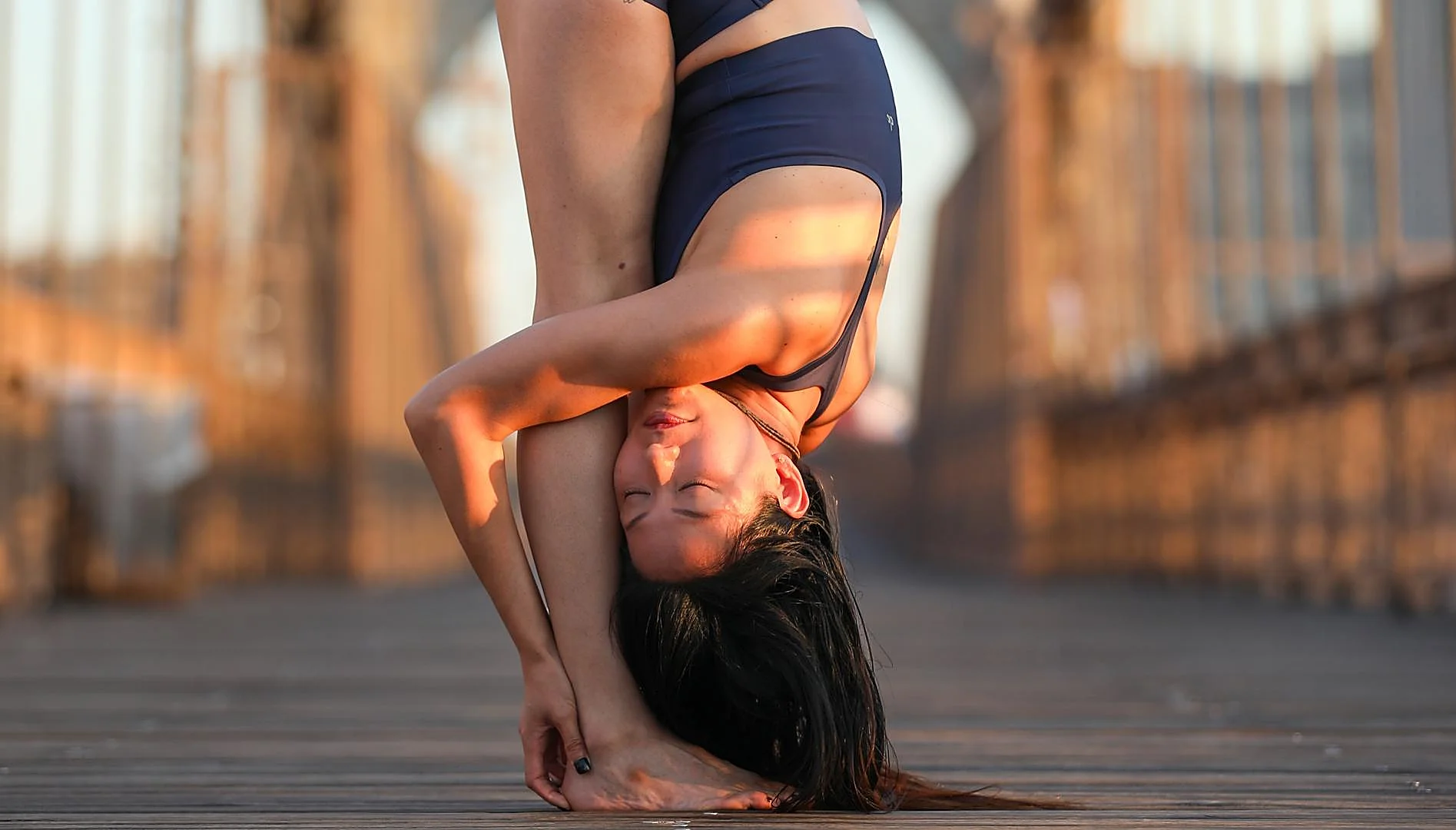
Among the standing postures, Warrior poses, Utkatasana or Trikonasana, stand out, as they activate the leg musculature. For stretching the posterior chain she recommends Prasarita Padottanasana, Uttanasana, Ardha Uttanasana and Supta Padangusthasana. They are poses designed to be practiced regularly, not at the exact moment an episode appears.
When the flare-up is already present, the recommendation changes completely. «When a flare-up occurs, what the body naturally tends to ask for is to move. At that moment I would prioritize movement over holding a static pose», says Peguero. Dorsiflexions and plantar flexions of the ankles, moving from Uttanasana to a squatting position, or linking Utkatasana, Tadasana and Uttanasana in a dynamic sequence then replace held poses.
Why the time of day matters so much
Symptoms tend to intensify in the late afternoon and at night, precisely when the body is at rest. «I would establish two distinct moments: on one hand, a regular yoga practice that includes standing poses, dynamic movement and joint mobilization; and on the other, if symptoms appear at night, a few minutes of movement before rest», explains Peguero. That timing is not casual: when going to bed the day’s accumulated fatigue and the need to stay still converge, two factors that make the discomfort more perceptible.
A twelve-week study with 30 participants observed a meaningful reduction of symptoms in 77% of the group that practiced yoga, versus 24% of the control group. The sample is small, so the results are promising but not conclusive as solid scientific evidence. Still, the difference between the two groups is large enough for yoga to be considered a worthy complementary tool to take into account.
Yoga can contribute significantly to reducing symptoms, but it never substitutes medical follow-up, especially when the syndrome is moderate or severe or affects sleep and quality of life. Peguero adds a benefit that goes beyond the direct symptomatology: «Yoga not only can help reduce the symptoms. Regular practice also helps you know your body better, identify when the symptoms begin and know which movements are the ones that give you relief».
That body awareness, she explains, is built through consistency, not from one day to the next. Recognizing the early signals of an episode before it intensifies is, in part, what allows timely action with the right movement, rather than waiting for the discomfort to prevent sleep. With repeated practice, each person learns to distinguish which poses or movements work best for them, something that varies from one body to another.
The regular practice of yoga combines movement, activation, stretching, and body awareness in a single tool. And when a flare-up appears, listening to the body and regaining movement, rather than forcing stillness, can be one of the simplest strategies to seek relief. It does not substitute diagnosis or medical treatment, but it can become a daily resource to turn to when seasonal changes start to disturb sleep.