If you walk daily and think that doesn’t count as exercise, José Ruiz has something to tell you. “The first thing I would say is that walking counts, and a lot,” says this personal trainer, founder of Malagaentrena. According to him, one of the most common mistakes after 45 is thinking that you only exercise when you sweat, you run, you lift weights, or you end up exhausted. Walking is physical activity and, with some intensity, also a good cardiovascular workout.
He gives a very clear example. A 48-year-old woman who works eight hours seated, goes everywhere by car, and barely walks 2,000 steps a day. If she reaches 7,000 or 8,000, Ruiz explains, she increases her daily activity a lot without stepping foot in a gym. Walking is part of what is known as NEAT, the energy we spend with everyday movements, like climbing stairs or doing household chores. “Walking is not doing little,” he insists.
In metabolism, the change is noticeable. Walking increases the day’s energy expenditure and helps the muscles use glucose more efficiently, something especially useful when, with perimenopause, fat tends to accumulate in the abdomen. Ruiz has a simple trick for daily life. Going out for a 10 or 15-minute walk after eating, he explains, can help moderate the glucose rises that come after meals.
The heart also appreciates it, because walking regularly improves aerobic capacity and circulation. But Ruiz highlights another benefit: the emotional one. Many women reach this age with stress, work, family, and little time for themselves, and going out for a walk can be their time to disconnect. Mood, he says, can improve from the first walks. More stable changes, however, require weeks and months of consistency, and walking alone does not make abdominal fat disappear.
How to get more out of it
The first thing is to drop the obsession with the number. “8,000 steps are not a magical figure,” Ruiz warns, because the benefits also appear with fewer, especially if starting from a sedentary baseline. Someone who walks 2,000 steps today can start at 3,500 or 4,000 and gradually increase. When 8,000 become comfortable, it’s time to play with the pace: five minutes easy, three faster, and two to recover, and start again.
Hills are another good ally. Walking uphill demands more from the heart and makes the glutes, quadriceps, and calves work harder. Ruiz, in fact, loves mountain hiking, always adapting the terrain to each person’s level. He also advises spreading the steps throughout the day, for example ten minutes after breakfast, fifteen after lunch, and a longer walk in the afternoon. That breaks up hours spent without moving.
José Ruiz practicing hiking.
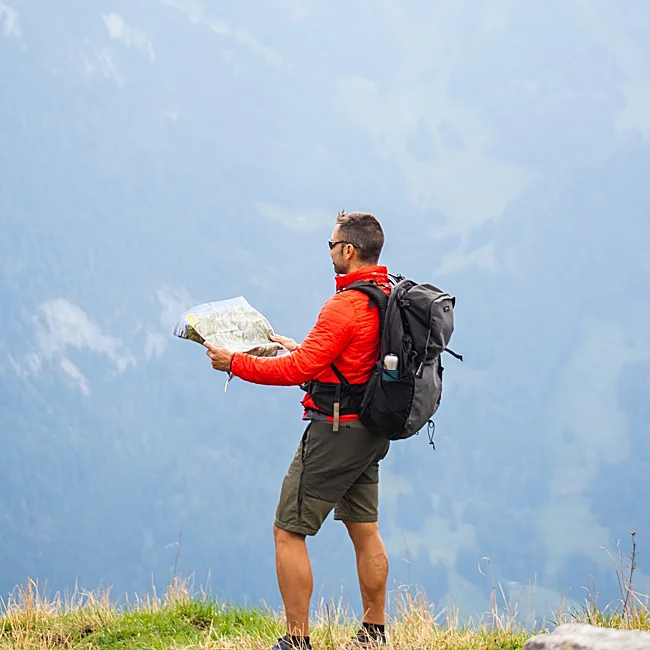
And walking with a backpack loaded with weight? Ruiz urges caution. It can increase effort, but it isn’t necessary in most cases and it isn’t advisable if there are back, knee, or balance issues. Before that, he prefers to raise the pace a little or add some incline. And remember that not all walks have to be training. A portion of the steps simply serves to stay active.
Walking does not replace strength
That said, there is a limit to walking. “Walking is very beneficial, but it doesn’t completely replace strength training”, Ruiz warns. Not even 10,000 steps work the back like a row or the legs like a squat. And strength is key to preserving muscle and caring for bones, something important when the drop in estrogen accelerates bone-mass loss. If a 52-year-old woman struggles to carry bags or get up from the floor, he says, she doesn’t need to walk more. She needs strength.
The ideal, for him, is to combine two or three strength sessions per week with a good dose of walking. A 45-minute session at the gym does not compensate for ten hours spent sitting in front of the computer the rest of the day. Nor should you obsess about reaching the same number every day, because counting the clock should not be another source of stress. “The important thing is that your body does not spend most of its life waiting for the next gym session to move again,” he sums up.