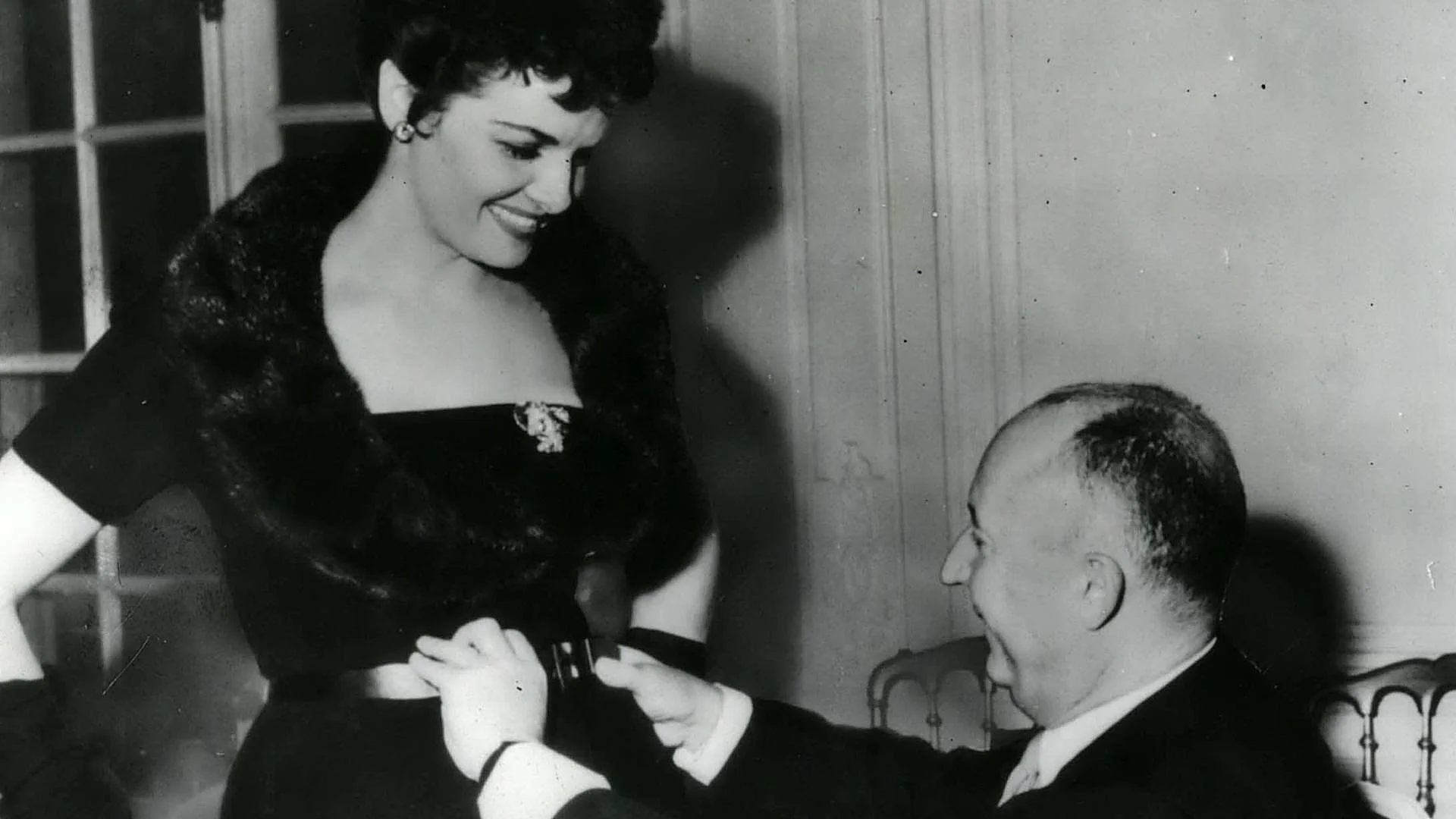
“True elegance is everywhere, especially in the things that are not shown.” Christian Dior remains a fascinating figure who continues to inspire admiration decades after his death. His legacy as the creator of the New Look and as one of the essential figures of the twentieth century keeps his mark alive in the industry. In fact, understanding his personal experiences allows us to comprehend and shape the sensitivity that defined his design. Perhaps his childhood is the key to understanding one of the most relevant designers in the history of fashion.
Dior: Memories of Childhood, by Laurence Benaïm, published by Rizzoli last September, offers a path to understanding his creative universe through his childhood. Furthermore, the book is linked to the Musée Christian Dior, located in the family villa of Les Rhumbs, where the couturier grew up. The recovery of archives, photographs and creations allows us to reconstruct his early years. Its purpose is to explore the family and geographic surroundings in which part of his imagination developed.
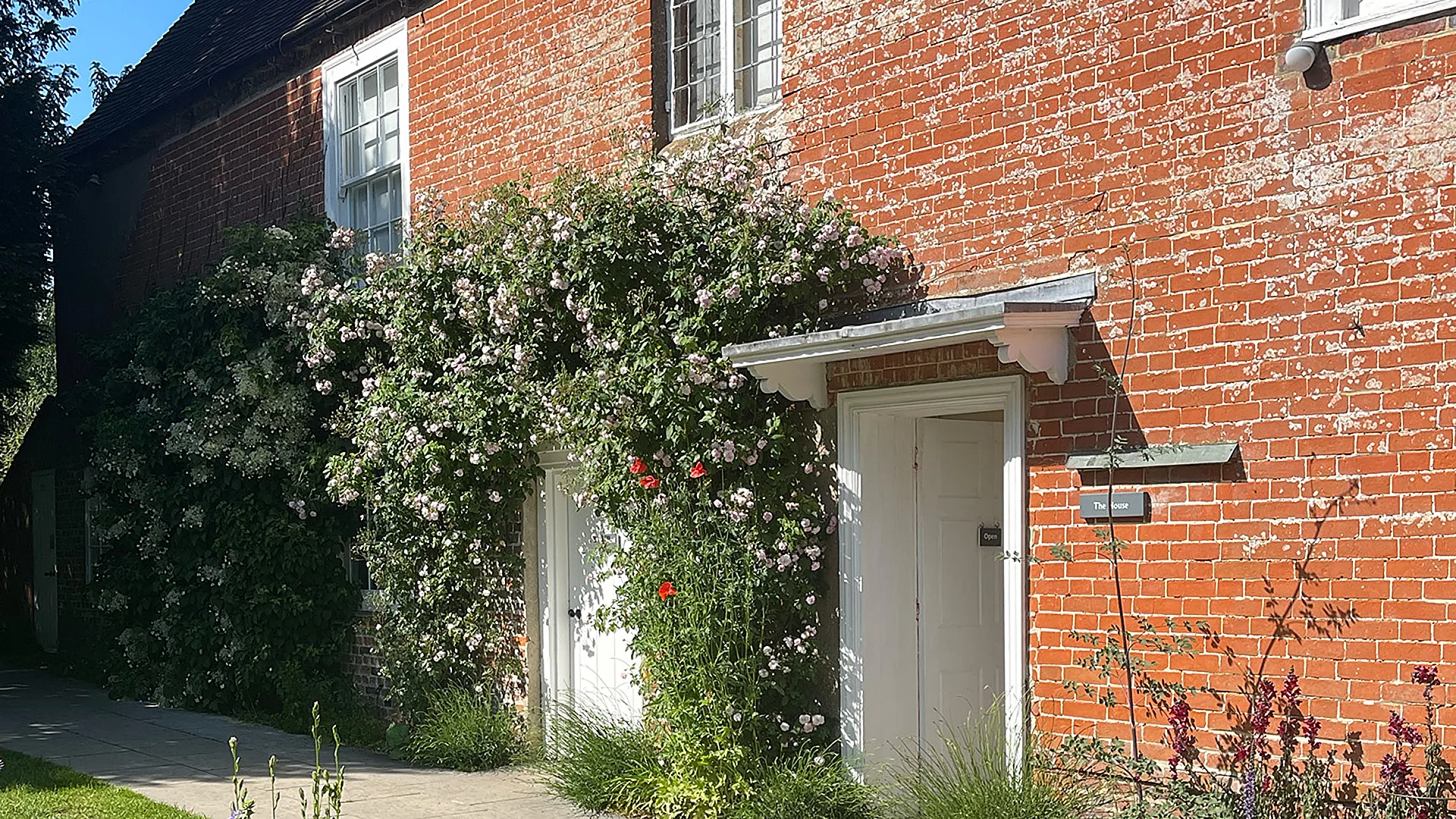
The Les Rhumbs villa, the family home located in Granville, Normandy, is the perfect setting to understand how the garden became one of the fundamental spaces in shaping Christian Dior’s sensitivity. His fascination with flowers and the relationship with his mother, Madeleine, through gardening, as well as the beauty of the surroundings and the influence of the coastal landscape, marked a childhood immersed in nature in all its splendor.
Nature and flowers have become part of that recurring imaginary of the Dior universe. We now see it under the creative direction of Jonathan Anderson, whose shows unfold against the backdrop of the Jardin des Tuileries. It is also present in the floral silhouettes of haute couture and, even, in the social life of the carnivals and parties of Granville, which fed his imagination and served as inspiration for evening gowns. Indeed, the imagined world of Christian Dior began to take shape long before the founding of his maison.
Granville, the Garden Where Dior Was Born
The garden of Les Rhumbs is the starting point of a space of discovery and visual experimentation for Christian Dior, especially for its colors and the seasonal changes. We could even recognize in its organic forms an anticipation of the silhouettes he would develop years later in his designs. The influence of those memories reveals a special sensitivity toward beauty and savoir-faire, capable of turning nature into a way of understanding the female silhouette.
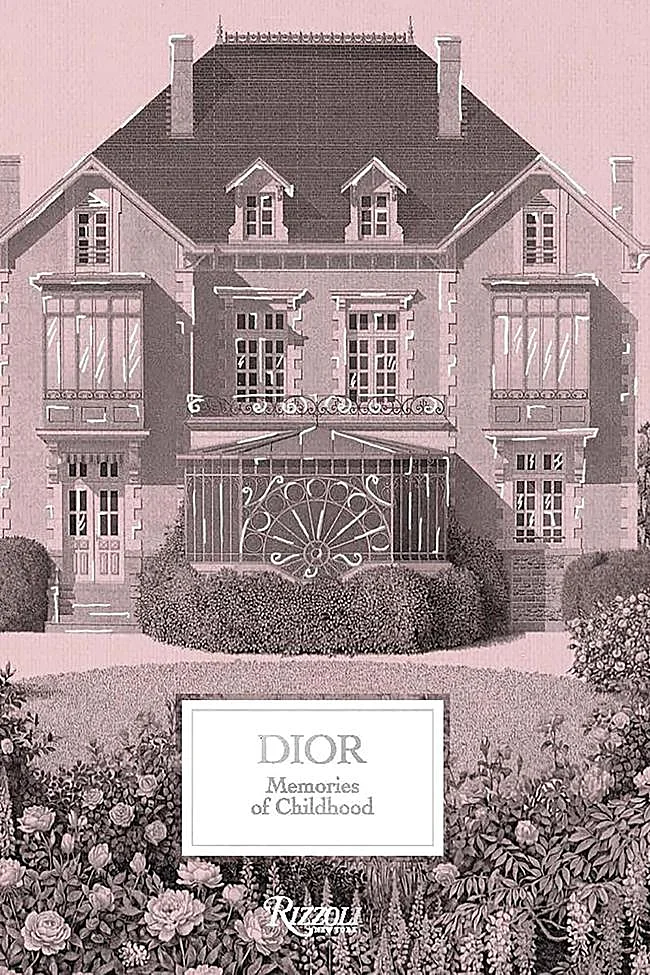
Dior. Memories of Childhood.
We must not forget that Granville was a fashionable seaside destination during the Belle Époque, where summer parties fed his imagination, particularly due to his fascination with costumes and visual transformations. Perhaps that childhood contributed to developing his interest in theatricality and elegance of evening gowns, in a universe where the magic of fashion allowed him to dream, like a beacon that lights a long night.
Interior del libro ‘Dior. Memories of Childhood’.
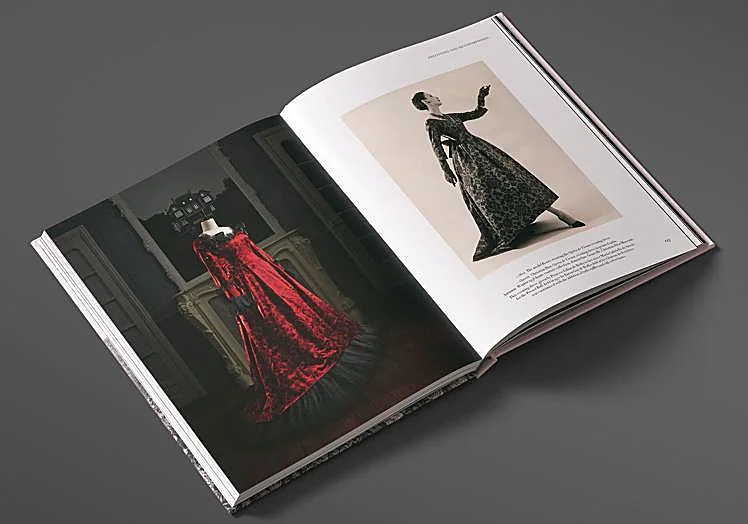
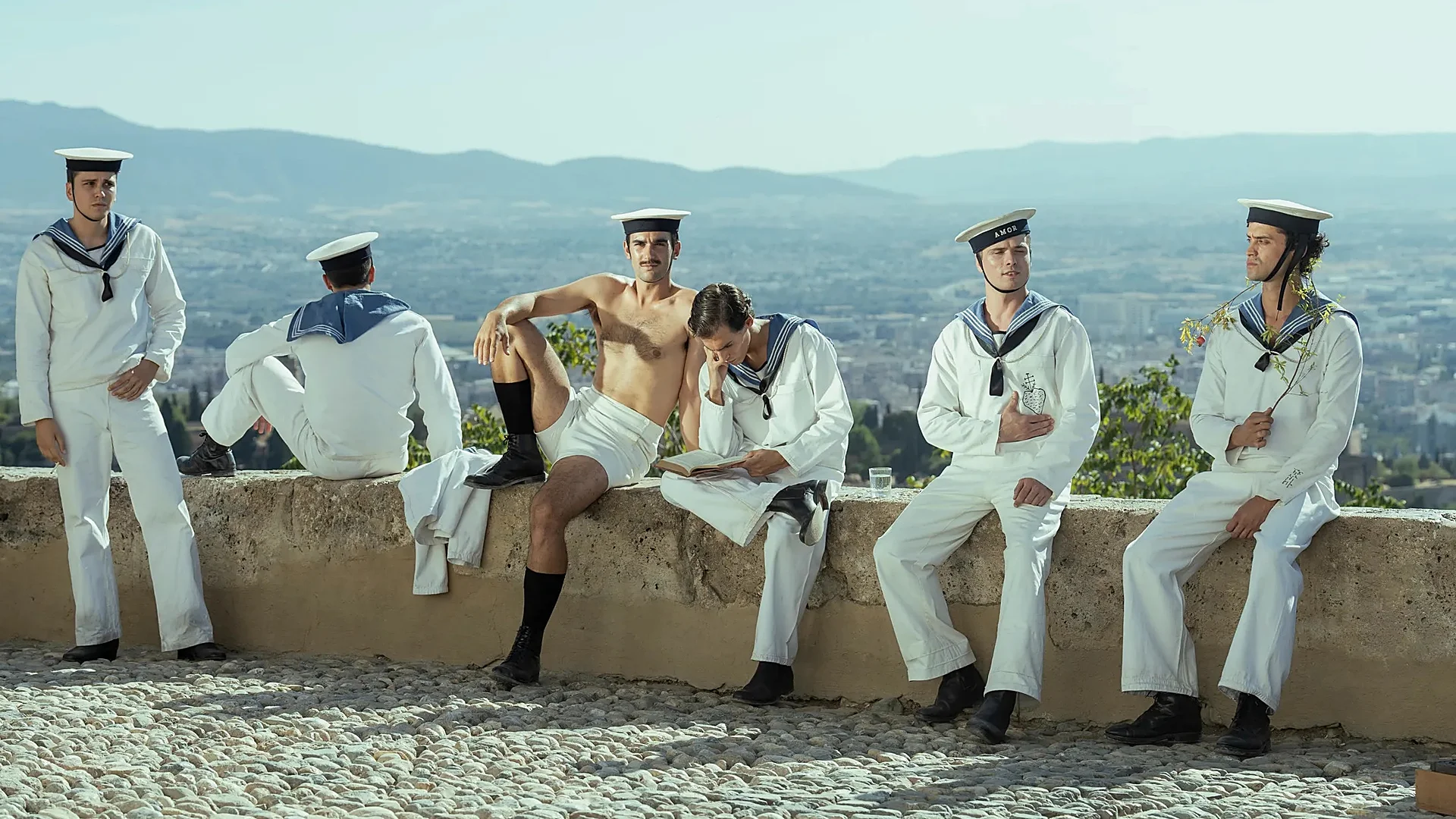
The influence of coastal fashion on Christian Dior’s creations is evident, especially through its connection to the maritime world via the Grain de sel and Goélette models. In fact, the book reflects on the designer’s ability to transform everyday references into haute couture proposals. A dialogue that advances between personal memory, the Norman landscape and the construction of a personal aesthetic identity.
Interior del libro ‘Dior. Memories of Childhood’.
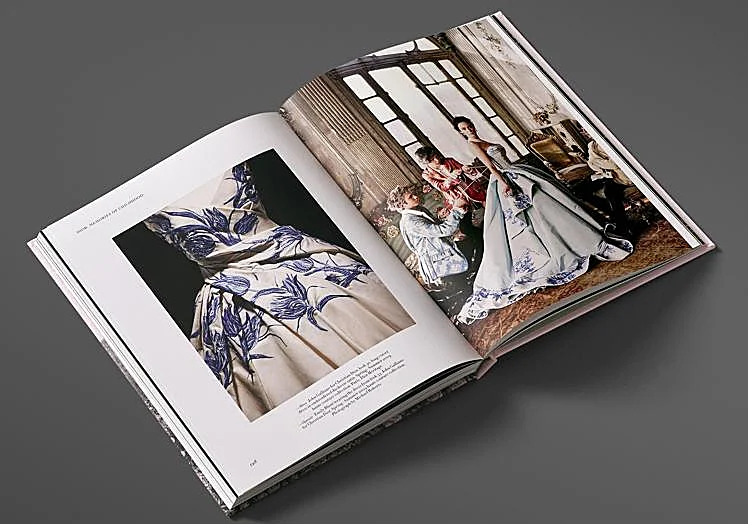
The visual richness of Dior: Memories of Childhood is evident thanks to photographs that reveal the designer’s imagined world. Furthermore, the book gathers images by photographers such as Richard Avedon, Patrick Demarchelier and Paolo Roversi. The inclusion of designs linked to different stages of the maison keeps alive the admiration for the floral nature, a constant presence in the creative universe that Dior began to build during his childhood. Thus, the book allows us to observe the permanence of his artistic legacy to the present day.
The Childhood That Shaped Haute Couture
Christian Dior would not have become who he was without the experiences of his childhood, but neither without the memory of an archive that has given continuity to one of the oldest houses in fashion history. Nature, femininity and imagination are references that have survived their creator, while the challenge today lies in maintaining a dialogue between the past and a contemporary perspective. Because, after all, yesterday’s ideas can continue to generate new ones.
Returning to Granville through this book is a way to understand an essential part of Christian Dior’s imagination. An invitation to view haute couture from the personal and cultural roots that marked one of the great creators of the twentieth century. We must not forget that the identity of a fashion house does not originate solely in the workshop, but also from the atmosphere that surrounds it, from the people and memories. So, what if, to understand the universe of Christian Dior, one had to return, before his dresses, to the garden where he began to imagine it all?