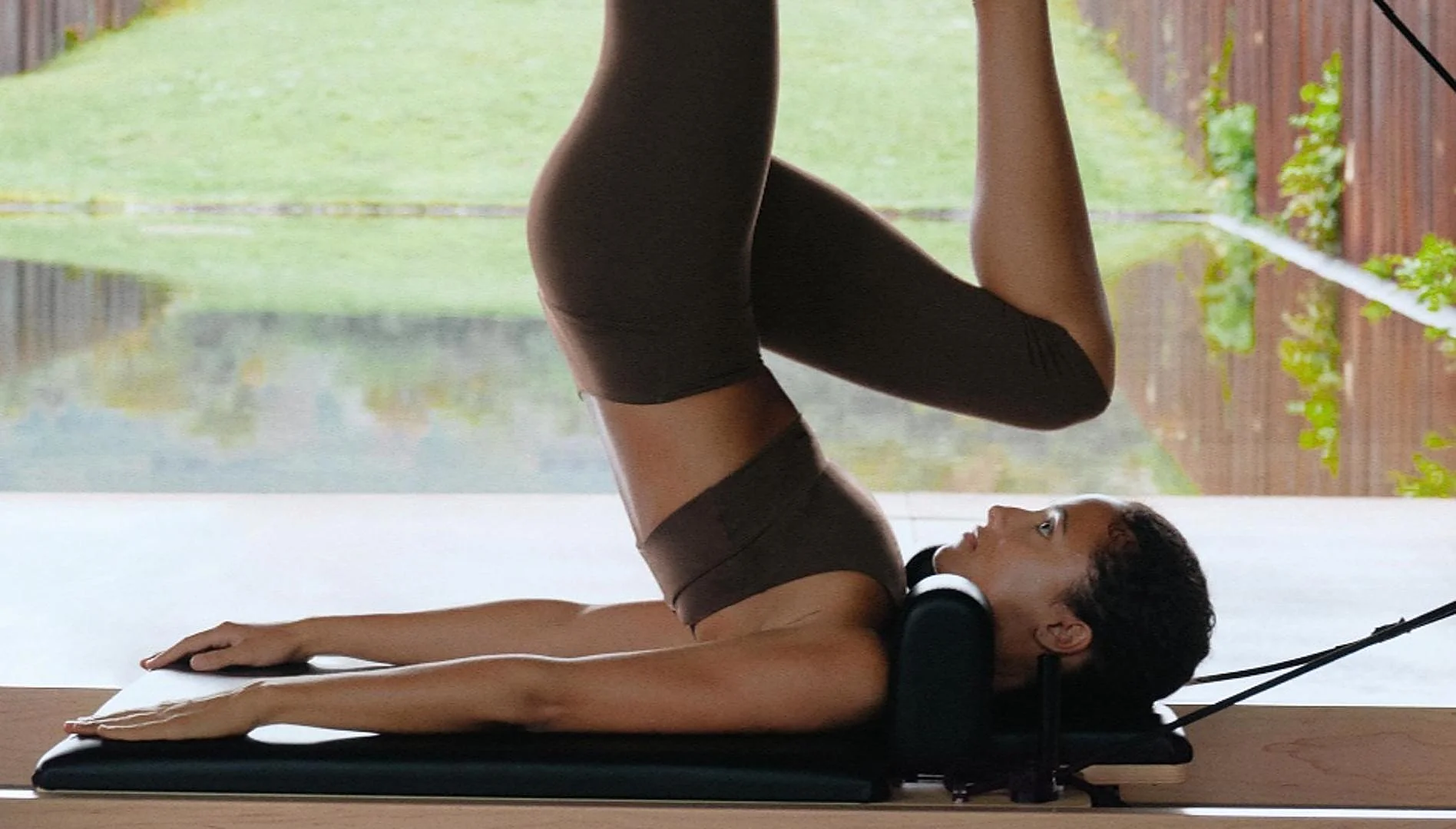
After a summer without stepping onto the mat, the body loses its bearings more than it seems. José Ballesta Ballesteros, director of the Yogah School in Orihuela Costa, describes it this way: “The mind loses the habit, we tend to drift more easily and the body feels more restricted, especially in terms of strength and flexibility.” The sensation of effort is greater than usual, and that conditions the whole approach to the return.
That is why the first step is not to dive straight into the usual practice. “We must start with more pronounced warm-ups and shorter sessions, in which the mind gets used to concentrating and the body does not reach situations of extreme stress,” explains Ballesta. Breathing also suffers at the beginning. “It is natural to feel a bit of limitation, but, by focusing on body, mind and breath, they will return to their usual sensations in a couple of weeks of practice,” he notes.
There is no type of yoga that is automatically ruled out. No practice is inadvisable; in all of them you can regulate the intensity, explains Ballesta. Vinyasa, however, has a concrete advantage for the return: “In yoga vinyasa sessions are usually more dynamic and progressive, so it can be a good option for the first days of practice”. The key, more than choosing one style or another, is to know how to adjust the demand of each session to the point where the body really is that day.
Wanting to be where you were before the summer, and wanting it now, is the most common mistake. “Hurrying the practice, wanting to achieve objectives, seeking quick results,” sums up Ballesta. That urge to regain ground too quickly often translates into joint discomfort, and even small dislocations. Impatience, more than lack of flexibility or strength, is what tends to take its toll in the first weeks.
How the first classes are structured
The duration of the session does not change compared to the rest of the year. “The duration is usually the same. We pay special attention to the warm-up, lengthening it a bit more,” explains Ballesta. Postures of intense bending, such as the bridge, are postponed for later if the student does not have much prior experience. It is not about making a different class, but about giving more time to the part of the process that is most needed right at the beginning.
That selection of postures is not casual. The longer warm-up prepares joints that have gone months without receiving that kind of stimulus, and avoiding the most demanding bends from the outset reduces the risk right where Ballesta notes the most discomfort upon returning. As the classes progress, those same postures are reintroduced progressively, without needing to rush the pace.
How long it takes for the body to respond as before
The good news is that the timeframe is short if the return is done with the proper guidelines. “A couple of weeks of practice are enough to return to normal,” says Ballesta. You don’t need a full month of gradual adaptation or resigning to starting from scratch, something that often surprises those who fear that the summer has erased months of prior practice.
That two-week window also coincides with the time breathing needs to regain its usual rhythm, according to Ballesta himself explains. Body and breathing advance in step in this process of reconciling with the practice, and it is common for both elements to improve almost simultaneously as sessions accumulate.
September does not require choosing between returning strong or not returning. With longer warm-ups, somewhat shorter sessions at the start and patience to not chase results from day one, the body finds its rhythm much sooner than impatience usually makes one believe. The key is less about how much you practice and more about how you resume that practice after months of hiatus.