“Believe in yourself and in your teammates, and miracles can happen.” Herb Brooks, an American ice hockey player and coach, was quite clear that unity is strength within a sport that has become the new success of romantic literature. From Elle Kennedy’s Kiss Me series, which transports us to Briar University and its team, to the homoerotic tension of Game Changers, by Rachel Reid. In fact, we can say that the hockey player is the new quintessential male protagonist for new readers.
And not only for his attractiveness or popularity, but because he fits perfectly with the codes of the college romance that all of us have yearned to live during our university years. Perhaps what will surprise most is that a minority sport like hockey has touched us with such intensity. In fact, the novels often play with the binary between the athlete’s toughness and the intimacy of the love story; that is the key to its recent success.
However, in Spain hockey remains a great unknown in the world of sport and little familiar to the general public—quite the opposite of football and its phenomena, such as Ferrán Torres. Precisely for this reason, that distance makes it an attractive setting for fiction, because there is a lot to explore and contribute as part of a good discovery. The novels have allowed entry into a world that we could define as a territory of success relative to other, much more well-known sports.
Moreover, in literary fiction, what seems to work best is the appeal of confronting strength and masculinity with vulnerability, combined with desire and insecurity. A romantic cocktail that the novels approach without any scruple, where the hockey protagonist represents that perfect contradiction. Perhaps that duality is really what explains why we are hooked on those so-perfect-on-ice guys. Although perhaps we should turn to reality to understand why fiction takes its inspiration from this sport.
Hockey that exists beyond romance novels
Ice hockey has, for Arturo Guerra, a hockey player for FC Barcelona, a personality of its own that sets it apart from other sports. “Not many people are familiar with the sport and the charm it has. It is something completely different from the sports we are used to in Spain,” he explains. For him, any ice sport “is magnificent to watch,” but hockey stands out for “an explosion, a speed and a complexity that other sports lack.”
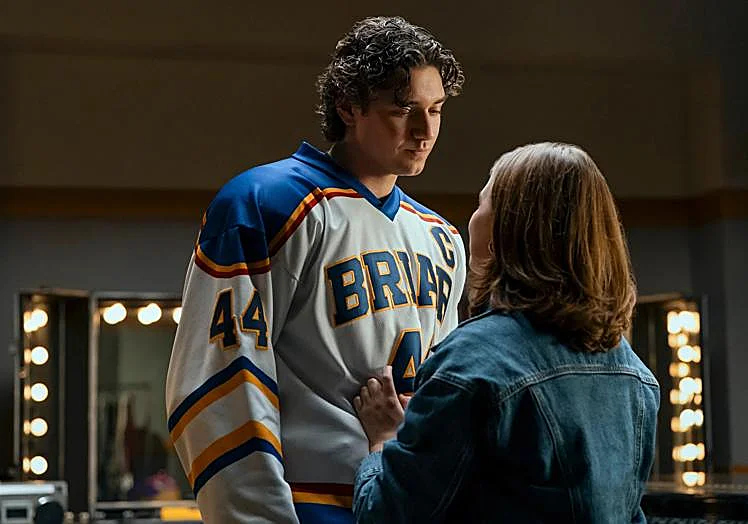
The first season of the TV series Off Campus, based on the books by author Elle Kennedy.
That hockey has become one of the common settings in romance novels doesn’t surprise him either. “I think it has taken time, but more and more people are able to appreciate minority sports and give them the importance they deserve,” he notes. He also considers the approach of these stories apt because, as he understands it, “it breaks many stereotypes.”
Although he acknowledges not being too familiar with the novels, he does find the relationship they establish between sport and feelings interesting. “Today, for athletes and love is a taboo subject,” he says. For Guerra, introducing a new perspective of love into a sport considered “very masculine” and “not sentimental” allows visibility of a reality that still remains hidden: “There are many people in sport suffering and hiding who they really are, for fear of how their teammates, fans and the world in general will perceive them.”
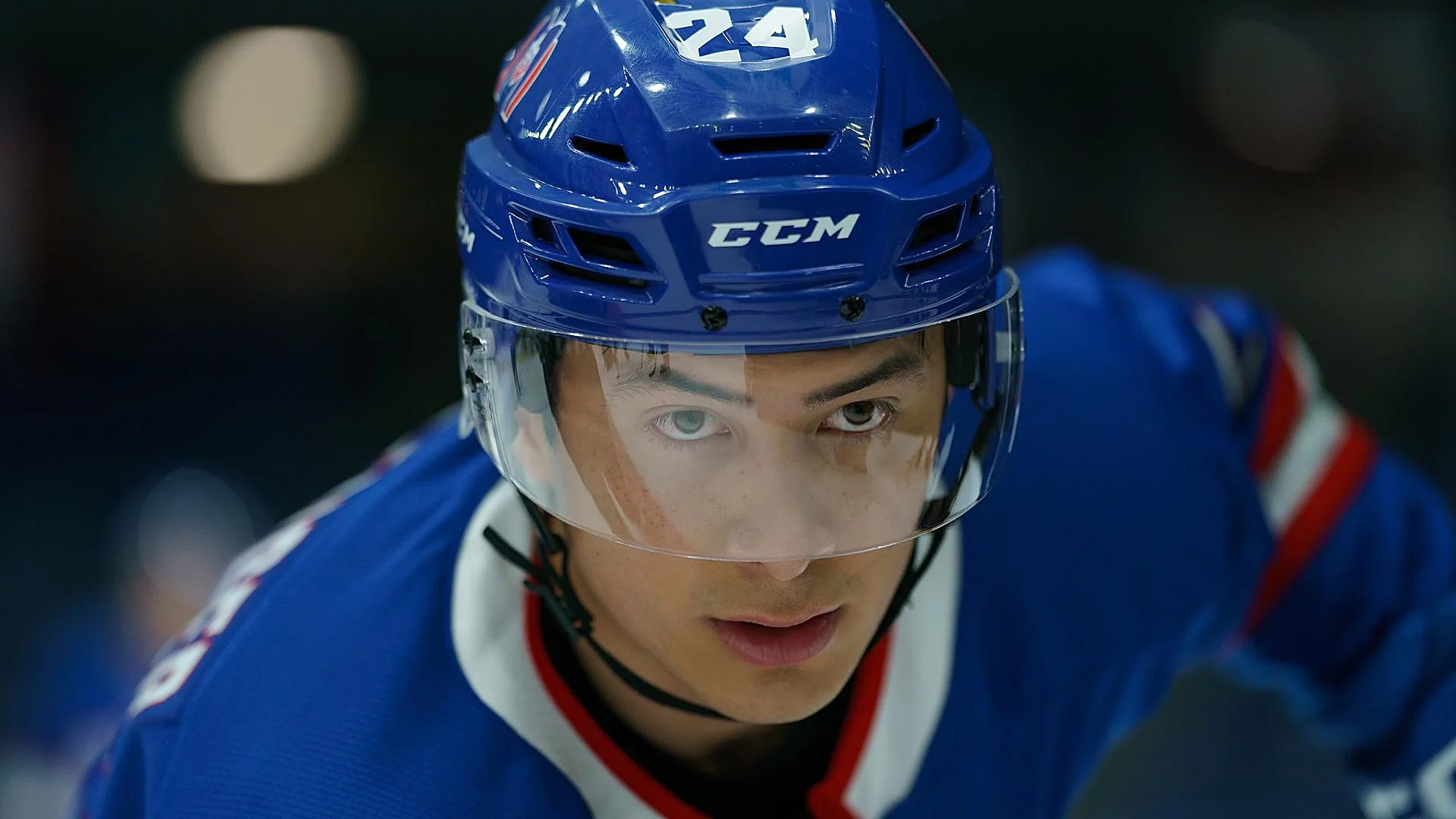
Arturo Guerra, hockey player for FC Barcelona and the Spanish national team.
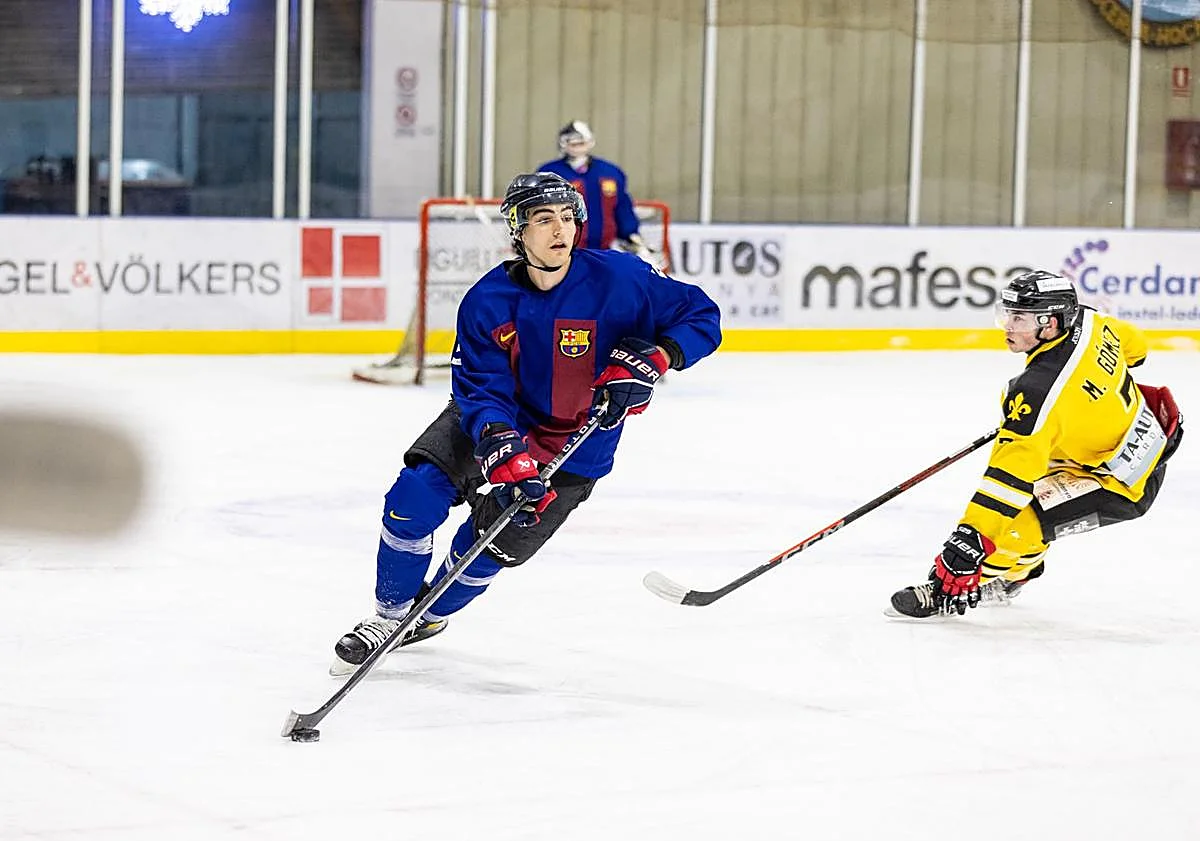
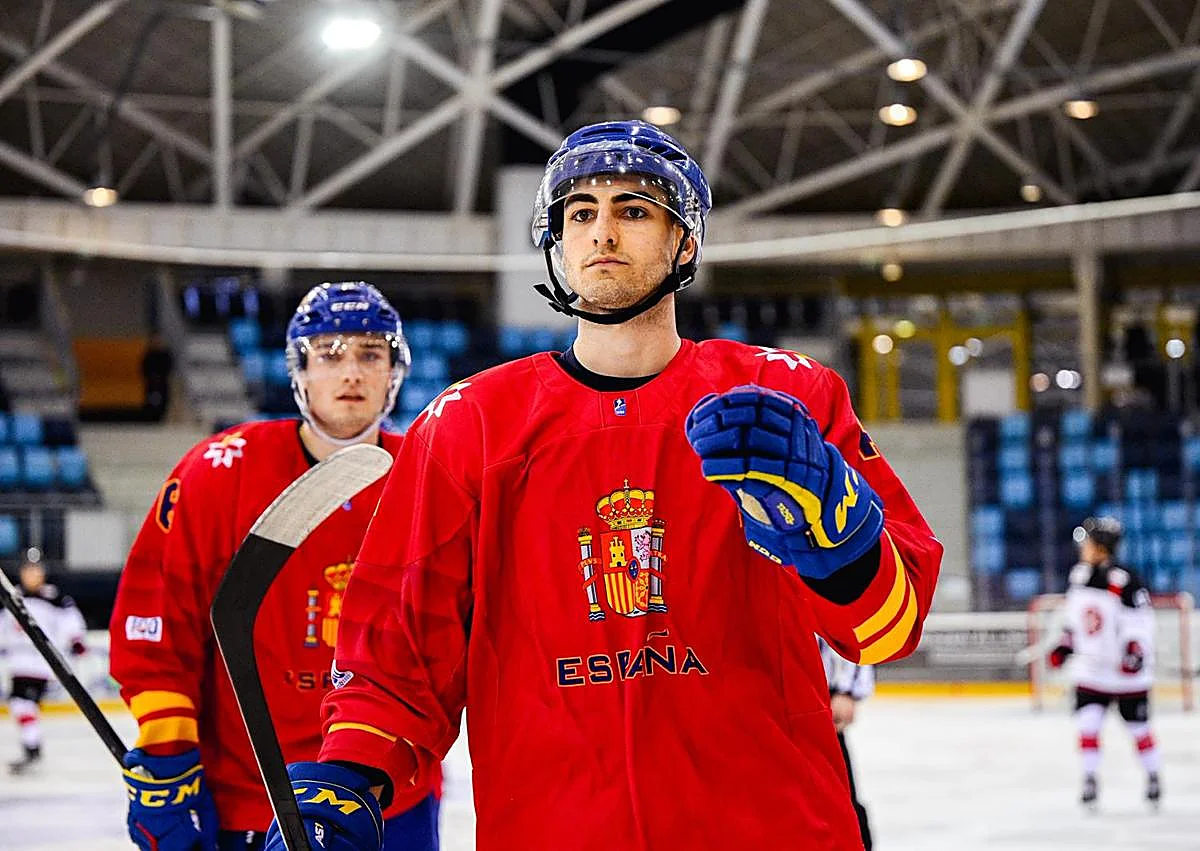
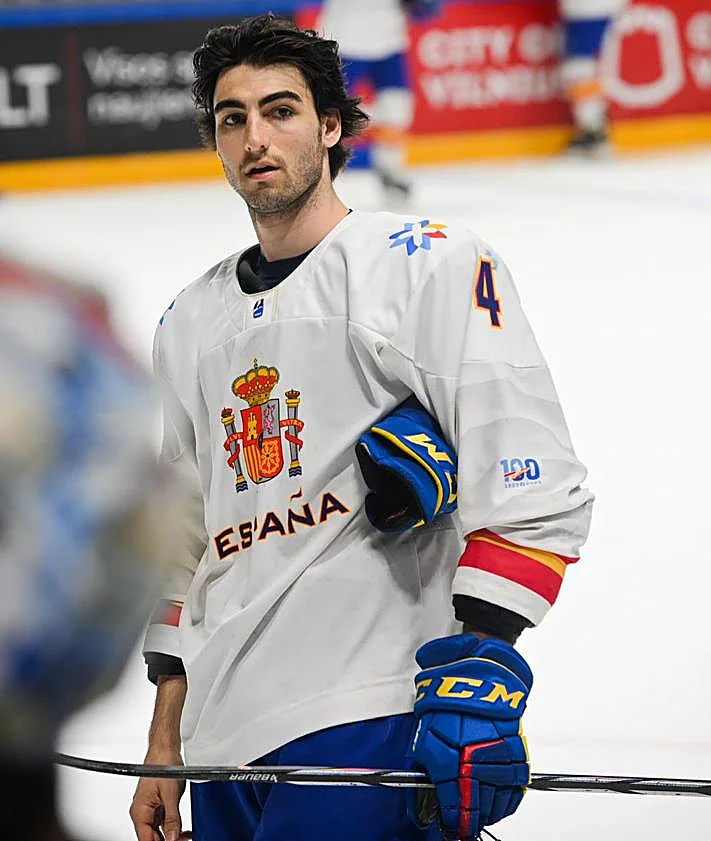
In the face of that image, he also asserts the strong relationship that forms within a team. “I consider my teammates, besides friends, brothers in a sense,” he says. Sharing time, passion and problems “makes it impossible not to have a family-like closeness.” And if there is one quality he would highlight about hockey players, it is clear: “We are extremely competitive; warriors would be a fitting description.”
Ilya Rozanov (Connor Storrie), protagonist of the novel and TV series ‘More than Rivals.

To construct a credible hockey protagonist, Guerra believes one would need to know better the reality of this sport in Spain. “Many people think that an athlete is only an athlete, when in our case we all consider ourselves elite athletes with our daily lives.” A reality that breaks with the stereotype that “athletes earn millions,” since most must “give one hundred percent in both aspects of our lives, sacrificing a lot.”
When reality surpasses romance
It may seem that fantasy has been struck down after these statements, but let me tell you that the opposite is true. When we embark on a literary adventure, we seek total escape from the real world to connect with other universes through an imaginative realm that makes us dream. Yet perhaps this helps us understand that the image of the elite athlete goes beyond those dreams built in the novels and that it entails great sacrifices in real life.
In short, hockey works in romance because it brings together all the ingredients necessary for a male fantasy that makes us believe the perfect boyfriend exists—although later everyone has their ghosts—: attractiveness, camaraderie and vulnerability. Literature has managed to turn a still relatively unknown sport into a territory of desire that continues to spread with all kinds of variants. So, have we fallen in love with hockey players because they are really the new romantic ideal, or because literature has known how to turn an unknown sport into the perfect masculine fantasy?