Turning off the computer doesn’t switch off the mind. Many days you come home with your shoulders up to your ears and the last meeting still circling. For that moment between work and the sofa, Teresa Vázquez de Castro, Head of Education and Product at Club Pilates Spain, proposes something simple: twenty minutes of Pilates on returning home. No great effort. The idea is to lower the pace.
She explains it this way: «A brief session of exercise can contribute to reducing the stress-related arousal through movement, controlled breathing, body awareness, and reduced muscle tension». In Pilates, concentration also matters a lot. «The concentration on breath and movement can foster the sense of relaxation», she notes. If you’re preoccupied with how the air enters, it’s hard to keep thinking about the email.
That said, at that time of day not any workout will do. «At the end of the day it’s important to maintain a smooth pace and moderate intensity. A very demanding or explosive session can end up being stimulating rather than relaxing», she warns. It is a key nuance for those who believe that the more you exhaust yourself, the more you vent. That’s why she proposes a calm routine, without hurry.
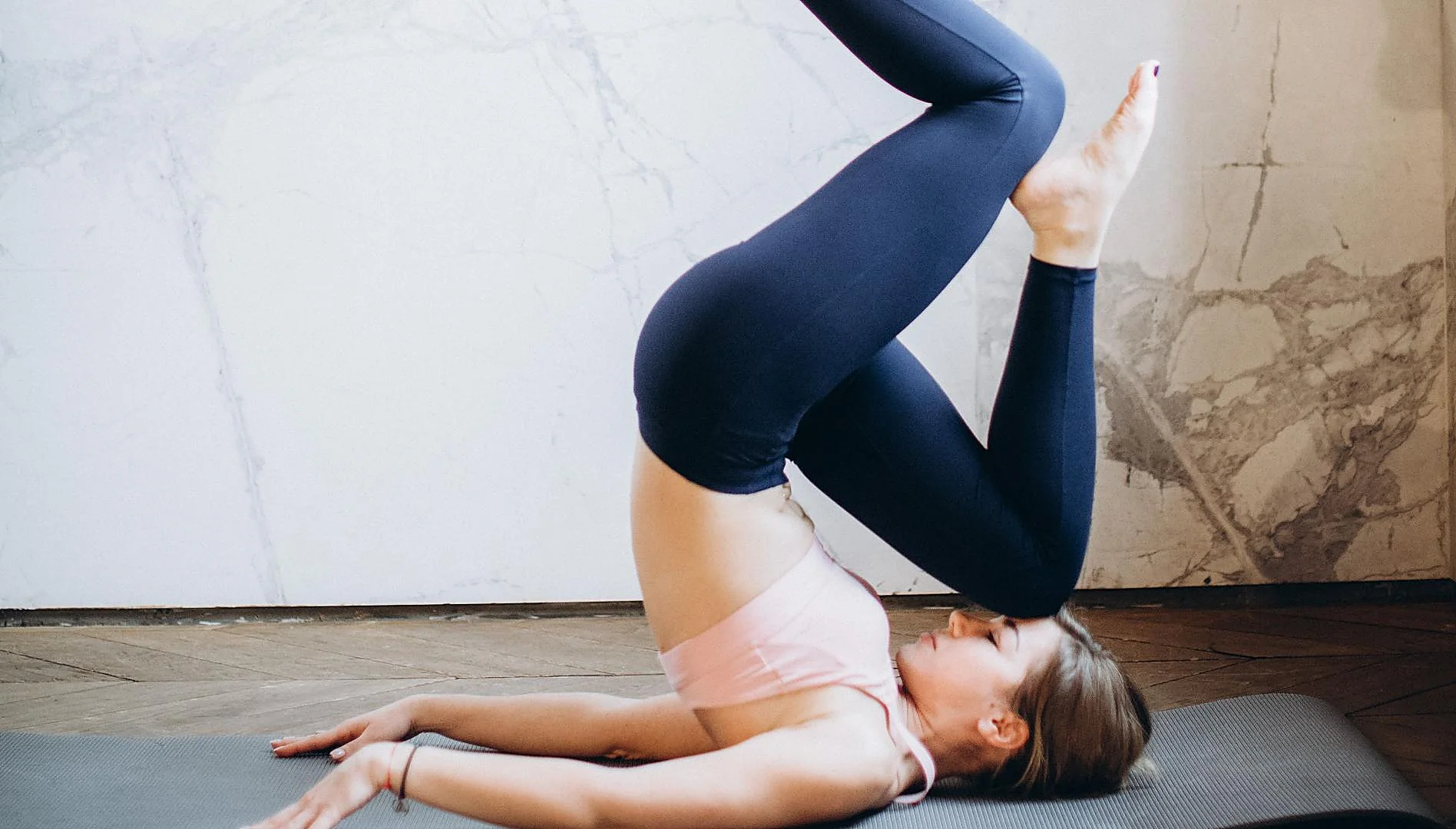
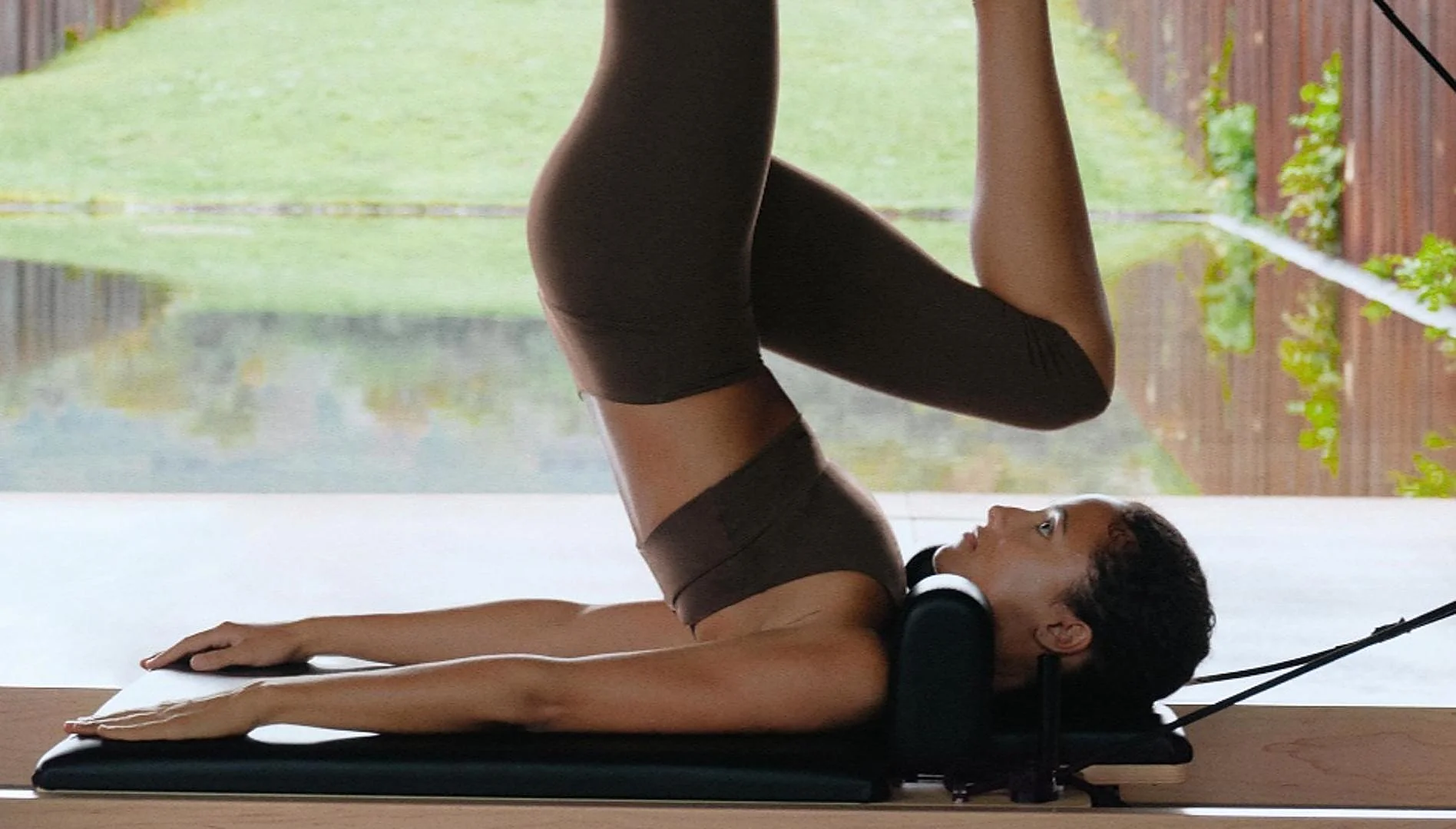
The exercises she chooses are familiar to anyone who has stepped into a Pilates class. I would prioritize lateral breathing, gentle spine mobility, pelvic clock, cat-cow, roll down, spine twist, gentle bridge, and hip and posterior chain stretches,” she details. Almost all are done on the floor, at a calm pace, and move the spine and hips without roughness.
How to allocate the 20 minutes
Vázquez de Castro divides the session into four blocks. The first three minutes are for the breathing and gentle mobility, and the next five for the spine and the shoulders. Then come seven minutes of core and full-body exercises «of moderate intensity». To finish, five minutes of «extension of the spine, opening and relaxation».
Some of these exercises are very easy to do at home. Lateral breathing involves drawing air toward the sides of the ribs, without inflating the abdomen or lifting the shoulders. The pelvic clock is done lying on the back, moving the pelvis as if tracing the hours on a clock. In the cat-cow, on all fours, flexion and extension of the spine are alternated. And the roll down consists of lowering from standing, curling the spine vertebra by vertebra.
Spine twist is performed seated with the legs extended, turning the torso to one side and then to the other, and the gentle bridge, lying on the back, lifting the pelvis gradually. In all of them, breathing sets the pace. «Breathing must be coordinated with movement, without forcing inhales or exhales», insists the expert. If the breath is forced, the body tenses, and that is exactly what is being avoided.
Who it’s for and what to expect
The routine has a fairly clear audience. «It may be especially interesting for people who finish the day with neck or lower back tension, a sense of stiffness, mental activation or difficulty transitioning between work and rest», explains Vázquez de Castro. That is, for those who come home with a stiff neck or with the sense of still working even though they have already shut the computer.
What it does not promise is miracles. «It can help, especially if it becomes a regular habit, but there is no evidence that exactly 20 minutes are enough to eliminate accumulated work stress», she acknowledges. She also reminds that the stress each person feels may be due to other external factors that remain there day after day.
Her advice is to adjust expectations. «The reasonable thing is to expect progressive improvements in the sense of tension, mobility, the ability to disconnect and well-being, rather than promising an immediate or universal effect», she concludes. In these weeks of returning to the routine, with schedules tight again, setting aside twenty minutes after arriving home can be a good starting point.