
Heat is not only felt on the skin. Dr. Ana Isabel Sanz, psychiatrist, psychotherapist and director of the Ipsias Psychiatric Institute, explains it this way: “Heat alters the functioning of our brain and generates a feeling of discomfort and stress that activates the cortisol and adrenaline axis. It is a response to a situation that the body interprets as aggression or an alert in which it needs to defend itself.” Serotonin and dopamine drop. Impulsivity rises.
There is a very concrete mechanism behind that summer irritability. “In the face of thermal stress, the brain reorganizes energy distribution and prioritizes areas more related to temperature regulation, such as the hypothalamus. This can reduce the availability of resources for areas related to complex reasoning and self-control,” explains Dr. Sanz. The sympathetic nervous system, which is activated in response to a real threat, also comes into play there.
But heat does not explain everything. “In summer we also sleep worse, we can become dehydrated more easily and many of our usual routines change. All of this contributes to us being more tired, less organized and with a greater sense of losing control,” notes Dr. Sanz. Long days disrupt melatonin, and the heat shortens deep sleep and REM stages, precisely the ones that recover the nervous system the most.
The circle between sleep, eating and routine
That mismatch self-perpetuates. “We sleep worse, we are more tired and irritable and that discomfort, in turn, affects the quality of sleep,” explains Dr. Sanz. Food also weighs in: extra sugar, glucose spikes and crashes, guaranteed irritability. And the routines that disappear in summer leave a void that sometimes becomes pure frustration.
Not everyone is equally vulnerable. “Very young children and older adults may be more sensitive because their psychophysiological regulation mechanisms are, respectively, more immature or worn out,” explains Dr. Sanz. Those who already have depression, bipolar disorder or anxiety are at greater risk of relapse, as are people with ASD or ADHD.
There are more factors at play beyond age or diagnosis. “A poorer biological tolerance to heat, certain circadian rhythms, especially in people who function better in the afternoon, or a high need for control and a low tolerance for improvisation and changes of plans,” details Dr. Sanz. Certain medications that act on the nervous system also increase sensitivity to heat.
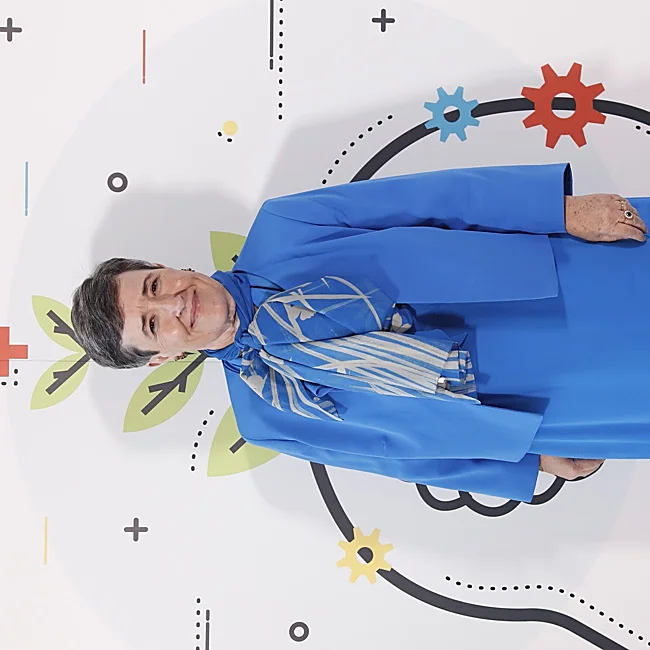
Dra. Ana Isabel Sanz, Médico psiquiatra y Psicoterapeuta.
What helps to manage it
Cognitive-behavioral therapy has a lot of support here. “Especially to work on catastrophic thoughts or anticipatory ideas about how unbearable the heat will be and the negative consequences it will have on our well-being,” explains Dr. Sanz. Sleeping at roughly fixed times, adjusted to light and heat, also helps a lot.
Breathing and relaxing lowers the body’s activation. “Another important aspect is acceptance. We cannot modify certain climatic conditions, but we can adjust our expectations and stop demanding the same level of productivity when our body needs more rest,” says Dr. Sanz. A simple diary, noting when irritability appears and what it relates to—heat, thirst, poor sleep—can be enough without needing therapy.
Is all of this real, or are we exaggerating by blaming the heat? It is real. “There are studies that link periods of elevated temperatures with an increase in consultations for emotional distress and depressive relapses. There is even a summer-onset seasonal affective disorder, which would in some ways be the inverse variant of the more well-known seasonal affective disorder associated with winter,” explains Dr. Sanz. The expectations of enjoying summer add pressure, but underneath there is also a physiological basis that is true.