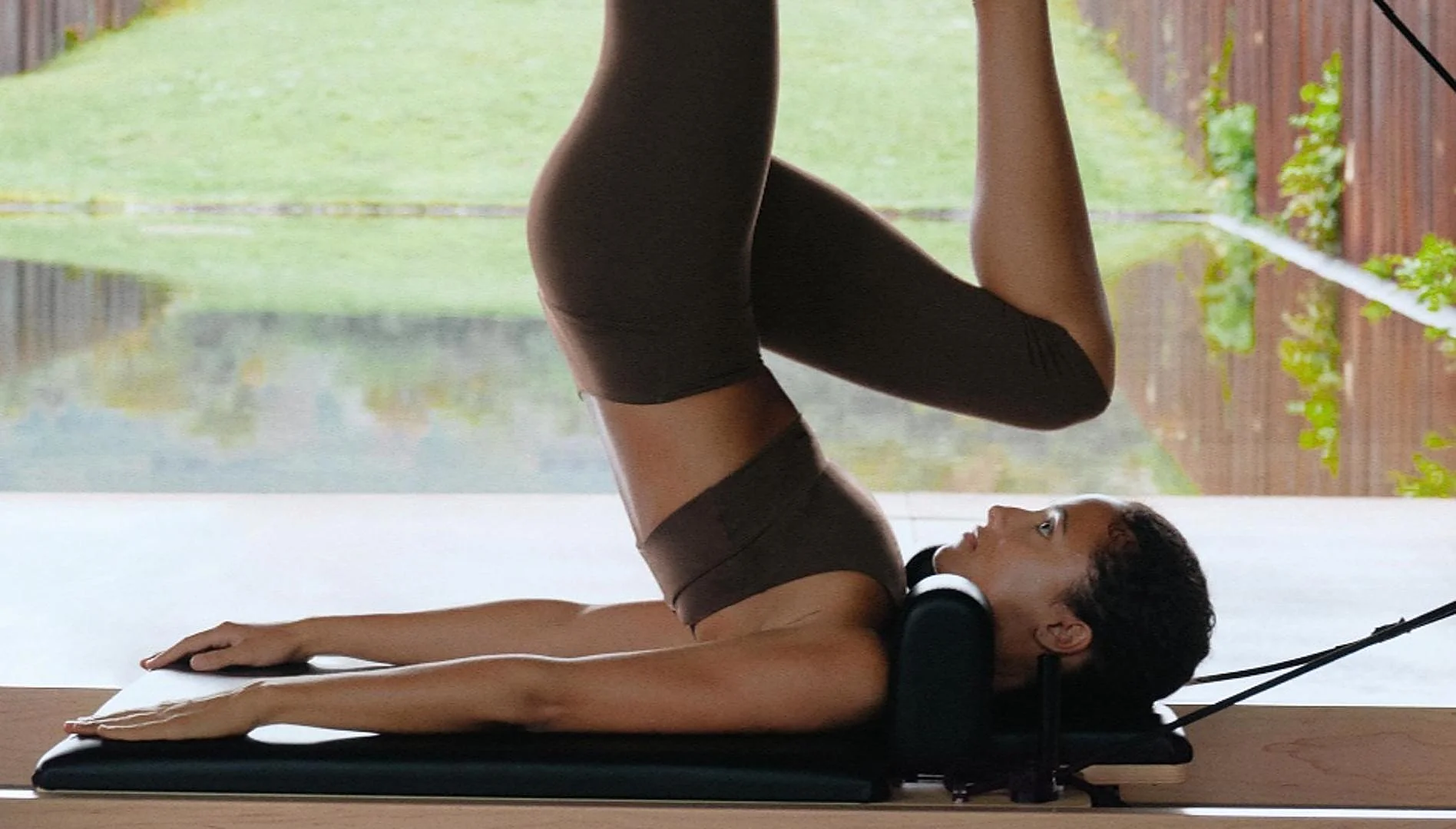
“Resetting” the body in August does not mean leaving it all behind. Dr. Mariel Silva, Medical Director of SHA Spain, explains it from the concept: “It is a metaphor to describe the recovery of a balance that may have been disrupted by stress, lack of sleep, sedentary behavior, irregular schedules or a disorderly diet.” Restoring regularity to those basic rhythms, sleeping better, moving more frequently, regaining strength and eating in a more structured way is what creates the conditions for the body to function more efficiently.
In the psychological realm, the reset has another name: lowering the state of alert. “It implies reducing the constant state of alert, disconnecting from work demands, reducing multitasking and regaining spaces of attention, enjoyment and real rest,” explains Dr. Silva. It also involves returning to perceive basic signals such as fatigue, hunger or tension, which during the months of greatest demands are often completely relegated.
August offers favorable conditions for that process, but it does not guarantee it by itself. “Being on vacation does not guarantee recovery by itself. If August becomes a month of chaotic schedules, short nights, excessive commitments, frequent alcohol consumption or prolonged inactivity, the result can be the opposite,” warns Dr. Silva.
The physical habits that make the difference
Combining daily movement with strength training is the foundation. “The base can be brisk walking, swimming, cycling or outdoor activities on most days. It is advisable to add two or three weekly strength sessions, tailored to each person’s level,” says Dr. Silva. Strength preserves muscle mass and improves joint stability, two factors that facilitate returning to the routine in September.
“The most common error at this point is going from inactivity to a very intense program in a few weeks. “Physical improvement depends more on regularity than on extreme exertion. Moving every day, maintaining strength and progressing gradually usually yields better results than training hard for a few days and stopping afterward,” explains Dr. Silva. With high temperatures it is advisable to train during the cooler hours, stay hydrated regularly, and stop exercising if dizziness, nausea, or unusual weakness occur.
Resting is not the same as planning
A schedule full of trips, meals and commitments can be pleasant without being restorative. “The brain needs moments with fewer stimuli, without multitasking, without notifications and without the sense of having to seize every minute,” explains Dr. Silva. Walking without a phone, reading, being in silence or spending time in nature helps to lower that constant activation associated with stress.
Sleep is the foundation of the entire process. “Going to bed and waking up at very different times each day can make returning to the routine more difficult and worsen sleep quality. Maintaining some regularity, exposing oneself to natural light in the morning, and reducing screens at the end of the day promotes a more stable recovery,” says Dr. Silva. The structure she proposes combines three levels: sufficient and regular sleep, short breaks during the day and longer periods of real disconnection, with no work or screens in between.
Completely misaligning sleep is, according to Dr. Silva, one of August’s most common mistakes. “Chaining short nights can cause a person to arrive in September with a sleep debt, even if they have been on vacation. Reverting to the work schedule abruptly is usually difficult and can worsen energy, mood and concentration during the first days,” she warns.
Is it possible to arrive in September in better shape than at the start of summer? “Yes, it is possible, provided August is managed with realistic goals and sustainable habits,” says Dr. Silva. Moving every day, maintaining two or three weekly strength sessions, sleeping with relatively stable schedules and reserving spaces for real disconnection is what produces that noticeable improvement upon returning.
What marks a before and after is not weight or appearance. “Sleeping better, waking up with more energy, needing less effort to move, noticing better recovery after exercise or arriving in September with a routine that can be maintained are more useful and relevant health signals,” summarizes Dr. Silva. August can be a month of transition toward a more balanced rhythm, or a disordered pause that is harder to return from.