On March 17, 1939, amid reports of the hostilities that would lead to World War II, The New York Times reported an incident that had occurred the previous afternoon on the busy Fifth Avenue. Salvador Dalí had been detained by a detective who, upon seeing the damage done to the storefront of the luxury Bonwit Teller store, had stepped off a bus to arrest the Catalan artist, who was visibly upset.
The reason for his indignation: that after working on the display windows of the famous establishment during the entire early-morning hours, creating two works titled Day and Night, in which he made his unique creative universe clear, the clients had complained and the staff proceeded to carry out flashy changes without his authorization.
Upon seeing them, according to the report, he himself entered the store angry, «uttering loud words in Spanish and French, the only languages he knew» and claimed «that he had been hired to create a work of art and not for his name to be associated with the typical storefront decoration.» And as no agreement was reached, the man from Figueres burst into one of the display windows and, seizing a bathtub that formed part of his creation, shattered the glass and it fell onto the street.
Creative Harmony
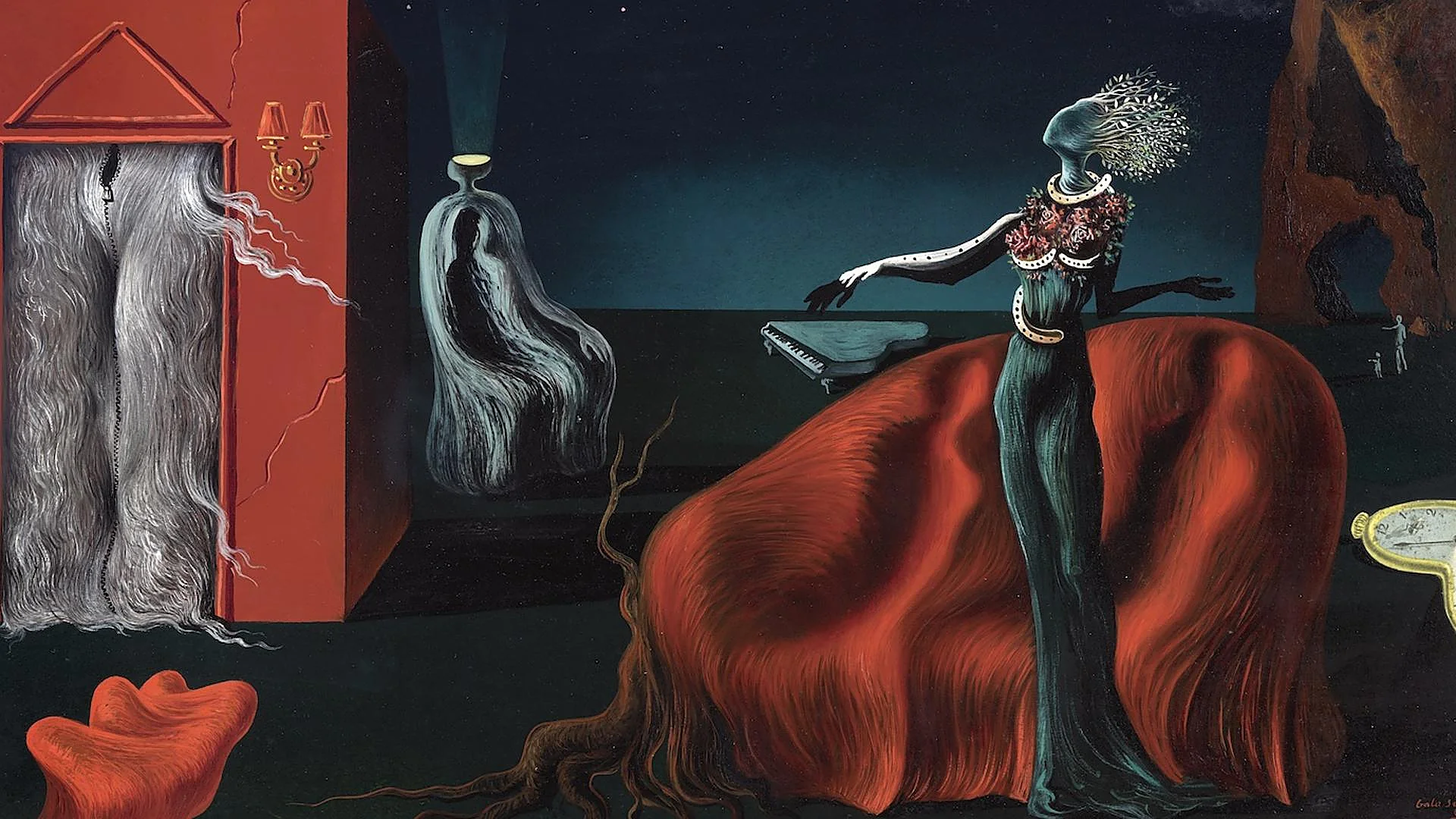
This incident, which did not go beyond a charge of disturbing the peace, evidences the respectful relationship Dalí had with fashion and the importance he attached to it in his work. For his work was characterized by a rich symbolic imagery linked to garments and accessories: shoes, dresses, jackets, gloves and jewelry are key elements of his surreal language.
Gala, photographed by André Caillet in 1938, wearing Elsa Schiaparelli’s shoe-hat inspired by a Salvador Dalí design.
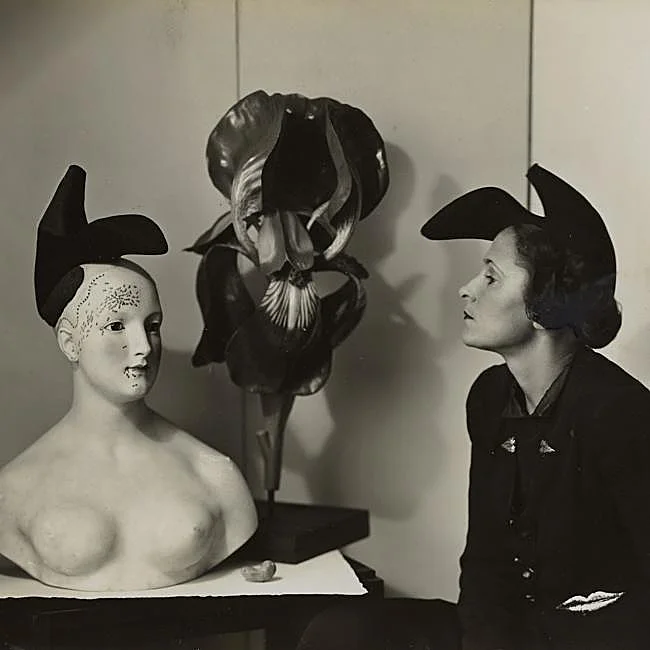
And by the time he received the New York commission, the artist had been collaborating for years with designer Elsa Schiaparelli. A joint endeavor —one of the earliest cooperative examples between art and fashion— that gave rise to objects as surprising as the powder compact in the shape of a rotary dial, the lobster dress and the lobster telephone, the shoe-hat with which Gala, his muse and wife, was immortalized by André Caillet in 1938 (in the image above) or the teardrop dress, which turned the liquid product of the most intense emotions into an aesthetic material.
Dalí’s relationship with fashion was therefore not an isolated episode of his career, but a second artistic practice in which he pursued it with as much zeal as to the canvas. Coinciding with Milan Fashion Week, the Royal Palace in the Italian city has captured that commitment in the exhibition Dalí and Fashion.
The Eye of Time brooch, crafted with platinum, natural ruby, diamonds, enamel and a Movado 50SP movement.
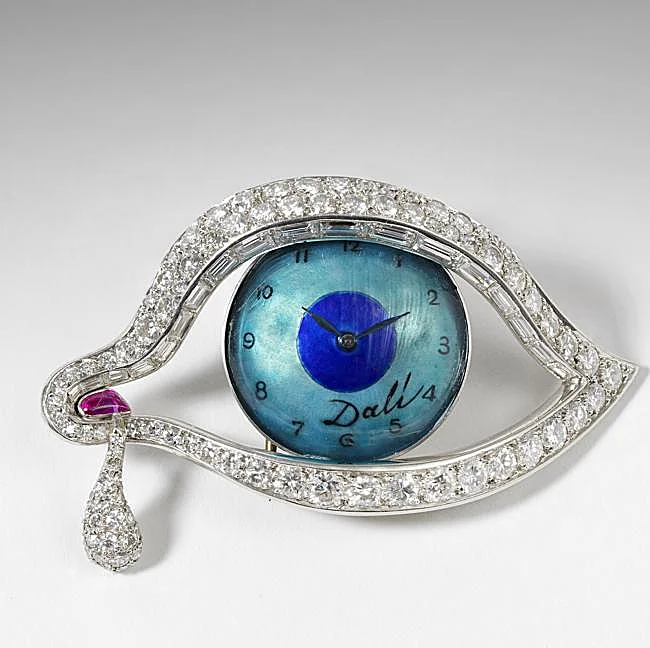
Until January 31, and in collaboration with the Gala-Salvador Dalí Foundation of Figueres, the Dalí Museum in St. Petersburg (Florida) and the Museo Nacional Centro de Arte Reina Sofía (Madrid), this exhibition project brings together masterworks, photographs, jewelry and documents, in addition to garments and historical archives from Schiaparelli, Chanel, Dior and Rabanne.
Elements that explore its alignment with haute couture, revealing a dimension little known but highly fertile, of his creative interests. The embodiment of the complexity of an artist who not only influenced the industry, but also knew how to anticipate some of its current problems: the construction of identity and its link with the act of dressing, the spectacularization of image, the dialogue between art and consumption, or the power of creativity to reinvent reality. Something that Dalí, by his own experience, knew firsthand.