September has already begun and the mat has been put away for weeks. José Ballesta Ballesteros, director of the Yogah School in Orihuela, is clear: “The aim is to shorten the period of inactivity and be able to recover your classes with a better tone.” It’s not about regaining June’s level in five days, but about ensuring the body does not arrive completely still to the first real class of the course.
Twenty minutes don’t go far, and Ballesta is the first to say so without beating around the bush. “A 20-minute practice is nothing more than a mere warm-up; the intention is simply maintenance, the pace may be gentler and the postures less extreme,” he explains. The difference with a conventional class is right there: less demand, more continuity, and that continuity is what really makes the difference when the first full class of the season arrives.
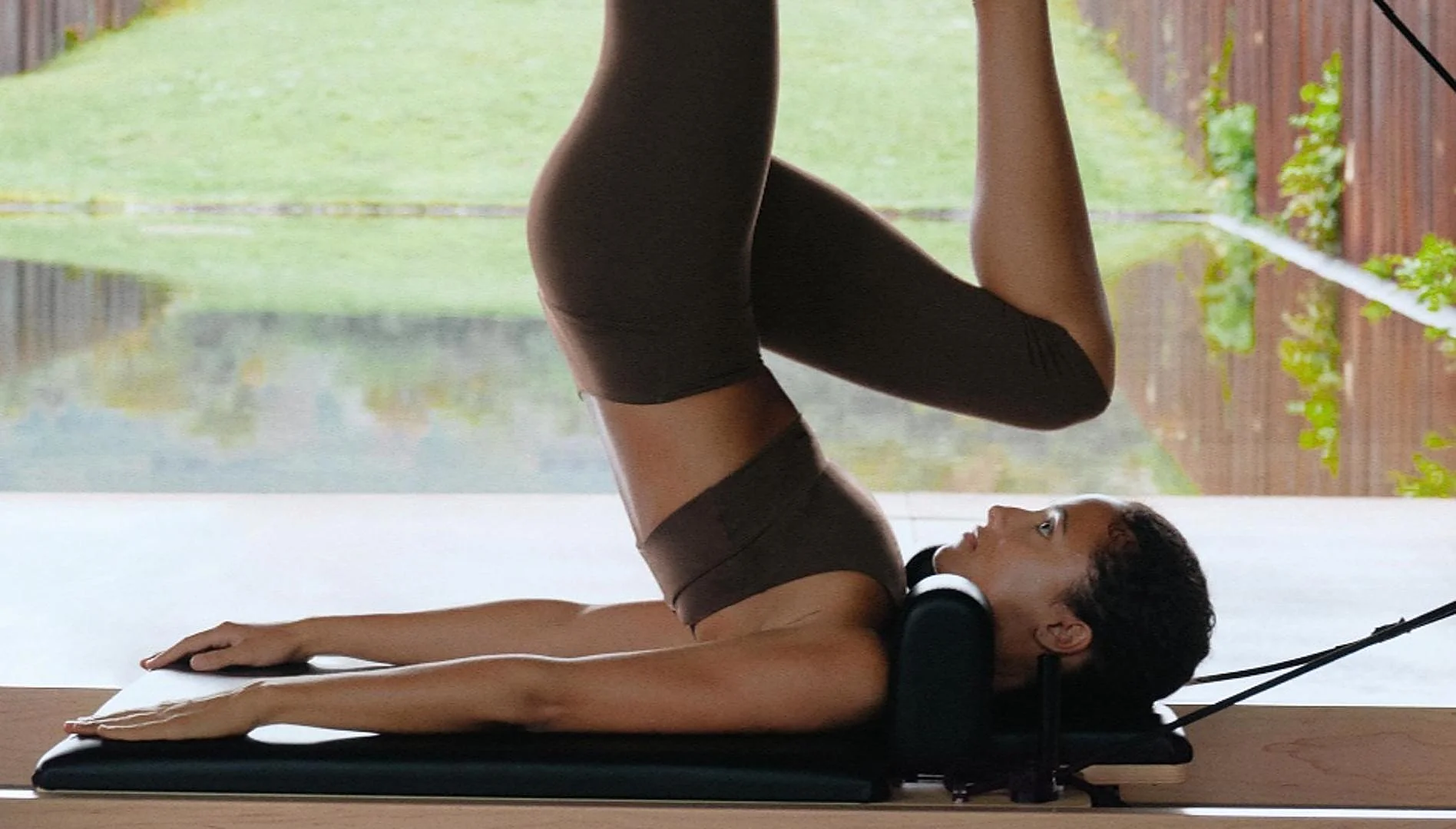
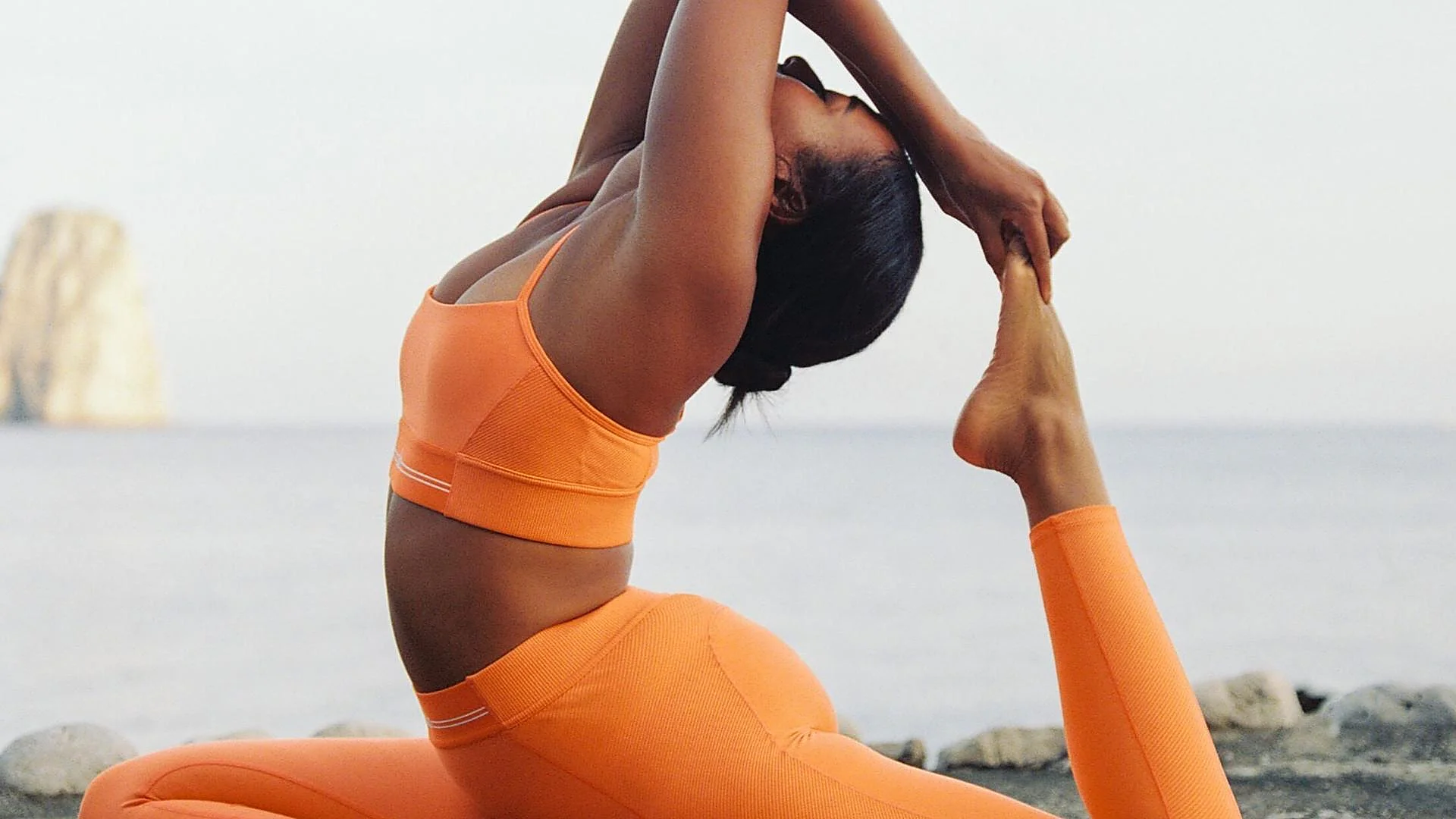
Starting with three Sun Salutations A and three Sun Salutations B is the starting point. “You can begin with three Sun Salutations A and three Sun Salutations B, linking to side triangles, Tree, Dancer, and Warrior 3,” Ballesta explains. Then comes the work on the floor: some forward folds, and the closing with Candle, Plow and Bound Angle Pose and Wide-Angle Pose, a sequence that activates the body progressively without demanding too much from the first minute.
Five minutes of pranayama and savasana crown the session. “Perform five minutes of pranayama and savasana,” sums up Ballesta. That combination of standing postures, floor work and final breathing is what gives the routine its full arc, activating the body first to then let it settle before returning to the day’s pace.
The sequence Ballesta proposes
That order is not accidental: it moves from dynamic to quiet deliberately. Beginning with the Sun Salutations activates the whole body, standing postures work balance and strength while the mind is not fully awake yet, and the floor work, plus inverted postures such as Candle and Plow, gradually reduce the intensity. Ending with pranayama is the logical close of that descent: the body is ready to stay still without resisting.
The best time of day to practice it
Timing matters as much as the sequence itself. “If you can, push your wake-up by an hour, stay fasted or drink only a warm beverage and start your practice before you begin chaining routines,” Ballesta recommends. Doing it before the day starts, without having eaten or started solving tasks, is what enhances the calming effect sought with this routine, before the first obligations of the day begin to demand attention.
Can something so brief truly prepare the body and mind for returning to routine? Ballesta does not sugarcoat it. “Both things are true: it’s too short for a serious practice and, yet, much better than inactivity,” he says. It is not a full session nor does it intend to be, but it serves a very specific function in these early days of September, when the goal is not to progress but simply not lose touch with the practice.
Although he does not rely too much on twenty-minute routines as a real substitute for practice, Ballesta has a clear piece of advice for those who have gone weeks without stepping on the mat: do not wait any longer to start. “Don’t wait for tomorrow,” he sums up. Those twenty minutes a day, however modest, are the bridge between the summer pause and a return to a practice that demands much more.
What matters, according to Ballesta, is not the perfection of each posture but the consistency of returning the next day. Twenty minutes repeated every morning weigh much more in the long run than a single long session done once a week. And that is, precisely, the logic on which the whole proposal is built: small, sustainable and sufficient to not arrive at September completely disconnected from practice.