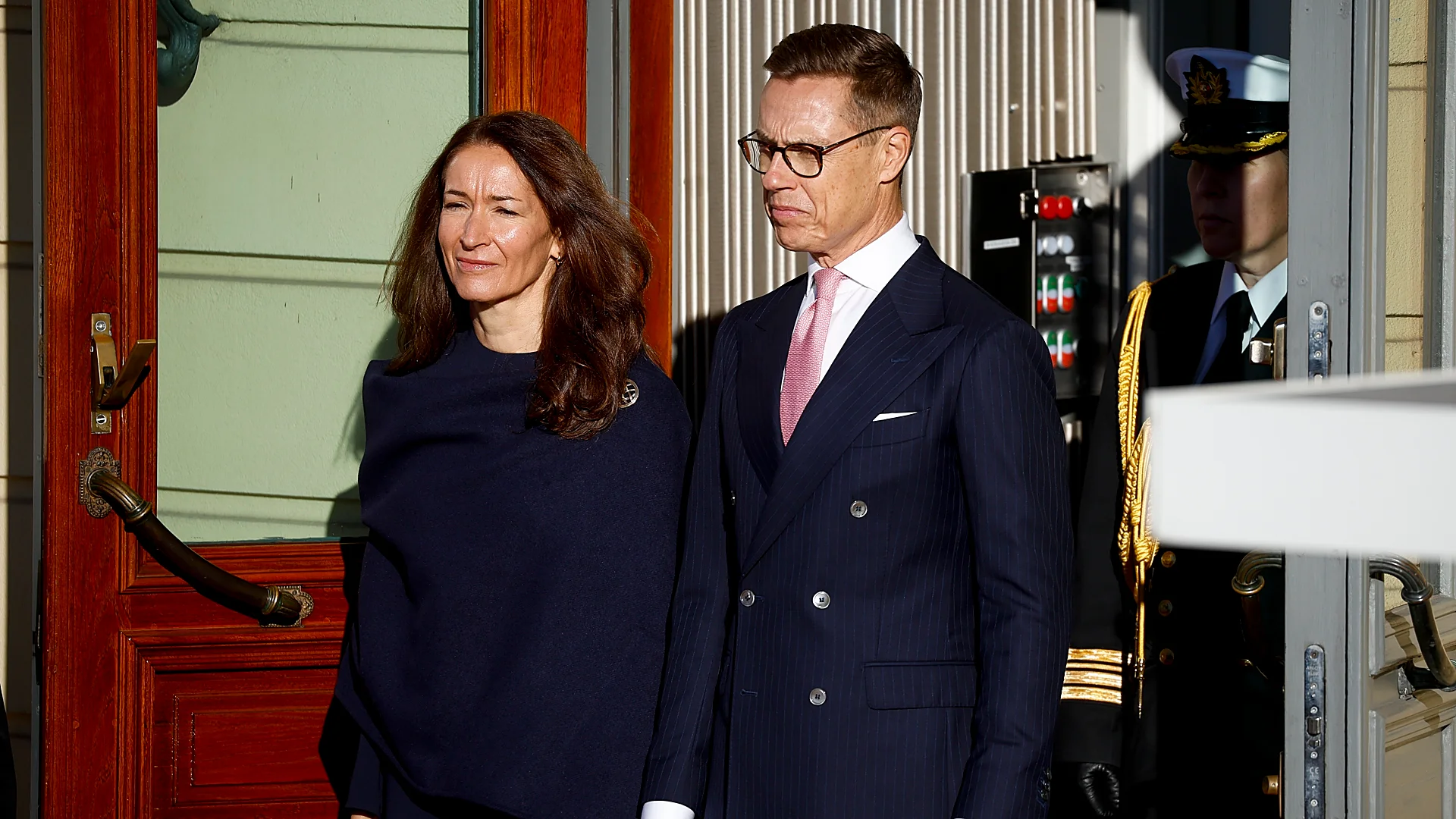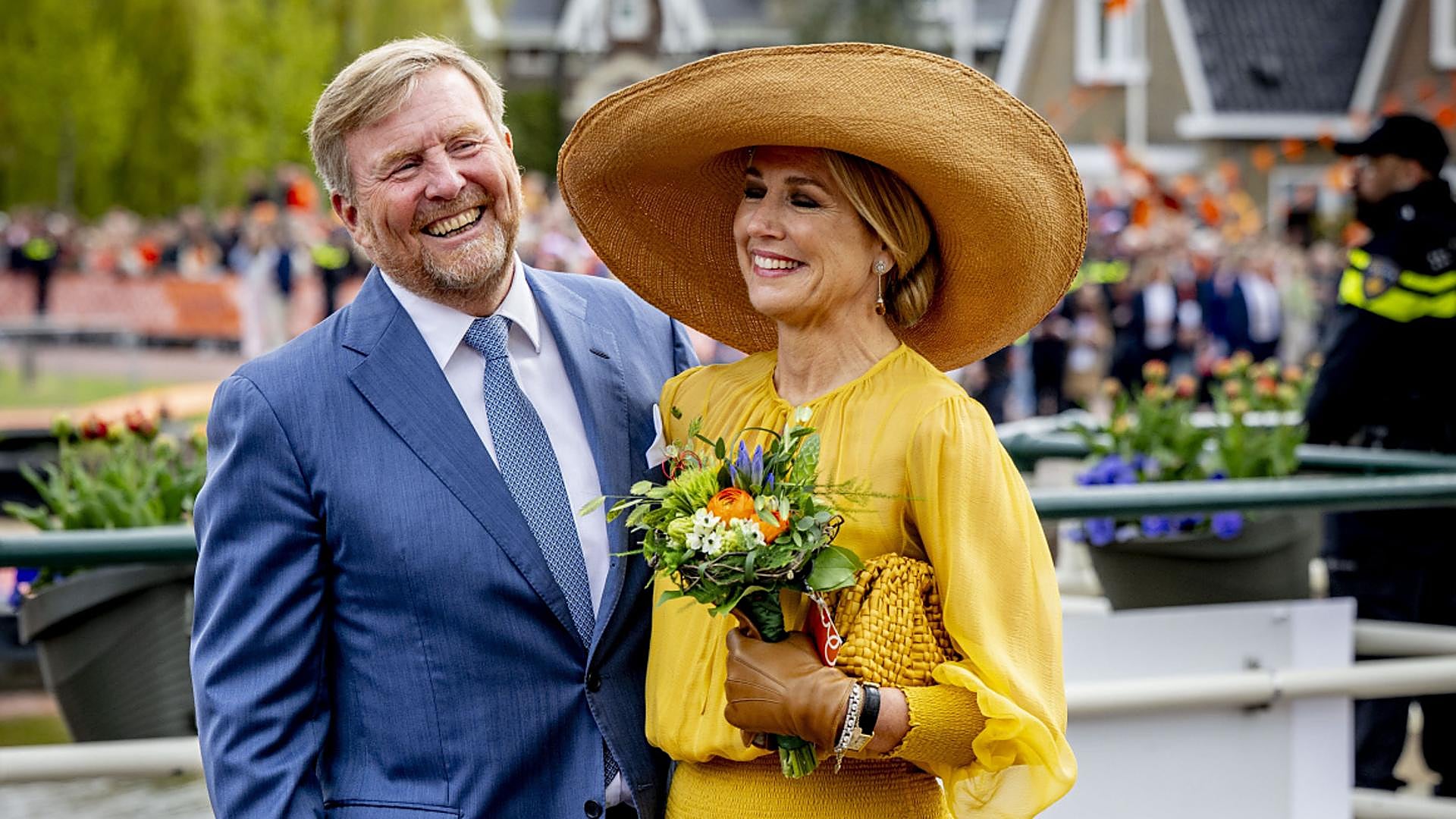
The King Willem-Alexander turns 59 today, in the midst of a rising popularity of the Dutch monarchy. The monarch who earned the nickname Prins Pils (the Prince of Beer) for his student revelries and who settled down after meeting in Seville the Argentine Máxima Zorreguieta, now enjoys renewed devotion from his compatriots. Dutch people have poured into the streets to celebrate his birthday on the traditional Koningsdag or King’s Day.
The Dutch Royal Family celebrates Koningsdag every April 27, coinciding with the monarch’s birthday, in a different city of the country. The choice of the celebration location is made by the Royal Household, and it is usually a place where they can experience local culture and traditions. King’s Day is celebrated in the Netherlands and also in the Dutch Caribbean territories such as Aruba, Curaçao and Sint Maarten.
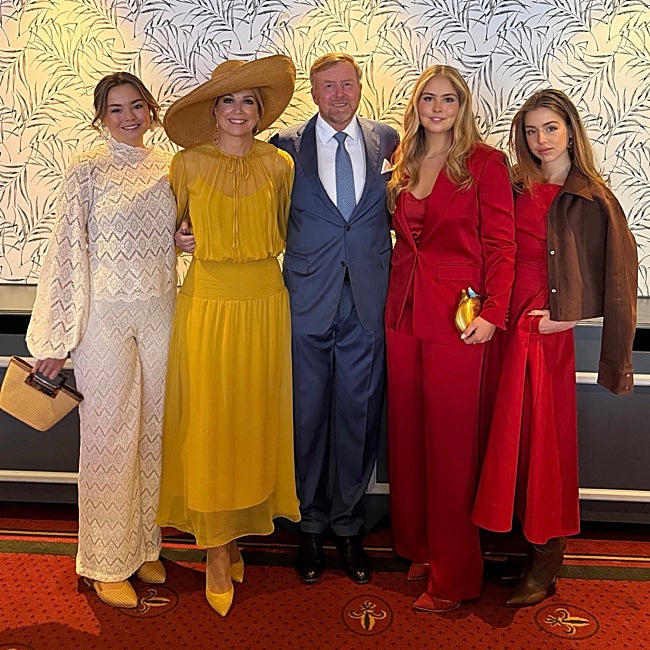
This year, Willem-Alexander, Máxima and the princesses Amalia, Alexia and Ariane have given themselves another mass embrace in the town of Dokkum, in the Friesland region. The day began for the Dutch royal family at the Bonifacius Chapel. From there, Friesian horses escorted the kings and their daughters to the starting point of their tour, to the sound of the national anthem. Music, traditional sports and artistic installations served as a tribute to the royal family in what is considered the world’s largest birthday party.
The city of Dokkum became a hall full of guests to celebrate King Willem-Alexander’s birthday, who did not hesitate to ice-skate alongside Queen Máxima. They also participated in a curious competition. In a boat on the river Dijk was held a contest in which members of the royal family, in teams formed together with local participants, competed against each other with questions about the language, the region and the history of the region.
The history of King’s Day in the Netherlands
The tradition of celebrating the birthday of the occupant of the throne began on August 31, 1885, when the first Princess’s Day was held. On that occasion it was to commemorate the fifth birthday of Princess Wilhelmina. After her coronation in 1890, she continued to celebrate this day until 1948, when she abdicated the throne. August 31 was the last day of school holidays, and Queen’s Day became a popular festival.
Between 1949 and 1980, the former Queen Juliana of the Netherlands celebrated Queen’s Day on her birthday, April 30. Each year on this date, a parade was organized at Soestdijk Palace, where the royal family stood on the steps while the people paraded before them offering gifts. Queen Beatrix, out of respect for her mother, decided to continue celebrating her birthday on that same day, despite the fact that she was born on January 31. The mother of King Willem-Alexander celebrated the occasion by visiting two municipalities of the country.
The Dutch royal family, on this year’s King’s Day.
King’s Day is, curiously, the only day of the year when the Dutch can sell whatever they want and wherever they want, which basically means that the country becomes a giant market. It is also an opportunity for the orange craze to erupt, a kind of public frenzy nicknamed after the national color.
The first Koningsdag of Willem-Alexander and Máxima
On April 30, 2013, King Willem-Alexander was crowned in the Nieuwe Kerk in Amsterdam, in what used to be Queen’s Day, marking a historic transition, as Queen Beatrix ceded the throne and Queen Máxima became queen consort. This landmark event for the Netherlands redefined the essence of Koningsdag. That year, the king Willem-Alexander received the Book of Dreams, a gift from his country bearing the wishes of its citizens for his reign.
Due to the coronavirus pandemic, the King’s Day celebrations were canceled in 2020, including the planned royal visit to Maastricht. Instead, an alternative program was broadcast to stay at home, with a national anthem sung simultaneously and a national toast, while King Willem-Alexander addressed the Dutch people from the Royal Palace.