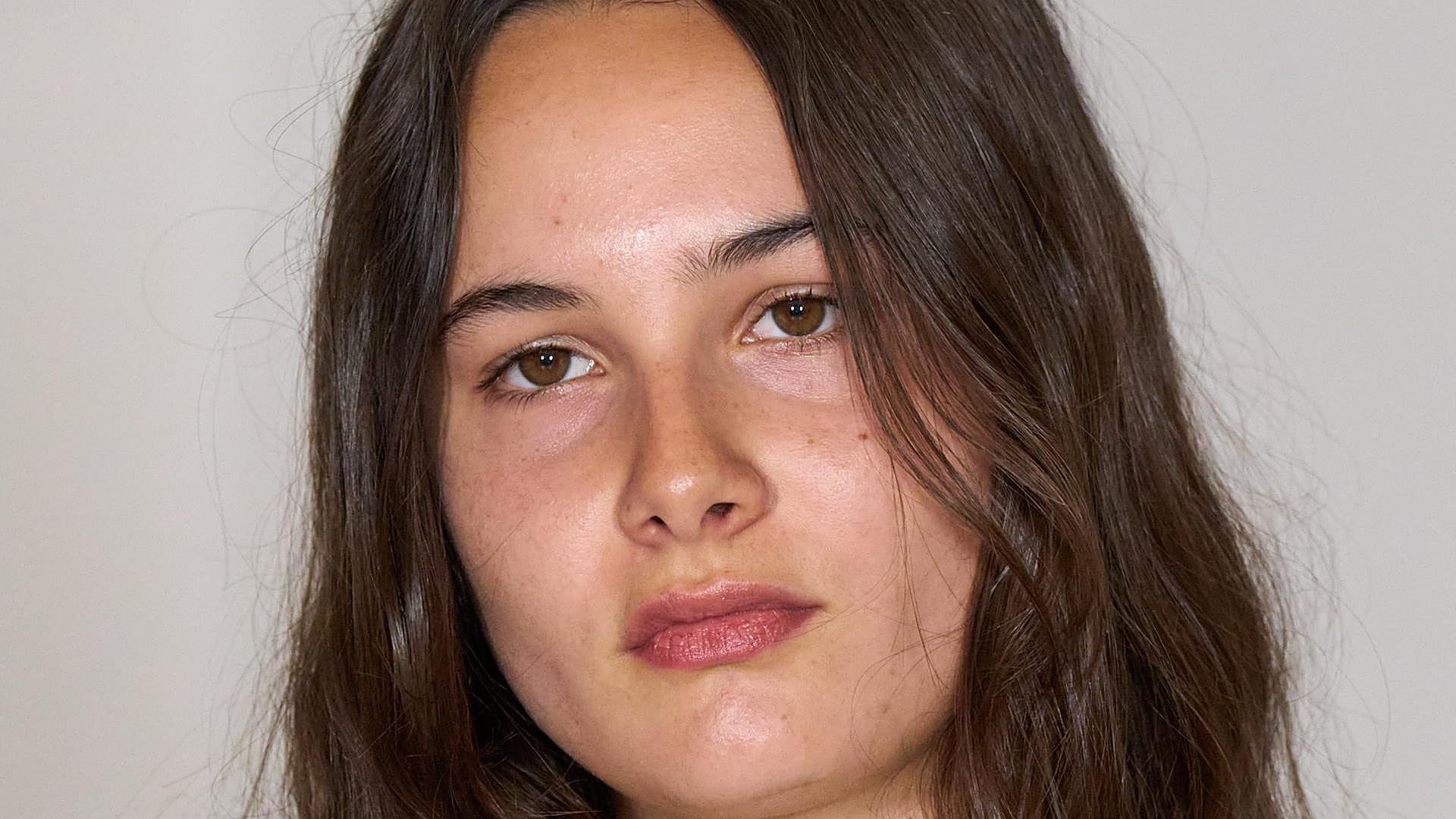
Sleeping is not just an act of rest, it is a key biological process for the regeneration of the body, and the skin is one of the tissues that reflects this most. During the night, the body activates cellular repair mechanisms, increases collagen production, and improves cutaneous microcirculation. Therefore, sleep quality has a direct impact on the appearance of the skin, influencing its radiance, firmness, and ability to defend itself against external aggressions.
When rest is insufficient or of poor quality, these processes are altered. The skin can become duller, dehydrated, and prone to inflammation, while signs such as dark circles, bags, or expression lines increase. Moreover, sleep deprivation raises cortisol, a stress-related hormone that accelerates collagen degradation and weakens the skin’s barrier function, promoting sensitivity and premature aging.
Insomnia and skin, what happens?
The skin is one of the most affected when we sleep poorly. «When we don’t sleep enough, our skin notices it almost immediately. It slows down cellular regeneration, collagen and elastin productiondecreases and the skin barrier weakens, causing dehydration and greater sensitivity» explains Nohemí Bermúdez, expert in nutricosmetics and founder of Mímate Cosmetics. She adds Dr. Elena Martínez Lorenzo that «poor sleep is not only tiredness, it is a stress that impacts on several levels and causes a skin that is «duller, more reactive and aged».
Restful sleep can be considered a biological cosmetic; the dermatologist considers it that «the cheapest cosmetic that exists because during sleep DNA repair levels are activated, collagen synthesis increases, and cutaneous microcirculation improves». Another advantage is that «hydration and barrier function are regulated». Nohemí Bermúdez emphasizes that «sleeping well enhances the efficacy of the products we use, because the skin is at its optimal moment of absorption and repair», which means that «sleeping is not just resting, it is a direct investment in the health and beauty of the skin».
Skin regeneration
During sleep, skin regeneration is activated. What is the best moment for our sleep? For Bermúdez, «the biggest peak of regeneration occurs during the first hours of deep sleep, roughly between midnight and three in the morning». She considers that «during this period, the growth hormone and melatonin are at their peak, favoring cellular repair and collagen synthesis. That is why going to bed late or fragmenting sleep significantly reduces the efficacy of these processes».
This is, as explained by Dr. Martínez Lorenzo, «aligned with the circadian rhythm and the release of melatonin». Its most immediate negative effects would be «dull tone and a grayish-looking skin, reduced radiance, more pronounced dark circles (vascular and pigmented), periocular edema (bags), drier skin and more visible fine lines». Bermúdez from Mímate Cosmetics adds «mild inflammation that accentuates redness or breakouts» and «over time, these effects add up to more pronounced wrinkles, loss of firmness, and skin with less radiance».
Cortisol and skin conditions
The increase in cortisol, known as the stress hormone, is activated by lack of sleep. Therefore, «it has a direct effect on the skin» because «it degrades collagen and elastin, accelerates the appearance of wrinkles, increases inflammation and weakens the skin barrier, generating dryness and sensitivity». The professional notes that «lack of sleep becomes a factor of accelerated aging».
Skin conditions can also be affected by the rise in cortisol and sleep deprivation. This means, as dermatologist Elena Martínez Lorenzo points out, that in acne-prone skin, «inflammation will increase and more sebum will be produced», in those with rosacea there will be «greater vascular reactivity» and in those with atopic or seborrheic dermatitis, «the barrier function will worsen and there will be more itching».
Circadian rhythm and actives
Does it make sense to adapt our cosmetic routine to circadian rhythms? «Yes, absolutely. The skin has a daily biological rhythm: during the day it needs protection against aggressors such as the sun and pollution, while at night it enters a phase of regeneration and repair» she says. Therefore, she believes that «adjusting the products to these times maximizes their benefits: antioxidants and daytime SPF, repairing and hydrating actives at night».
As for the best actives to use at night, these are «retinoids because they stimulate collagen and cellular renewal, alpha-hydroxy acids because they exfoliate and improve texture, or peptides and growth factors because they promote repair» explains Dr. Martínez Lorenzo. At night, the professional also considers «hyaluronic acid because it promotes deep hydration and niacinamide for its anti-inflammatory and reparative effect». By day, we can also incorporate beneficial actives such as «antioxidants (vitamin C) because they neutralize free radicals, photoprotection which is essential, and light moisturizers that help maintain barrier function».
Products for nighttime skin repair
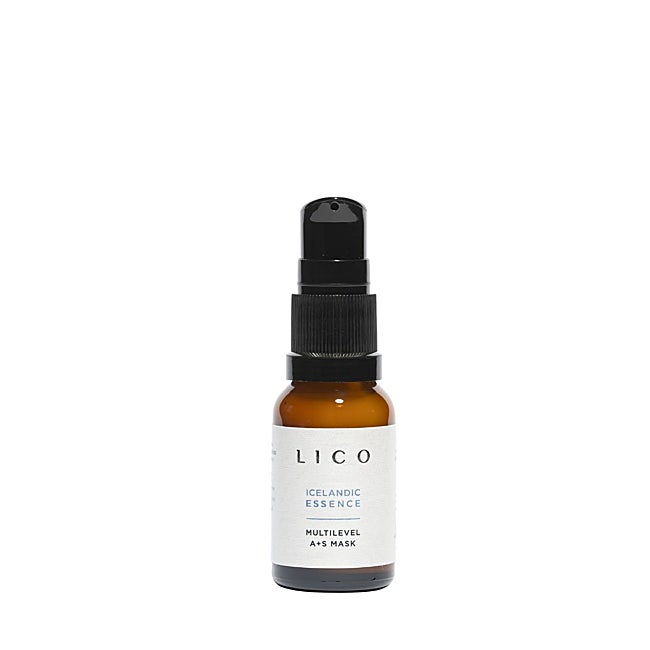
Multilevel A+S Mask by Lico.
Lico
Multilevel A+S Mask is a nocturnal mask indicated for the under-eye contour that does not require rinsing. Reduces signs of aging and is for daily use. Its formula contains vegan hexapeptides or extract of Japanese lichen. (48.90 euros)
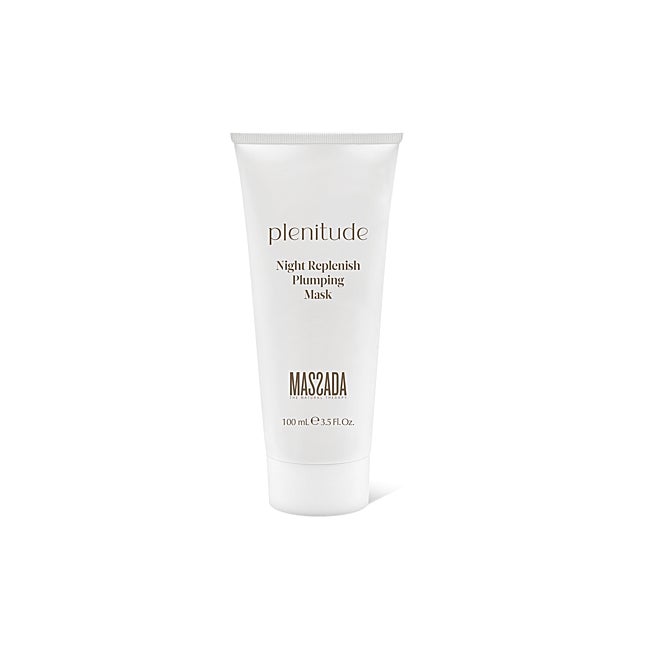
Night Replenishing Plumping Mask by Massada.
Massada
Night Replenishing Plumping Mask is a nocturnal mask with a plumping effect that redefines the face and facial contours. Its formula contains biotechnology collagen type I with toning and firming effects. The skin is firmer and more plump. (126 euros)
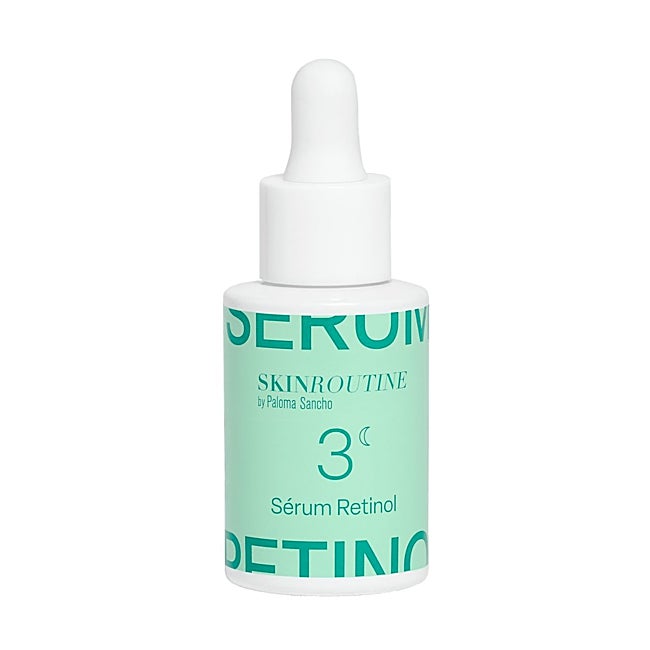
Night Serum with Retinol by Skin Routine by Paloma Sancho.
Skin Routine by Paloma Sancho
The brand, which has just reformulated its products, offers a nighttime retinol serum. It contains soothing actives that regenerate the skin during sleep hours. It also provides radiance and firmness. (48.95 euros)
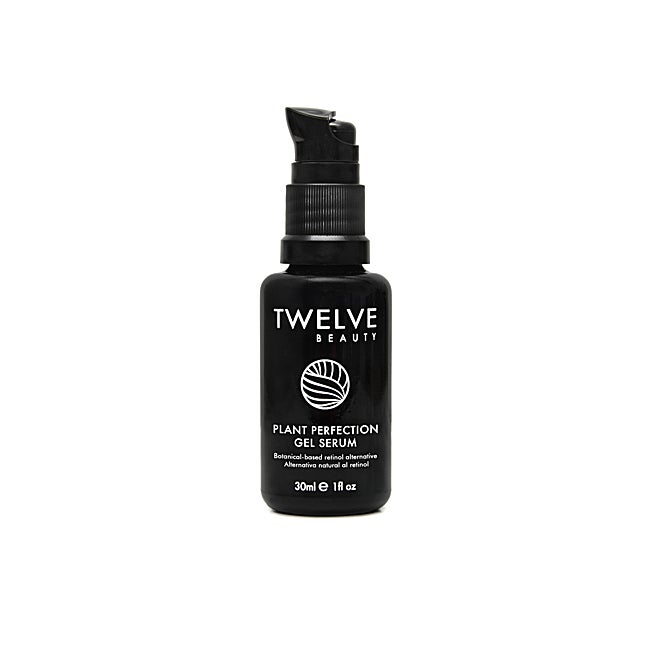
Plant Perfection Gel Serum by Twelve Beauty.
Twelve Beauty
In gel format, Plant Perfection Gel Serum improves the face, while targeting the jawline, chin, and neck. Transforms the skin from the first application. (96 euros)