
At seven in the morning the alarm goes off. And, even before breakfast, Carmen opens the first drawer in the kitchen barely awake to begin the daily ritual: vitamin D because she barely gets sun, creatine to perform better in training, protein powder in the morning smoothie because she doesn’t meet the minimums, and collagen and zinc because someone on TikTok claimed they were excellent for the skin. In the evening magnesium will arrive to sleep better. And, at some point during the day, perhaps, also probiotics or melatonin.
The beauty kit is no longer a case of cosmetics and makeup, but it has grown with a colorful pill organizer (so that it remains photogenic) where she stores everything that cannot be missing, not even when traveling. Supplementation has ceased to belong solely to the world of sport to settle into the daily routine of anyone who wants more energy, better sleep, more focus, improved skin or simply “to optimize.” This new trend has turned supplementation into a symbol of self‑care. But what is really necessary to take? The experts clarify it.
Andrea Crespo, nutritionist and assistant director at the Six Harmonies center, believes that the boom in supplementation reflects a society obsessed with constantly performing at maximum. “We have disconnected from the fundamentals. We seek immediate results and we see the supplement as a quick solution,” she explains. For her, the problem isn’t the supplements themselves, but the expectations we place on them. “No supplement works as well by itself as when it is accompanied by good habits,” she notes. Another cause she mentions is the growth of the wellness industry.
But she also points to a deeper problem: “We live in a silent epidemic of insulin resistance, chronic inflammation, and real nutritional deficits. And, instead of tackling the cause, we look for the patch.” That’s why she insists that longevity does not come from accumulating supplements; what really matters is taking care of our lifestyle. “Blue zones show us that living longer has nothing to do with a pillbox of supplements, but with sustained habits over decades,” she adds. She also emphasizes that capsules do not replace lifestyle or fix bad habits. “Chronic stress, fragmented sleep, and ultra-processed eating are the great enemies of health. And no supplement resolves them.”
She also warns about the role of social media, which have turned very individual solutions into universal trends: “Health is not a trend. You may be taking the best probiotic on the market and not absorb it well if your microbiota is not prepared for it.” That is why she insists that symptoms such as fatigue, hair loss, or a lack of energy should not be self-diagnosed or resolved directly with supplements. “Blood tests first; supplement, later,” she reminds. “That doesn’t mean that all of them are useless,” she continues. According to her, those with the most scientific evidence are vitamin D, omega-3, creatine, certain probiotics, and magnesium. But she also questions some of the star products in the beauty universe. “Many in the form of gummies contain more sugar than active ingredients,” she asserts.
The Pursuit of Perfection
For Vikika Costa, personal trainer and founder of Grow Nutrition, the big change came when supplementation left the fitness environment and began to form part of everyday wellness routines. “We see supplements associated with energy, rest, digestion, skin… Social media accelerated it a lot. Supplements even become part of the wellness aesthetic: they appear in viral routines, podcasts, or ‘what I take in a day’ videos,” she explains. The trainer believes we have moved from a culture of neglect to another of constant hyper-optimization. “Sleep perfectly, eat perfectly, train perfectly… and supplement perfectly. That can also generate anxiety.”
And the line between taking care and obsessing appears when wellness, instead of bringing balance, generates guilt. “When you feel you need to control every detail to feel good, you are probably not talking about good health anymore.” In the sports world, she notes that the supplements with the most evidence remain fairly basic: protein when daily requirements aren’t met, creatine, omega-3, magnesium, or vitamin D in case of deficiency. And she explains that creatine no longer belongs solely to bodybuilding: “Now it is also taken by people who want to preserve muscle mass or even improve cognitive function.”
But she agrees with nutritionist Andrea Crespo on the importance of knowing that no supplement can substitute healthy habits or mitigate unhealthy ones. “You can have the best magnesium in the world, but if you sleep five hours and live under stress, it will do you little good,” she stresses. She also believes that TikTok and Instagram have contributed to turning any product into essential. “When a supplement goes viral it seems that, if you don’t take it, you’re missing the ultimate secret. An outright mistake,” she concludes.
The Risk of Excess
Dr. José Viña, longevity expert and advisor for Solgar, believes that the rise of supplementation is also linked to how our understanding of health has changed. “In the 20th century it was enough to meet the minimum to grow and avoid diseases. But today we seek something more: to reach old age with good quality of life and in the best possible conditions.” From that perspective, he thinks some supplements can make sense, especially in older people.
“It’s difficult to obtain all nutrients in optimal quantities exclusively from the diet.” In fact, he notes that around 40% of people over 65 have protein deficits. He also mentions small vitamin deficits that, although they do not cause serious diseases, could accelerate aging. Still, he insists that supplementing should not become an automatic practice. “Supplements are active and must be used under medical supervision and in a personalized way.”
Although the risk of mixing several is usually low, he notes that some nutrients can accumulate in the body. Fat-soluble vitamins such as A or D can be problematic in excess. The mistake is thinking that longevity depends on capsules: “There is no supplement that can compensate for bad habits. Regular medical checkups, good sleep, a balanced diet, and exercise have more impact than any miracle formula.”
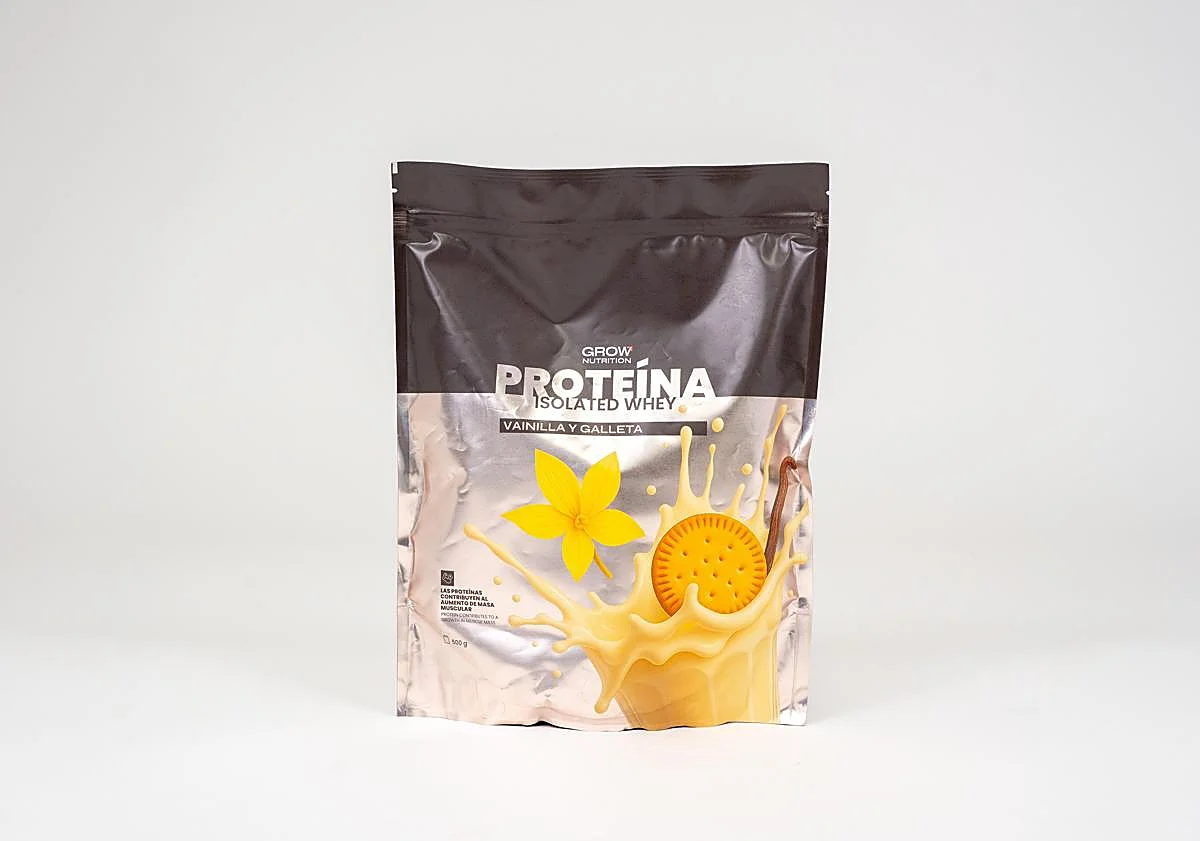
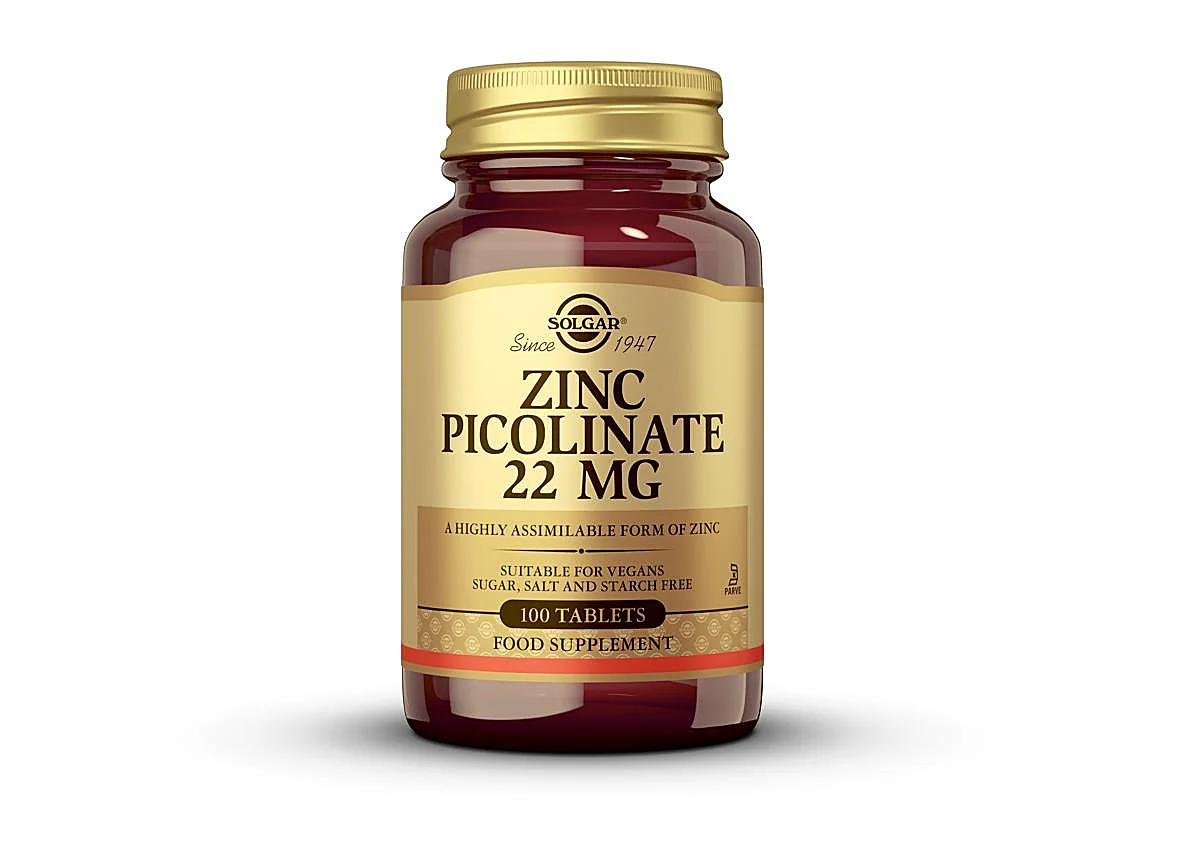
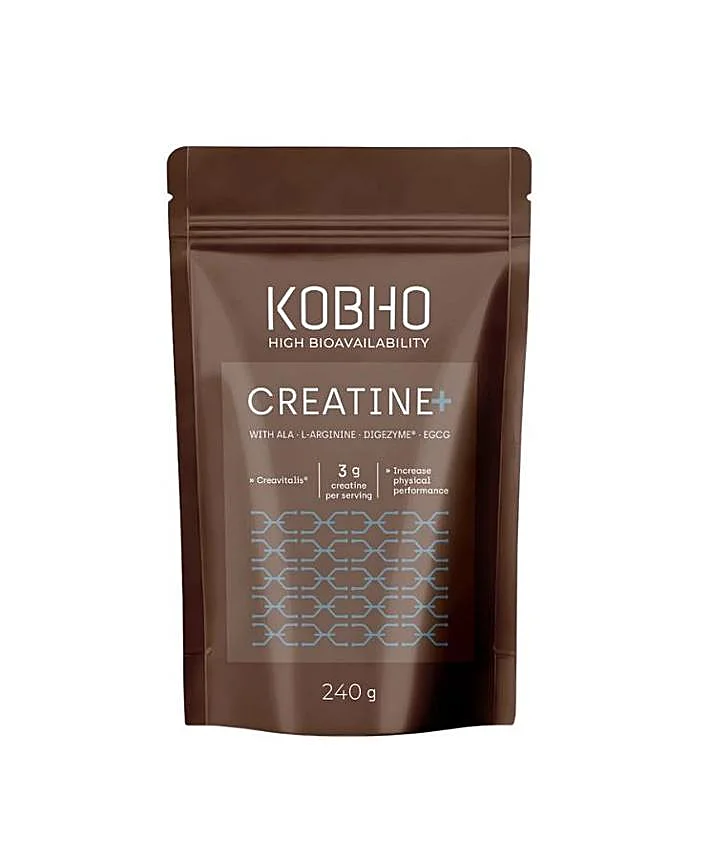
Vanilla and Cookie Protein (29,99 €), from GROW NUTRITION. Contributes to the maintenance and development of muscle mass; and supports recovery after exercise. Zinc Picolinate (19,56 €), from SOLGAR. Supports the maintenance of skin, hair, and nails and provides protection to cells against oxidative damage. Creatine Plus (31,95 €), from KOBHO LABS. Combined with exercise, helps reduce oxidative damage and inflammation, while improving strength and cognitive function.
How to take them
Simply taking a supplement does not guarantee that the body will absorb it properly. Andrea Crespo, nutritionist and assistant director at Six Harmonies, recalls that the way it is consumed directly influences its absorption. Vitamin D, for example, is absorbed better when taken with a meal containing fat and is often recommended together with vitamin K2, while iron improves its effectiveness when taken with vitamin C. She also warns that not all magnesium forms are the same: some forms are used more for rest and others for energy or digestion. “Timing and method matter as much as the what,” she summarises.