We want to monitor everything. The time we wake up, when we go to bed, the quality of sleep, what we get out of every training, and the health of our heart. An accumulation of data that, in the context of a healthy lifestyle, allows us to anticipate many diseases, even before the first symptoms appear.
“I discovered that I had an infection because the resting heart rate, or the heartbeats at night, did not fall as much as they should when you are not moving. And that tipped me off that there could be some health problem,” confessed the psiconeuroimmunologist Xevi Verdaguer at WeLife Longevity Madrid.
Other times these data tell us whether we’ve rested and are ready for an intense training session. Or whether it would be better to ease the load for a day and opt for active rest. Which does not mean stopping physical activity, because, as the CSIC researcher José Luis Trejo stresses, “physical activity not only benefits the cardiomuscular system. It also drives neurogenesis and improves our longevity”.
So we want to do more physical activity and monitor ourselves better, and we need smartwatches up to the task not only of athletes but of people who take care of themselves 24 hours a day.
Don’t Skip the Daily Report
We live in an increasingly competitive society, we squeeze every second of the day to the max and demand that our watches be able to keep up with that pace.
Of course, we expect the battery to last as long as ours, to accompany us in the sports activities we love the most, and to deliver a daily report of our achievements in an easy-to-read app with evolution graphs. A report that, by the way, is preferably consulted the following morning to plan the day well and not at the end of the day. “Looking at the phone just before sleep sends a contradictory message to the brain. That blue light inhibits the secretion of melatonin, essential for falling asleep,” stated Gregorio Mora, sleep expert at ASISA WeLIfe Longevity Gijón.
With that information on the table and the clear brain after a night of restorative sleep in which the glymphatic system has removed all waste, it’s time to get moving. It’s time to check how we are absorbing the training and determine whether we continue with the coaching plan proposed by the trainer, or there are small variations to incorporate.
It’s also the moment to compare outdoor activities with the weather information to know if we’ll get wet in our running session or if there will be a blistering sun when we take out the bike.
And all that information we want to have accessible on the smartwatch and in the app.
Beyond Speed and Time
The first smartwatches were designed with running and road cycling in mind, two sports with metrics fairly stable during execution. There are no hard turns, no jumps, no changes of trajectory or overly abrupt slopes that force the GPS to recalculate the route and measure acceleration constantly. Little by little other sports with more complex executions have been incorporated.
Case in point skiing and snowboarding, both outdoor and indoor. The athlete wants to know maximum speed, average slope, total descent, the turn angles…
In running, vertical oscillation and ground contact time also matter, two key indicators to detect fatigue. In trail or cycling, it is valued to carry maps on the smartwatch so you don’t have to check the route on the phone (time is wasted pulling it out of the pocket or having to search in the app).
Engineers, Hands on Deck
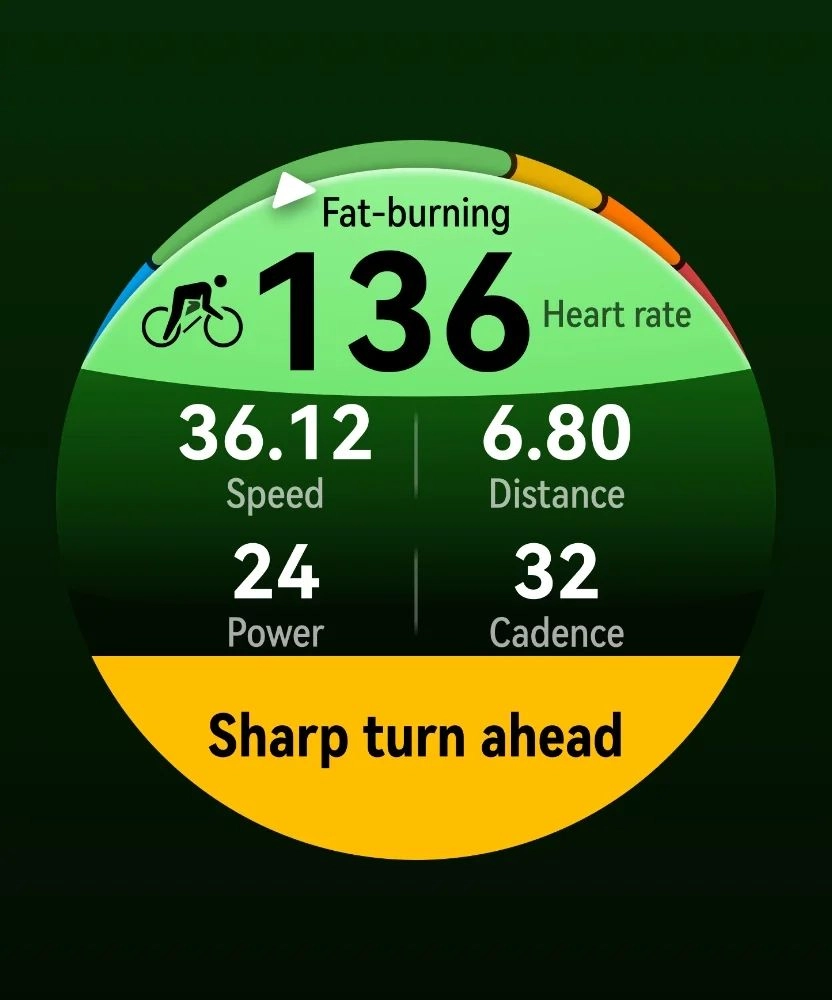
These demands compel engineers to incorporate more complex systems with more options for safer training. One of the findings that most contributes to optimizing performance are the terrain alerts that the new Huawei Watch GT 7 incorporates. This option notifies when there is a nearby steep incline or how many meters of ascent remain.
This information helps to optimize the management of efforts to avoid depleting glycogen stores too early. It also enables incorporating a nutrition strategy in the race tailored to the actual terrain relief. Thus energy substrates are optimized and gastric discomfort from taking a gel just before starting an ascent is avoided.
Skiing with All the Information
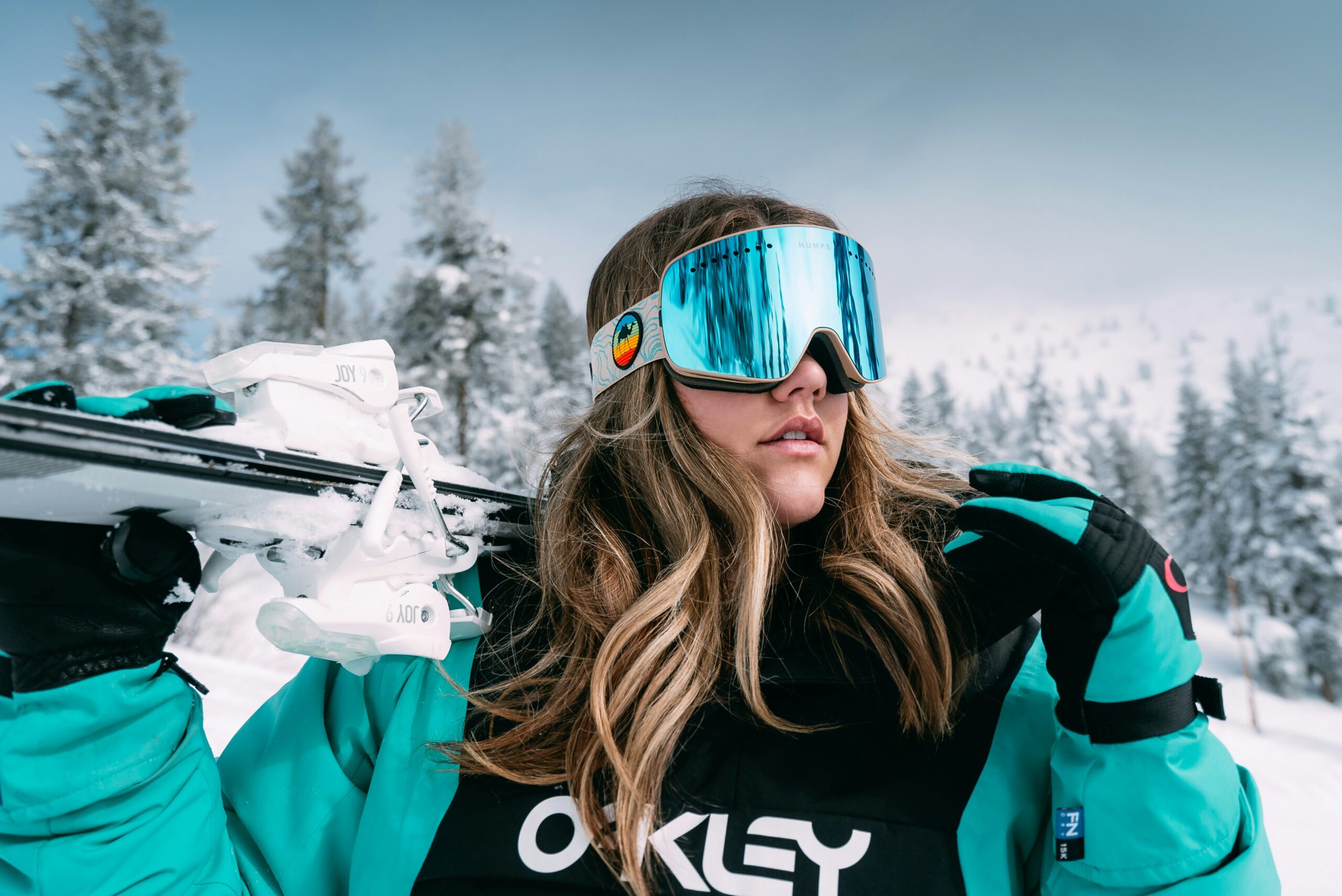
Skiing and snowboarding share several common points: high speed, very quick and abrupt turns, and natural slopes of highly diverse configuration. It is not easy to optimize training in such varied environments, nor to compare results obtained on slopes with such diverse characteristics.
To help planning, the Pro model of this new family of watches incorporates the information from more than 3,000 ski stations, with their location on the map and the level of difficulty.
Moreover, it is the first wearable that records and structures data from indoor skiing, a activity increasingly common in the great cities.
The Danger Is in the Backpack
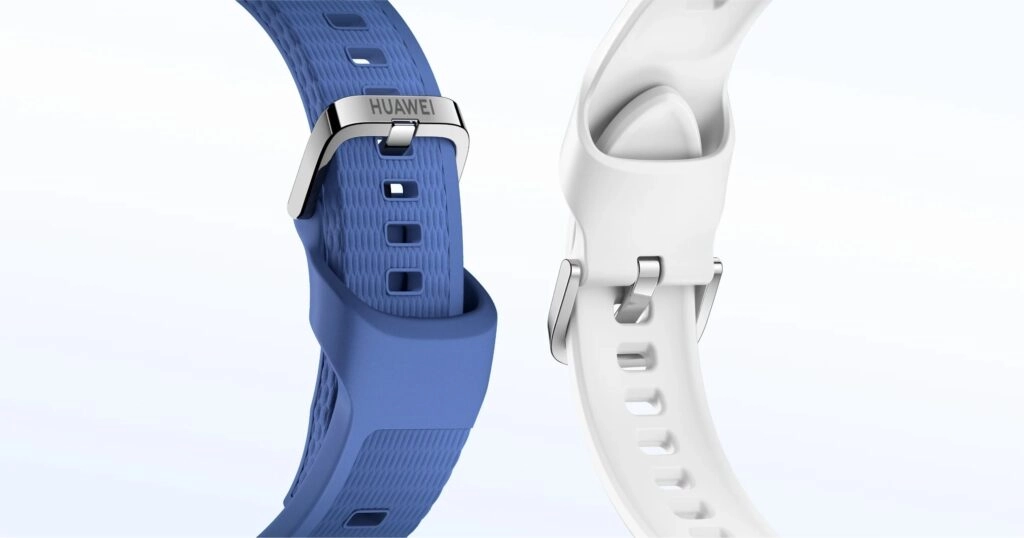
Those of us who use a smartwatch to exercise know that its Achilles heel is usually the strap. The one that gets snagged when you reach for something inside the backpack, that gets stuck with the Velcro or has a loop that hangs and ends up favoring the watch coming loose when you least expect it. Personally, that has years been my greatest nightmare when paddle surfing or running in the mountains.
The engineers of the Korean firm have also noticed that small detail and have designed the EasyCross strap, with a perfect fit, robust and secure even when you subject the wrist to a hostile environment.
Goodbye to the risk of snagging when you remove gloves or ski boots.
Battery Built for Long-Distance Competitions
When I ran my first marathons I remember that one of my great worries wasn’t the famous ‘wall’, nor accumulating too much lactate in the muscles. It was that the watch would run out of battery before crossing the finish line. The profusion of data generated by a GPS in a race is a true battery hog and that greatly limited the ability to participate in ultrarunning events safely.
Over time they have improved, but it remains one of the areas with the greatest room for improvement. In this regard, some devices of the new Huawei Watch GT 7 Series lineup feature a silicon battery that offers up to 21 days of autonomy with light use (12 days with typical training use and up to 51 hours in trail running mode).
A time that is more than generous and allows you to venture calmly into very long events, such as the Ultra Trail du Mont Blanc (UTMB), without fear of running out of battery. Or without knowing your exact location. To this end they have developed the Sunflower Positioning System and the AI-XDR algorithm, which eliminate signal interference. Even in remote and rugged terrain it is capable of geolocating you, avoiding the dreaded disorientation in high mountains.
For the most demanding athletes, there is even a battery replacement service if it falls below 85% in the first two years.
These are details that won’t win you an Olympic medal, but they help improve results. The technology already exists. Now it is up to us to move.