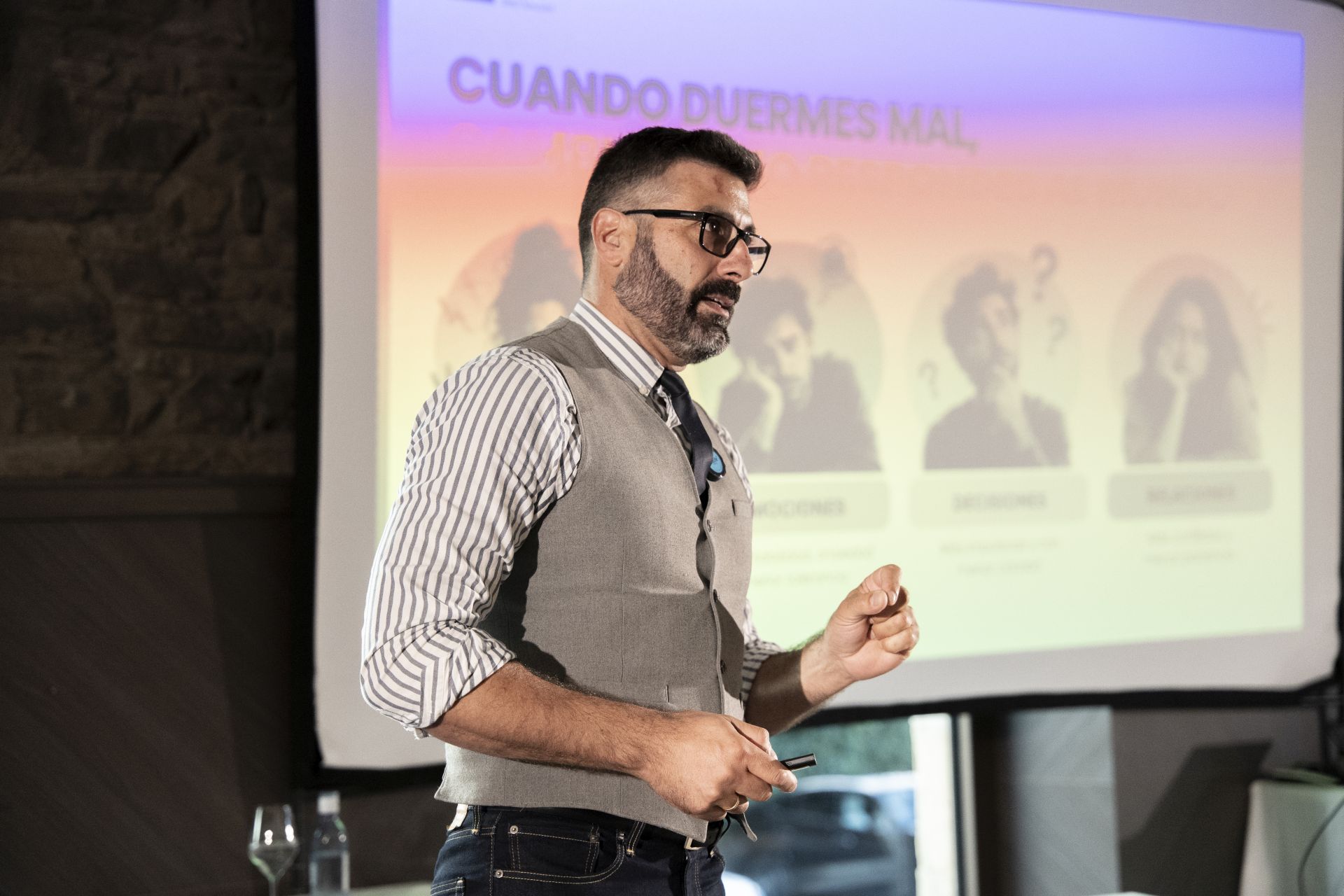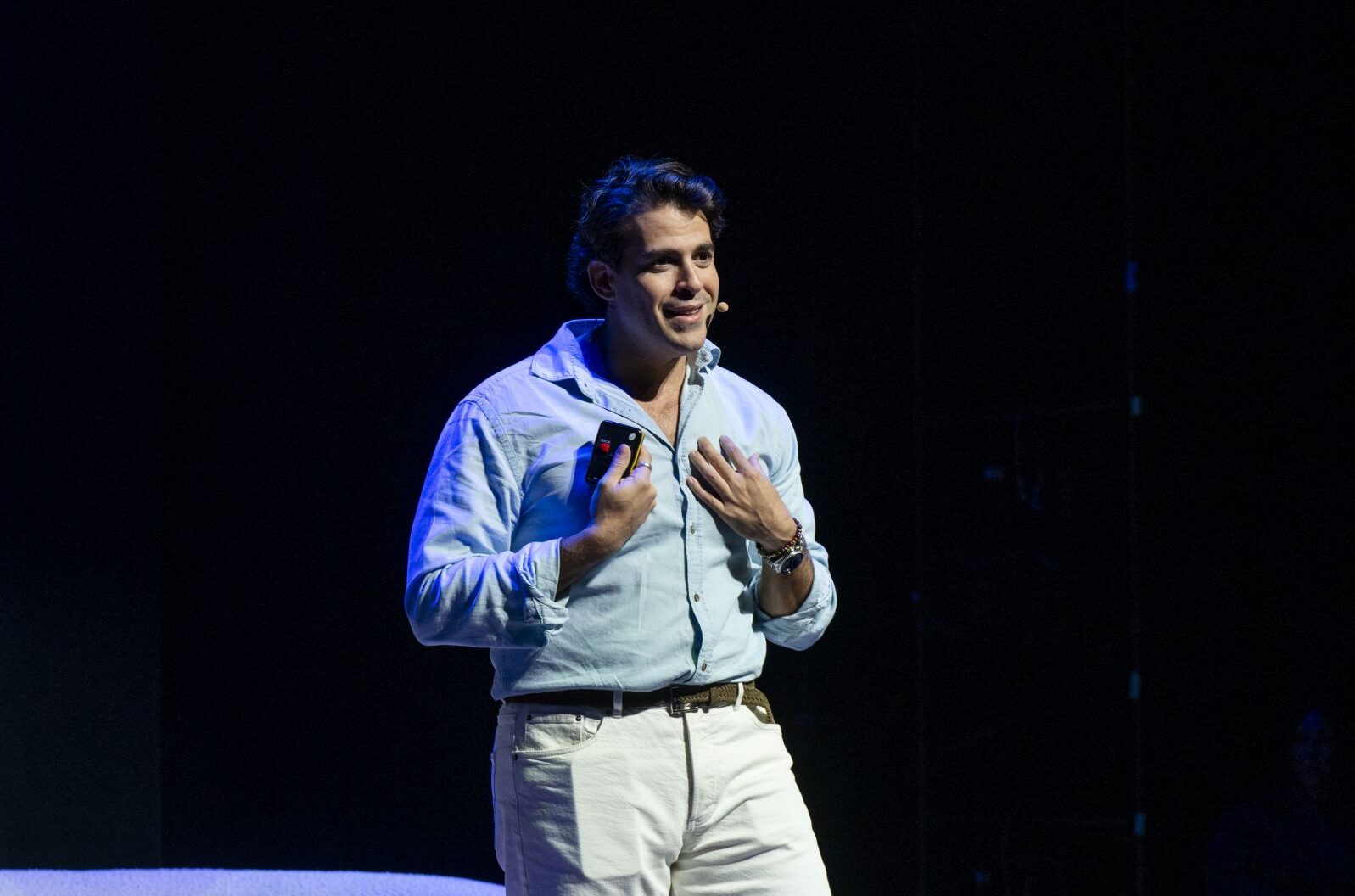
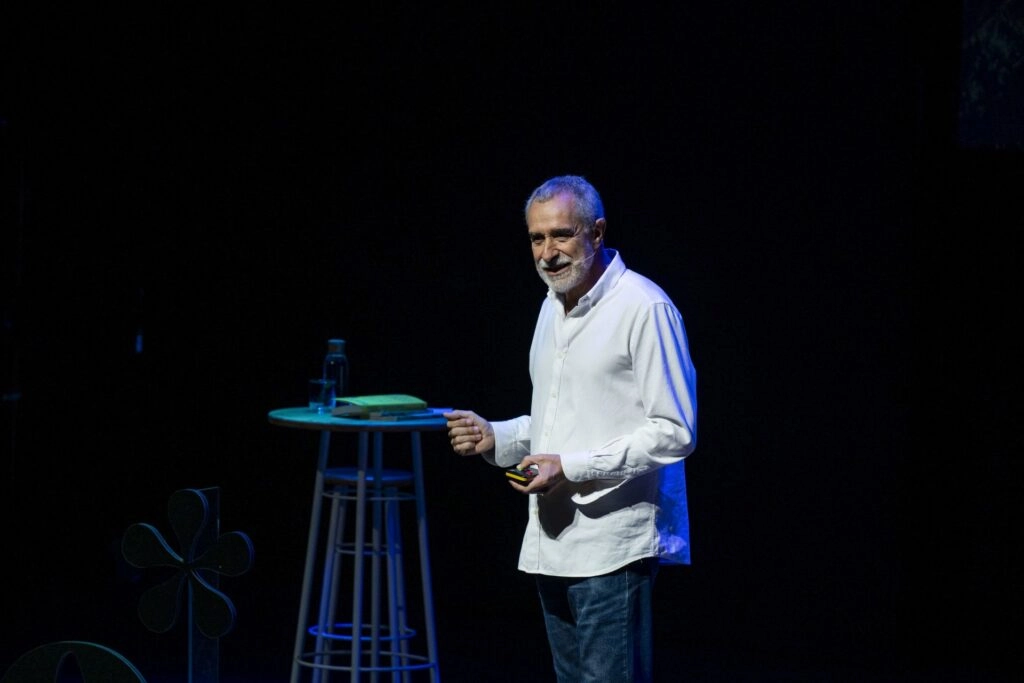
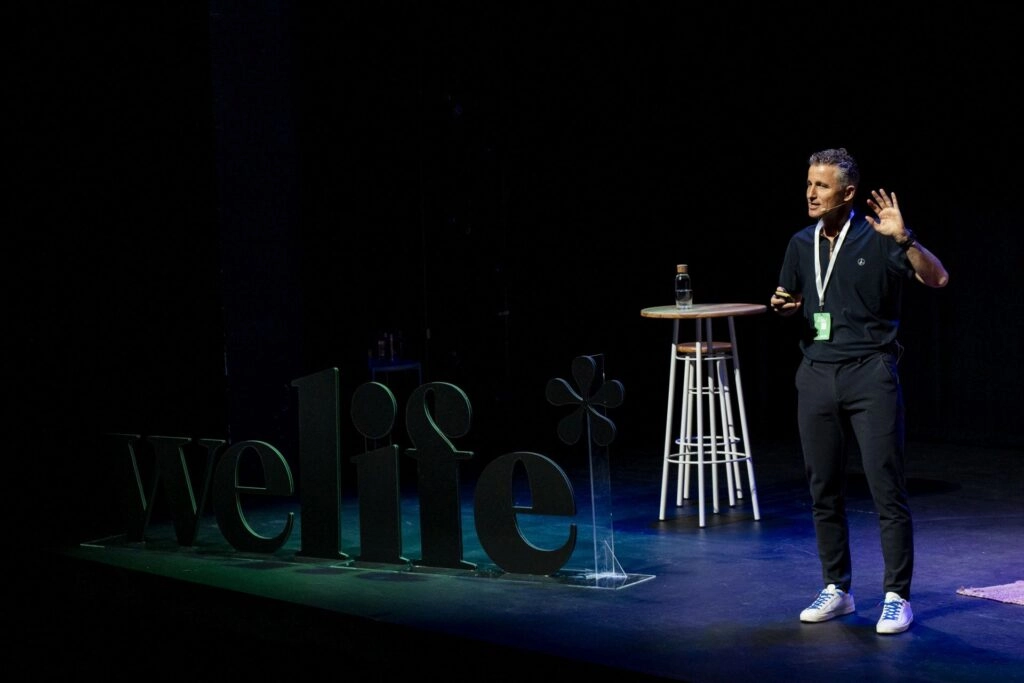
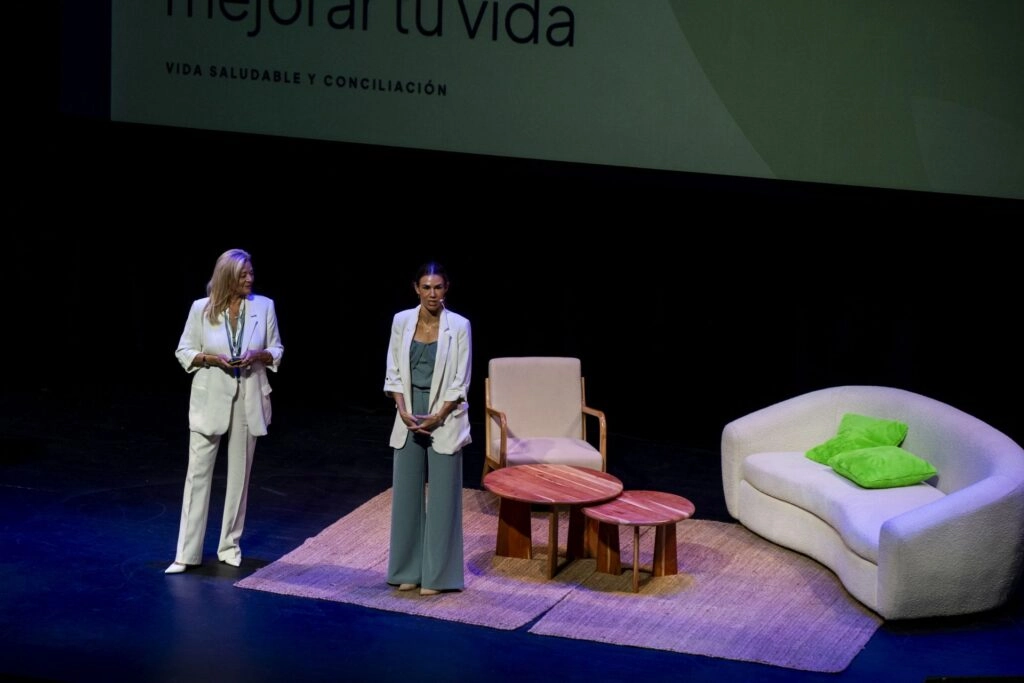
“The difference between a better life and a worse life is what dwells in our mind.” This was how decisively economist and speaker Cristóbal Amo presented himself, opening the sixth edition of WeLife Festival on October 24 with a talk about purpose and motivation at the Real Teatro de Retiro (Madrid).
There is something paradoxical about our relationship with well-being: we have never had so much information about how to take care of ourselves, and yet it is increasingly hard to discern what is worth listening to. Therefore, in the initial welcome, the head of the WeLife section, Salomé García Gómez, urged attendees to ask the speakers questions after their interventions or during book signings.
That is the close‑knit spirit of WeLife Festival 2026, already established as a must‑attend date on the calendar for all who want to learn how to care for themselves physically, but also emotionally.
This new edition of the gathering organized by WeLife and Vocento — with sponsorship from Flavia, Intimina, Lepas, L’Oréal, Petit Bambou and Malta Tourism, and with collaboration from Alma Secret, Komvida, Linwoods, Macami, Suprey, Dr. Jart, Ancient & Brave and Huawei — once again brought together researchers, doctors, nutritionists, psychologists and science communicators to address some of the big questions about well‑being.
Our Main Value
“Transformation comes first, feeling good…”, continues the speaker Cristóbal Amo, “then the results follow.” This is precisely the idea behind the Conscious Wealth Manual. That kind of mental guide that tells us that “freedom is not possible if you care what others think about you” and that reminds us that the greatest value we have right now is where we place our attention. When we focus it on what we should do and how we should do it, our objectives come closer.
That motivation is what gives us life meaning in uncertain times and is one of the pillars of healthy longevity, alongside exercise and an active brain. This is how José Luis Trejo, scientific researcher at CSIC and head of the Lifestyle and Cognition Group at the Cajal Institute, explained the importance of mental agility.
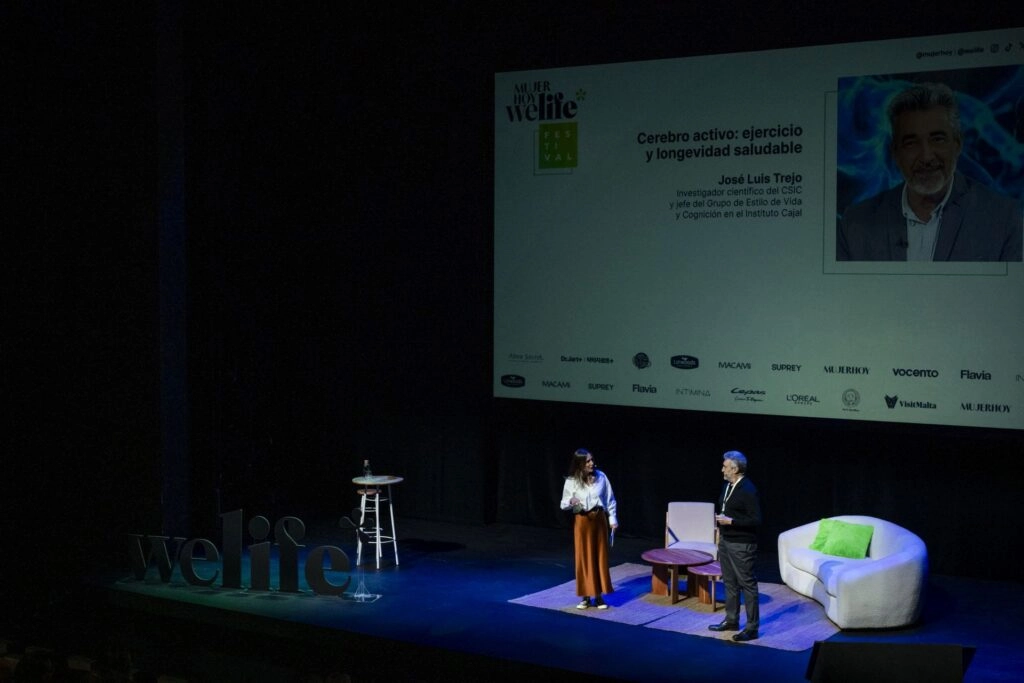
The microbiota, exercise and cognition are closely linked. And the way we work on that link leaves a mark not only on us but also on future generations. If the effects of stress can be inherited, so can the benefits of exercise. “We already know that movement increases neurons, shapes the microbiota, and is even inherited,” Trejo stated.
The Future Focusing on Small Habits
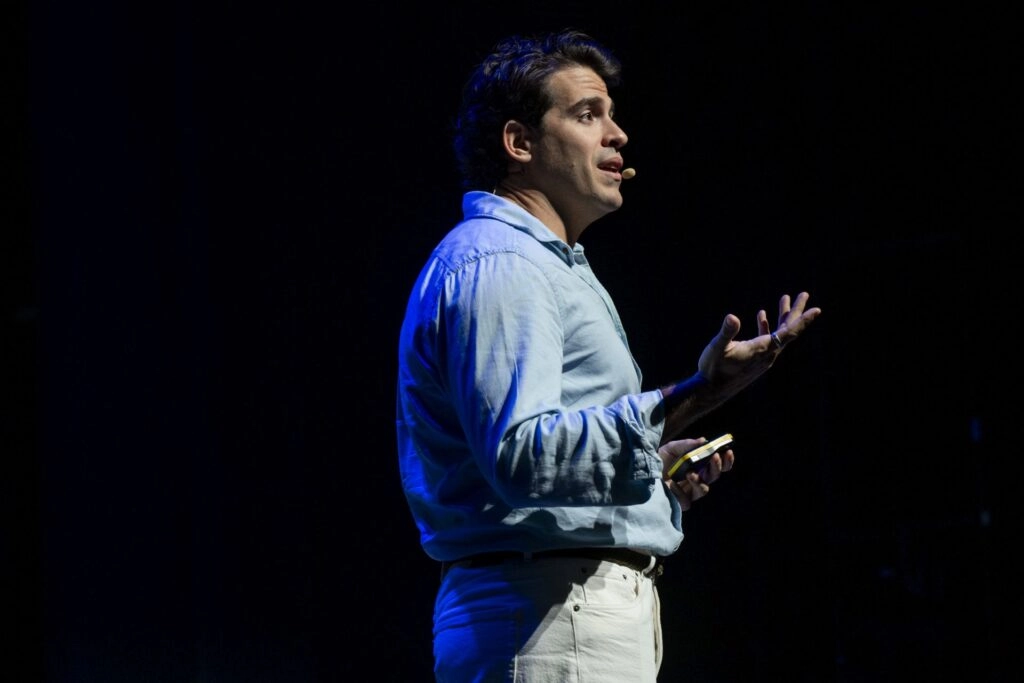
Aurelio Rojas, cardiologist and renowned health communicator at the Hospital Regional Universitario de Málaga, reminded attendees that “most people do not die from a heart attack; they die because of their habits.”
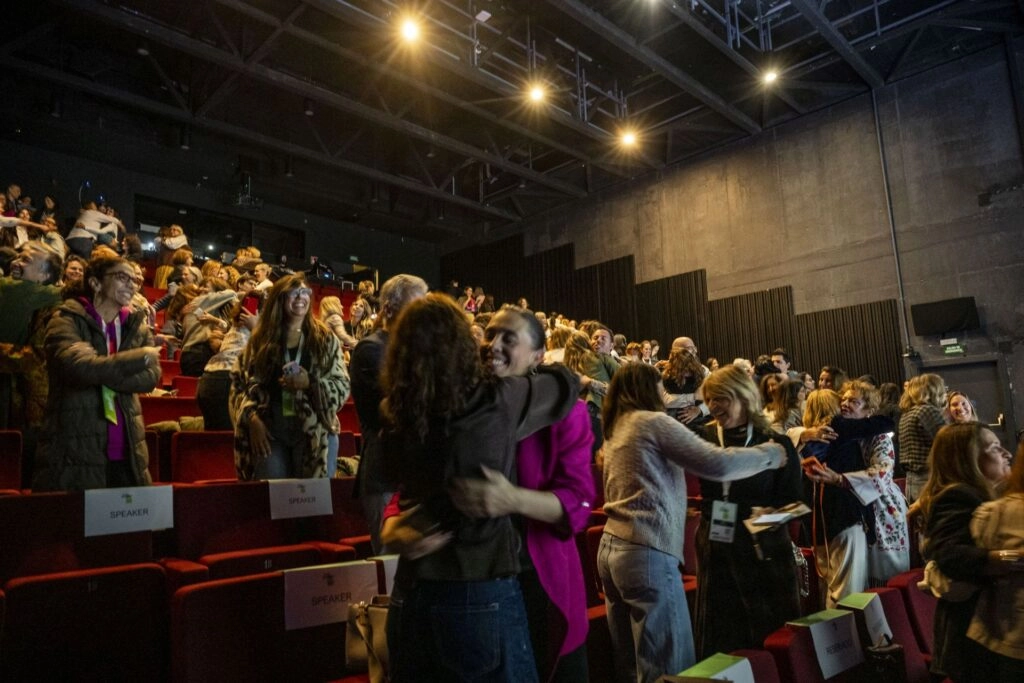
What are those habits that shorten our life expectancy? Rojas is clear: “The three silent epidemics are chronic stress, processed food and physical inactivity.”
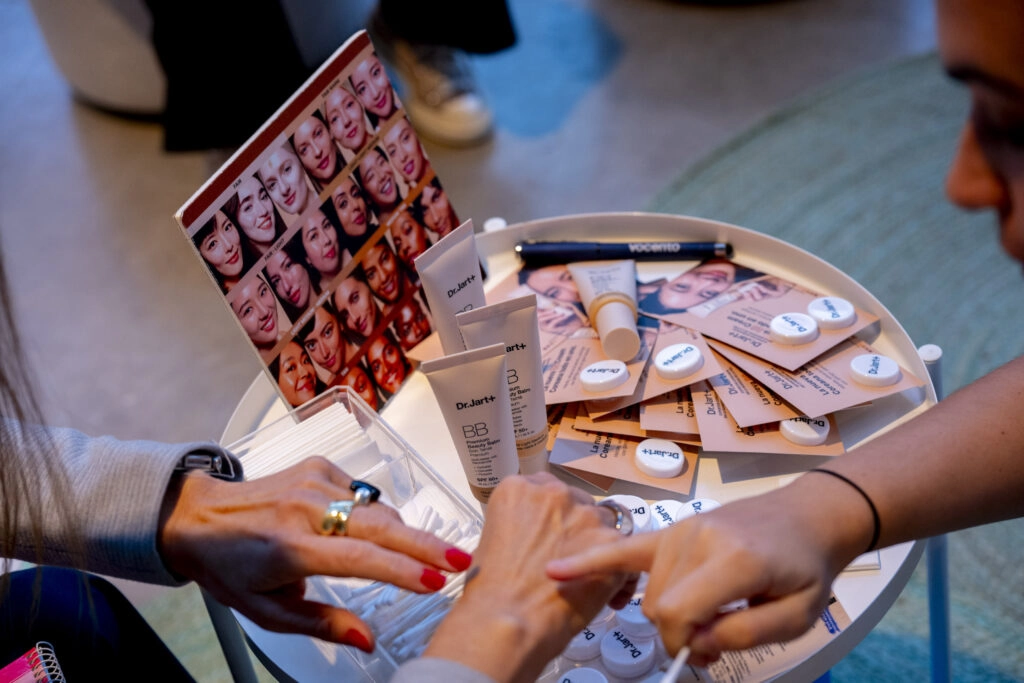
The expert insisted that medicine has wonderful things and hospitals increasingly boast advanced tools, but true prevention is not needing them: “I don’t want to see you in hospital more than necessary.”
Menopause, Genetics and Longevity: The Questions That Matter
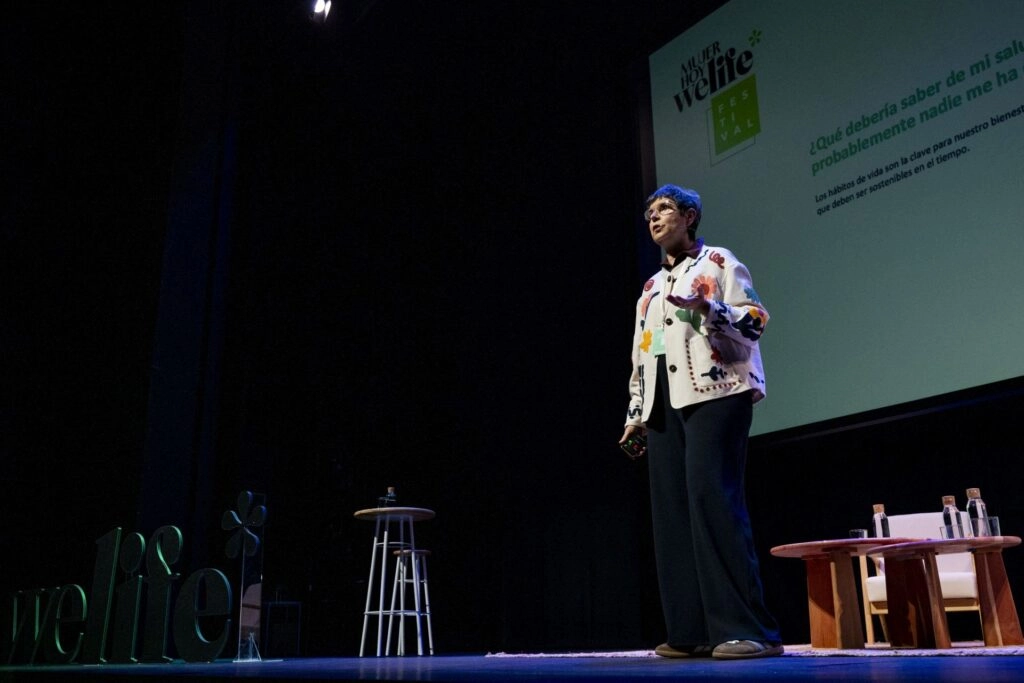
“Menopause is not a crime, it is a vital stage,” exclaimed the gynecologist Mercedes Herrero Conde, who answered some of the common questions from her patients. The most common: “Why don’t I feel like myself?” “Simply because you aren’t. Hormonal you are someone else, so you have to relearn who you are.”
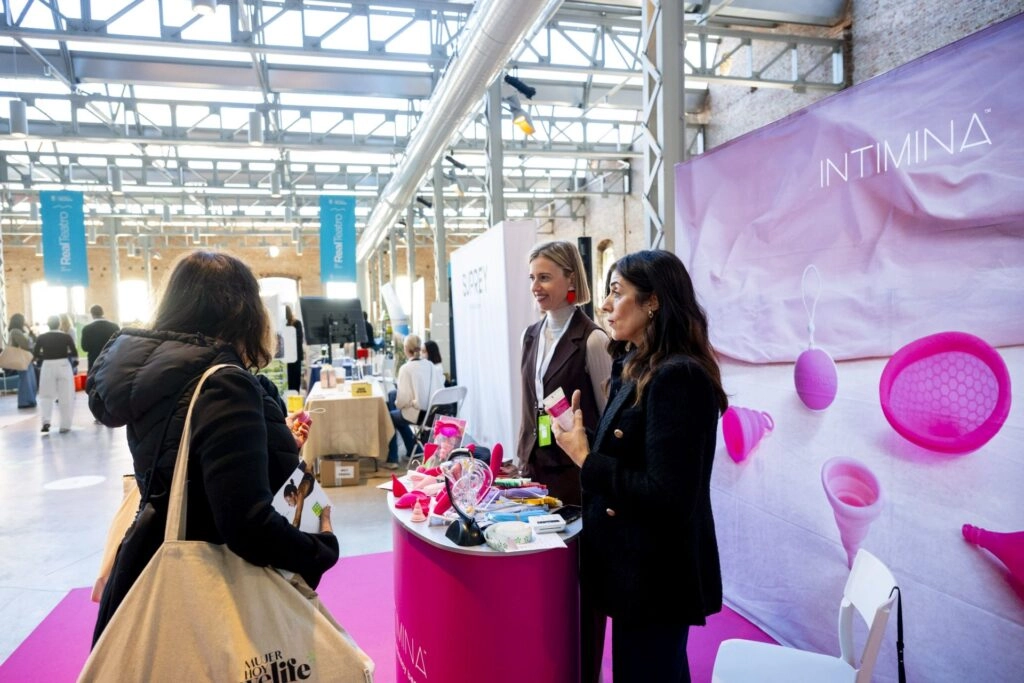
The expert encouraged attendees to discuss all of this with their loved ones, because, as Herrero Conde affirmed, “what a friend says sometimes has more impact than a formal campaign.”
Genes Propose… and We Choose
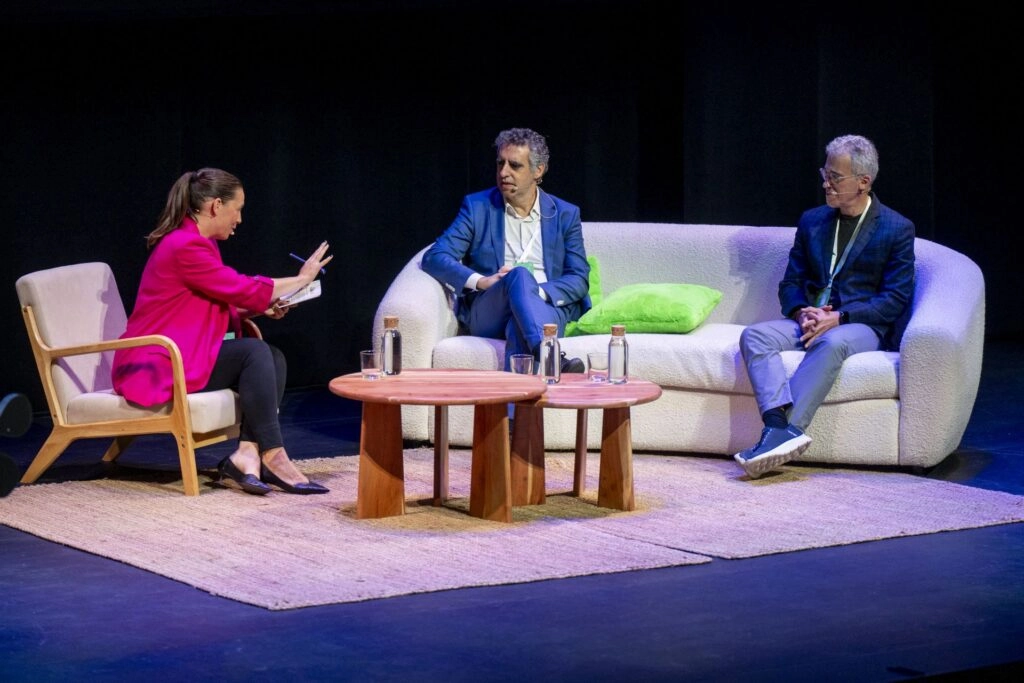
The conversation turned to a broader question: to what extent is our future written in our genes? The answers came from Manel Esteller, head of the Epigenetics Group at the Institute for Research Sant Pau, and the genomics specialist Jose Manuel Soria, who, along with Doctor of Medicine and Sports Performance Beatriz Crespo, moderator of the event, debated in a roundtable about epigenetics.
“We are born with a deck of genetic cards, but how we play them throughout life depends on us,” explained Esteller. “And if we don’t get an ace, we can still make a poker hand of eights,” added Soria.
We learned the fundamental role of transcriptomics, the technique that measures gene expression (in the form of RNA molecules) in response to different stimuli. “You can see the deviation and which genes are contributing to that aging,” explained Soria, cofounder and scientific director of BASE4, a spin‑off of the Institut de Recerca Sant Pau (IR Sant Pau) that develops technology to know the biological state of tissues at the molecular level before clinical signs appear.
We also explored the importance of distinguishing between men and women, who do not age in the same way, and the importance of the organs themselves, since, as Esteller stated, “aging is not homogeneous.” For example, the ovary ages five times faster than the rest of the organs. “90% of centenarians are women,” Esteller concluded. “Yes, but with poorer quality of life,” Soria added.
That remains the outstanding challenge in aging.
With the Suitcase on Our Shoulders and a Full Belly
Nutrition also entered the scene from several angles. Doctor Sara Marín explored the relationship between hormones, microbiota and the vagus nerve. How? With her characteristic Mari Pili and her fun and educational cutouts (taken from her particular suitcase), which she uses on her Instagram profile (@uncafecontudoctora) to translate complex knowledge into an unforgettable lesson.
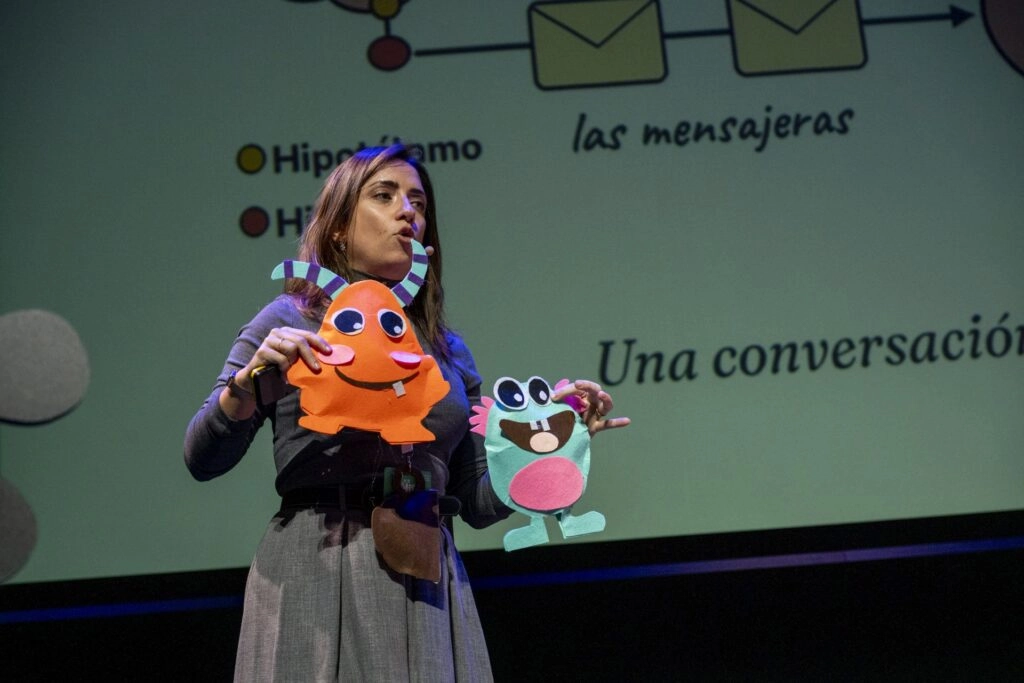
The expert, with the collaboration of Linwoods seeds, explained that the vagus nerve, the longest and most widespread of the autonomic nervous system, functions as a ‘bi‑directional highway’ that connects the central nervous system with the enteric nervous system (the digestive system). It is bidirectional; however, Marín specified that the relationship is 80% to 20%, or in other words, “the intestine tells the brain a lot more than the brain tells it.”
That is why nutritionally sound eating matters so much: “The thing that makes you gain weight most is an empty plate. You have to nourish yourself; this stimulates the protein that signals fullness.”
The psychoneuroimmunologist Xevi Verdaguer delved into the importance of energy management, mitochondria and metabolic flexibility: “To improve this energy ecosystem, the most effective tools are physical exercise (which stimulates the creation of new mitochondria), periods of digestive rest/fasting (which force the use of fats), a real‑food based diet and exposure to cold (with appropriate measures) to trigger the body’s own thermoregulation.”
From Knowledge to Practice
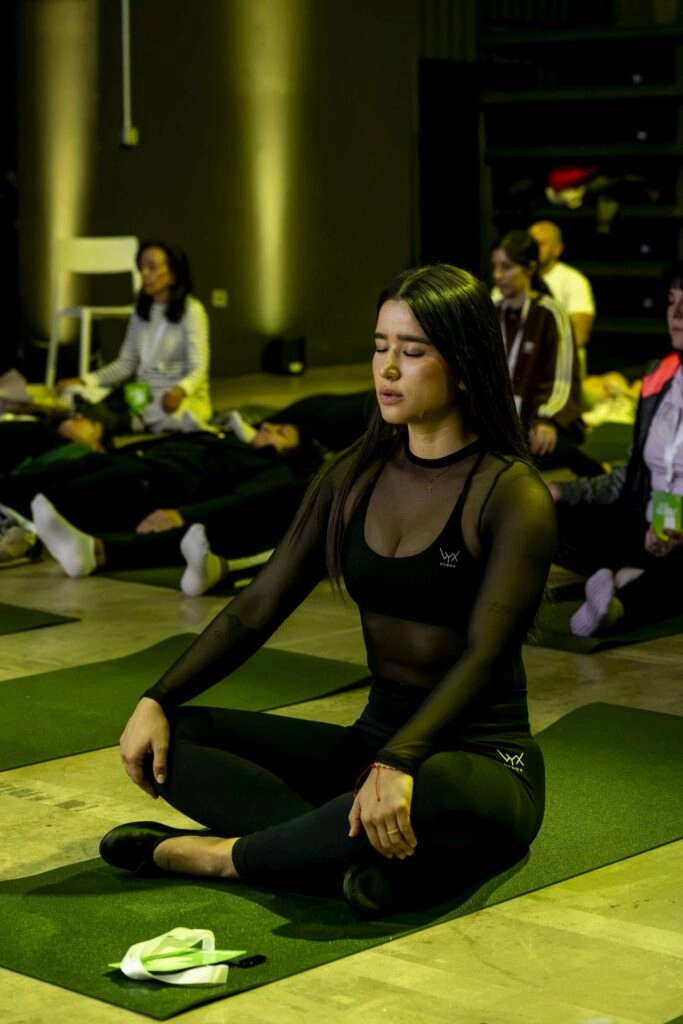
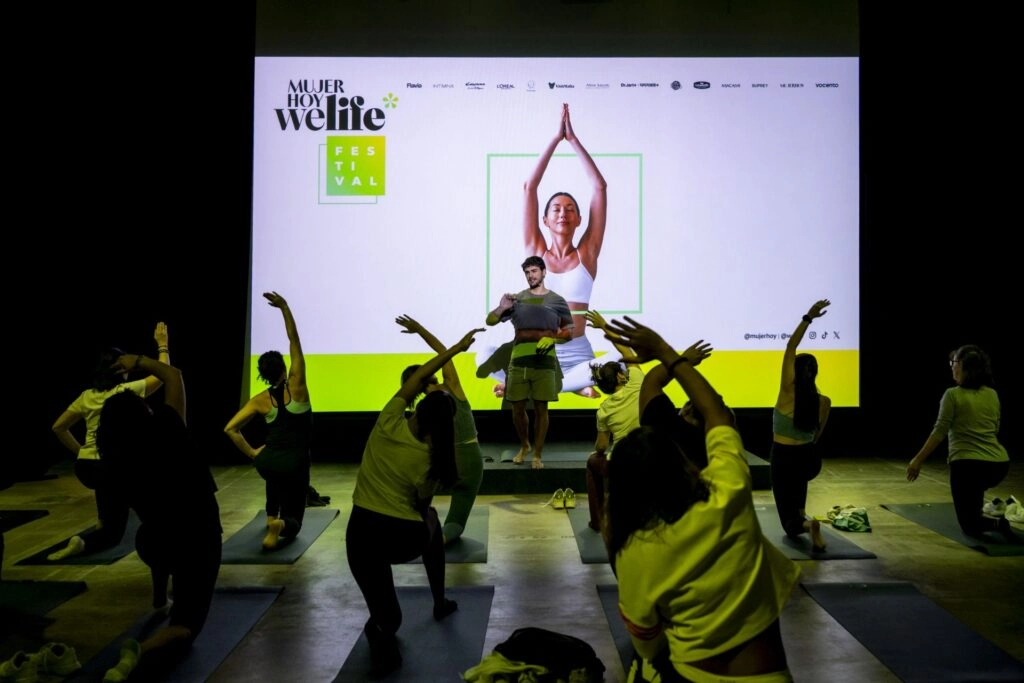
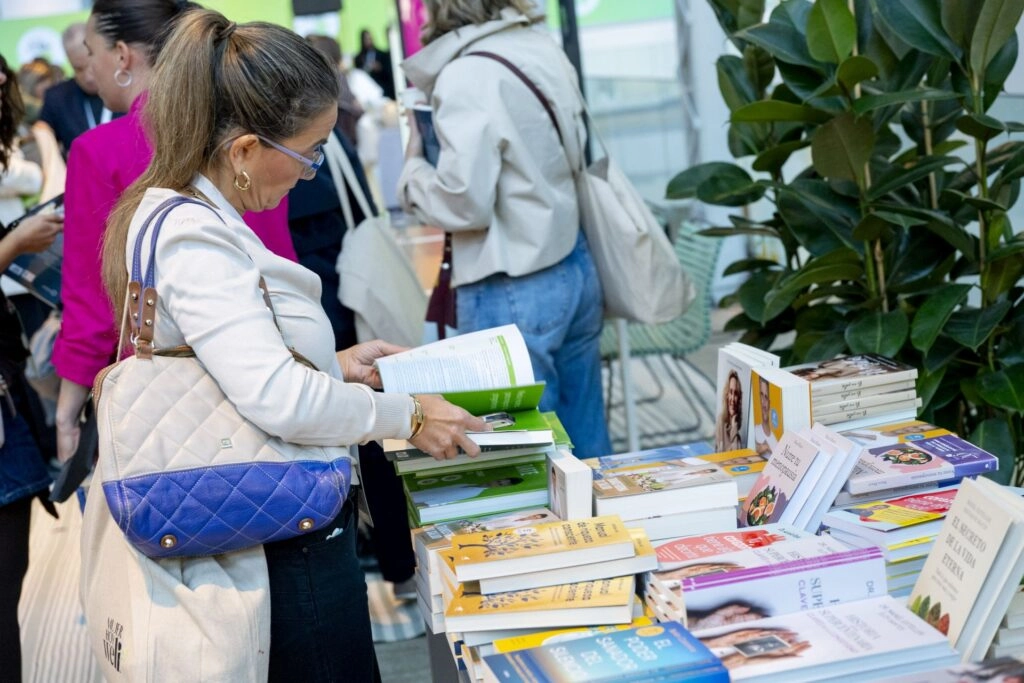
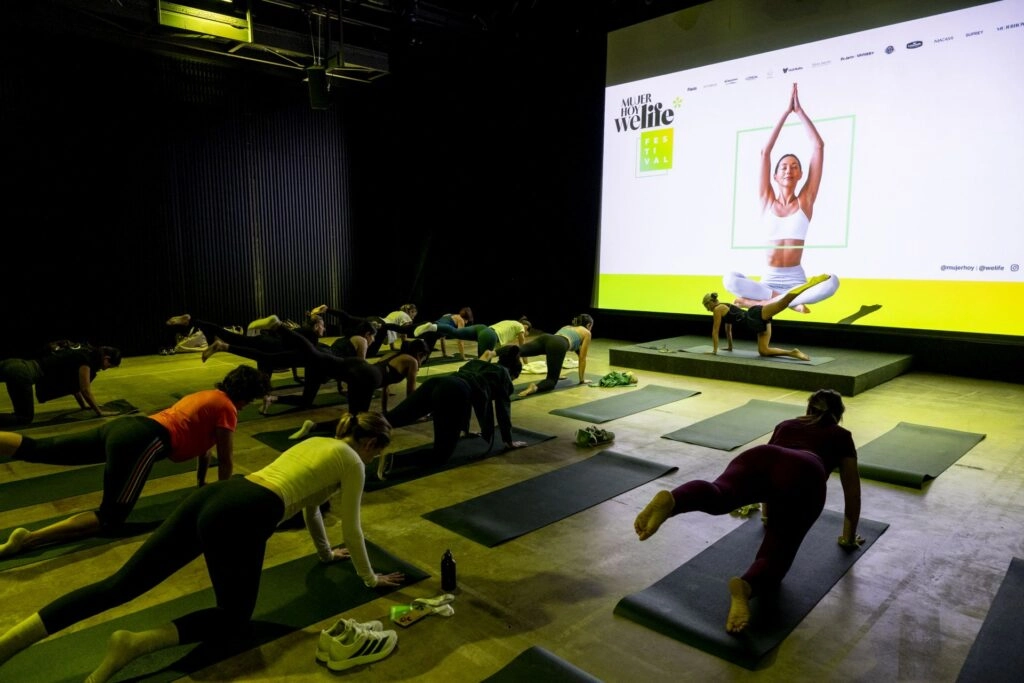
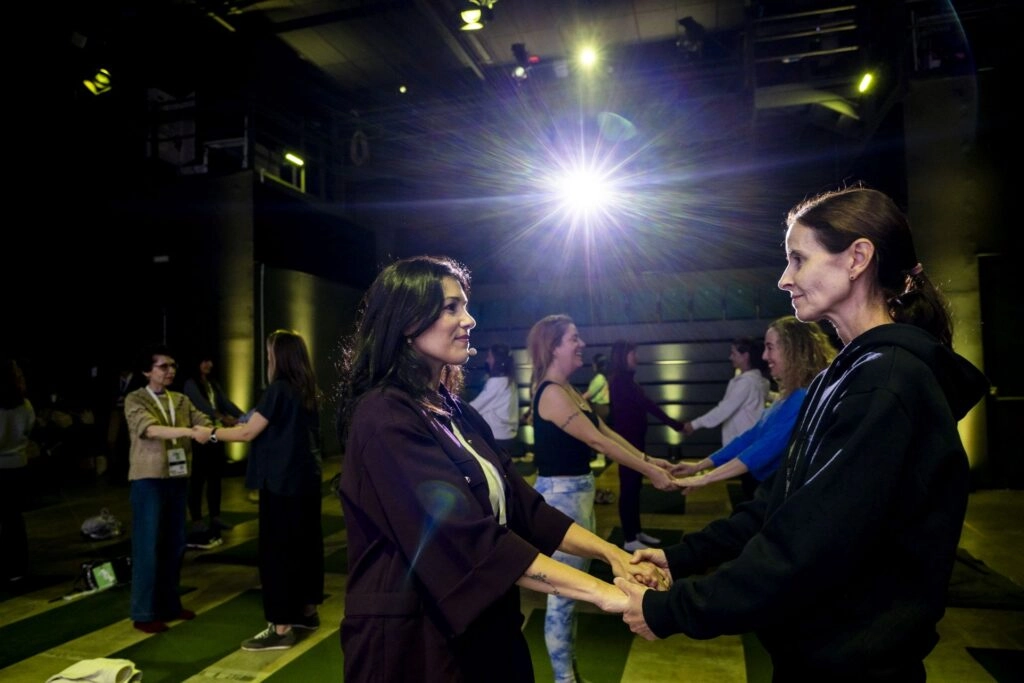
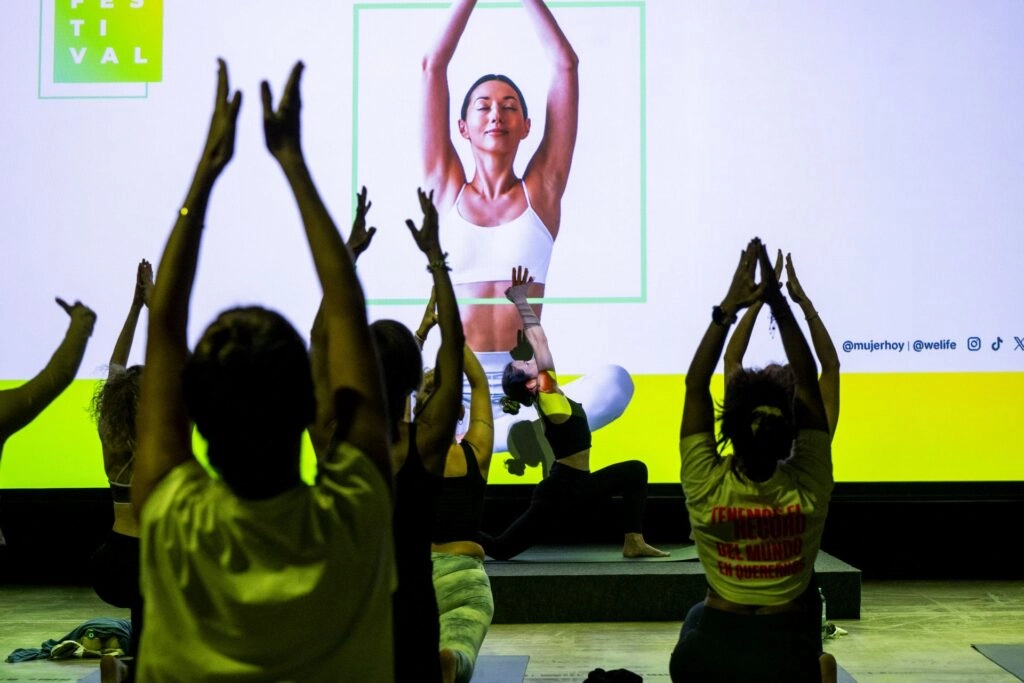
Well‑being did not stay on the stage. Throughout the day, The Mind & Body Studio offered a parallel workshop program where breathing, meditation, yoga and training coexisted with proposals focused on mobility and strength.
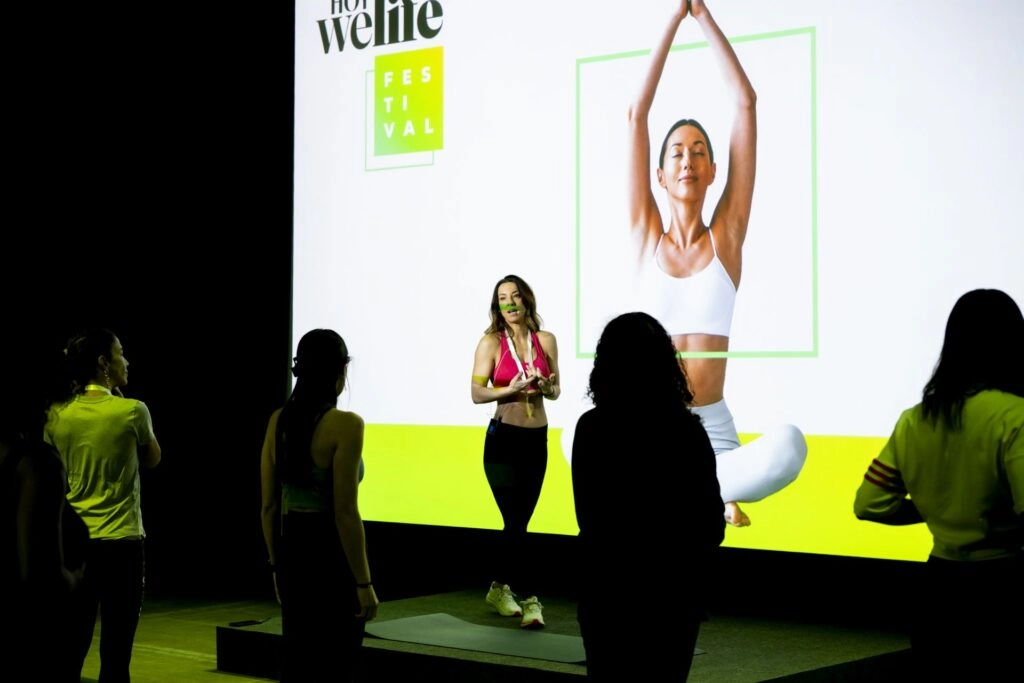
In this more intimate space, attendees could try all kinds of experiences, from the more active to the more relaxing.
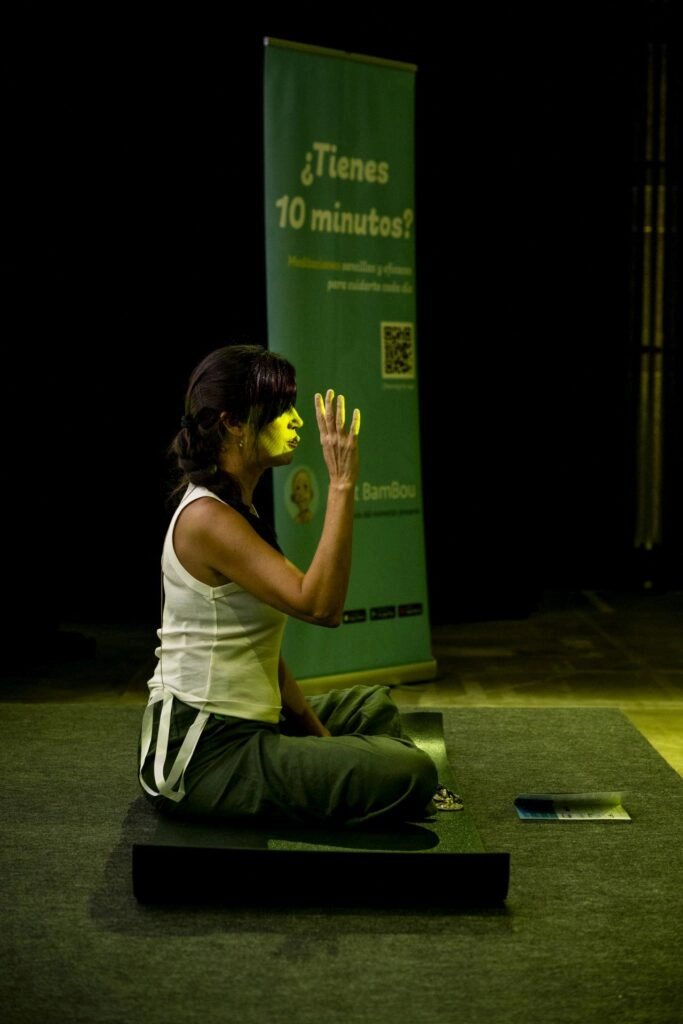
Nobody missed the meditation workshop by psychologist and psychotherapist Belén Colomina, in collaboration with , nor the hypopressive session to relieve abdominal inflammation by trainer Almudena Morell, which taught us, through postural guidelines and a conscious and precise breathing, how to tone the deep abdominal wall and pelvic floor.
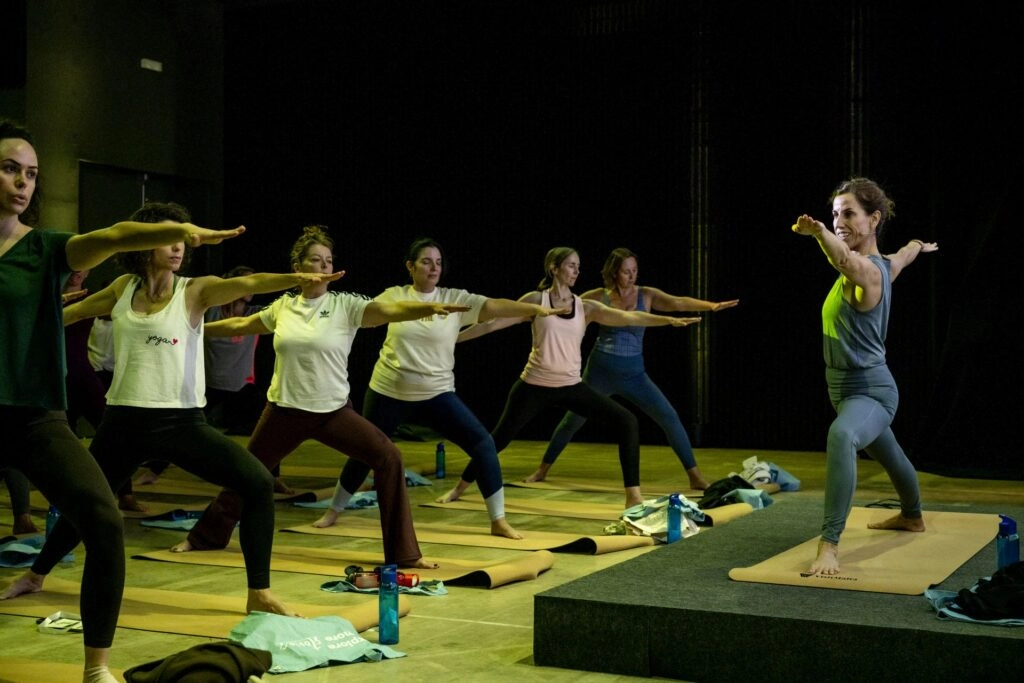
Nor did they miss the mobility and strength work of Afonso Coelho, Georgina Grimshaw’s power Pilates, or Mercedes de la Rosa‘s vinyasa yoga, with the collaboration of Turismo de Malta.
And Time Went By Fast…
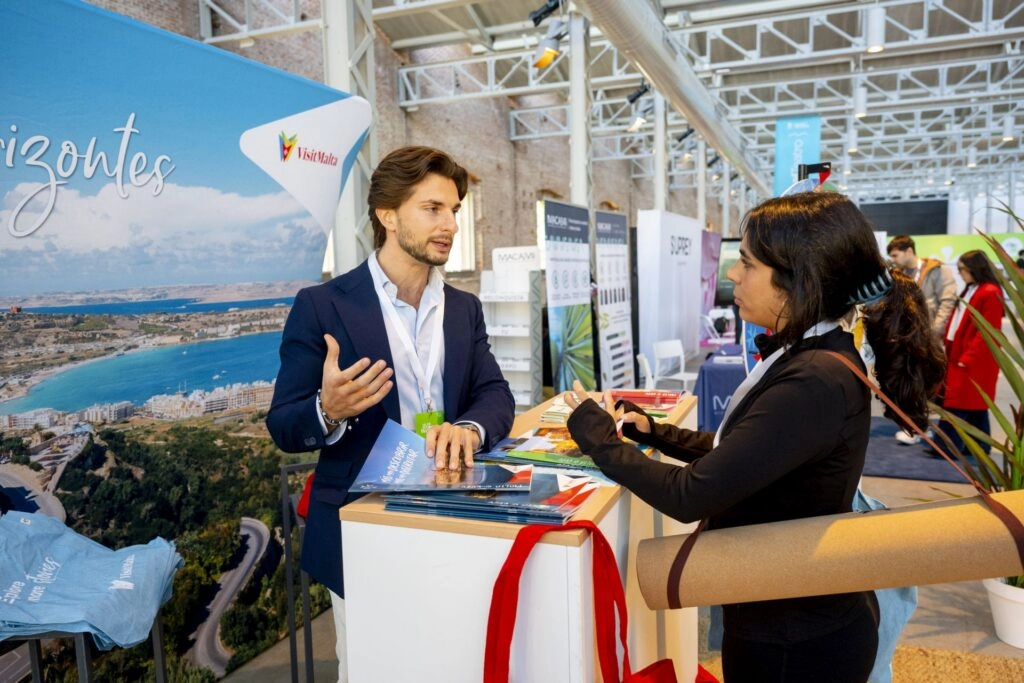
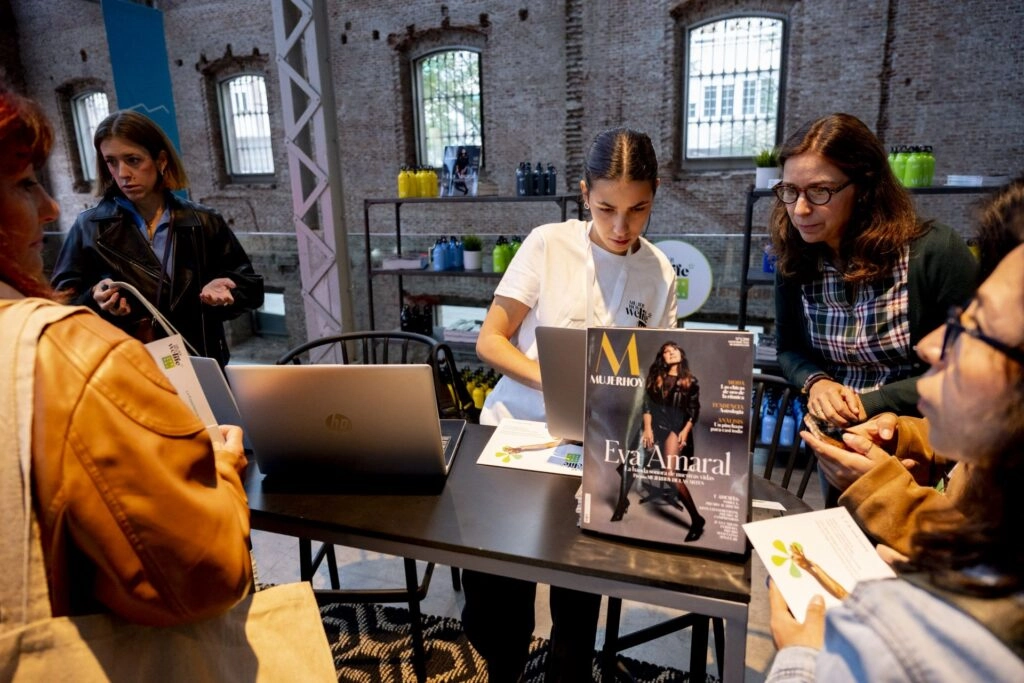
The Partners Lounge, the meeting place with sponsors and exhibitors, offered various experiences, workshops, exercises, raffles and much more. The big surprise was Lepas’s meditation car, where attendees could rest, meditate or take a power nap with relaxing music and seats with massage.

Cisco García, a wheelchair tennis player — bronze at the 2023 ParaEuropean Championships and silver with the Spanish team at the 2021 World Cup — insisted that “you never know how strong you are until being strong is your only option”.
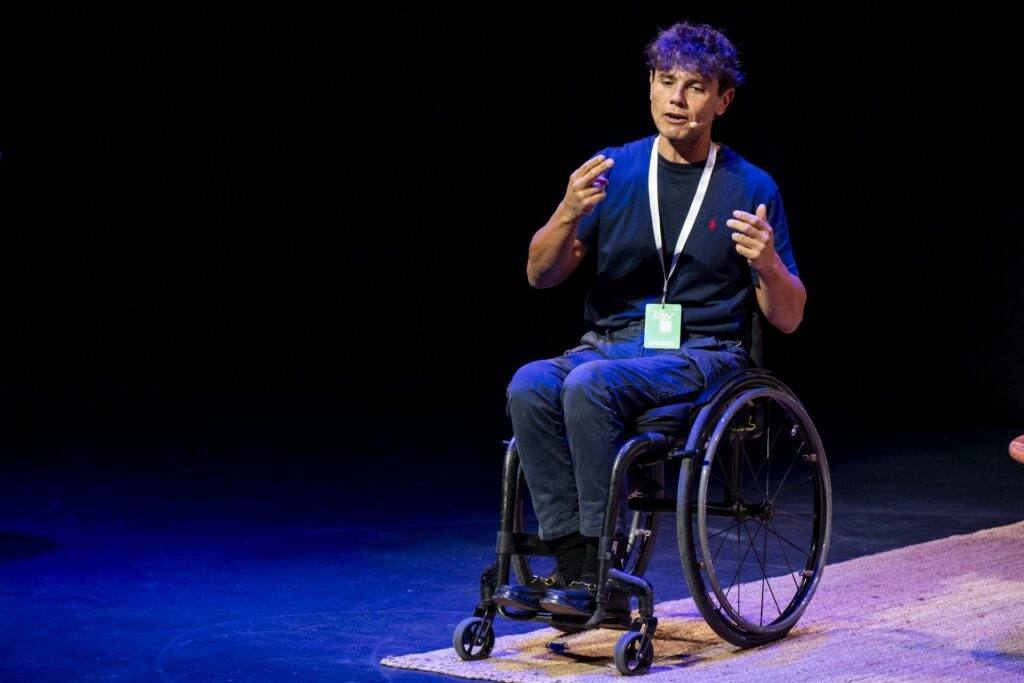
In a talk about personal growth, he recalled that “we only have one life and we must play with the cards we’ve been dealt,” and that “fear runs away when you face it.”
Caring for What You Can’t See
Meanwhile, Lola Ibáñez, a physiotherapist specializing in the pelvic floor, encouraged shedding the fear of sexual toys with Intimina. For pleasure or to strengthen the internal muscles during menopause.
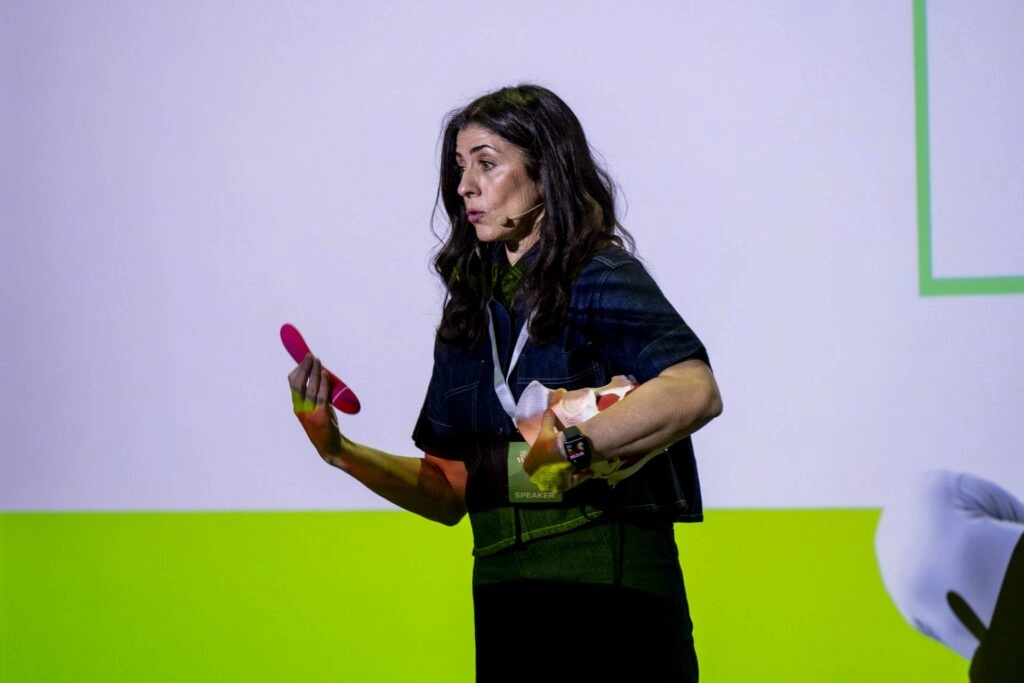
Next, Andrea Fresneda, professional aesthetician, trainer and creator of the NeuroVagal Glow method, reminded us that stress and emotions are reflected on the face and taught us simple facial relaxation practices, breathing and mindful touch to release tension.
The Power of What We Put on the Plate
María Hernández-Alcalá and Elena Pérez, biochemists and creators of the acclaimed Futurlife21 project, spoke clearly: “We must dispel the myth of eating only to look good on the outside. Eating well is related to health, to feeling good, to wanting to do more things, to having a better mood, better digestion…”
“We live in a society that is overfed but undernourished.” The success of mother and daughter does not lie in the goal itself, but in the process, which makes you keep wanting to eat well, without obligations, “but because you feel good and what you eat you like,” they concluded.
Finally, the guide recommends complementing these quantitative guidelines with good eating habits, such as avoiding snacking, and with smart supplementation tailored to the needs of this stage.
Move, Walk!
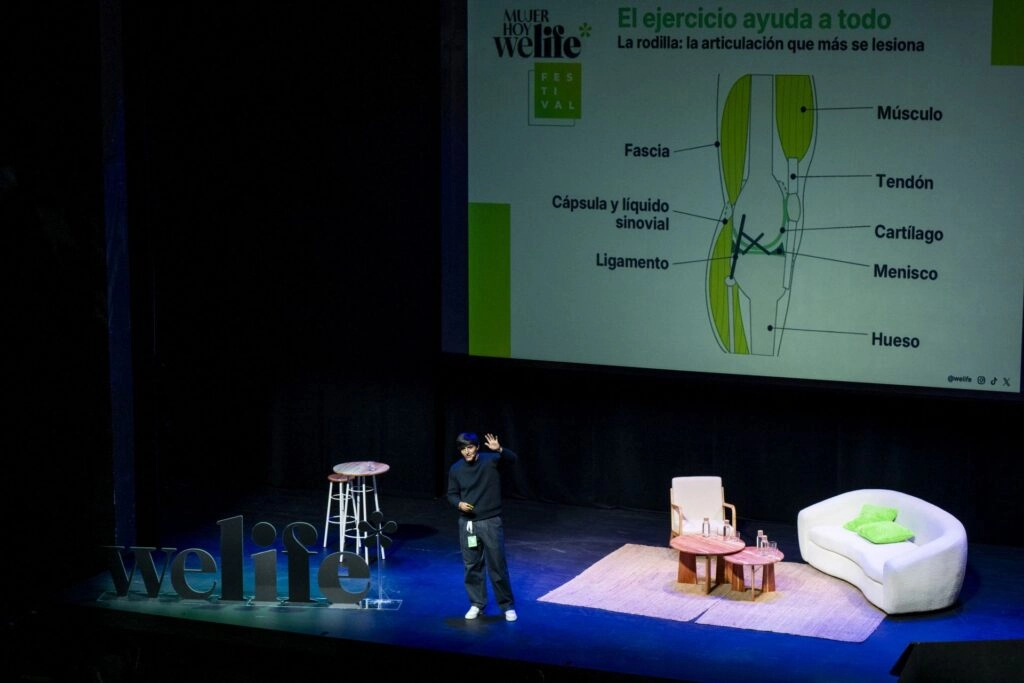
What doesn’t move, atrophies. That is where aging gathers speed. “Let us forget the idea of exercising just to look strong. We must understand what exercise is for in each part of our body,” noted the physiotherapist Toni Pérez. At the same time, we had a yoguilates session with Paula Butragueño, in rhythm with the music, blending the best benefits of both worlds: the flexibility and mental balance of yoga, with the strength, stability and body control of Pilates.
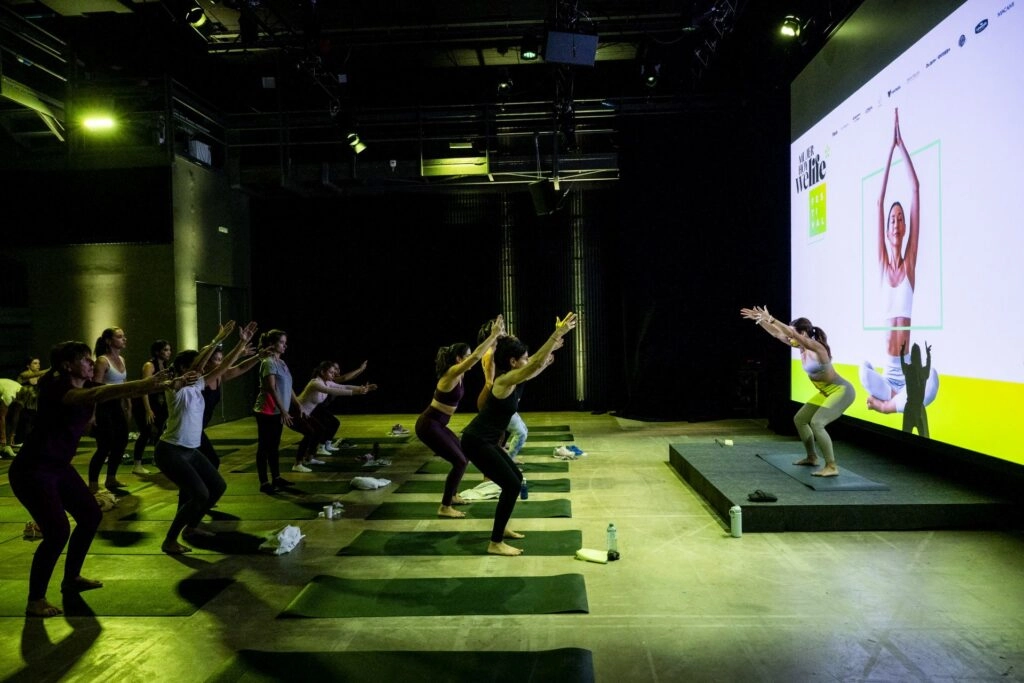
Nor did Mariana Garay’s session go unnoticed — a yoga instructor for more than 15 years, certified at the prestigious LightHouse Yoga School and a teacher at Hot Yoga Madrid, who led a techno‑yoga class that left us wanting more.
Caring for Oneself Also Means Learning to Listen to One’s Self
The empowerment also consists of learning to love yourself.
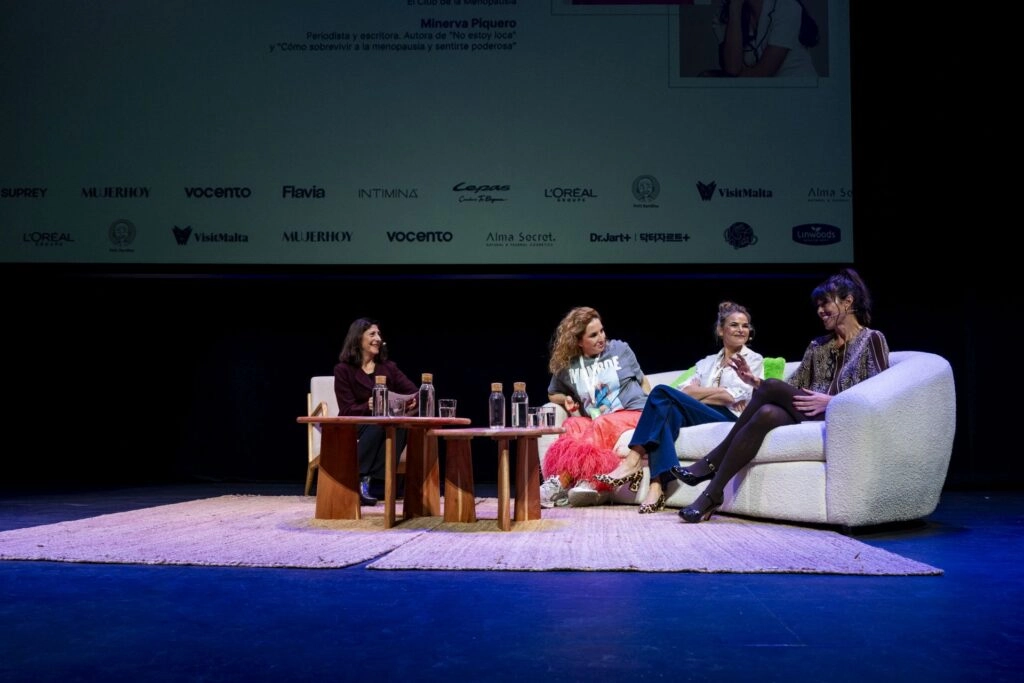
That was the goal of the roundtable moderated by Carmen Lanchares, journalist and author of the book The Time in Our Favor: The Science of Longevity, and joined by the experts Natividad Cano, dermatologist and medical director of Instituto Natividad Cano; Minerva Piquero, journalist and author of the book How to Survive Menopause and Feel Powerful; and Marta Masi, pharmacist and cofounder of The Menopause Club.
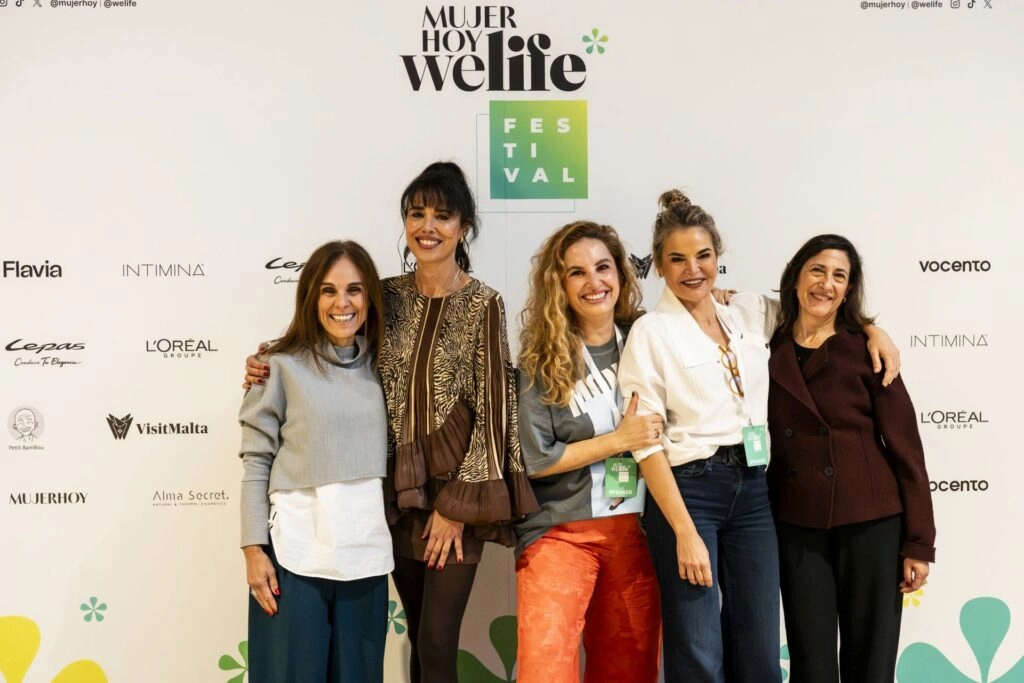
Why are today’s women changing the rules of aging? “Because until recently one endured; now prevention comes first,” replied Natividad Cano. “Now we are freer, we have less fear and more visibility,” added Masi. Piquero offered a reflection: “I think the 60s are not the new 40s; what I would like is for 60s to occupy a position that previously wasn’t given.”

The psychologist Lorena Gascón closed an intense program with her talk on how to live with oneself. “Anxiety cannot harm us; it is not always the villain in the story—sometimes we must embrace it and coexist with it,” she explained.
One Idea (and More) to Take Home
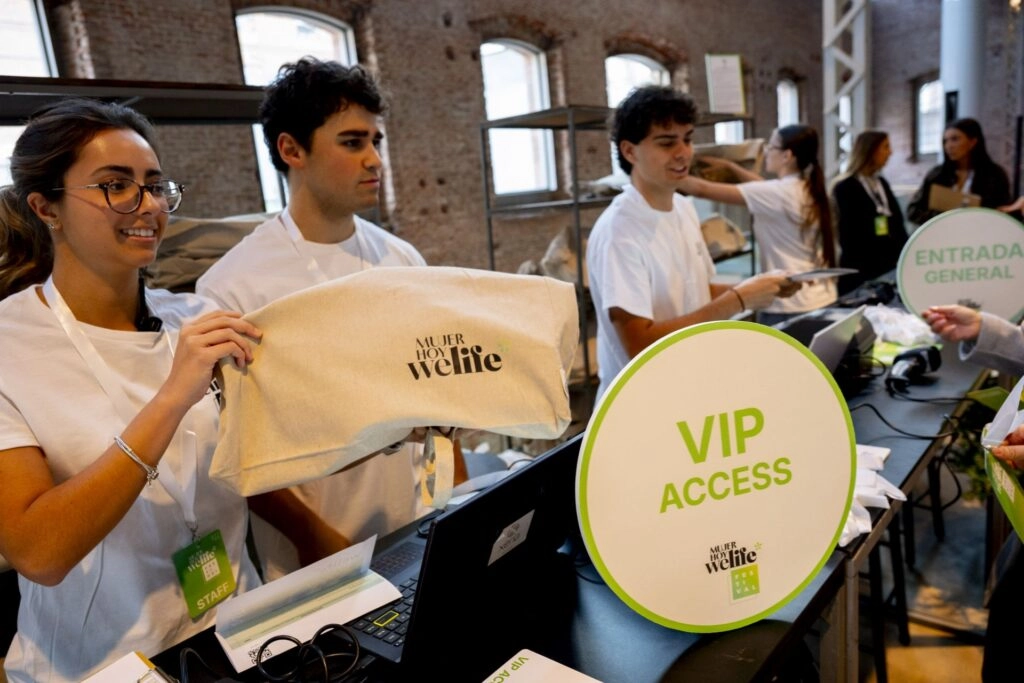
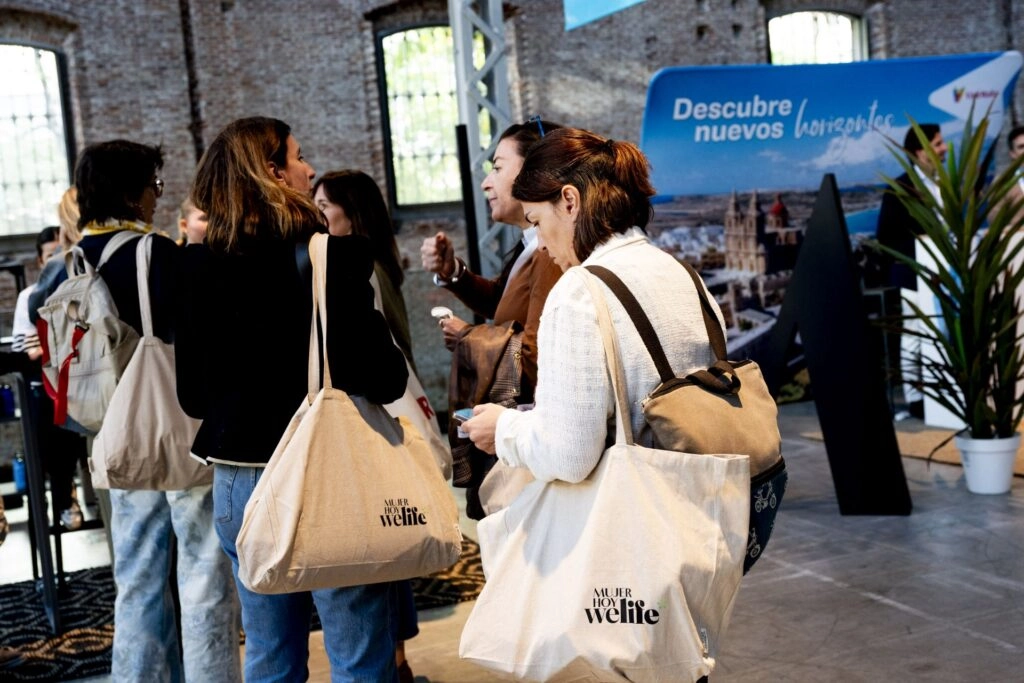
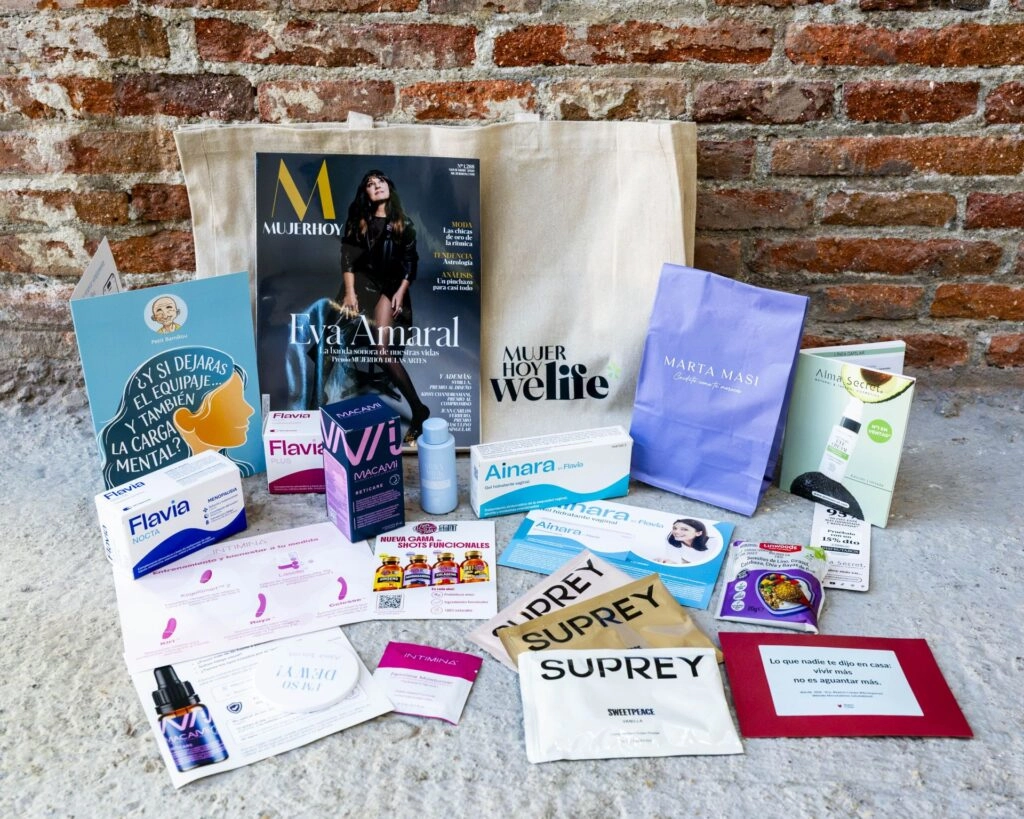
As in previous editions, all attendees took home a fabulous tote bag, our now famous goodie bag, packed with surprises and details from sponsors and collaborating brands.
Inside the goodie bag you could find Alma Secret’s Dewy Milk toner; Marta Masi’s intimate cleansing gel; Linwoods seeds; several Suprey protein blisters; Macami’s Reticare supplement; Flavia’s Ainara vaginal gel; Flavia PLUS and Flavia NOCTA supplements; Intimina’s vaginal gel and a discount coupon; Petit BamBou’s guide to avoid mental overload (one month of subscription); Beatriz Crespo’s online class (free only for WeLife Festival attendees) and Komvida’s class to truly enjoy Kombucha and its most delicious functional shots.
Enjoy, Learn… and Relax
Of course, no one left without their November issue of MujerHoy magazine, their subscription and their reusable bottle.

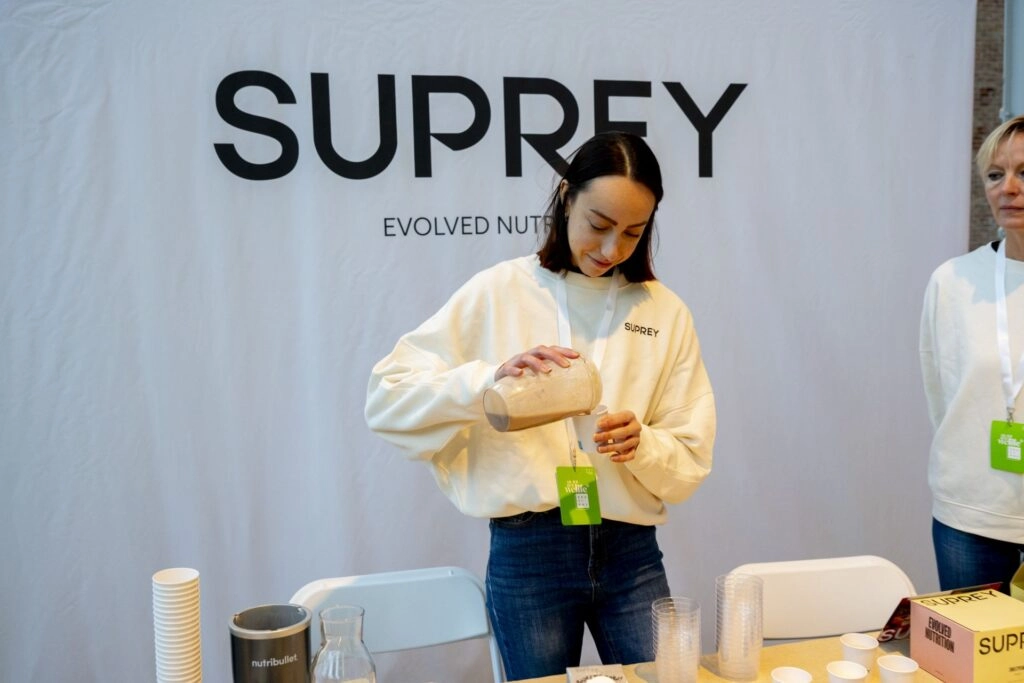
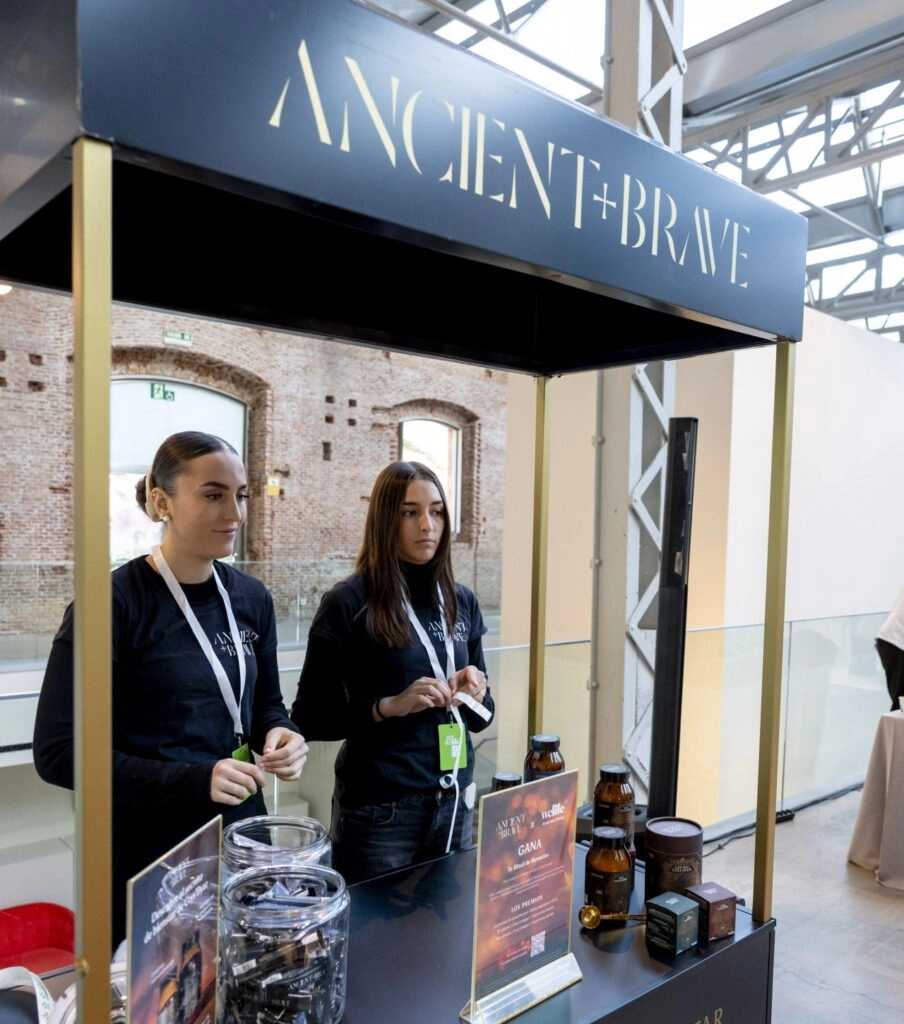
They also didn’t skip trying Ancient + Brave’s drinkable collagen at their stand, Suprey’s protein supplements, or tasting Kombucha shots with ingredients such as collagen, ashwagandha, ginseng and green coffee at Komvida’s stand.
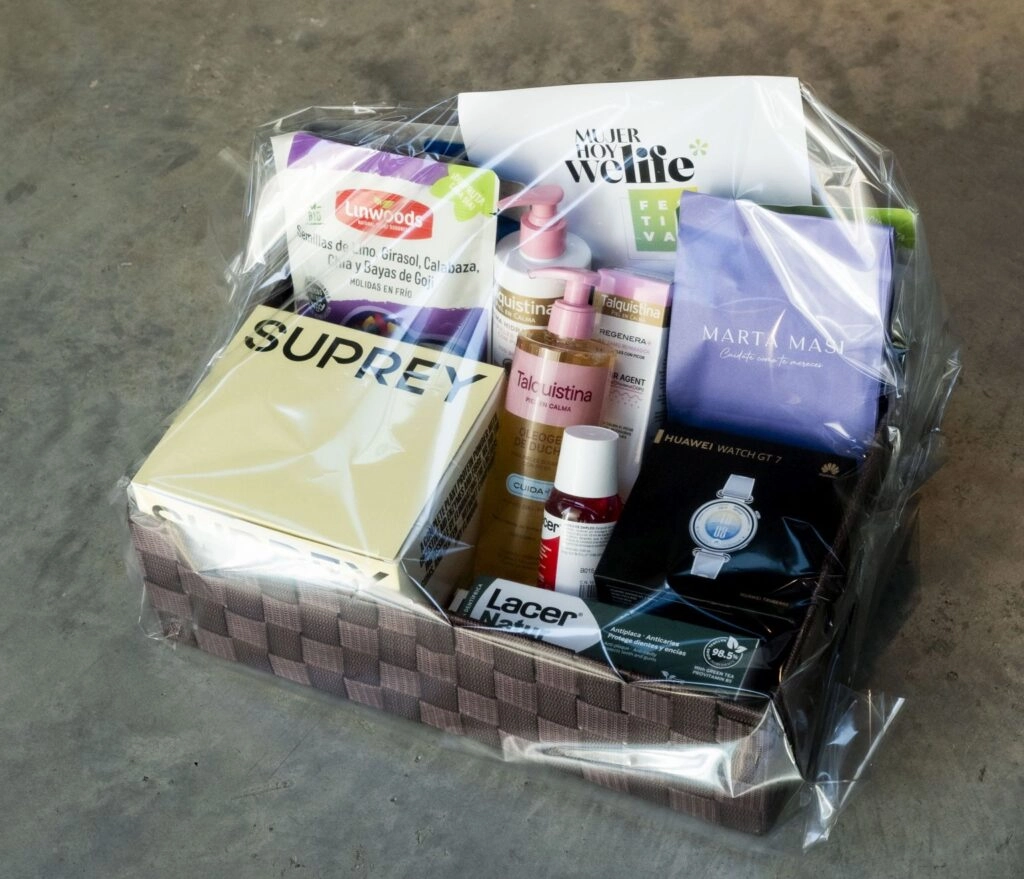
In addition to all of the above, two fantastic gift baskets from sponsors and collaborators were raffled, including a complete range of Talquistina skincare products, another line of dental hygiene products from Lacer, and a Huawei Watch GT 7.
“Caring for ourselves should not be an extra demand, but the need to understand ourselves better.” This was how Adela Ucar, the event host, closed the day. Thank you all for coming. See you at the next one!