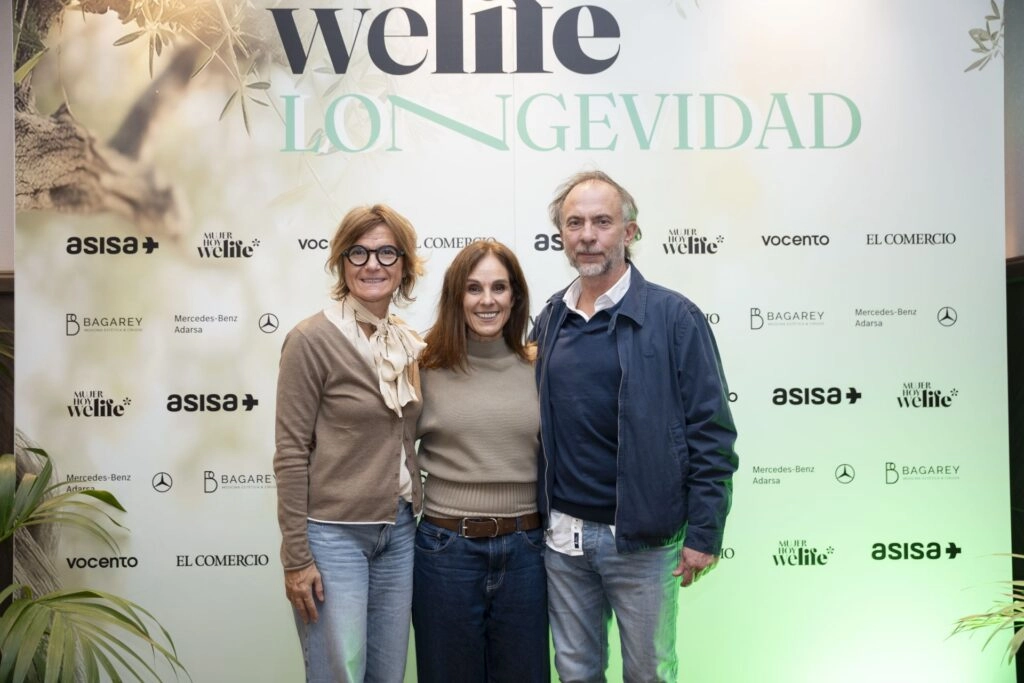
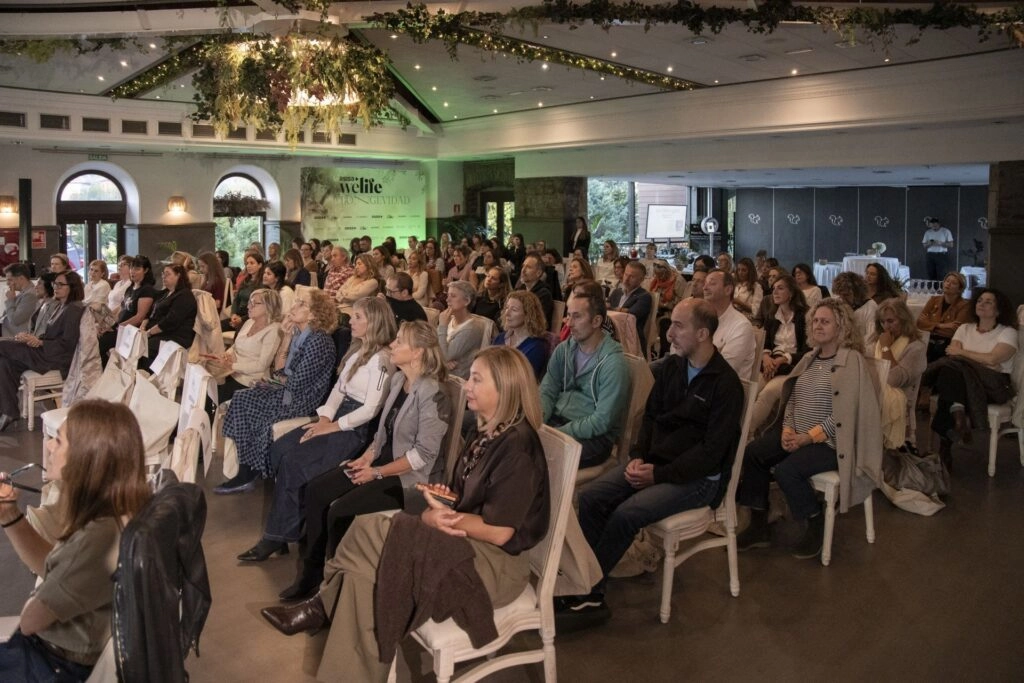
The longevity is the buzzword. We all want to live longer, or at least infuse life into our years. Something so simple to say, then, is not so easy to put into practice. ASISA WeLife Longevidad Gijón brought the science of long life to Somió Park in a day organized by WeLife, Vocento and El Comercio. An event sold out completely and that counted on ASISA as the main sponsor, with Clínica Bagarey and Grupo Adarsa as local partners.
Everything begins with a good night’s sleep
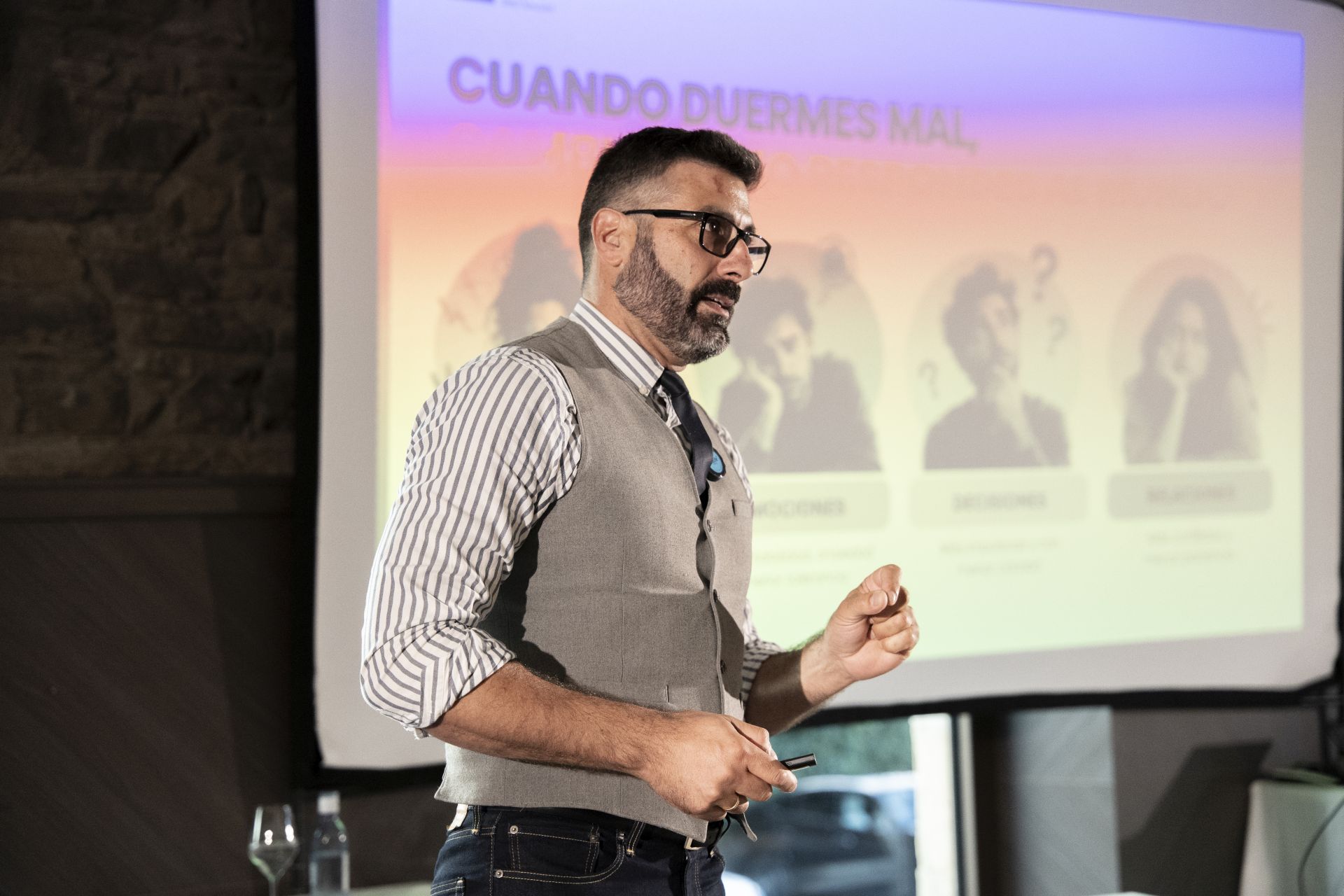
And they don’t have to be the famous 8 hours, nor do we all have to go to bed at the same time. “What we do have to achieve is truly resting. Because restorative sleep is one of the pillars of longevity,” explained sleep specialist Gregorio Mora.
He insisted that we tend to associate longevity “with what we do while awake, such as diet, exercise or seeing a doctor, and we undervalue everything that happens during sleep. But we spend a third of our lives sleeping, and that long time has a reason.”
He recalled that proper rest is key to preserving the brain in good condition. “Not only to preserve memory. Our mood is altered when we don’t sleep well and we can have problems at work, more irritability behind the wheel or make mistakes due to a lack of concentration,” he added.
Youth that costs not a euro
It also favors proper tissue repair and even helps tune the immune system. “Sleep is a free anti-aging treatment. It comes with us by default, we are born knowing how to do it and we are specialists at delaying it,” he noted. Another mistake is to believe that everyone has to sleep at the same time. “I have known up to nine different chronotypes. And that’s where the problems begin because if you can’t sleep when the world goes to bed, you label it as insomnia and you try to fix it with pills. Many cases of insomnia are actually about not aligning our chronotype with life.”
At the end of his talk, he provided a QR with an invitation for a free sleep diagnosis for all attendees.
Know, measure, and act
The doctor Natalia Gennaro, gynecologist at ASISA and director of the Precision Robotic Surgery Unit in Pelvic Floor at the HLA Universitario Moncloa Hospital, urged embracing knowledge of how our body is before proposing longevity interventions. The specialist debunked the idea that “eating healthily, exercising, taking supplements and getting medical checkups when due” equals being healthy.
“Feeling good is still subjective. The certainty comes from measurements. Many of the diseases of our society have no symptoms until it is already too late. This is what happens with hypertension, diabetes, or Alzheimer’s.
The doctor warned that silent pathologies, such as diabetes, hypertension or Alzheimer’s, advance for years without showing obvious signs. Therefore, she urged people not to fear medical checkups and to know some health markers, such as the microbiota or the hormonal profile.
She stressed that generic habits do not work the same for everyone: “Between 40% and 60% of people do not obtain the expected benefits from a healthy regimen. In other words: it is not that a diet does not work or that exercise is useless. It is that you may not be considering your real state,” she concluded.
The body in energy-saving mode
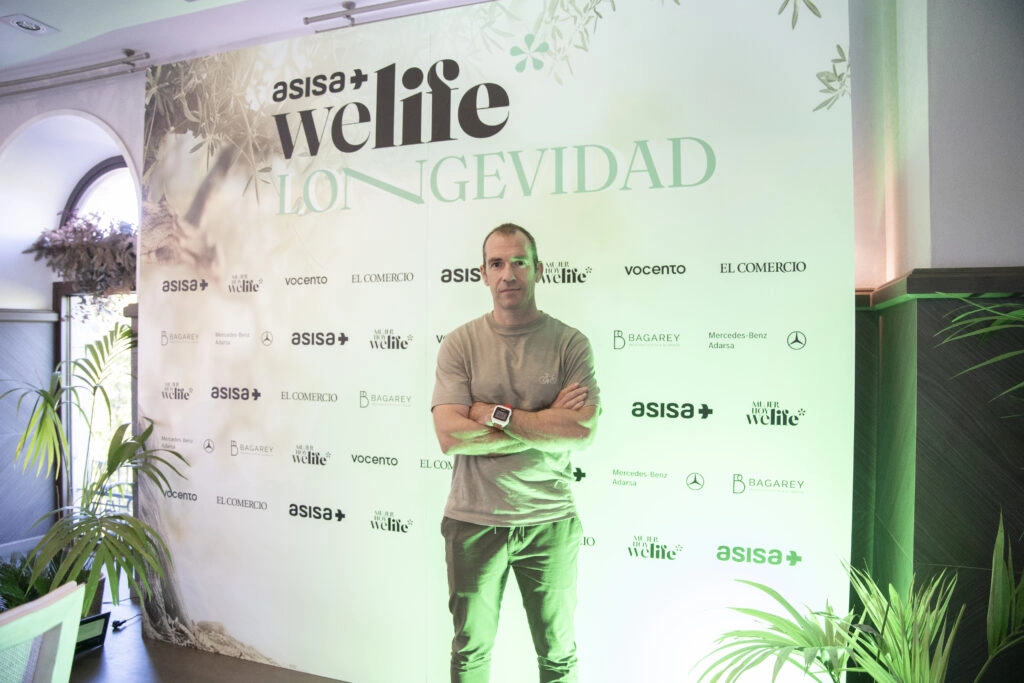
The teacher and researcher specialized in physiology and metabolism, Claudio Nieto, explained how our 37.5 million cells interact under the coordination of the hypothalamus, turned into the manager of energy resources. “Let us imagine they have a weekly meeting and ask the muscles if they need reinforcements because you’re doing a lot of sport. Or whether new neurons should be created because we are learning new knowledge all day,” he explained.
There can also be chronic stress. “It interprets it as a threat and prioritizes immediate survival, shifting secondary functions, such as fertility or rest,” he added.
A similar process occurs in the face of sedentarism: the lack of movement causes the body to reduce the supply of nutrients to muscle mass and bones. “If you don’t move, what need is there to create more muscle? And that’s the problem: little by little we lose muscle mass and we become fragile old people.”
Let’s start by distancing toxic people
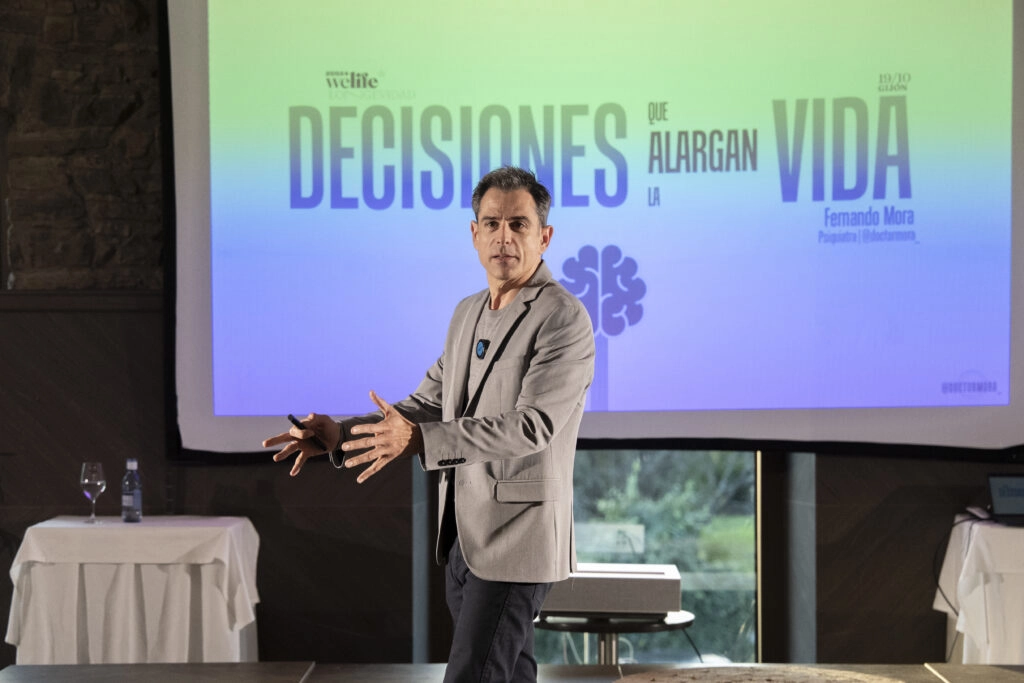
We often say that there are people who ‘take away our life.’ They are those toxic folks who are always in a bad mood, criticize, weigh us down… They can even be very close relatives. “If we cannot distance them, at least we must silence them because one of the levers of longevity is surrounding ourselves with people who make us feel better,” explained Fernando Mora, head of the Psychiatry Section at the Infanta Leonor University Hospital.
In his talk he insisted that we must act with the well-being of our “future self” in mind. The specialist stressed the importance of facing emotional setbacks with serenity, adapting to changes rather than magnifying problems. “If the love of your life does not want to be with you, you cannot block yourself. You have to move on with your life, and that may require changes that you must face with determination.”
When what you learned at home starts to hurt
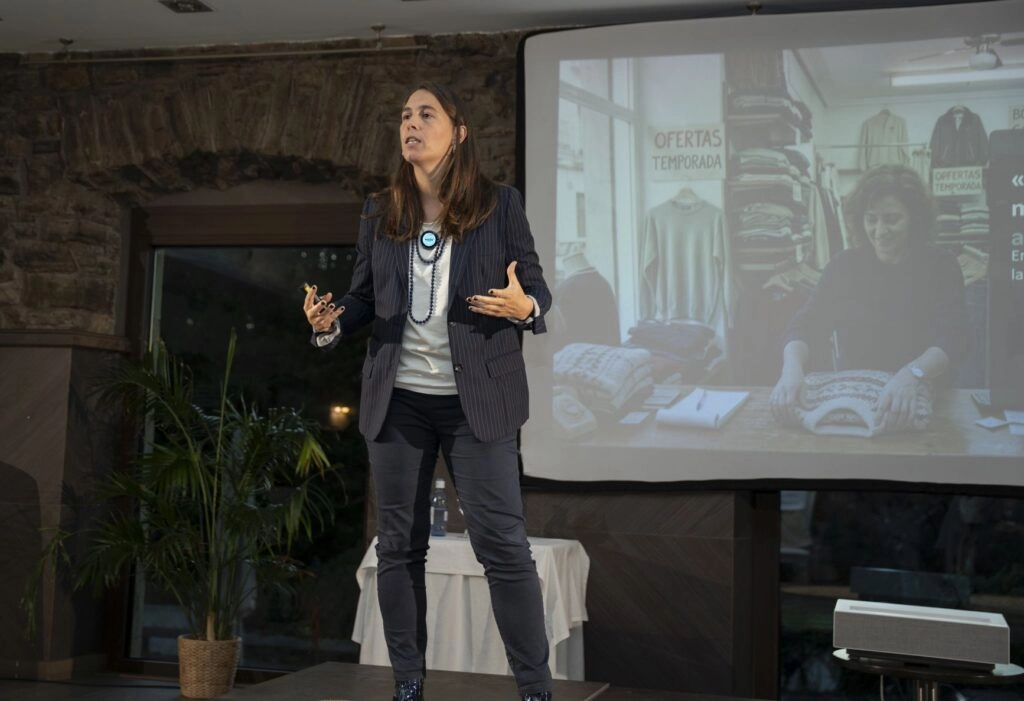
Science has spent years studying genetics and epigenetics. Less known is behavioral inheritance. “It is all those patterns of behavior you learned at home as a child and internalized as normal. My grandmother ran a textile shop. Every day she balanced the cash register at the end of the day and did not leave until everything was squared away. I learned that you have to have work completely finished before going to dinner, and now I am unable to prepare dinner if I haven’t finished something on the computer,” confessed the author of ‘Healthy Micro-Habits’.

Attribuye ese legado conductual a su constante estado de agotamiento. “In my family we have always been strong women. In reality, it was that we had endurance, we shouldered everything without complaint. We were exhausted, but we kept going because we were taught not to stop,” confessed the researcher, who also provided a QR code for access to an exclusive session with her.

And in the end… a wonderful goodie bag
At the end of the talks, an informal cocktail was offered where attendees could chat with the experts or obtain signed copies of their books. They could also receive information about medical-esthetic treatments at Bagarey and resolve doubts about some of the cosmetics recommended by their professionals.
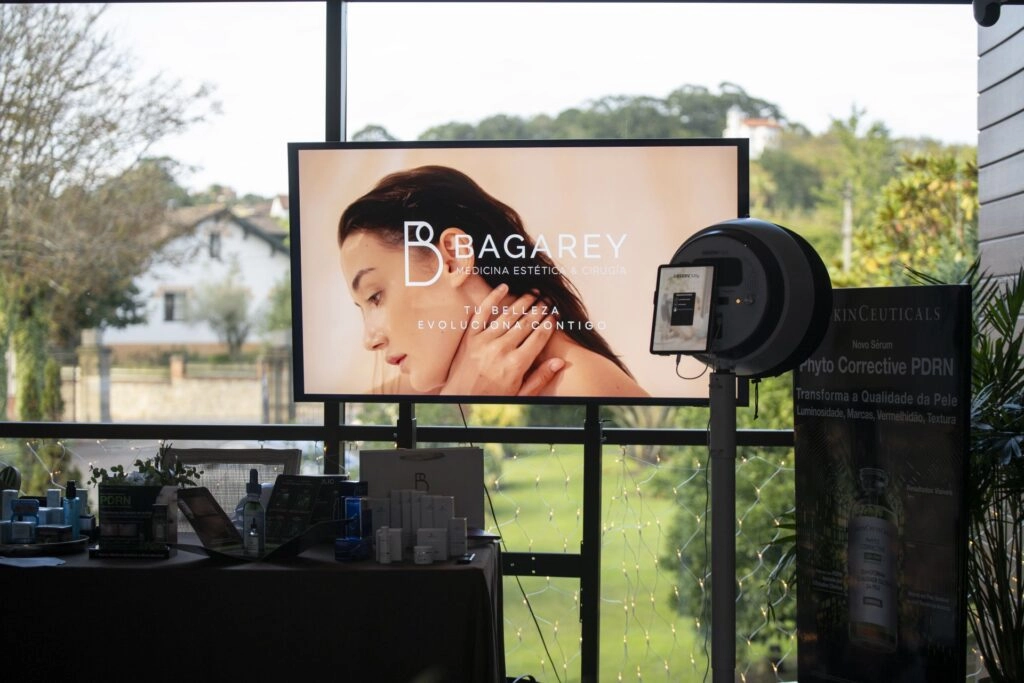
Además, todos los asistentes a ASISA WeLife Longevidad Gijón recibieron la ya famosa ‘goodie bag de WeLife’, una bolsa obsequio con un vaso, una lupa, un rodillo facial y un masajeador gua-sha, de ASISA; un QR con acceso prioritario a los Adarsa Days; una tarjeta regalo con sucripción a la app de meditación Petit BamBou; e información y muestras de cosmética de Bagarey.