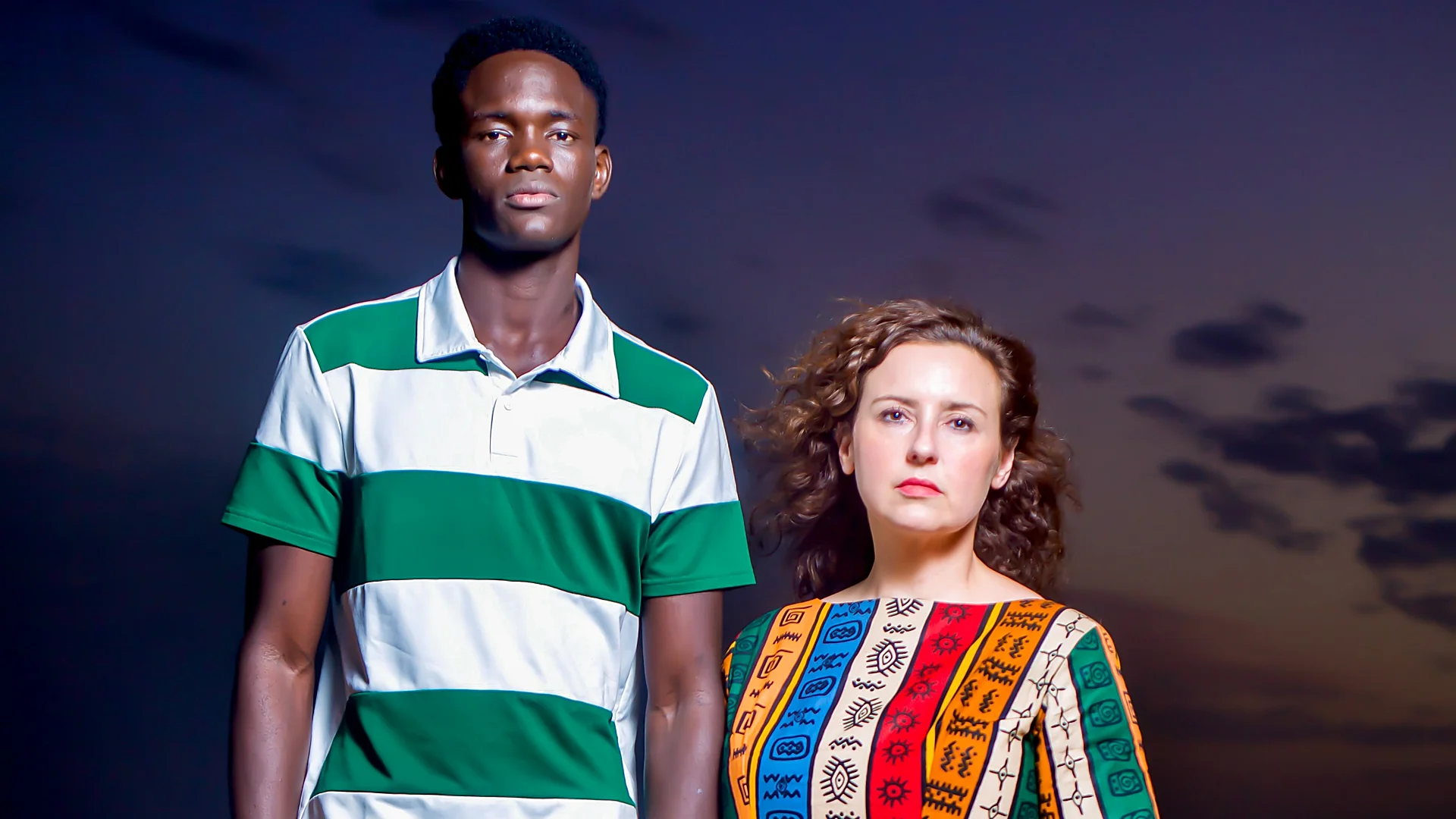
When discussing migrations, the Odyssey also comes to mind. After all, the Homeric is a poem about the journey, uprooting, exile. Christopher Nolan has brought it back to our memory, but so too is the crisis unfolding in Ceuta following the entry of thousands of people between July 30 and 31. Suddenly, Ceuta was the Greek island of Lesbos or the Italian of Lampedusa. Both in our sea, the shared Mediterranean. A symbol of the migratory problem in Europe. Migrants, refugees, asylum, unaccompanied minors, pushbacks… These words have slipped into our everyday speech. They have stirred coexistence and put multiculturalism to the test.
As one would expect, the issue is at the center of the conversation, in politics, society, religion, and culture. So much so that even King Felipe and Queen Letizia have traveled, for the first time, to the autonomous city and presided over an ecumenical ceremony in memory of the people who died at sea when trying to cross the border. The migrant movements have existed always. But it is not the same to read about it in a history book as to live it in the flesh. Mass displacements pose a moral and political challenge. And they are a generator of controversy.
Man has moved from place to place since the night of times. Fleeing drought, hunger, war. Which has placed him face to face with the unknown and the different. «If you did not emigrate, your father did; and if your father did not need to move because your grandfather, before him, had no other choice but to go, carrying life on his shoulders in search of the bread his land denied him.» These are the words of José Saramago. From the author of An Essay on Blindness we easily reach Jorge Volpi and then Hannah Arendt. In short, to these nine books that invite reflection on Ceuta and all Ceutas. In their pages there are many odysseys.
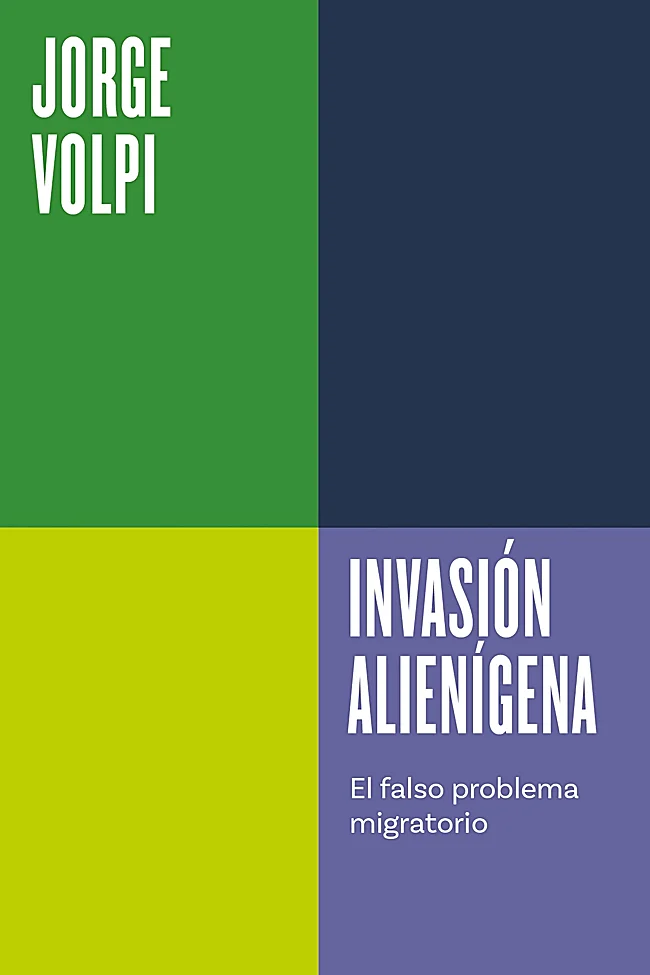
Cover of the essay Alien Invasion, by Jorge Volpi.
Jorge Volpi. Invasión alienígena. Debate
The novelist, essayist and playwright Jorge Volpi defends in this book the thesis that the alien invasion does not exist. Or in other words, “migrants do not collapse borders, do not increase crime, do not take away jobs. And, yet, millions of people are convinced that hordes of foreigners threaten their way of life.” How have we come to this? Volpi dismantles what, in his view, is the greatest fiction of our time: “That lie that turns the most vulnerable into monsters and turns fear into politics.”
The Mexican believes that “the real problem is not migration, but those who insist that it is.” For him, the migratory problem is, to a large extent, “a political fiction”. And the migrant has become “the central monster of our era. Not a political adversary, not a vulnerable worker, not a person in transit, but a strange, threatening, unclassifiable creature. An alien.”
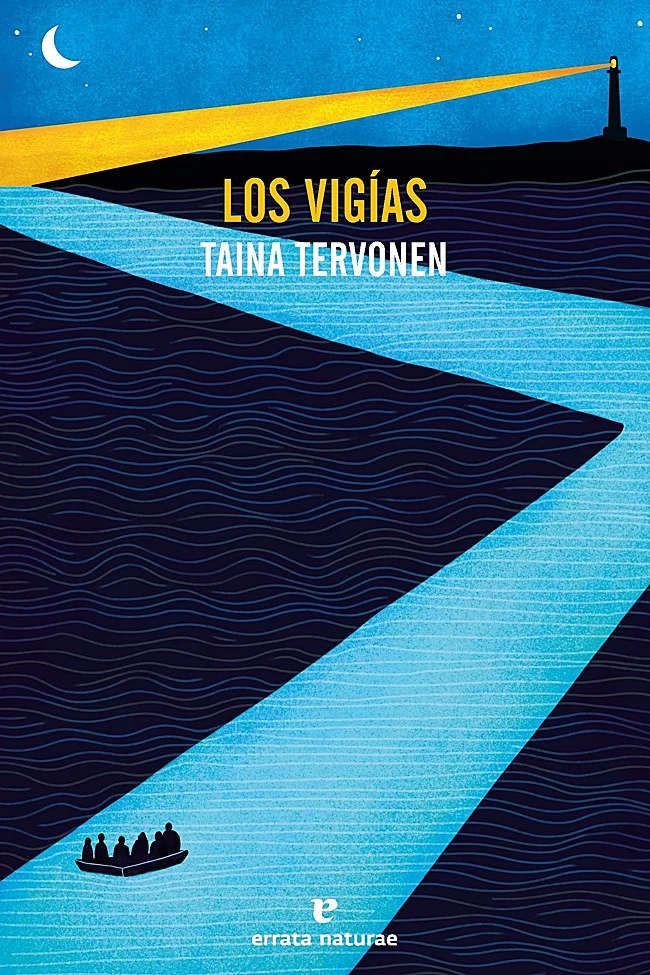
Cover of Los vigías, by Taina Tervonen.
Los vigías. Taina Tervonen. Errata Naturae
“The story is of a disarming simplicity: you must listen to those who need to speak.” The words of Franco-Finnish journalist Taina Tervonen are a good introduction to her book about “the lookouts.” Five sentinels at the borders. Five anonymous, ordinary citizens who work in the shadows for a greater humanity along the routes of exile by sea. They form an informal network that provides assistance to those trying to cross to Europe.
They alert the coast guard, help search for the disappeared, offer weather forecasts to prevent shipwrecks, or communicate directly with people on the route. They are real stories, contemporary and very close. The author asks questions that challenge us as a society. For example: “Why is the Facebook account of a French retiree more helpful to migrants than any European public institution?”.
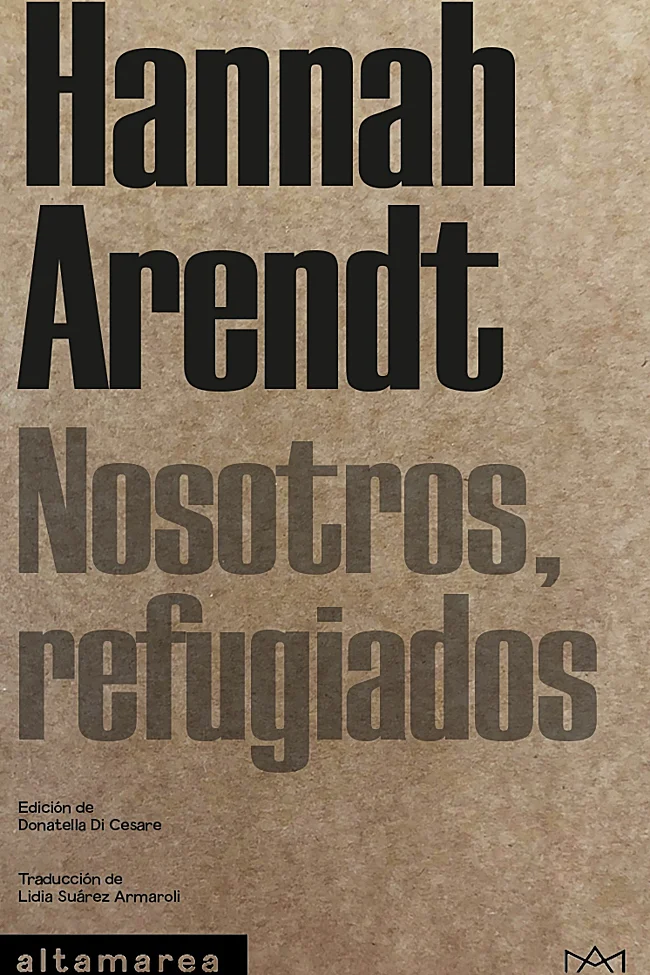
Cover of We, Refugees, by Hannah Arendt.
Nosotros, refugiados. Hannah Arendt. Altamarea
We are facing the first political manifesto on migrations, from the pen of an apátrida like Hannah Arendt, who wrote it in 1943, two years after arriving in New York. Arendt, one of the most influential thinkers of the twentieth century, was born in Hanover and studied at the universities of Marburg, Freiburg, and Heidelberg, where she graduated in Philosophy. Of Jewish origin, she had to emigrate to Paris after the rise of Nazism and then, with the outbreak of World War II, to the United States. The book presents itself as a compass to navigate the current political landscape, where “the mass of those trapped between national borders are considered strange bodies, superfluous, residues of flesh and bone.” This edition includes a critical study by the philosopher and scholar Donatella Di Cesare.
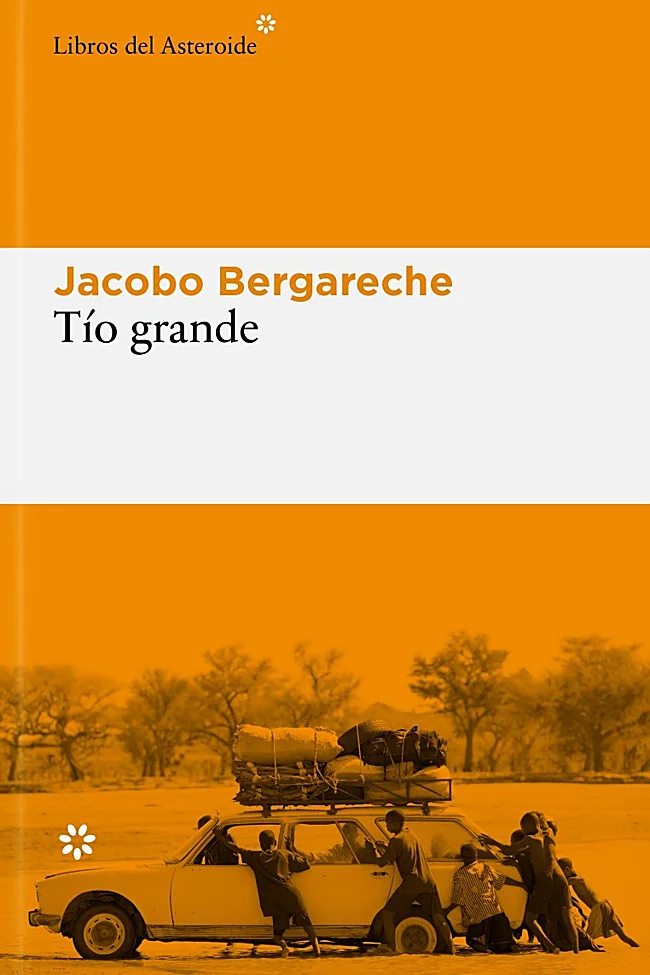
Cover of Big Uncle, by Jacobo Bergareche.
Tío grande. Jacobo Bergareche. Libros del Asteroide
The death of his brother Roque, victim of a mugging in Luanda—the capital of Angola—drew Jacobo Bergareche more vehemently into literature. Now, this down-to-earth story becomes interwoven with that of Amadou, the young man in charge of the place where the memory tournament is organized. Jacobo tells him how the tragic episode happened, and Amadou does the same, with himself as the protagonist. A twelve-year-old boy who flees his home in Guinea-Conakry with five friends. Destination: Europe.
Is it a long journey? No, not a journey, another odyssey. A four-year adventure. And only two of them completed it. From there, Bergareche travels with Amadou to his village, Bominí, which does not appear on maps, looking into the eyes of so many invisible migrants. From there, from that visibility, came Big Uncle, which is a journey and many journeys. A road trip, a journey forward, an inner journey.
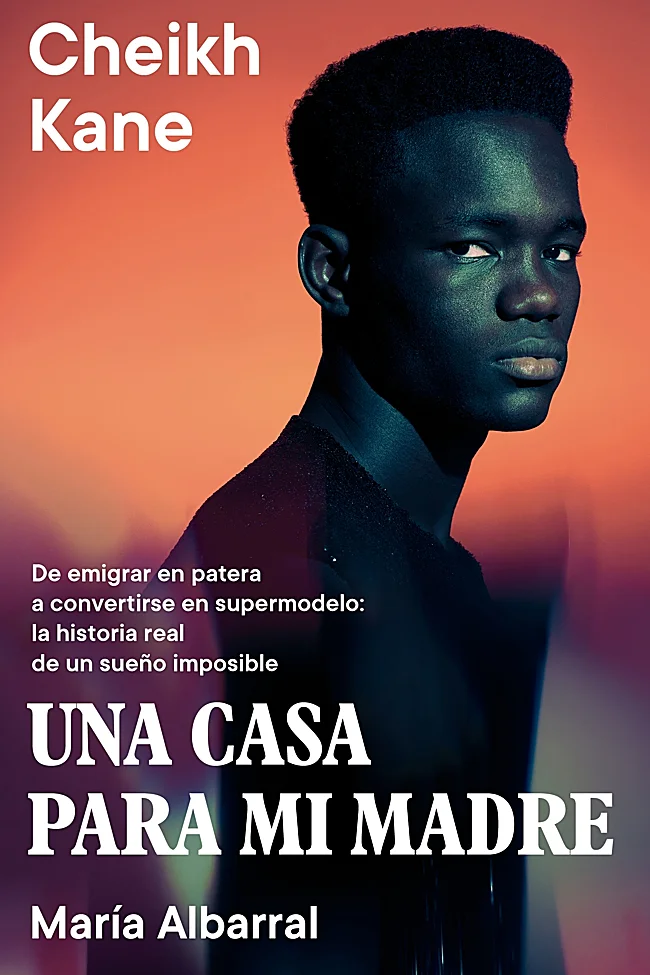
Cover of A House for My Mother, by Cheikh Kane and María Albarral.
Una casa para mi madre. Cheikh Kane y María Albarral. Plaza & Janés
Yes, Cheikh Kane is the protagonist of one of those stories that come into our path from time to time and fascinate us for what they have of dream realized. Cheikh was an inner-city child in a daara—the Qur’anic school—in Senegal, he lived on the streets, he starved, he begged, he suffered abuse, he decided to emigrate, crossed the Atlantic in a cayuco, arrived in the Canary Islands and spent years in Spain without papers making his way. Until a photographer saw him in Marbella. He then began his modeling career. He details this in a book written hand in hand with the Granada-based journalist María Albarral, who first interviewed him and then traveled with him to his country to reconstruct and document his biography. Always with one idea in mind: to build a house for his mother, Mbali.
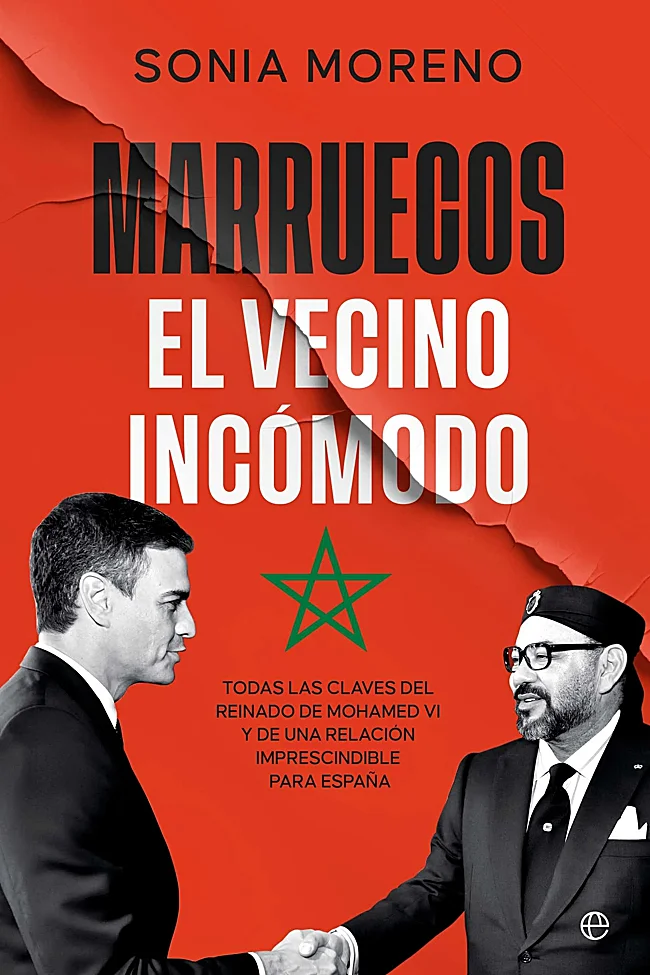
Cover of Morocco, the Uncomfortable Neighbor.
Marruecos, el vecino incómodo. Sonia Moreno. La Esfera de los Libros
The journalist Sonia Moreno, correspondent in Morocco for more than a decade and a specialist in North Africa and the Sahel, puts context to what is happening in Ceuta, emphasizing the geostrategic, territorial and economic ambitions of our southern neighbor. She analyzes, with direct testimonies, the monarchy of Mohamed VI, a regime with intelligence services at odds with each other, which has caused deep social discontent due to the lack of opportunities and continues silencing critical voices through repression. Likewise, she focuses on why this country is essential for Spain in international relations, trade, migratory flows and security. Especially after what happened at the end of July.
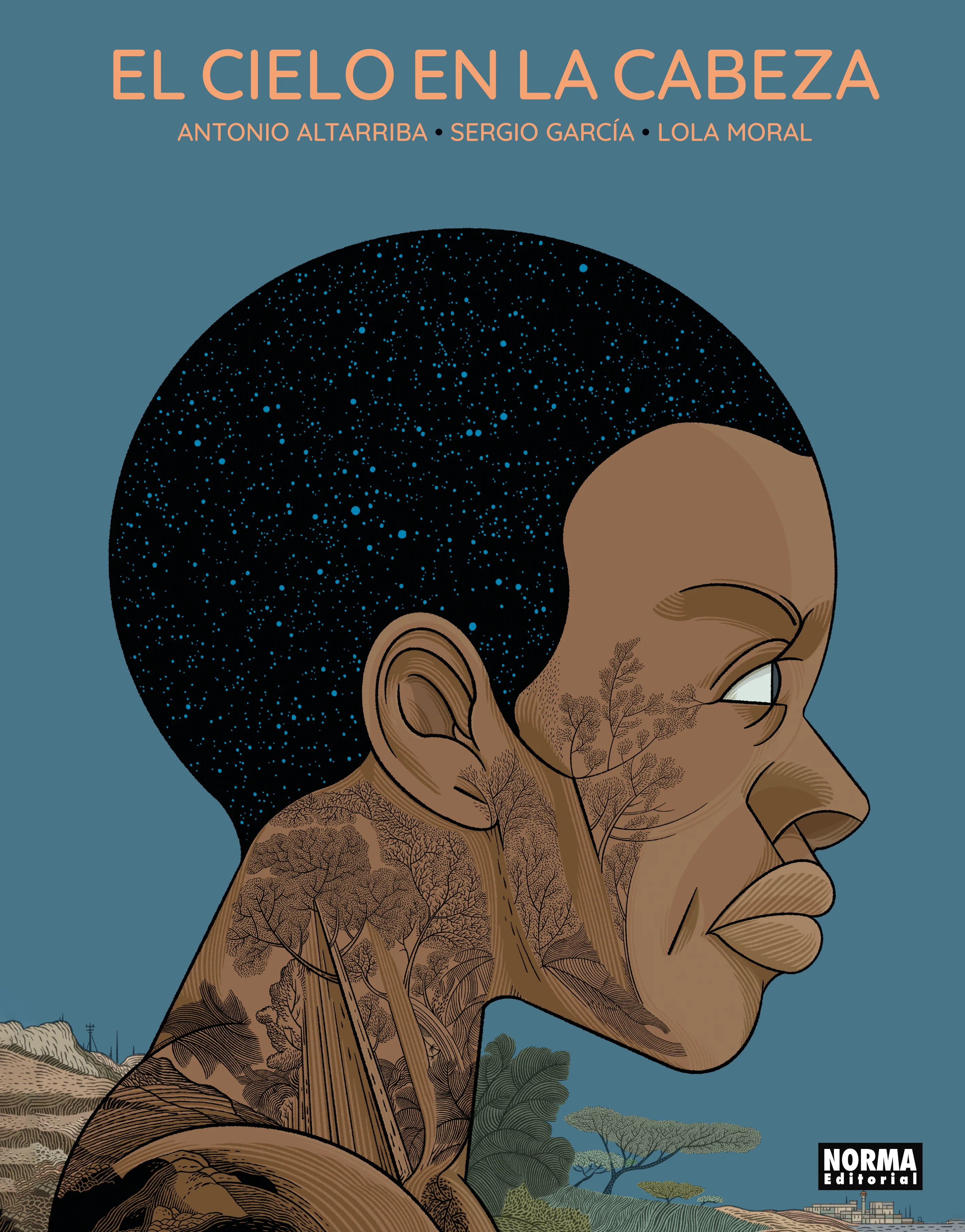
Cover of The Sky in the Head.
El cielo en la cabeza. Antonio Altarriba, Sergio García, Lola Moral. Norma Editorial
This epic is graphic and does not come from Mycenaean times, but from the present. It is based on real events, on “an unfortunate truth”: that of thousands of African immigrants who head toward Europe’s shores. It has, as they specify, echoes of tragedy and touches of magical realism. It is the story of Nivek, for whom the horizon ends at the margins of the coltan mine where he works. After surviving a collapse by miracle, he embarks on a journey in which, like Odysseus, he must face “cyclopes, lestrigones and the furious Poseidon,” as Cavafy narrates in his famous poem Journey to Ithaca.
A terrifying journey through “the beautiful, treacherous and magical lands of Africa on a trek whose distance is measured not in kilometers but in horrors and in human lives.” The script is by Antonio Altarriba, National Cartoon Award for The Art of Flying. The drawings are by Sergio García, National Award for Illustration. And the color is by Lola Moral.
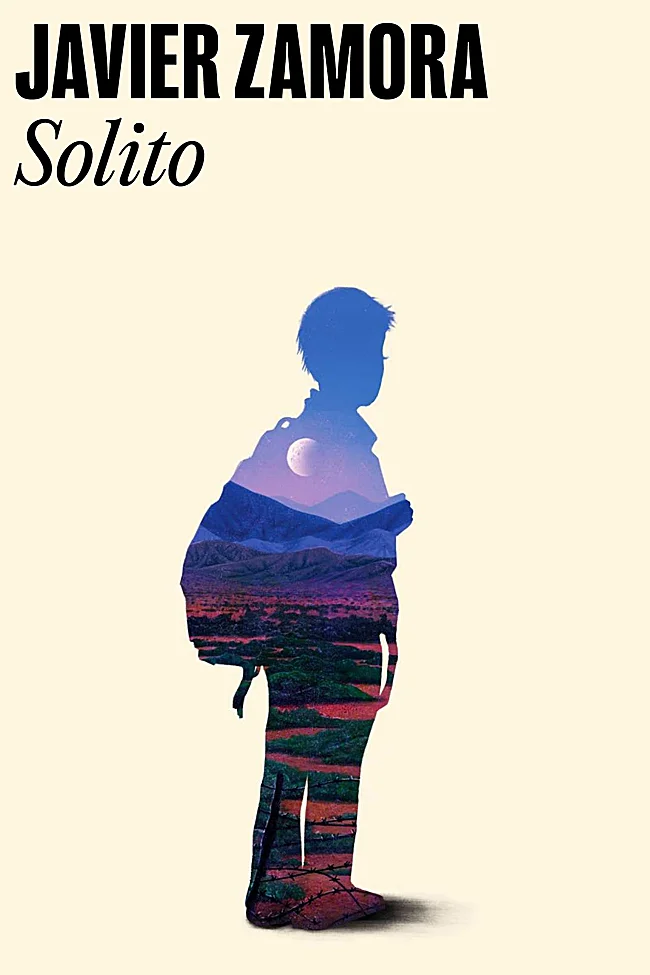
Cover of Solito, by Javier Zamora.
Solito. Javier Zamora. Random House
This is not a novel. It is not fiction. It is the author’s reality, who at only nine years old undertook a journey of five thousand kilometers from his homeland, El Salvador, to the United States. He did it to reunite with his parents. The journey, along with a group of strangers, guided by a coyote, was supposed to last two weeks and ended up lasting two months. This anguished odyssey became an expedition. Through Guatemala, Mexico and the Sonoran Desert. Javier Zamora is not only telling his personal ordeal, but that of millions of human beings who had no choice but to emigrate.
The New York Times review noted that “‘Solito’ is as much a work of personal healing as an implicit demand on countries, including the United States, to address the difficulties and the danger that immigration posed for Zamora and the risks it continues to entail for many other people.” Zamora, who has benefited from several literary fellowships, lives in Tucson (Arizona).
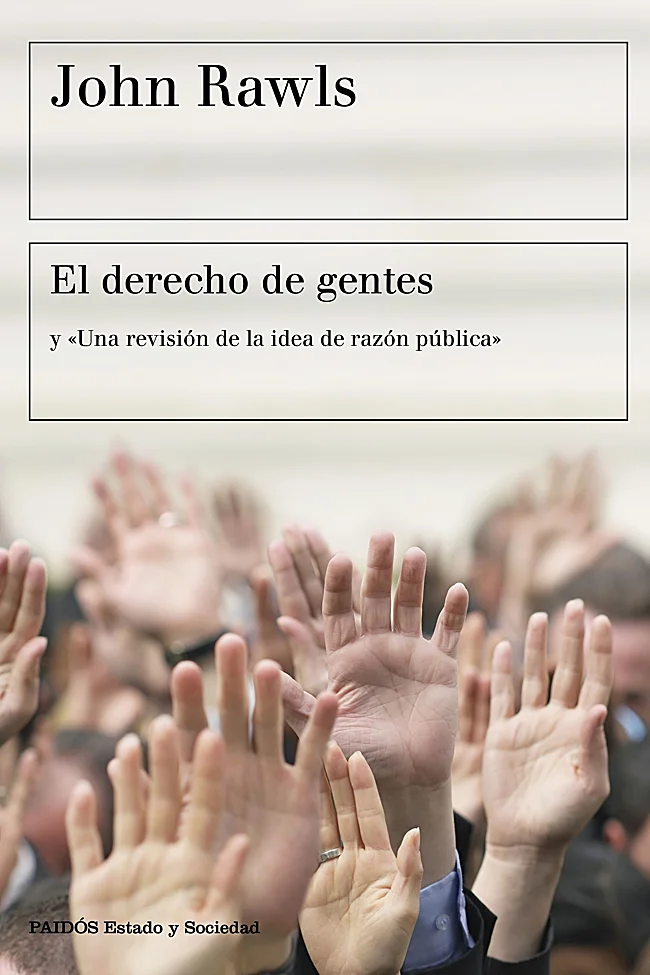
Cover of The Law of Peoples, by John Rawls.
El derecho de gentes. John Rawls. Paidós
It is always good to turn to sages like John Rawls (1921-2002). In this classic of political philosophy, Rawls crafts a “realistic utopia” in which cultural pluralism coexists with global justice. That is, he expands his theory of justice beyond the liberal state to conceive a just and peaceful international order without abandoning the diverse political and cultural traditions. In other words, the American philosopher offers a new framework for establishing fair norms that promote peace, basic human rights, and mutual aid. Author of the essential A Theory of Justice and Justice as Fairness, he taught Moral Philosophy at Harvard University.