For years, perfume has been a declaration of intent: a recognizable trail, a fragrance capable of announcing our presence even before we arrived, and the characteristic phrase “it smells like you.” But the olfactory trend is beginning to swing toward the opposite end. Against fragrances with strong projection, the so-called skin scents seek to stay close to the body and create a much more intimate sensation, as if that pleasant odor were part of our own skin.
This connects with a new way of understanding perfume, more linked to self-care, intimacy and personalization. It’s not necessarily about wearing less perfume or giving up longevity, but about changing the way it relates to the wearer and to those around them. The key is to get the fragrance to blend with the skin rather than imposing itself on it, achieving a scent that is unique and completely personalized for the person.
What is skin scent
The term skin scent, which could be translated as “skin aroma,” refers to those fragrances designed to have a short projection and stay especially close to the body. “A skin scent is designed to feel like you yourself, but in a softer, warmer and cleaner version. It is worn very close to the skin and has a discreet aura, creating a kind of intimate halo,” explains MarieAnna Ferdinand, EVP Fragrance Development of Le Monde Gourmand. Experts at the Perfume Academy consider that “these are perfumes that seek more intimacy than impact, resulting in a soft aroma that can give the impression that the person simply smells that way, without it being obvious that they are wearing a perfume.” They also note that “the same fragrance can smell slightly different from person to person, as well as evolve differently according to each skin’s chemistry.”
Meanwhile, Miguel Bartolomé, Marketing and Communication Manager of Isolée, believes that, although there are other trends that maximize rising scents, “a skin scent does not mean low quality, concentration or longevity.” For the expert, “the difference lies, primarily, in how it is constructed, how it behaves on the skin and what story and sensation we want to tell (and share).”
What does a skin scent fragrance smell like
Some of the families most linked to this type of aroma are, as Miguel Bartolomé notes, “musk, certain soft woods, amber accords, ambroxan, iris or leather notes,” which join with “aromatic molecules that impart a clean, warm and enveloping sensation without being overly invasive.” The professional explains that “musk is especially important because it can bring that impression of clean, warm, and slightly velvety skin.” The molecules mentioned by the expert “are capable of reproducing or suggesting facets of skin, freshly washed clothes, clean air, or a pleasant bodily sensation.”
That said, the formula is essential because “a composition may contain very potent raw materials, but if they are balanced to stay close to the body, the result can be much more intimate.” From Le Monde Gourmand, MarieAnna Ferdinand also considers notes “transparent florals like hedione, which add luminosity without feeling heavy” and some “creamy facets such as subtle sandalwood notes, iris and lactones, with milky or peach-skin nuances that convey that softness similar to a body lotion.”
The popularity following the skin scent
If we want to mark our olfactory essence, why do these perfumes succeed? MarieAnna Ferdinand believes that “consumers are reducing noise, both in the digital and sensory realms,” and notes that “fragrance has increasingly become a self-care ritual and a tool to accompany our mood, not only a means of projecting ourselves to others.” The perfume thus takes on a more personal dimension as we move “from wearing perfume for others to wearing it for ourselves.”
In this regard, Miguel Bartolomé agrees, recalling that “for years, perfume worked as a kind of public signature we wanted to be recognized, to leave a trail and to announce our presence.” The professional explains that “luxury is also shifting toward more discreet experiences, toward things that don’t necessarily need to be seen or recognized by the whole world.” Additionally, social media has popularized concepts such as “your skin but better,” “clean girl,” “signature scent,” or “office-safe fragrance.” Therefore, “there is much more talk about perfumes that are pleasant in shared spaces and do not fill the room, fitting into a self-care ritual that goes beyond the external.” The professional concludes that “two different ways of understanding perfumery coexist: fragrance as a declaration and fragrance as a personal experience.”
The skin as another element of the formula
Perhaps the most interesting aspect of the skin scent is that the skin plays a key role, as it can modify how we perceive the aroma. For Bartolomé, “the goal is for the fragrance to fuse with our skin. The perfume doesn’t smell exactly the same on everyone.” Among the factors that affect it are “the skin’s pH, temperature, hydration, oil level, sweat….” The skin microbiota itself, which interacts with the compounds present on our skin and can contribute to perception differences. The expert clarifies that “in a very potent fragrance, these differences may be partially hidden by the fragrance’s own intensity.” In contrast, in a skin scent, where the fragrance is much closer to the body odor, the wearer’s personality becomes part of the olfactory experience.
When applying them, the Perfume Academy highlights that “these types of fragrances are especially designed to interact with the body’s natural chemistry.” They recommend “spritzing it directly on the skin” because “it allows the perfume to evolve in a different way for each person.” Ferdinand of Le Monde Gourmand adds that “moisturizing the skin before applying the fragrance, spraying it on the pulse points, and testing it for a full day are some of the best ways to see how it truly evolves on each person.” With this in mind, can we take personalization to the extreme with layering? For Ferdinand, it’s a good idea because “they can be understood as a kind of soft-focus filter on which to build other fragrances.” However, Bartolomé believes that “it stops being a skin scent as such,” and the professional concludes that “the key is not to understand it as a mere sum of perfumes, but as a way to modify the texture and the behavior of a fragrance.”
Fragrances to amplify the skin scent
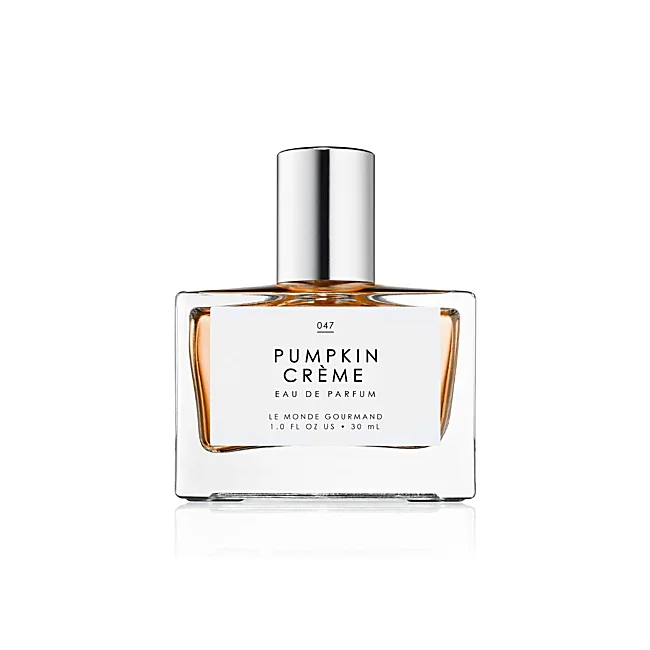
Pumpkin Crème de Le Monde Gourmand.
Le Monde Gourmand
Pumpkin Crème is a perfume with autumn notes that blends with the skin. A warm fragrance with pumpkin notes, foamed milk, musk or sandalwood. A warm gourmand perfect for this time of year. (32 euros)
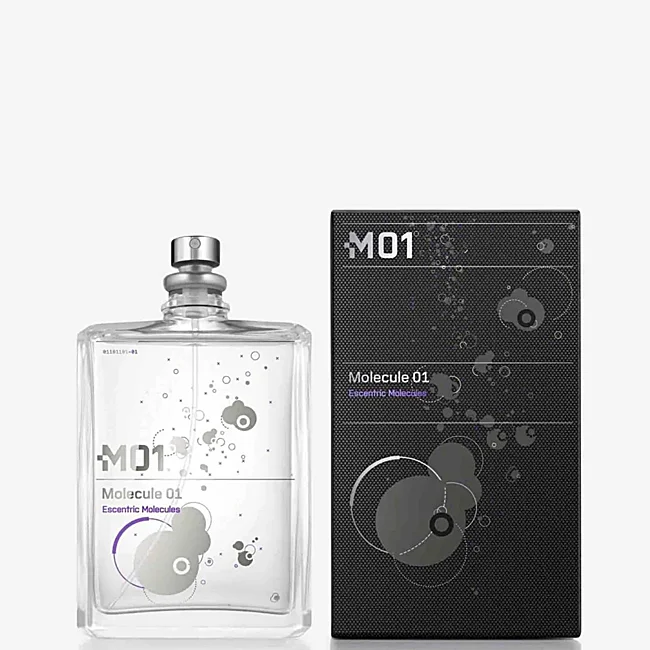
Molecule 01 by Escentric Molecules.
Escentric Molecules
This perfume, available at Isolée, is one of the great examples of the skin scent. A fragrance launched in 2006 that combines lime, pink pepper and aldehydes in its top notes. (155 euros)
Musk Therapy by Initio Parfums Privée.
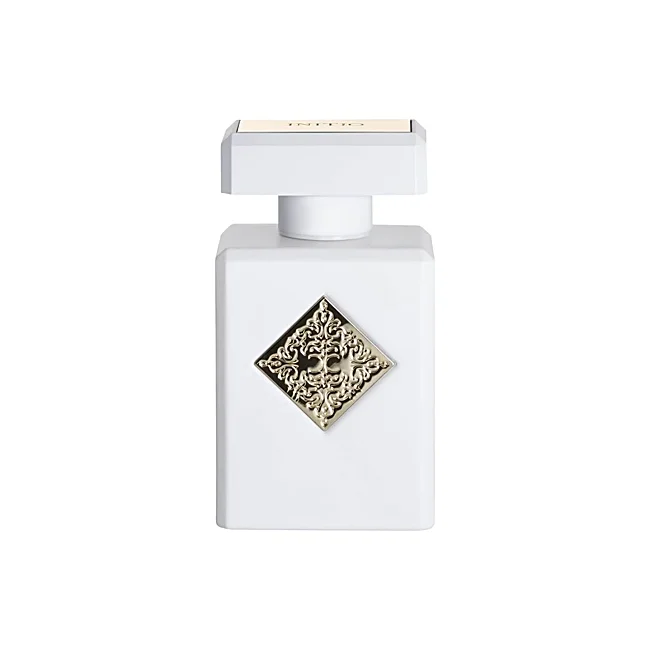
Initio Parfums Privée
Musk Therapy is a fragrance from the citrus family that features notes of white sandalwood, musk and rose. A product to achieve a state of relaxation and well-being, that energizes. (Available at Isolée, 290 euros)
Jasmin des Anges by Dior.
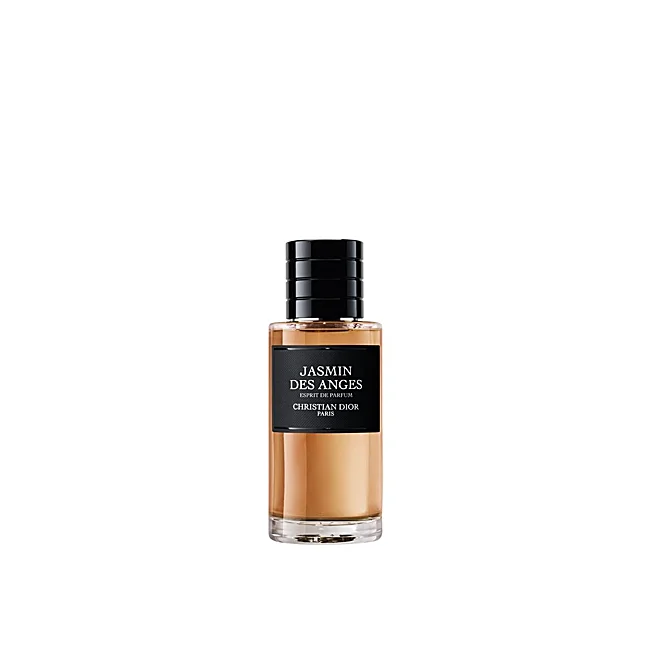
Dior
Jasmin des Anges is an eau de parfum with floral notes of apricot, blossom and honey. Of medium intensity, it combines the popular gourmand notes with the sunny floral. It belongs to the couture collection of the house. (300 euros)
L’Enfant Terrible by Givenchy.
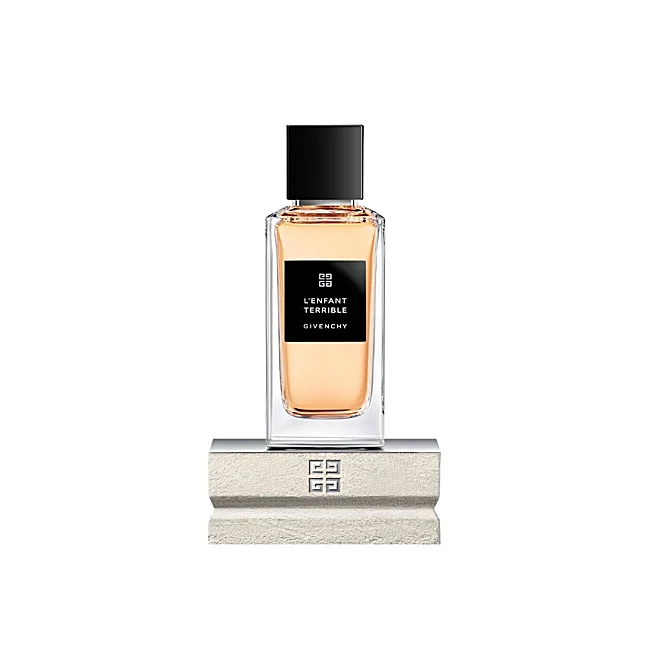
Givenchy
Part of the Particuliére collection, L’Enfant Terrible combines citrus, woody and musk notes. It blends bergamot, ginger and cedarwood. A fragrance that fuses with the skin, providing an intense freshness. (190 euros)
Easy Bake Intense by Huda Beauty.
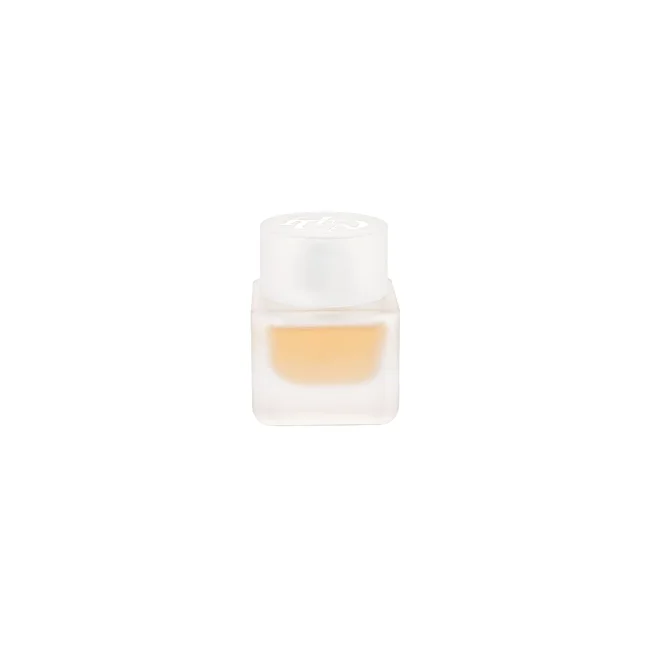
Huda Beauty
The scent of the iconic setting powders now in a perfume. Easy Bake Intense is a rich and intense fragrance. Notable notes include cinnamon, caramel milk or vanilla. (Available at Sephora, 79 euros)
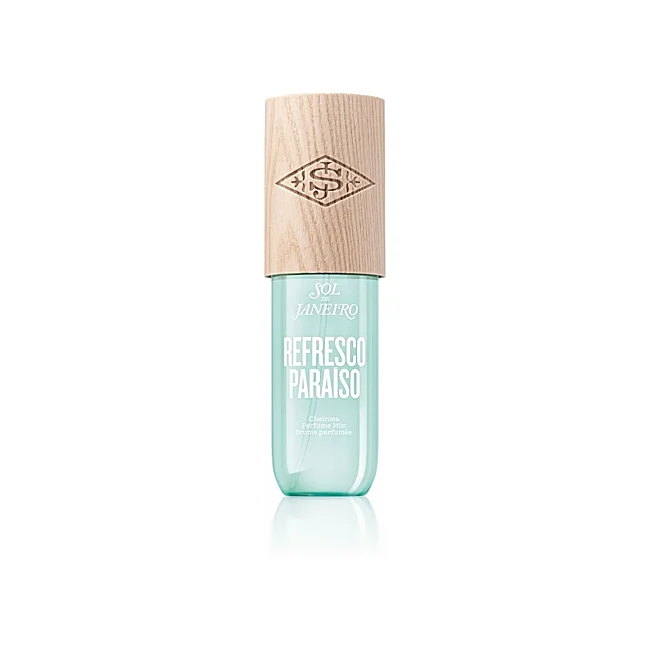
Paradise Refresh by Sol de Janeiro.
Sol de Janeiro
Sol de Janeiro’s mists have become one of the brand’s most viral products. Paradise Refresh draws inspiration from the scent of summer and its tropical aromas. It blends with the skin and can also be used on the hair. (Available at Sephora, 27 euros)
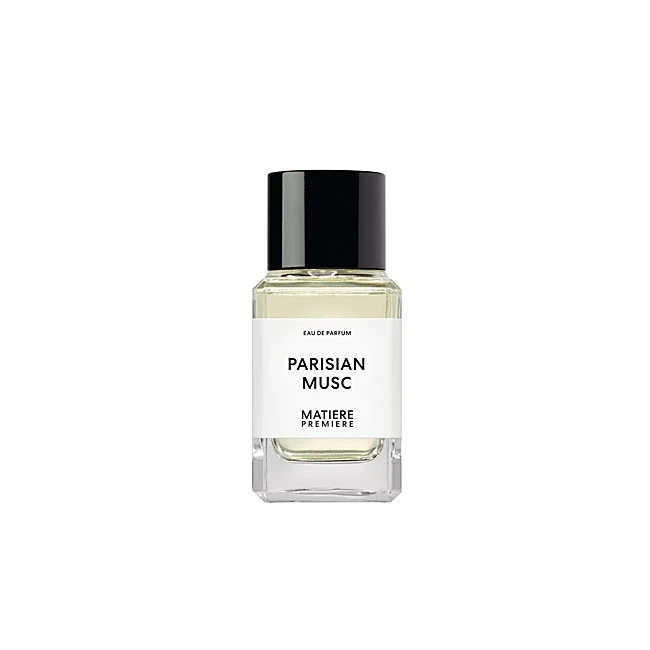
Parisian Musc by Matiere Premiere.
Matiere Premiere
Parisian Musc is an eau de parfum that blends Virginia cedar notes with an ambrette musk heart and musk, ambrettolide and ambroxan base notes. Woody accords fuse with the skin and enhance its aroma. (Available at Isolée, 250 euros)