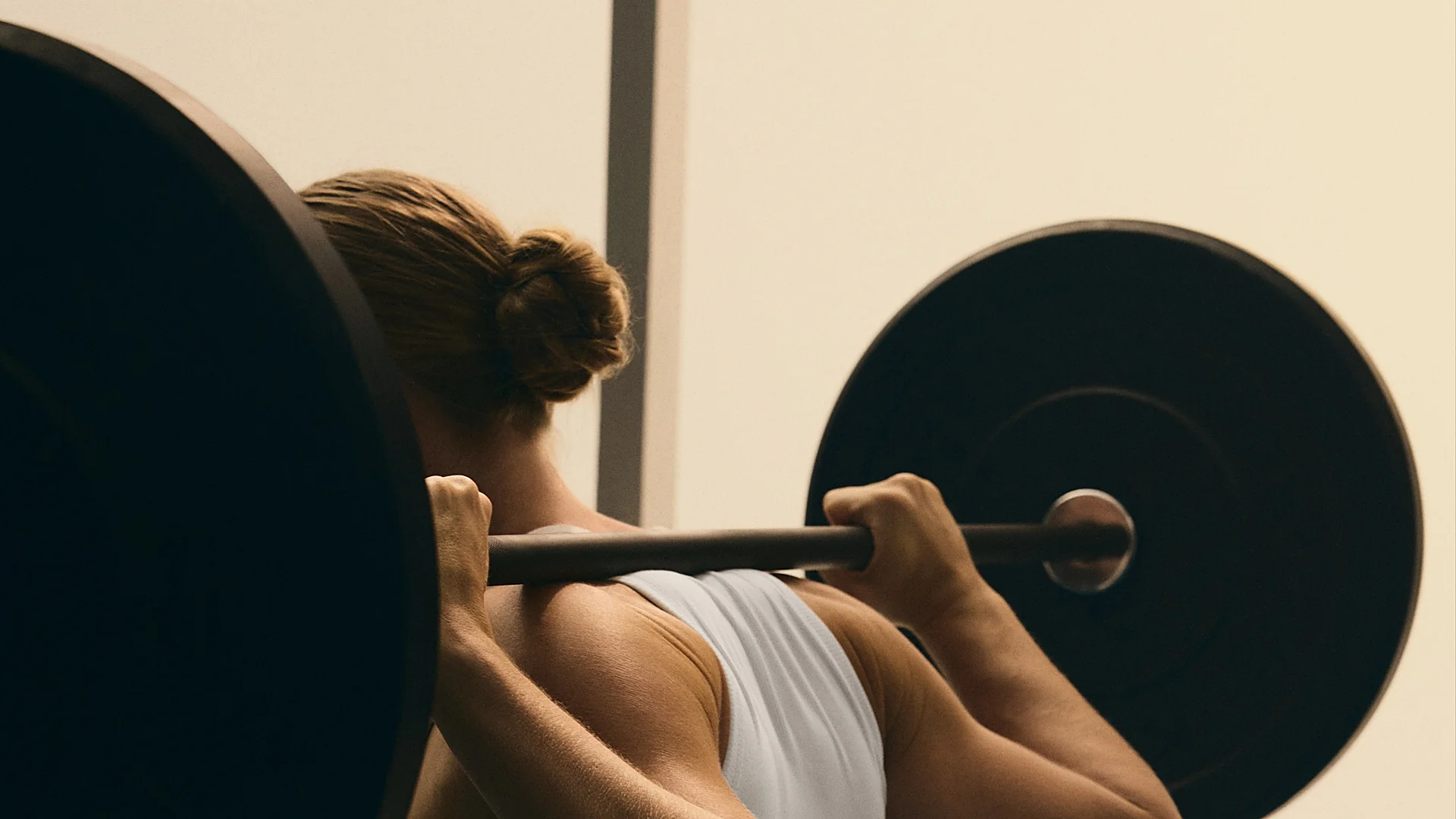
Chest, shoulder, triceps, forearms and abdomen working at the same time, with body weight as the only resistance. Daniel Martínez, Gym Supervisor at David Lloyd Clubs, explains why the push-up remains, for him, one of the most complete exercises that exist: «It is one of the most complete exercises, firstly because it is very low-impact and secondly because you are moving a large amount of weight with a zero-injury position. I not only recommend it from 45 onwards, but for all ages».
Wrists, however, are the point that most often fails, and not only after 45. «If you take a 20-year-old person who is not trained and put them to do push-ups, since the wrist has to perform a large flexion, it generates tension in a joint area that is not used to it and can cause injuries», explains Martínez. Beyond that age, another factor comes into play.
«From 45 years old, especially women, due to the loss of bone density caused by hormonal changes, have more problems in the joints», says Martínez. Less bone density means tendons with more friction and a wrist that no longer tolerates the load as before.
The key is to keep the wrist aligned, not bent under the weight of the body. «Do not have the palm of the hand on the floor; instead, grab dumbbells and work the wrists just below the elbows. There we would not lose any muscular stimulus», explains Martínez. If even so the pressure on the upper body remains excessive, supporting the knees on the floor reduces the load without changing the movement pattern.
How to adapt the position to avoid loading the wrist
Starting from scratch requires a clear progression, from less demanding to more. «First what we have to do is give less load to the muscle groups activated in push-ups, and we do this with the knees supported», details Martínez. The next step is to support one knee, leaving the other leg extended, and help yourself with bands or other grips to facilitate the ascent while continuing to gain strength.
Before attempting the full push-up, it is advisable to strengthen the muscles involved separately. «From there we could do specific work for arms, chest and shoulders that does not have to be push-ups to strengthen those areas, and work toward reaching the perfect push-up with the legs extended», explains Martínez.
That combination of isolated work and gradual progression is what allows safely reaching the complete version of the exercise.
Do adaptations reduce the real muscular stimulus? Martínez is clear: no. «From 45 onwards, the necessary adaptations would never reduce the muscular stimulus, because an untrained person, for example, a normal push-up will not be able to perform nor will be able to adapt the musculature», he states. The thing to adapt is the exercise to the person, not renouncing the exercise because you cannot do the most demanding version from day one.
Any injury, according to Martínez, represents a setback in muscle recovery, so starting with the appropriate version is not a limitation, but the correct way to progress. «The first thing we are going to do is an adaptation phase; that phase will grow little by little and you will increasingly seek a bigger challenge and give your body more demand», summarizes.
With knees supported, wrists aligned and a progression that gradually adds difficulty, adapted push-ups are not a inferior version of the exercise: they are the real path toward the full push-up. The final objective remains the same, strong chest, triceps and core, only built without risking the most fragile area of the body from the age of 45.