
After weeks of sun, beach and pool, it is quite common to notice that the skin is no longer the same as at the start of summer. It may feel tighter, rougher and drier and, in some cases, begin to shed small flakes, especially on areas such as the legs, arms, décolletage, or shoulders.
Although we tend to immediately relate peeling to a sunburn, there does not have to be an obvious burn behind it. The sun, heat, and repeated exposure to seawater or pool water can end up affecting the skin’s ability to retain water and stay protected.
Why is your skin peeling?
One of the reasons lies in water loss and in the alteration of the barrier that protects the skin surface. Additionally, sun exposure itself causes changes in the epidermis. Segurado explains that one of the skin’s defensive mechanisms against prolonged exposure is to thicken, which contributes to the end of summer when we may perceive it as rougher and duller.
Therefore, that the skin peels does not necessarily imply that we have suffered a major burn a few days earlier. Sometimes it is simply caused by dehydration, extreme temperatures, repeated contact with water, chlorinated pools, some soaps, and exfoliants that are too aggressive.
Does chlorine have anything to do with it?
There is another gesture we repeatedly perform on vacation: entering and leaving the water. And although a bath feels refreshing, leaving traces of chlorine, salt and sweat on the skin for hours is not the best idea when we want to keep it comfortable.
It is not about compensating it with an especially intense cleanse. On the contrary. When the skin is dry or sensitized, it is important that shower be gentle and to avoid overusing products that can remove even more of the surface lipids.
Why you should check the skin before exfoliating
This point is especially important because the first reaction when we see rough skin is usually to use an exfoliant. And it is not always the right moment.
If there is redness, stinging, sensitivity or the skin is peeling after a burn, it is worth temporarily setting aside physical exfoliants and the more intense actives and focusing first on restoring the skin’s comfort.
It is different a skin that is peeling as a consequence of a recent aggressor than one that, once recovered, simply presents a slightly thicker or duller texture after the summer. In this second case, a dermatologist can advise when and how to reintroduce renewing ingredients according to skin type.
How to recover dry and peeling skin
The objective is to reduce what continues to irritate the skin and to restore water and lipids. After the beach or the pool, we can start by rinsing off salt, chlorine and sweat as soon as possible with a shower and using a gentle cleanser.
Dermatologist Leire Barrutia (@dermisphere) insists that, when the skin is damaged, it is wise to simplify the routine. She recommends using “gentle cleansers that do not contain any exfoliating ingredient” and turning to reparative and soothing creams. She also advises temporarily setting aside those actives that could increase irritation of already sensitized skin.
In a recent interview, dermatologist Ana Molina, from the Spanish Academy of Dermatology and Venereology (AEDV) recommends applying after sun exposure soothing products that help repair the skin barrier. The specialist explains that these cosmetics not only provide a sense of comfort but also help to restore a barrier that has been subjected to different aggressions during the day.
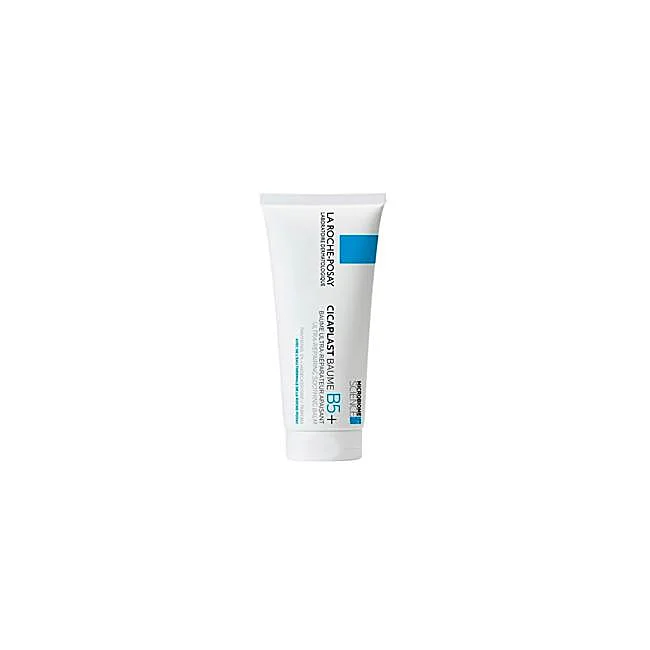
La Roche-Posay Cicaplast Cream.
The AEDV also advises using moisturizers capable of both attracting water to the skin and reducing its evaporation. Among the ingredients mentioned to achieve this are glycerin, urea, hyaluronic acid, ceramides, and different occlusive substances.
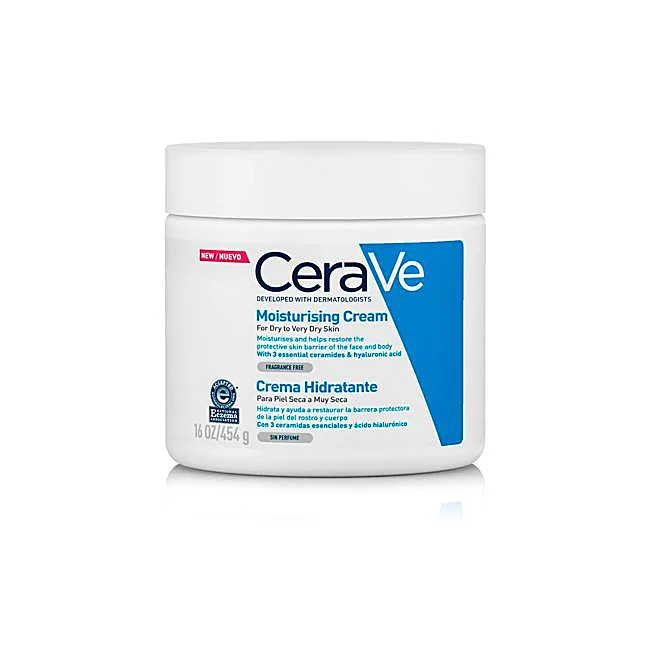
CeraVe moisturizing cream.
The sunscreen remains essential
There is one last gesture we should not abandon right now. Whether vacations are ending or the skin is dry, it does not mean that it has stopped accumulating the effects of ultraviolet radiation.
And if the peeling does not improve after restoring a moisturizing routine, it appears with a lot of itching, redness or lesions, or does not seem related to sun exposure or the summer dryness, it is advisable to consult a dermatologist. Not every peeling skin needs more exfoliation.