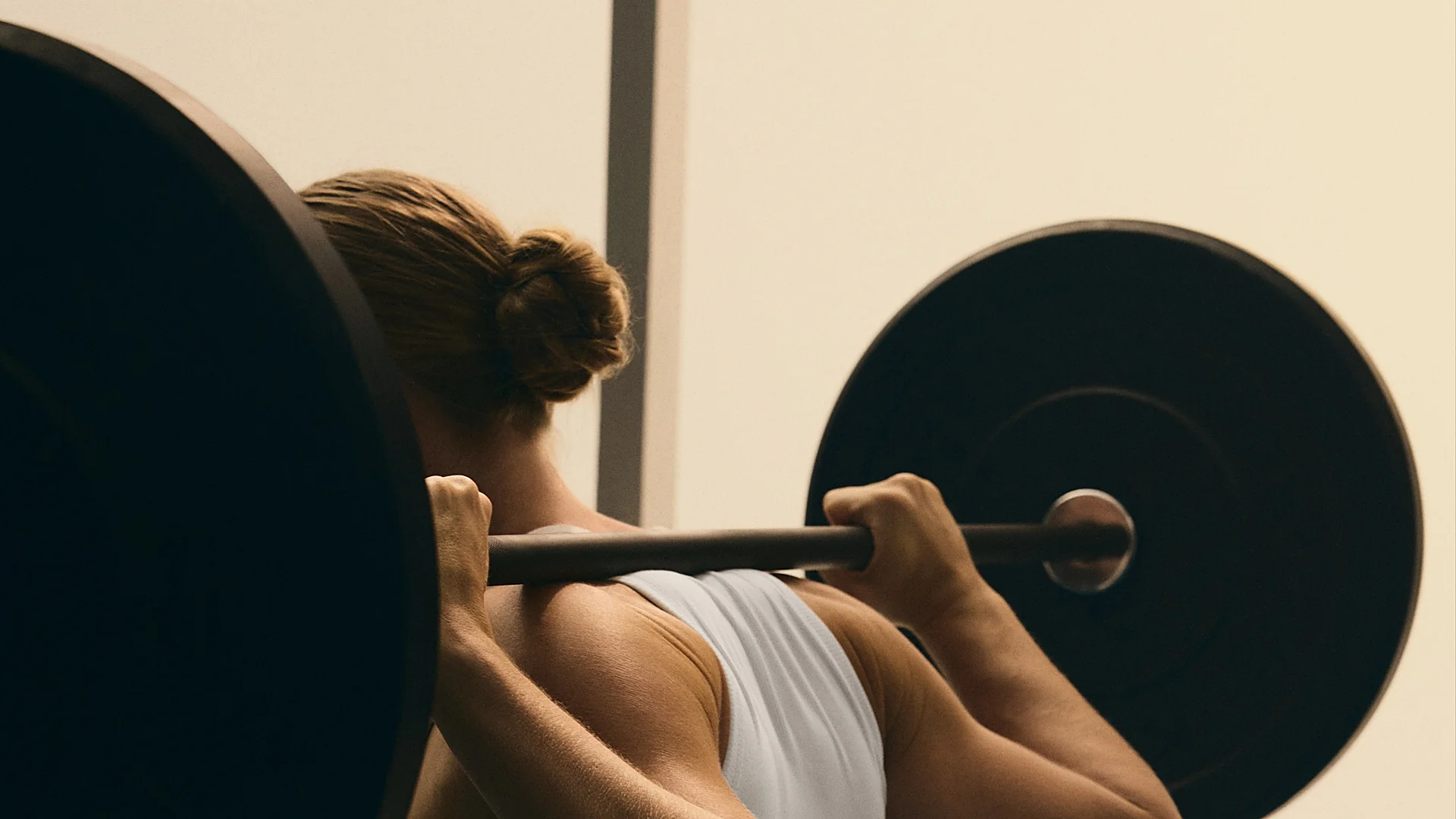
“I don’t do that, that’s for men.” Patricia Vera, wellness coach and specialist in female training at Malagaentrena, hears that phrase constantly when she proposes pull-ups to her clients. Assisted pull-ups, however, are far from being an exercise reserved for athletes. “Well-adapted, assisted pull-ups can be one of the best exercises to strengthen the back, the arms and improve posture after 45,” explains Vera.
The common mistake at the start is wanting to hang from the bar without any help. “There is no need to start by hanging from a bar and trying to lift all the weight of your body. In fact, that is often the mistake. The ideal is to start with assisted versions, where part of the weight is unloaded and the person can learn the movement safely,” says Vera. Achieving a pull-up, for many women, is also a mental shift: moving from “I can’t” to proving that the body responds when trained with a method.
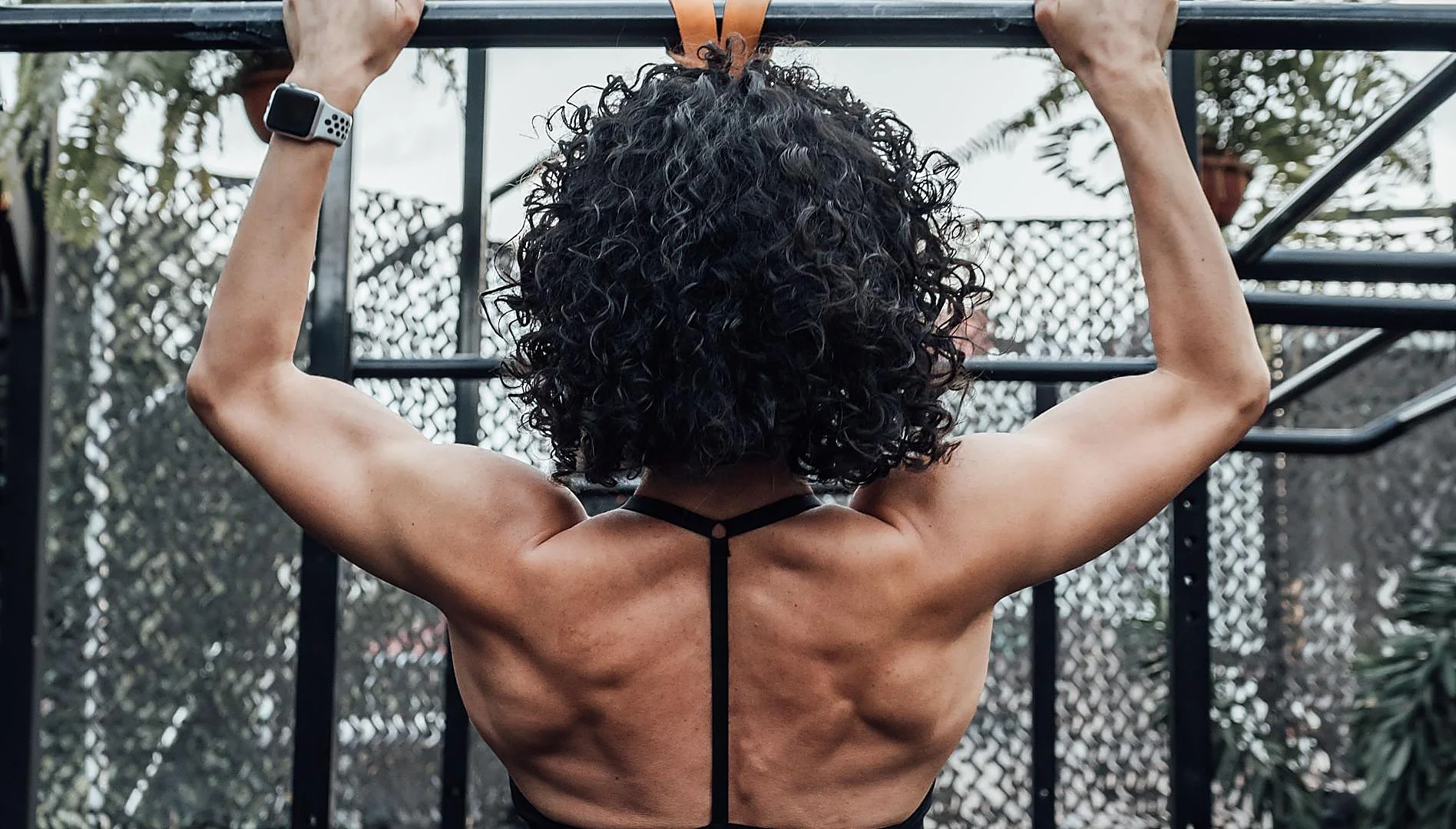
The latissimus dorsi, one of the largest muscles in the upper body, is the main protagonist of the movement. “The trapezius, rhomboids, posterior deltoid, biceps, forearms, scapular muscles and the core also participate. A well-executed pull-up should be felt mostly in the back,” explains Vera. After 45, that musculature tends to weaken: forward-shouldered posture, less firm upper back, cervical discomfort or a sense of loss of arm strength are very common signals.
Compared to the cable pulldown, assisted pull-ups have a concrete advantage. “They resemble more closely the real movement of moving the body in space. They require more core control, more scapular stability and more body awareness,” explains Vera. That doesn’t mean discarding the pulldown: “I wouldn’t pit them against it. For many women, the ideal is to combine pulldowns, rows and assisted pull-ups,” clarifies the trainer.
How to perform them correctly
The most common error is pulling only with the arms. “The pull-up should start from the back and the scapulae. Before bending the elbows, you have to think about lowering the shoulders, moving the ears away from the shoulders and activating the back,” explains Vera. Then you pull down, bringing the elbows toward the body and slightly backward, with the abdomen active so the body doesn’t swing.
The control points she checks from the first repetition are concrete: “Shoulders away from the ears, active scapulae, elbows lowering toward the body, firm abdomen, no swaying, neck relaxed, slow descent, no shoulder or elbow pain,” enumerates Vera. A simple trick completely changes the feel of the exercise: “First lower the shoulders, then pull with the elbows”.
Progression to the unassisted pull-up
Not all women need to reach the unassisted pull-up, but those who want to work on it can follow a clear progression. “First I would start strengthening the back with rows, lat pulldowns on a machine or with a band, face pull and grip work. Then I would introduce heavily assisted pull-ups, prioritizing technique,” explains Vera. Little by little the assistance is reduced, with a lighter band or less help on the machine, and eccentric and isometric pull-ups are incorporated to keep advancing.
The time required varies greatly depending on the starting point. “There are women who in 3 or 4 months already achieve an assisted pull-up with very little help or a very good partial rep. Others take 6 months, 9 months or more to approach an unassisted pull-up. And that’s fine,” says Vera. In clients over 45 starting from scratch, the goal is not to promise a pull-up in a specific number of weeks, but that each month they are stronger and need less assistance.
“Success is not only about achieving a pull-up without assistance. Success also is that a woman who has never trained her back can do lat pulldowns, rows, assisted pull-ups, feel stronger, improve posture and notice her arms firmer,” summarizes Vera. Assisted pull-ups can become a benchmark exercise after 45, as long as they are accompanied by other back exercises and built with patience, not with the haste to reach the hardest version as soon as possible.