During the summer, almost every aspect of the body’s internal clock is altered. Salena Sainz, a nutritionist and contributor to the World Avocado Organization, explains it from the starting point: “We change our sleep and meal times, we eat out more often, fiber intake may decrease and alcohol, ice cream, snacks or more processed foods may increase. Even though we eat less due to the heat, we are not necessarily eating better.” This directly affects the pace of the gut and the microbiota, promoting constipation, bloating or greater irregularity.
September should not be the month of compromises. “It is a good moment to recover three pillars: regularity in schedules, a greater presence of plant-based foods, and adequate hydration,” says Sainz. This is not about doing a cleansing diet, but about restoring to the body a routine that again supports digestion and more stable energy levels.
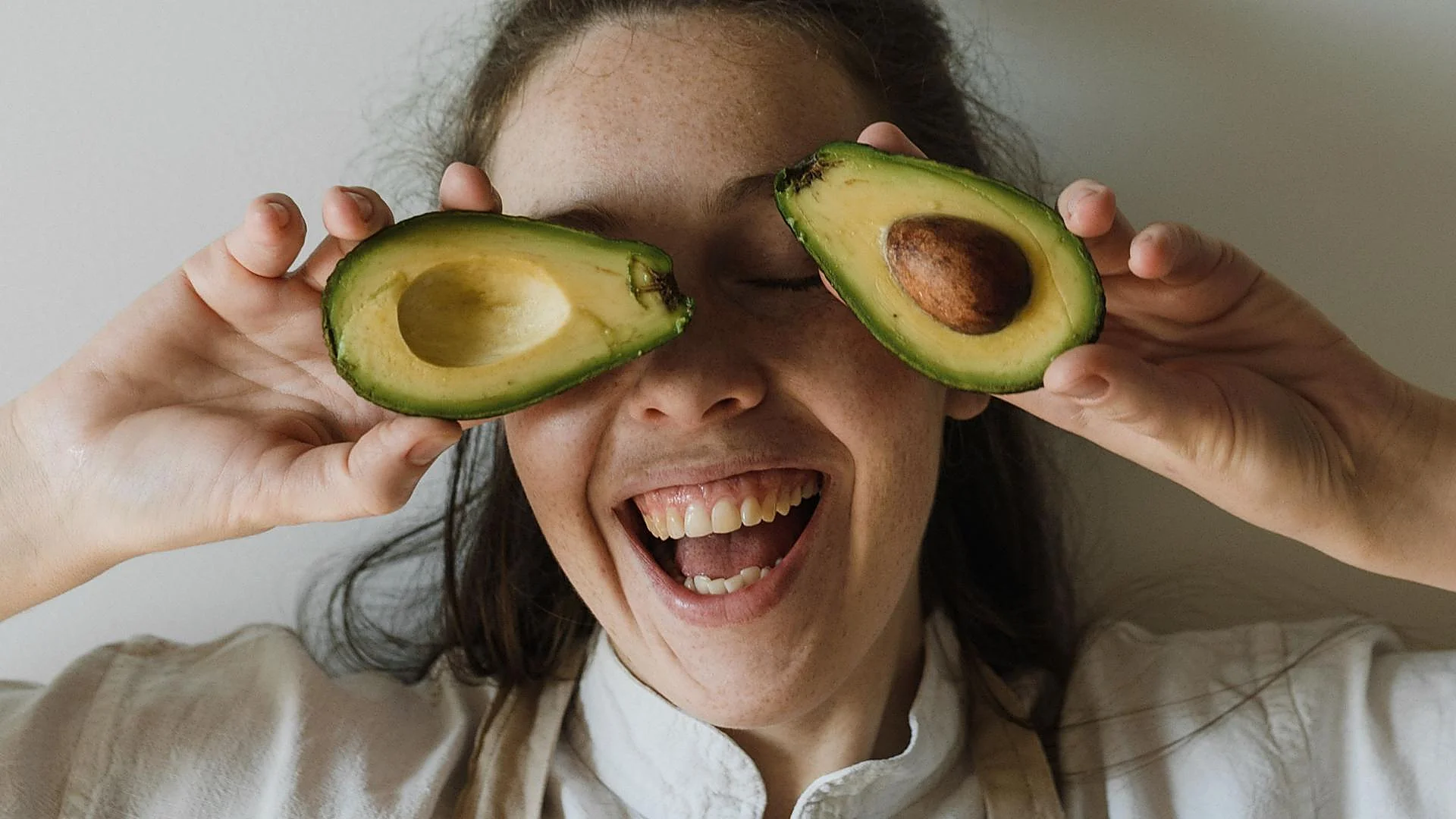
Figs, plums, grapes, pears, apples, pumpkin, eggplant, and leafy greens are the season’s main protagonists. “What matters is not only that they are in season, but what they provide: water, different types of fiber and plant compounds that contribute to increasing the variety of our diet,” explains Sainz. In addition, year-round foods such as legumes, oats, seeds, nuts or avocado are available, the latter especially interesting because it combines fiber with predominantly monounsaturated fats.
Why Variety Matters More Than a Single Food
Looking for a “superfood” to regulate bowel movements is, according to Sainz, an error of approach. “For our microbiota it is much more interesting to alternate different fruits, vegetables, legumes, seeds and nuts than to obsess about finding a single superfood to go to the bathroom,” she explains. Diversity, not exclusivity, is what makes the difference.
The common mistake when seeking energy is betting on what provides a quick lift. “When we want to recover energy, the usual mistake is to look for foods that provide immediate energy: sugar, pastries, juices, sugary drinks or excess caffeine. We may notice a rapid stimulant, but that doesn’t necessarily mean we will maintain a good energy level in the following hours,” warns Sainz. What she prioritizes is how the plate is built: protein, vegetables or fruit, fiber-rich carbohydrates and a source of healthy fat.
Whole-grain bread with egg, tomato and avocado in the morning. Lentils with vegetables, brown rice and olive oil at noon. The combined presence of protein, fiber and fat makes digestion and absorption more gradual and also increases satiety, explains Sainz. For this season, her favorite protein choice in tomato and avocado salads is bonito del Norte.
Salena Sainz, nutricionista y colaboradora de la Organización Mundial del Aguacate.

How to Structure the Day’s Meals
More than adding loose foods, Sainz recommends reorganizing the whole plate. “A simple formula is to ensure that in the main meals there is a good amount of vegetables, a source of protein, quality carbohydrates according to our needs and healthy fat,” she explains. For breakfast, she suggests yogurt or kefir with oats, fruit and nuts, or a whole-grain toast with egg and half a small avocado. For lunch, a chickpea salad with tomato, vegetables, avocado and olive oil. For dinner, vegetables paired with fish, egg, tofu or legumes.
Increasing fiber without caring for hydration can have the opposite effect to the desired one. “It’s important to remember that increasing fiber a lot without increasing water can achieve exactly the opposite effect. Fiber needs adequate hydration and also physical movement to function properly,” warns Sainz.
Can diet alone reset the body after summer? “No single food will reset our body after vacation. We can eat plums, vegetables, legumes, nuts or avocado every day, but if we sleep five hours, drink little water, are sedentary and maintain completely disorganized schedules, its effect will necessarily be limited,” explains Sainz. The diet works within a context that also includes sleep, movement and hydration.
“There is something very simple that tends to work better than any detox plan: re-stock the basket with fresh and varied foods,” summarizes Sainz. Fruits and vegetables of different colors, legumes, whole grains, nuts, olive oil, avocado, eggs and fish, gradually reducing what has occupied their place during the summer. September, more than the month to compensate for August, should be the month to recover routines.