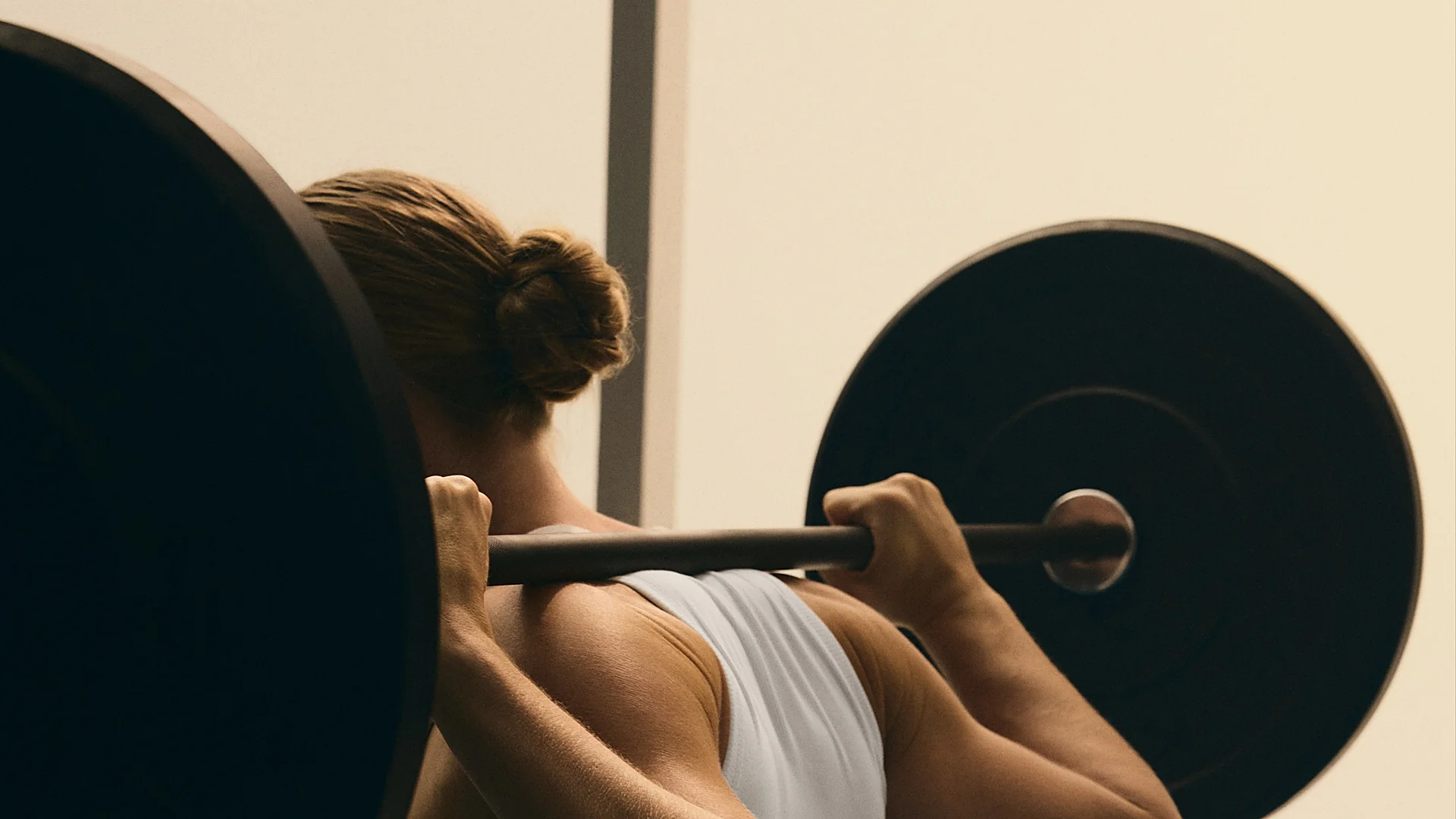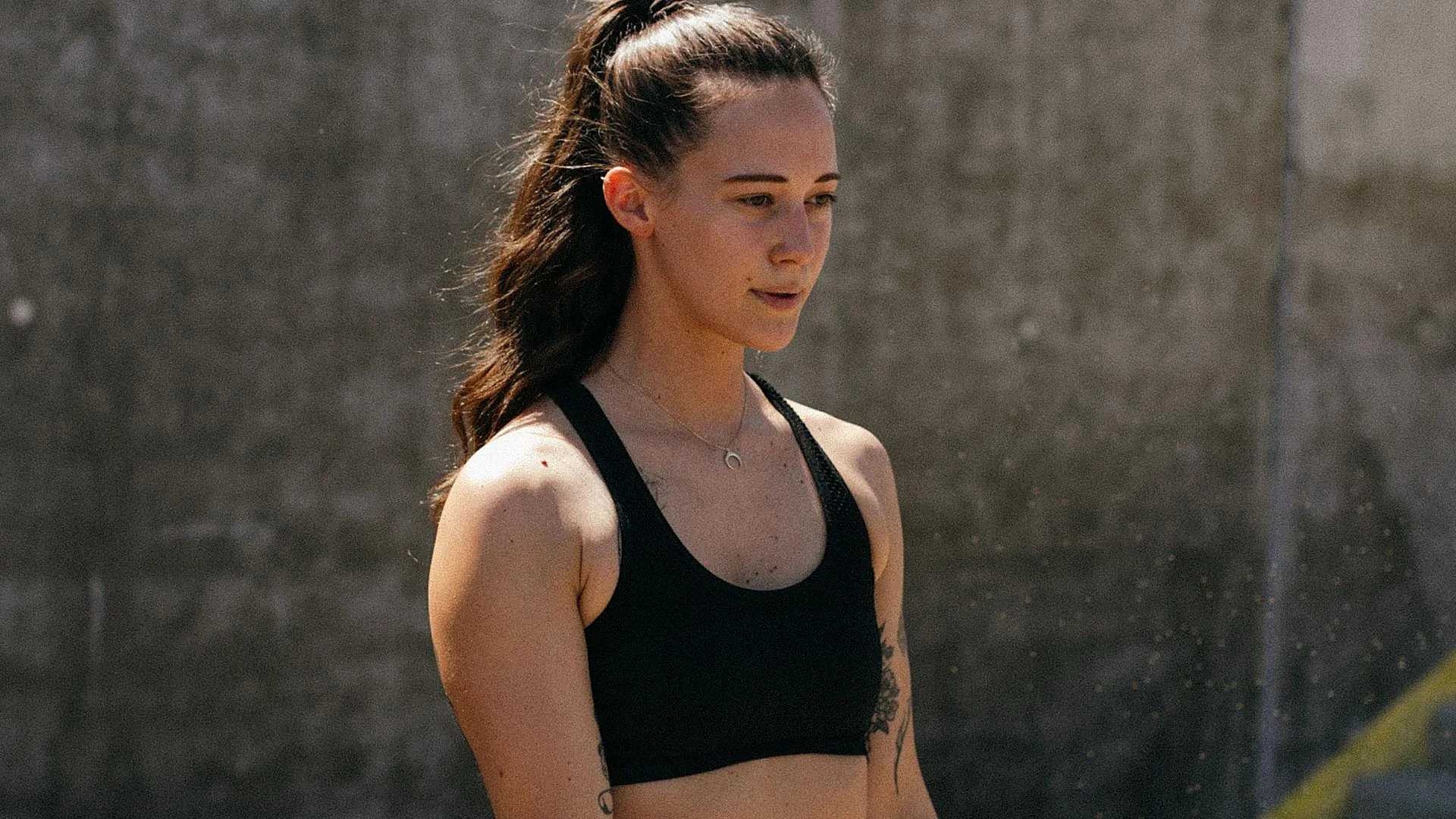
From ten to fourteen days. That is the window the body has before inactivity starts to show itself more noticeably in the muscles. Lucas Ablático, fitness influencer at @lucasablatico, points out that this pace is not the same for everyone: age, prior training level, diet (especially protein intake) and sleep and daily activity habits influence it. It isn’t the same someone who quits the gym but continues walking and eating well, as someone who, in addition to stopping training, neglects diet and rest.
From the third or fourth week onward, the loss becomes more serious. «On average, you can lose between 3% and 5% of muscle mass in a month of complete inactivity, and strength drops even before the visible volume», explains Ablático. The upper body, chest, back, and shoulders lose tone faster than the lower body. «The legs continue to receive stimulus from walking, climbing stairs, or simply moving in daily life, while chest, back and shoulders depend almost entirely on structured training to stay active», he notes.
The criterion for designing a 30-minute recovery routine is efficiency. «In 30 minutes there is no margin for isolation exercises or long warm-up sets, so I prioritize movements that activate several large muscle groups at once», explains Ablático. The starting load is also more conservative than usual, not due to excessive prudence, but because an untrained body takes one or two weeks to tolerate the same volume well without too much soreness that would hinder consistency.
This routine differs from a maintenance routine in that it seeks active progression week by week, not just to sustain what exists. Compared to a pure muscle-gain routine, which would require more volume and longer sessions, this one focuses on re-activating neuromuscular capacity, making the muscle remember how to generate force, before building new mass from scratch.
The six exercises that structure the routine
Ablático organizes the session around six compound movements: a squat, a hip hinge like a deadlift, a horizontal push like a press, a horizontal pull like a row, a vertical shoulder push, and an integrated core exercise such as a plank or Pallof press. «I favor compounds because in 30 minutes each exercise has to perform at maximum: an active squat works the quadriceps, glutes, core and lumbar region at once, whereas an isolated quadriceps extension only targets one area», he explains.
Compound movements are also the ones that best reactivate general neuromuscular coordination. «It is exactly the first thing that is lost with inactivity and what makes you feel not strong at first even though the muscle is still there», notes Ablático. The muscle hasn’t disappeared. The nervous system simply hasn’t fully turned back on yet.
How many times per week and for how long
Three sessions per week, with at least one day of rest between sessions that train the same muscle groups, for four to six weeks. «The muscle has memory: those who were training before summer regain their previous level much faster than someone starting from zero, because neuromuscular and structural adaptations don’t disappear entirely, they simply go dormant», explains Ablático.
The signals that the body is ready to increase load are concrete: the soreness from the early days disappears, you complete the target number of repetitions with good technique, and the effort perception at the same weight begins to drop from one session to the next. «The first changes are noticeable between weeks two and three, although at first it’s more a sense of strength and control than a visible change», says Ablático.
The visible shift in tone usually arrives between weeks four and six, coinciding with the full reactivation of adaptations that the body hadn’t lost, only deactivated by the lack of stimulus. «Someone with more years of training and good eating and rest habits may notice the change earlier, whereas if, in addition to resuming training, protein or sleep is not taken care of, recovery can extend beyond those six weeks», asserts Ablático.