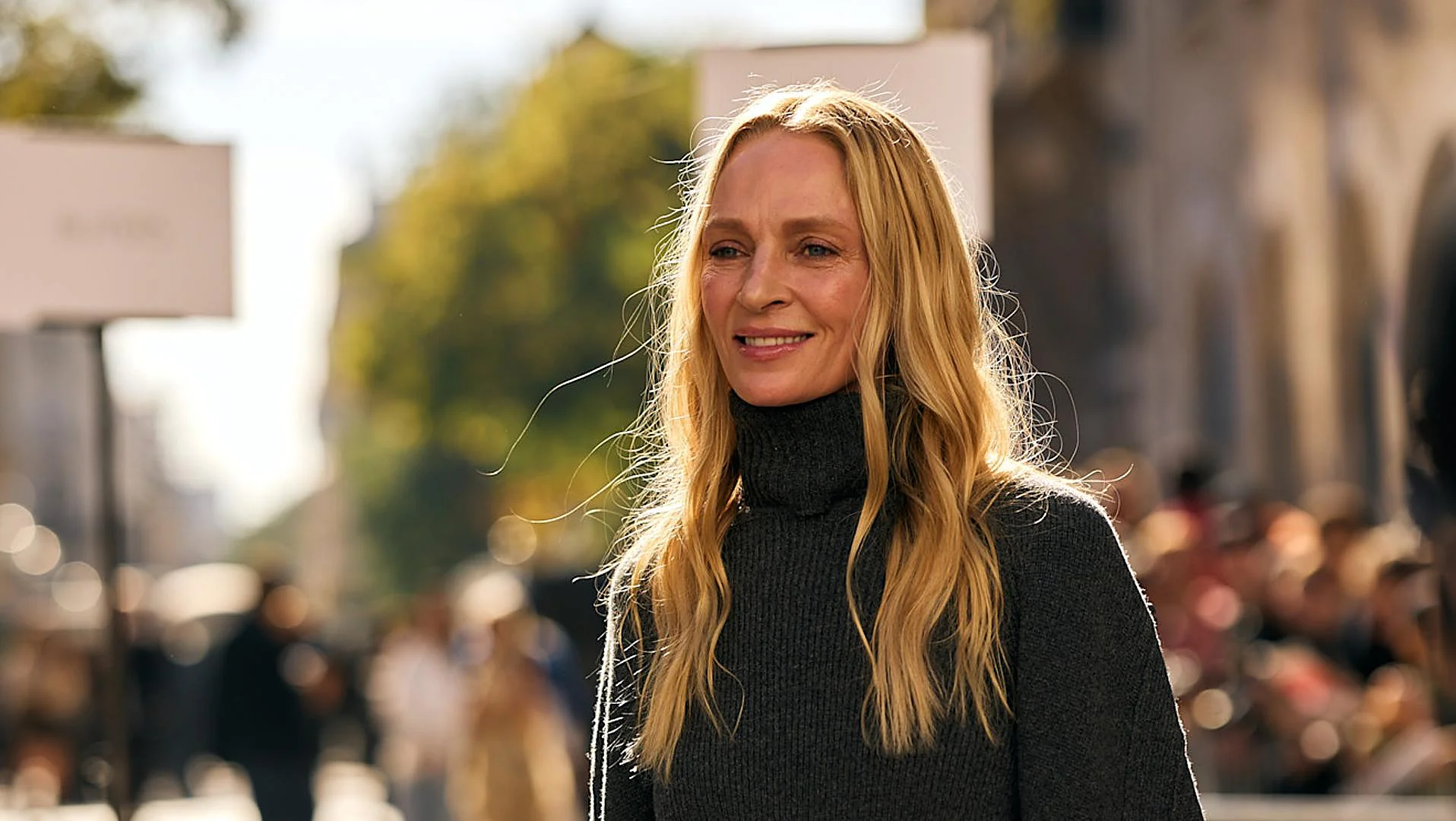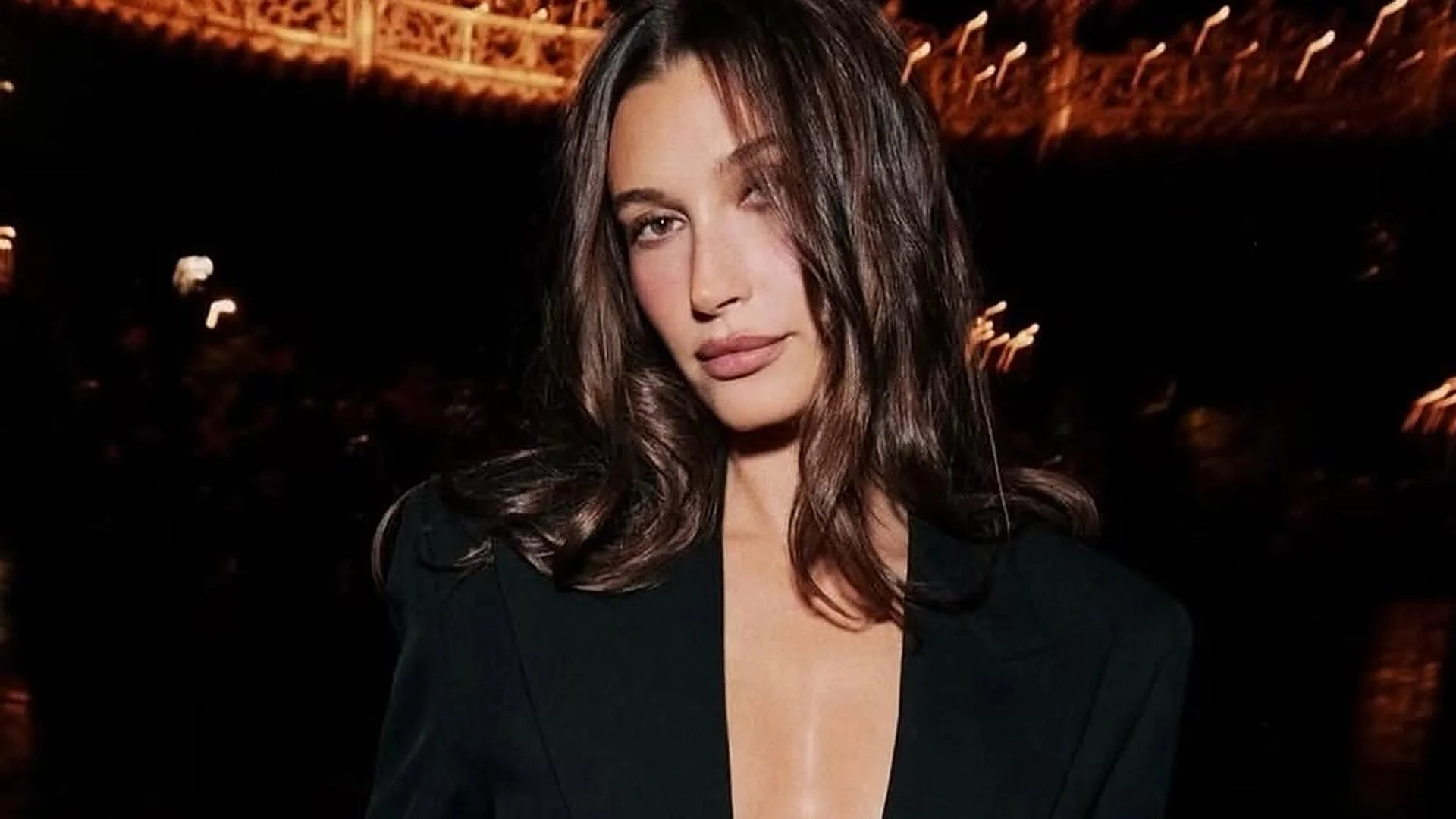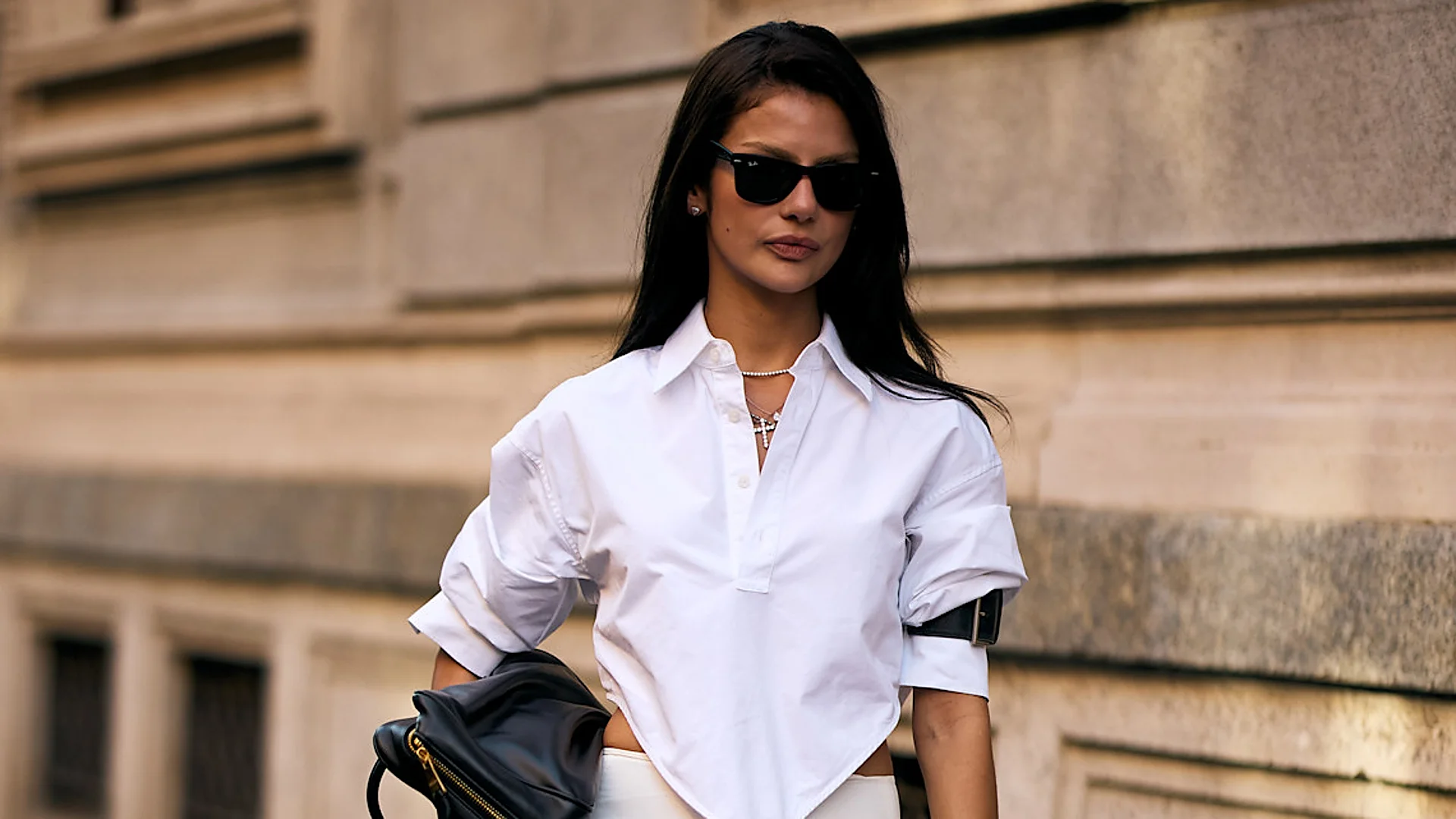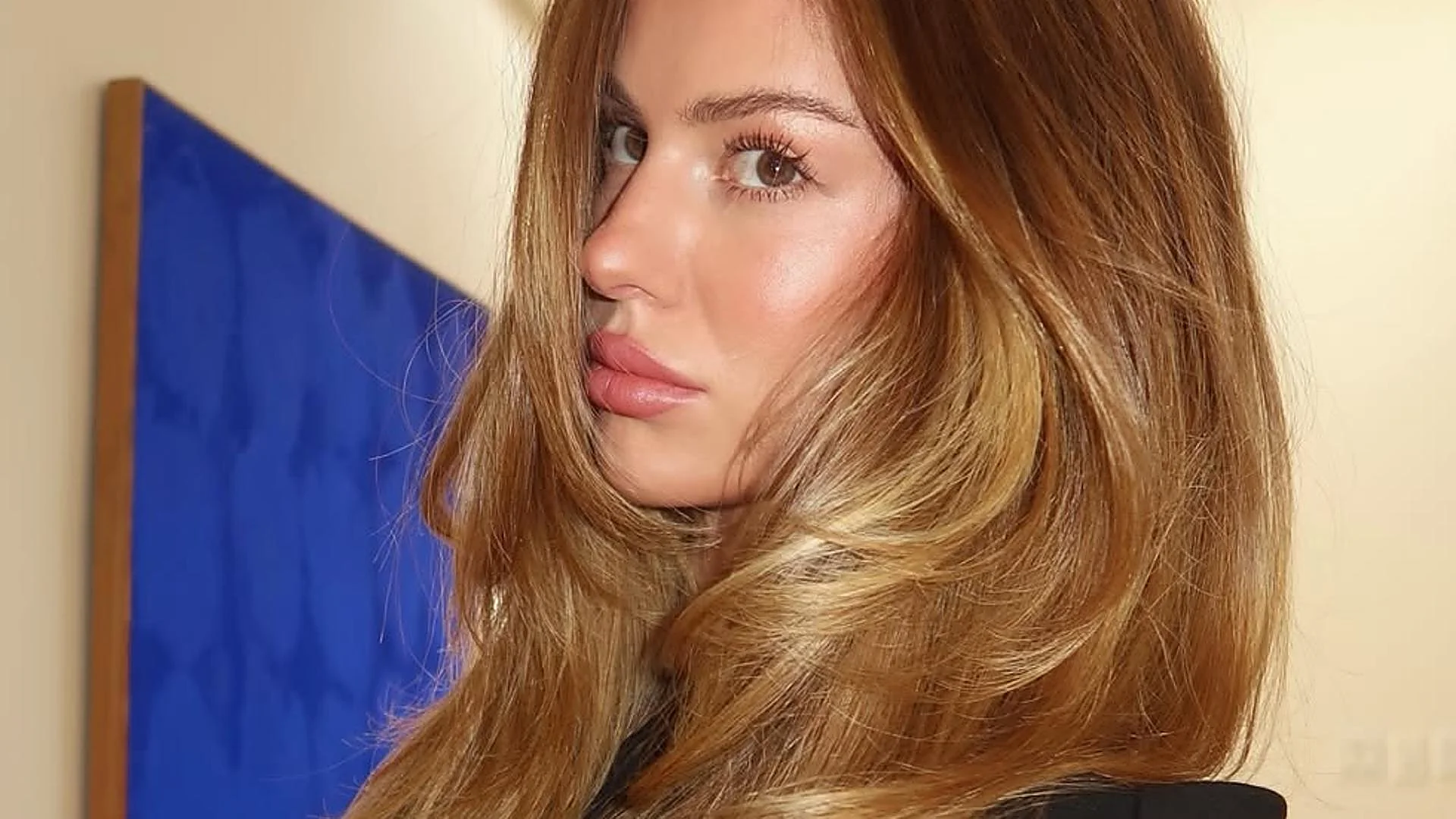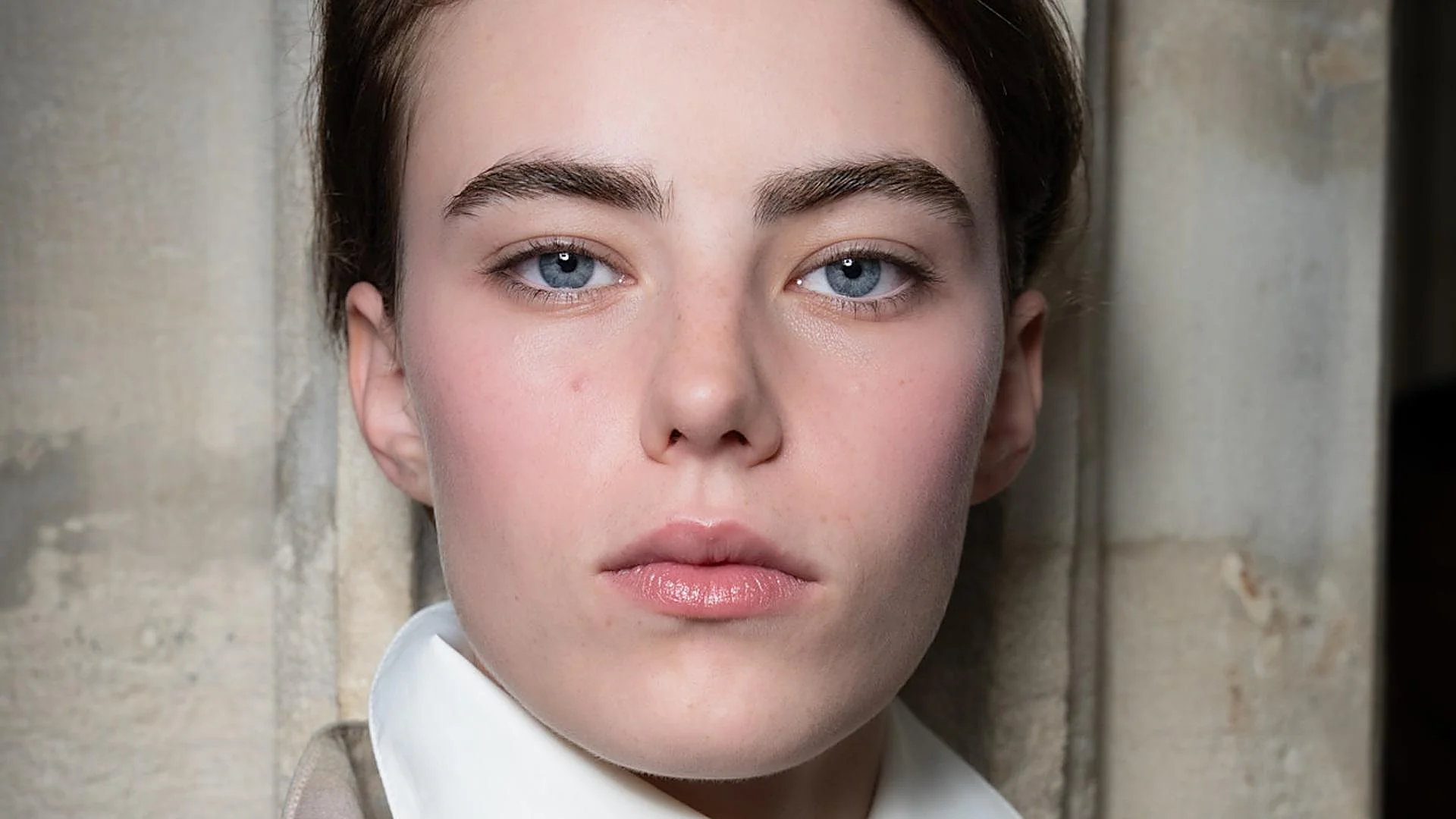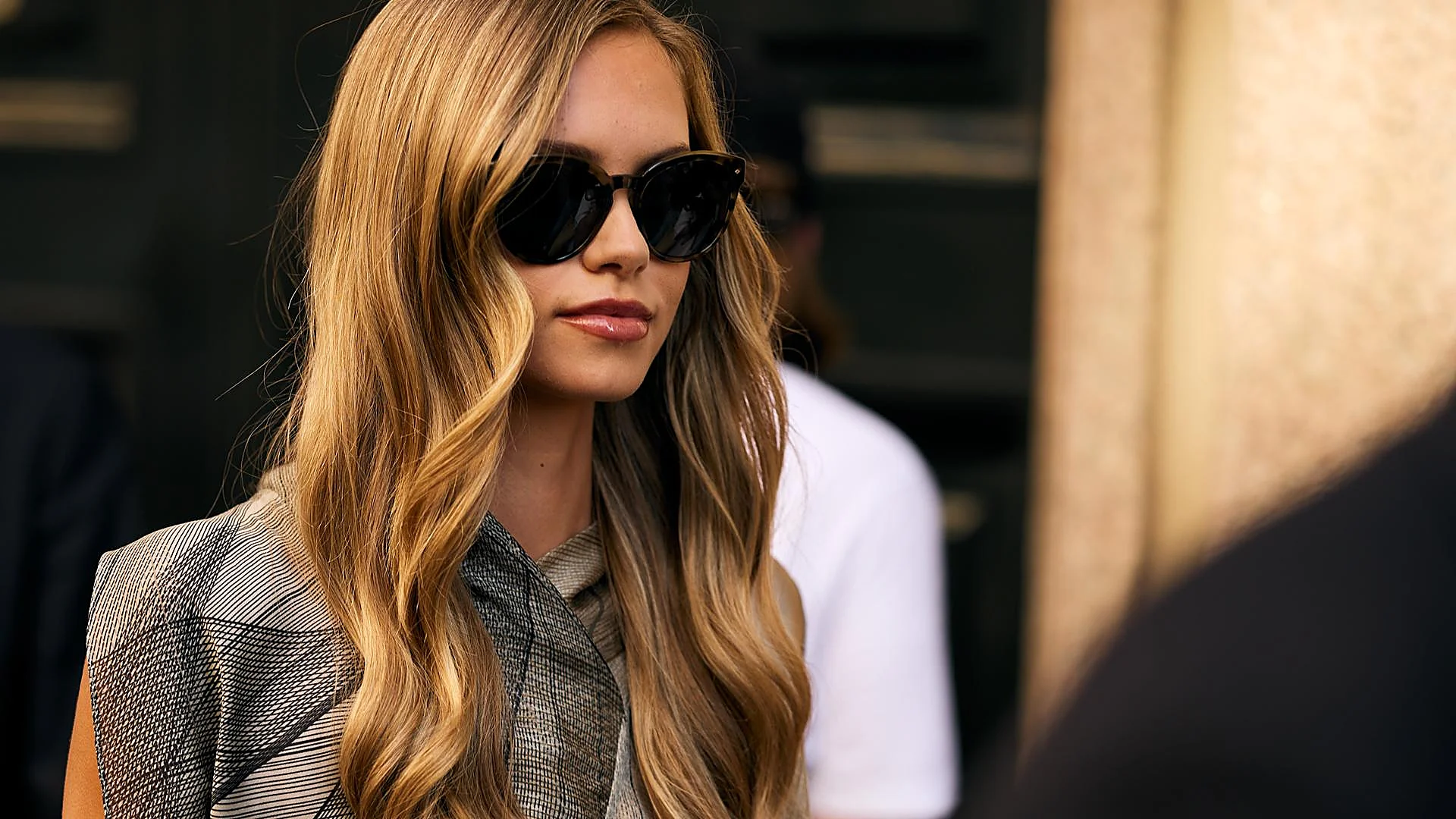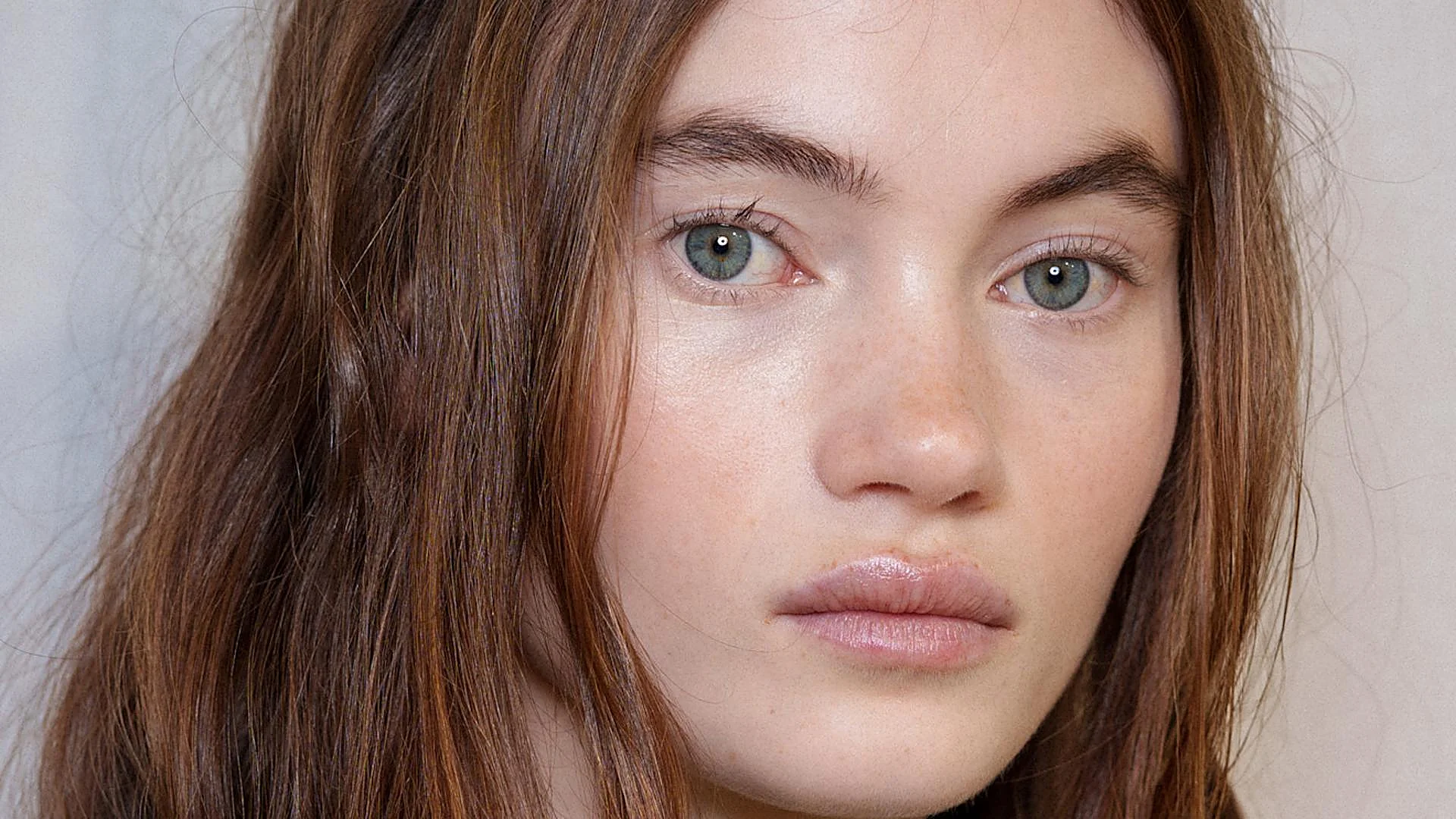
Color moves away from the artificial, after years of very bold dyes, toward a very clear idea: sophisticated naturalness. Far from flat or artificial tones, Aymeric Sorin, the colorist of Hair Rituel by Sisley, approaches color from a vision that combines technique and care. For him, the result depends not only on the shade chosen, but on how the hair is worked before, during, and after coloring.
For this summer, there is a clear shift toward subtler and more luminous colors, not initially associated with hair that has been heavily worked in the salon—the power of the hairdressing technique. «We move away from flat or artificial tones to embrace finishes that are more elegant and easy to wear,» Sorin notes. Among them stand champagne-beige blondes, deep browns with hazelnut highlights, or soft copper tones with peach nuances; all designed to bring light without hardening the face.
The key, according to the expert, lies in the technique: «Today we seek the color to blend with the natural base of the hair,» he explains. Therefore, methods such as French balayage or invisible blends gain prominence, which soften the transition between roots and ends and, in addition, facilitate maintenance. But beyond the visual result, Sorin insists on a fundamental point: the state of the hair.
«If the fiber is damaged, the color loses quality and shine,» he says. Therefore, he stresses the importance of preparing the hair with nourishing treatments so that the pigment adheres better and the finish is more uniform. «The true luxury today is hair that looks natural but is perfectly worked,» he concludes.
The colorist from L’Oréal Professionnel, Alba Esteban, focuses on the research that has led the industry to renew coloring formulas so that, in addition to revealing a beautiful tone, they improve the health of the hair. «There is a shift toward respectful products that not only dye the hair but also take care of it while they work,» she notes. In addition, increasingly controlled techniques are added, which manage to improve the shine and texture of the hair fiber, completely changing the way coloring is understood. «The objective is that hair after color looks better and healthier, not only with a different appearance,» the expert points out.
Moreover, these innovations are also affecting the duration of the result: «The color stays beautiful for longer without compromising the hair fiber». This technical evolution is accompanied by a clear trend toward brighter and more natural tones: Soft golds, the honey-toned range, beiges, and browns with highlights are gaining a lot of prominence. Esteban acknowledges that copper tones remain present and that there are clients who demand them, but in softer and more wearable versions.
María Baras, creative director of Salón Cheska, highlights the importance of color adapting to our lifestyle: «The success of a color is not in how it looks on day one, but how it evolves over time,» she explains. She adds that it is not only about hitting the right shade «but about placing the reflections well so that they flatter the face»; The stylist notes an evolution in classic techniques: «Balayage is no longer worn as a marked stripe; now everything is more graduated, more blended, and more organic». The result is a color that grows well, lasts longer, and adapts better to a busy life.
In the same vein, she highlights an important shift in how color is understood: «Multidimensionality is much more in vogue; solid colors are more out of fashion». And in that context, the integration of grays gains prominence over total coverage. Regarding at-home maintenance, she emphasizes that it is key to extending the result: «Shampoo, treatments, how you dry your hair, or even the water temperature influence how the color stays». Small gestures like using lukewarm water, protecting the hair from heat tools, or sealing the fiber with oils make a difference.