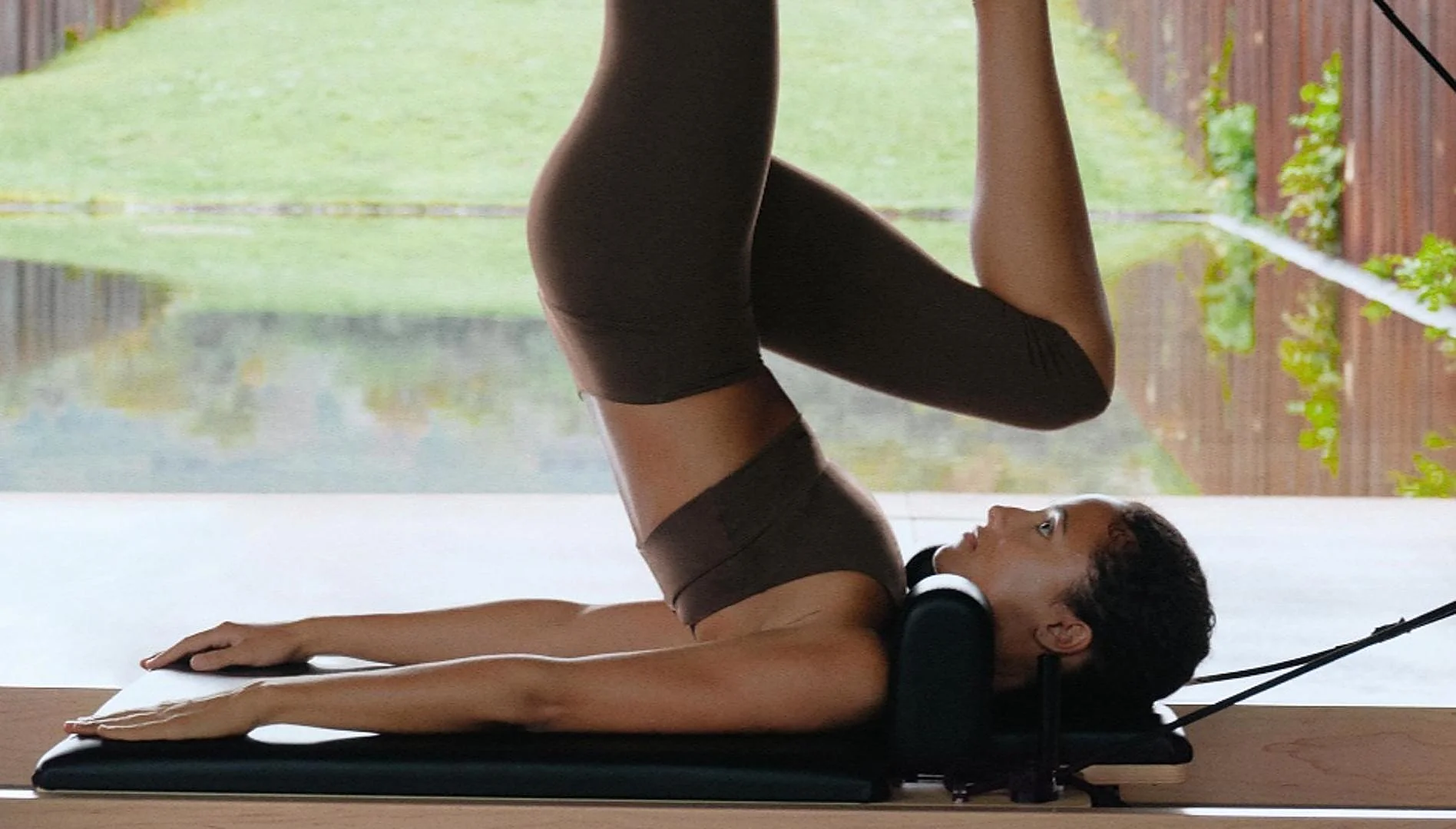
Everyone knows that hypertension, or high blood pressure, is a risk factor that can lead to more serious health problems. What many people don’t know is that among the proactive measures to prevent and treat it is the practice of yoga. And with just 15 minutes a day, results can already be noticed from age 50 onward.
A recent study found that yoga may offer more benefits for controlling blood pressure than other training methods. A study published in the Canadian Journal of Cardiology analyzed the effectiveness of yoga in helping to control high blood pressure, and the results were revealing.
In comparison with the control group, those who practiced yoga reported more significant improvements in resting blood pressure and heart rate compared to the group that did stretches. In other words, practicing yoga may be even more efficient than some conventional exercises for monitoring hypertension from age 50 onward.
The Impact of High Blood Pressure
Blood pressure relates to the force of blood flow throughout the body. It is something that must be kept at certain levels for the body to function. If blood pressure is too high or too low, it can lead to adverse health consequences.
Thus, it has been shown that high blood pressure can increase the risk of stroke, a heart attack, or kidney damage. It is known as ‘the silent killer’ because in many cases it presents no symptoms. It can also worsen other medical problems such as diabetes and high cholesterol.
There are lifestyle changes that people can make to help reduce blood pressure. For example, they can adopt measures to maintain a healthy weight and modify their diet to reduce sodium and fats. And, of course, exercise is also important. Including yoga.
Doing Yoga for 15 Minutes a Day
The study mentioned above examined the benefits of yoga in controlling blood pressure among a sample of sixty participants with hypertension. The researchers randomly assigned participants to two groups. Both groups completed an aerobic exercise program. Then, one group added 15 minutes of yoga five days a week. The other group performed 15 minutes of stretching five days a week. The plan lasted three months.
While both groups experienced improvements in resting blood pressure and heart rate, the group that practiced yoga experienced a more significant improvement in blood pressure, heart rate, and the Reynolds risk score, which helps measure the risk of suffering cardiac complications and cardiovascular diseases.
Woman practicing yoga in a group class.

The results suggested that yoga could be an effective complementary intervention to help improve blood pressure at any age, and mainly from 50 onward. Many studies have analyzed the physical benefits of meditation, Tai Chi, and other mind-body forms of exercise. This yoga-focused work reinforced the idea that the mind plays an important role in physical health and that these techniques help improve lifestyle.
The authors of the study noted that there are several possible reasons why they observed greater improvement among participants who did yoga, as their practice could reduce sympathetic nervous system activity, lower cortisol levels, and promote vasodilatation.
There appears to be a true correlation between mental health and the influence of stress hormone levels. The mechanisms are not yet fully understood and could be related to changes in sleep patterns. Nevertheless, there is a need for more extensive studies with longer-term follow-ups.