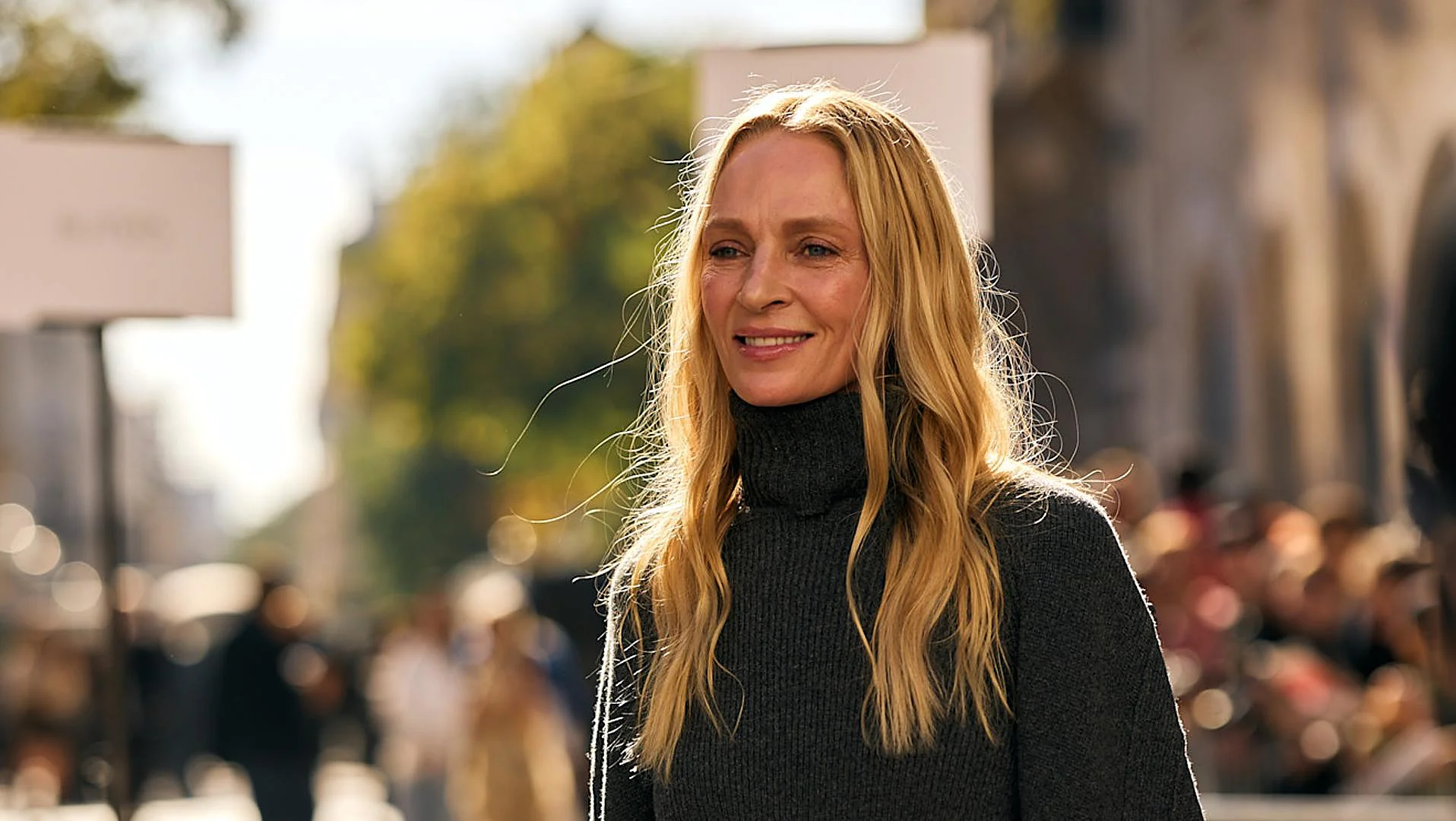
In the year 2026, aesthetic medicine will undergo a transformation in which changes will occur within the most popular techniques and that will shift to a more discreet plane. The focus is no longer on visibly correcting the signs of aging, but on preventing them, slowing them down and treating them progressively, respecting the anatomy, expression, and identity of each patient. The concept of immediate rejuvenation yields ground to a more strategic vision, based on medium- and long-term plans.
This change is driven by several factors and by shifts within the sector. First, we find greater scientific evidence, which blends with more precise technologies, the rise of regenerative medicine, and a more informed patient who prioritizes naturalness and safety. In this scenario, aesthetic medicine is consolidating as a discipline that is increasingly medical, where diagnosis, planning, and follow-up are as important as the treatment itself.
Personalization, prevention and artificial intelligence
Personalization becomes the main axis of aesthetic medicine in 2026. Standardized treatments are no longer applied, but protocols tailored to each patient, designed based on tissue state, biological age, and the individual aging pattern. In this process, artificial intelligence begins to play a relevant role as a tool to support diagnosis. Dr. Elena Jiménez, plastic and aesthetic surgeon and medical director of Eleca Clinic, explains that “after the rise of polynucleotides and exosomes, we have seen how far they really go. Now the trend is to use AI-assisted technology to plan protocols and determine not only what treatment to perform, but also what indications to apply to prevent future aging.”
This predictive approach allows intervention before structural changes are evident. In the words of Dr. Sofía Ruiz del Cueto, medical director of Clínica +Cueto, “AI-supported analysis of texture, pigmentation, vascularization, elasticity, or the displacement of structures helps us know the real state of each facial tissue and to decide where to act to obtain the maximum result with the minimum treatment.” On the other hand, the Croma influencer, Dr. Dunia Kozo, recalls that this technology does not replace medical judgment: “clinical experience is irreplaceable. AI can help us, but it cannot replace the ability to interpret moving anatomy, anticipate tissue response, or generate the trust bond that is established with the patient.”
The rise of regeneration and bio-stimulation
The abandonment of filler as a universal solution is one of the sector’s most evident transformations. Excessive volumes and radical changes lose prominence compared to treatments that stimulate the body’s natural regeneration mechanisms. “Overfilling, exaggerated lips, or drastic changes in a single session are treatments that will be used less and less,” states Dr. Jiménez. Instead, the so-called intelligent injectables gain prominence, which “modulate biological processes and stimulate collagen, rather than merely filling.”
Dermatologist Lidia Maroñas, medical director of Oneskinmed, contextualizes this shift: “in 2026 injectables are not used to add volume, but to improve the overall quality of the skin. Skinboosters, polynucleotides, and collagen inducers act on the dermal matrix to progressively and safely improve texture, luminosity, and firmness.” Dr. Ana Revuelta, aesthetic physician and medical director of Renare Farma Clinic, also emphasizes that “the main trend is regenerative and personalized aesthetic medicine, with scheduled treatments that accompany aging naturally, without forcing features or creating dependence on immediate results.”
Advanced device-based treatments: efficacy with minimal downtime
Technology remains a fundamental pillar, but applied with greater discernment. Microfocused ultrasound, radiofrequency, non-ablative fractional lasers, and picosecond lasers are consolidating as key tools to improve firmness, texture, and skin tone with minimal downtime. In the words of Dr. Jiménez, “these are very effective treatments, but you must know where to apply them, because excessive use can overly reduce subcutaneous fat, especially in areas like the neck, which can complicate subsequent surgical procedures.”
For her part, Dr. Ruiz del Cueto notes that the true value lies in strategic combination. She states that “staged protocols that integrate device-based treatments, bio-stimulators, collagen inducers, and topical treatments allow addressing all the aging factors in a physiological way, achieving natural results that improve over time and do not age badly.”
Aesthetic medicine and surgery: borders increasingly blurred
Cosmetic surgery does not disappear, but integrates more naturally into global rejuvenation plans. “Today, the different types of lifting are very well defined, from micro lifting to full facial lifting, with techniques that are increasingly less invasive and recoveries much faster,” explains Dr. Jiménez.
Particularly notable are minimally invasive endoscopic lifts, such as the ponytail lift, which allow treating the eyebrows, eyelids, and mid-face with minimal scarring. “Thanks to AI we will know at what moment aesthetic medicine is enough and when it is advisable to rely on a micro or mini lifting, combining both disciplines at the right moment,” she adds.
The skin as the central axis of rejuvenation
Beyond volume and deep structures, the skin takes center stage as the true protagonist of the final result. “The skin has no surgery and is the one that delivers the final finish in terms of texture, brightness, and quality,” recalls Dr. Jiménez, who stresses the importance of treating it in a specific way.
“The efficacy, safety, and duration of any procedure depend on a good skincare routine before and after the treatment,” notes Dr. Ruiz del Cueto, highlighting the role of photoprotection, hydration, and active ingredients such as retinoids, vitamin C, or peptides. A notion reinforced by Lidia Maroñas, who adds that “a well-cared-for skin responds better to treatments, recovers faster, and requires fewer sessions.”