The Nobel Prize committees have begun the announcement week for the prestigious awards, which are presented each October to individuals or groups for outstanding contributions in six fields: physics, chemistry, physiology or medicine, literature, peace, and economic sciences. The laureates receive a diploma, a medal, and 12 million Swedish kronor —the equivalent of just over one million euros— during the award ceremonies that will take place in Stockholm and Oslo in December.
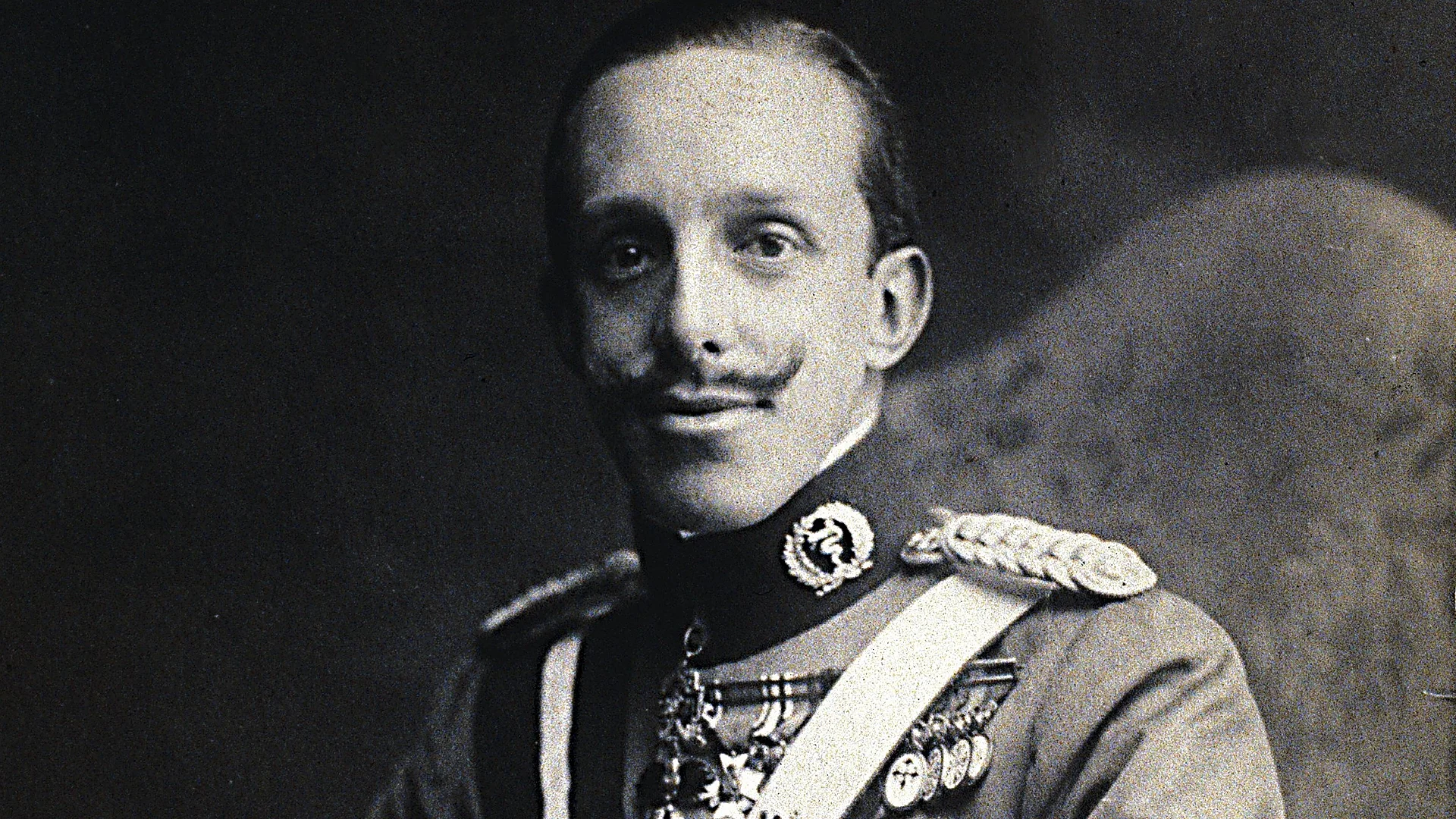
The Nobel Peace Prize, often the most closely watched of all the awards, will be granted to one of the 287 nominees who have been proposed this year, according to the Nobel committee. Throughout history, this prize has been awarded to figures as distinguished as Martin Luther King, Nelson Mandela, or Mother Teresa of Calcutta. But the nominees who never managed to win also hide curious stories. This is the case of Alfonso XIII, the only reigning monarch who was nominated twice, in 1917 and 1933.
Several decades later, in late January 1980, the Norwegian Parliament also proposed King Juan Carlos as a candidate for the Nobel Peace Prize. A decision that came shortly after the prestigious British weekly The Economist made the same proposal, praising the monarch as “the principal protagonist of the new Spanish political era”. Finally, the winner that year was the Argentine activist and sculptor Adolfo Pérez Esquivel.
Last year, the prize went to the leader of the Venezuelan opposition, María Corina Machado, in recognition of her nearly 25-year work promoting democracy in her country. Machado subsequently handed over her medal to President Donald Trump, after the United States toppled former Venezuelan President Nicolás Maduro in a January military incursion. The committee, however, issued a statement following this gesture in which it declared that laureates cannot share or transfer the prizes.
Alfonso XIII and his humanitarian work
Alfonso León Fernando María Santiago Isidro Pascual Antón de Borbón y de Habsburgo-Lorena was king of Spain from the moment of his birth in 1886, since his father (Alfonso XII) had died six months earlier. His mother, Queen Maria Christina, acted as regent until he assumed full powers at the age of 16. With him on the throne, Spain remained neutral during World War I. As his biographer, Charles Petrie, noted, “the king reigned over a Spain much more prosperous at the end of the war than at the beginning.”
Alfonso XIII fue apodado «el ángel de la misericordia».
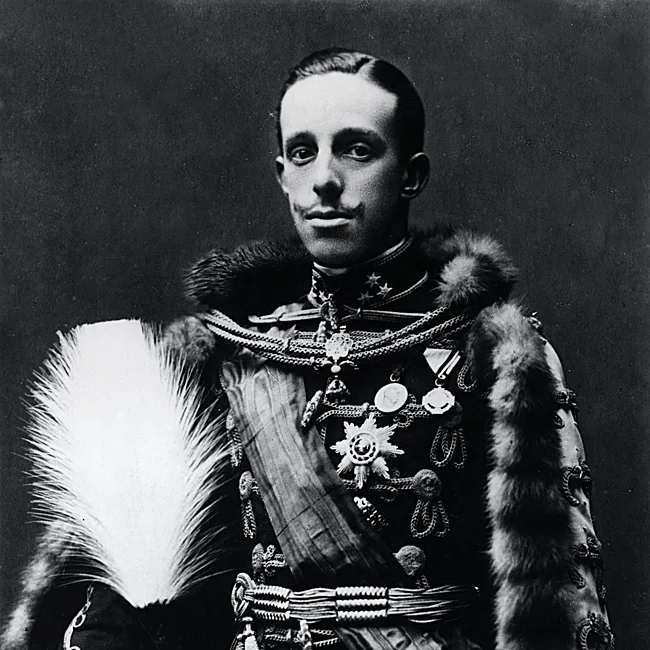
During that conflict, Alfonso XIII created a humanitarian agency known as the Pro Cautivos Office, also known as the European War Office, to provide aid to private citizens as well as to wounded soldiers, regardless of the side to which they belonged. By sending Spanish troops to the hospital ships of both sides, he ensured that they did not transport munitions. He also played a leading role in establishing a signaling code exclusively for these vessels.
His great efforts in pursuing humanitarian aid during the height of World War I earned him his first official nomination for the Nobel Peace Prize in 1917, which was ultimately awarded to the International Committee of the Red Cross. He received a second nomination years later, in 1933, when he had already been forced into exile following the creation of the Second Republic. In that case, the prize went to the British writer and pacifist Sir Norman Angell. Thanks to his work, Alfonso XIII was nicknamed in England the “angel of mercy”, while the Germans referred to his office as “the archive of the tears of the King of Spain.”
The most controversial Nobel Peace Prize laureates
Year after year, the Nobel Peace Prize ceremony tends to be the most controversial. Many laureates are criticized for alleged unpeaceful conduct. Among the most notable examples is the leader of the Palestine Liberation Organization, Yasser Arafat. In 1994 he shared the prize with Israeli Yitzhak Rabin and Shimon Peres for their work on the Oslo Accords, a central part of the peace process between Palestine and Israel. However, many voices pointed out that, while Arafat was the leader of Fatah, the PLO group carried out acts of terrorism.
Decades earlier, in 1939, Adolf Hitler was formally nominated for the Nobel Peace Prize, but it was a sarcastic joke devised by a Swedish parliamentarian. By then, these prizes had already earned Hitler’s ire after German journalist Carl von Ossietzky, a staunch critic of his, received it in 1935. Subsequently, Hitler forbade all Germans from accepting a Nobel Prize and created the German National Prize for Art and Science as an alternative.