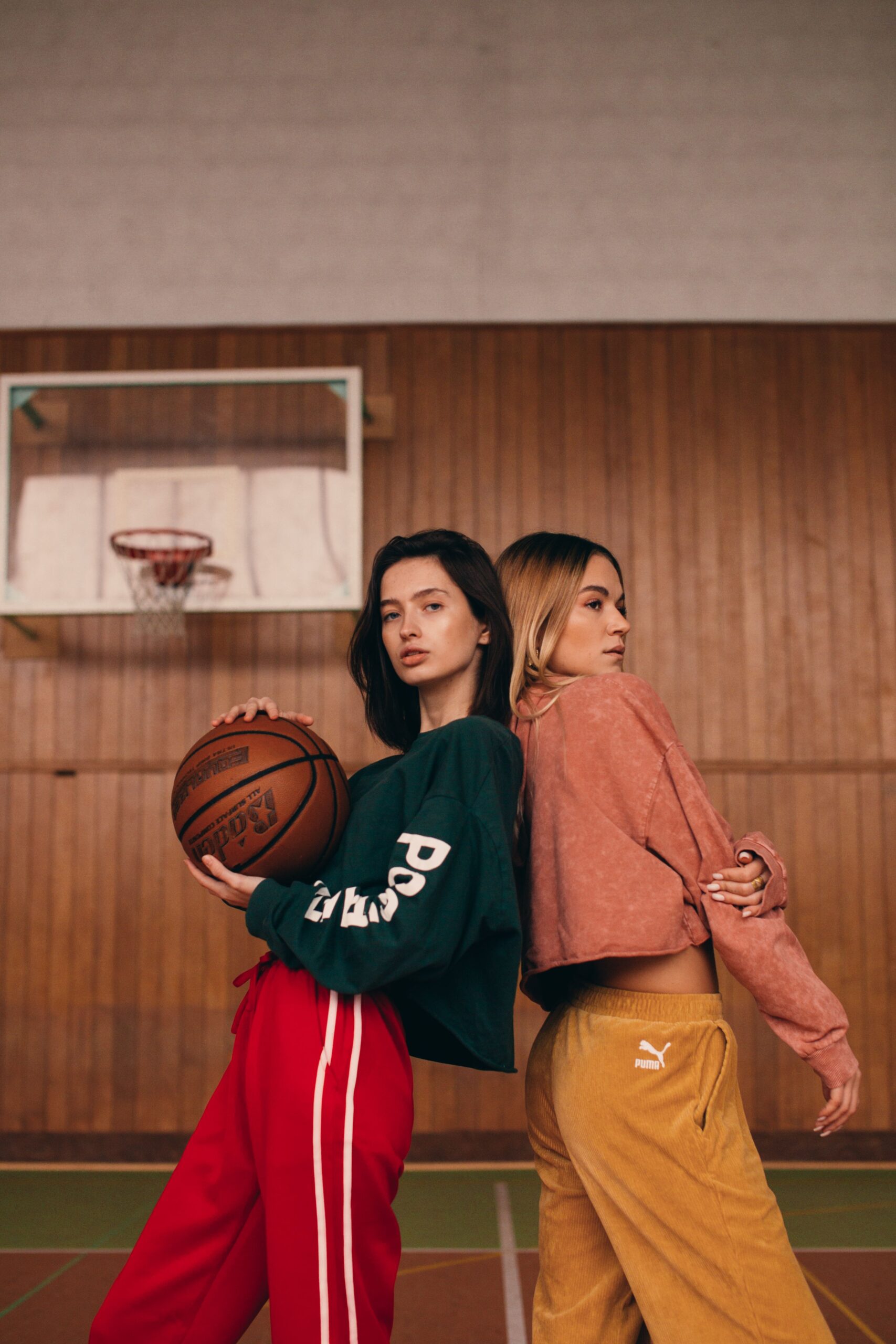
Not only does it matter which sport we choose, but whether we enjoy it enough to practice it for years and, ideally, with company. Photo: Koolshooters / Pexels
the race to live many years
We know that moving around is non-negotiable, but it seems that some disciplines have more odds than others to accompany us into old age. Science has put them to the test and this is the result
By Silvia Capafons
September 23, 2026 / 07:30
We already know that practicing sport is one of the most effective ways to beat time and extend life. What we may not ask ourselves as often is whether everyone does it equally. Here you have it: there exists a ranking linked to longevity. The one that science awards the most honors to, and this may surprise, is tennis. Regularly swinging the racket can give us up to 9.7 more years of life than a sedentary person, according to a study conducted by the University of Copenhagen published in Mayo Clinic Proceedings.
In the United Kingdom they followed the same thread: they tracked a group of people who practiced this racket sport for a decade and confirmed that racket sports reduced the risk of death much more dramatically than any other discipline.
Not only sport
Now then, what science still hasn’t clearly established is whether, in addition to being a comprehensive sport that combines aerobic endurance, anaerobic capacity and bursts of movement, lifestyle or social factors also matter. How many of those almost 10 extra years are due to laughter and after-game coffee? Or to living that comfortable (and also healthier) lifestyle that’s presumed of the one who wields the racket?
For Pau Tena, a graduate in INEF and personal trainer at Palasiet Wellness Clinic, “it’s clear that doing sports that involve strength, endurance and social interaction (which has proven to play a crucial role in greater longevity) improves health”.
He adds two important nuances: every person is different, and not everyone trains with the same quality. “It’s not the same to swim very gently for 20 minutes in the pool, as to do a warm-up of 10 minutes and then 8 repetitions of 150 meters at a specific intensity, recovering 2 minutes between sets. Both are technically swimming, but the changes your body will achieve will be nothing alike”.
Golf and swimming, up close
Precisely, swimming ranks in the third place of the points in favor of a long life: it reduces the risk of death by 5% over 12 years. In second place sits golf (7%) and in fourth, cycling (3%). Researchers associate these benefits with the balance between the aerobic component (strengthening the cardiovascular system, bone remineralization…) and the strength aspect in these sports (muscular and metabolic benefits). For those who think of golf’s effort in a pejorative way with the notion that it “doesn’t tire,” note that it involves gentle but steady aerobic activity, as well as balance, fine motor control and rotational power in each swing.
By contrast, the worst performers in another study led by researchers at Groningen University in the Netherlands are volleyball and martial arts, especially sumo. According to the medical journal GeroScience, they could lead to a loss of 5.4 years and 9.8 respectively. In combat sports, the poor results are associated with serious injuries from blows, as well as the unbalanced diet followed by sumo athletes. As for volleyball, the blame is attributed to skeletal-muscular stress and frequent injuries.
Women, a case apart
All these results apply only to men. In the case of the women studied, the results were more homogeneous and modest. Even, in some cases, exhausting sport could be counterproductive.
Experts offer a decisive reason for this paradox. It is believed to be because women, athletes or not, already have healthier life habits that keep their life expectancy at maximum. The literal explanation of the macro-study published in GeroScience leaves no room for doubt: “Men in the general population tend to adopt health-harming behaviors, such as smoking and alcohol consumption, that severely affect their life expectancy. Women, on average, are less likely to engage in such habits”.
It is also noted that perhaps female biology is less prone to benefit from sport. Finally, the negative impact of strict dieting and intense training at hormonal and metabolic levels is pointed out.
Elite matters and ordinary people
The emerita professor and longevity expert, Mónica de la Fuente del Rey, explained on WeLife Longevidad Madrid that sport with moderate intensity is a fountain of youth. She explained it due to the hormesis it provides to improve life expectancy. However, the stress and intensity of professional athletes can, in fact, reduce it.
Those contending for the professional podium accumulate blows, injuries, and physical and mental wear typical of high-level competition that is far from our concept of well-being. That said, it doesn’t mean that if we push ourselves hard in the gym for a day we are subtracting days from life expectancy. “In this case, the danger of a hyperintensive two-day workout lies not in the explosiveness of volleyball or karate, but in the lack of prior physical preparation,” warns the coach.
And he points out that the results of these studies focus on the extreme wear of elite professionals, not amateur practice. “The harm is not the sport itself, but the inconsistency of jumping from sedentary office life to a brutal physical pounding in a single day or on the weekend,” he adds.
The importance of enjoyment
Now, to what extent will we be longer-lived if we strictly follow the figures of a ranking, above any motivation? Perhaps there is a fine line between exercising for health and obsessing to the point of losing focus or enjoyment. In the case of tennis, golf or cycling, the most valued disciplines have a high social component. This factor can reduce mortality risk by up to 50%.
So, probably, the best way to increase longevity while exercising is to add extras to what we usually practice. Who knows if the increase in life expectancy among Spaniards in recent years owes something to the rise of padel (which requires 4 friends to meet up and play). Not to mention running clubs, gym tribes that create a sense of community, or friends who go to spinning.