
Washing your hair is one of those everyday gestures we tend to perform without thinking too much. We wet the mane, pour the shampoo directly on the top of the head and start rubbing until foam forms. However, the way of applying the product can influence whether the hair ends up truly clean, retains volume for longer, and doesn’t end with unnecessarily dry ends.
The problem isn’t depositing the shampoo in the center of the head, but placing all the amount in a single spot and trying to drag it afterward to the rest. Some areas, such as the nape, the temples, or the back of the ears, may receive less product, especially when you have a long, thick, or very dense mane.
Rather than increasing the dose, a simple way to improve the wash is to mentally divide the scalp into several areas and distribute the usual amount of shampoo among them. Five complete doses aren’t necessary: it’s enough to place small portions in five strategic points before you start to massage.
The shampoo should concentrate on the scalp
The first rule for washing your hair properly is to remember that shampoo is designed mainly to clean the scalp, where sebum, sweat, dead cells and much of the residues from styling products accumulate.
This is especially important in long hair, dyed, bleached or damaged by sun and heat tools. The ends are the oldest part of the hair and are usually also the most fragile. Applying shampoo directly onto them and rubbing them between the hands can increase friction, tangling and the sensation of dryness.
The five points where it is convenient to distribute the shampoo
The first point is the hairline, including the forehead and temples. In this area sweat, makeup, sunscreen or fixing products can accumulate. Slightly separate the hair and place a small amount near the root to clean it without having to drag all the product from the crown.
The second is at the top of the head. It is the place where we usually concentrate all the shampoo, although it should receive only one portion. Distributing a moderate amount helps the product reach the skin and not stay solely on the surface of the hair.
The sides and the area around the ears form the third point. They are often forgotten during quick washes and can be difficult to reach in very abundant hair. The most practical is to make small gaps with the fingers so the shampoo comes into contact with the scalp.
The crown and the back of the head constitute the fourth point. Although we may not always notice it, this area also accumulates oil, sweat and product residues. Spreading some shampoo there helps prevent the frontal area from being clean while the posterior remains matted.
The fifth point is the nape, possibly the most overlooked part of washing. Friction with clothing, sweat and less ventilation can make it need special attention. Tilt the head slightly forward to facilitate access and allow you to massage the root without tangling the entire mane.
How to apply shampoo without using more product
The product can be deposited first in the palm of the hand and distributed between the fingertips before bringing it to the head. It can also be slightly emulsified with a few drops of water to make it easier to distribute.
It is important that the whole hair is well wet. When the roots have not soaked enough, the shampoo spreads less effectively and there is a sense that more product is needed. Abundant foam is not necessarily proof of greater cleanliness.
Once the product is distributed, it should be worked with the pads of the fingers, using gentle movements and covering all areas. It is not advisable to use the nails or scratch the scalp, as it can become irritated.
Nor is it advisable to pile the lengths on the head and rub them. When wet, hair is more vulnerable and this movement can promote knotting and breakage. The foam that rinses away during rinsing is usually enough to clean the mid-lengths and ends.
Is a double wash necessary?
A double wash may make sense when products have been used such as fixing products, dry shampoo, oils, or water-resistant protectors, as well as after several days without washing the hair. In those cases, the first application removes a good part of the residues and the second allows cleaning the root with greater precision.
However, it is not a mandatory step for everyone. For dry, curly, sensitized hair or those washed daily, repeating the process may be unnecessary. The frequency of washing should adapt to how quickly the scalp gets dirty or oily and to the hair type.
Rinsing also deserves attention. It should be done with abundant water, paying attention to the nape, crown and behind the ears. If product residues remain, the hair may lose lift and present a weighted-down root shortly after washing.
Four shampoos for different hair types
Kérastase Bain Après-Soleil Shampoo is designed to be used after sun exposure. The brand states that it helps remove residues of chlorine, salt and sand, in addition to providing nourishment and restoring softness to the hair. It can be especially interesting during vacations or when you frequent the beach and the pool.
Champú Bain Après-Soleil de Kérastase
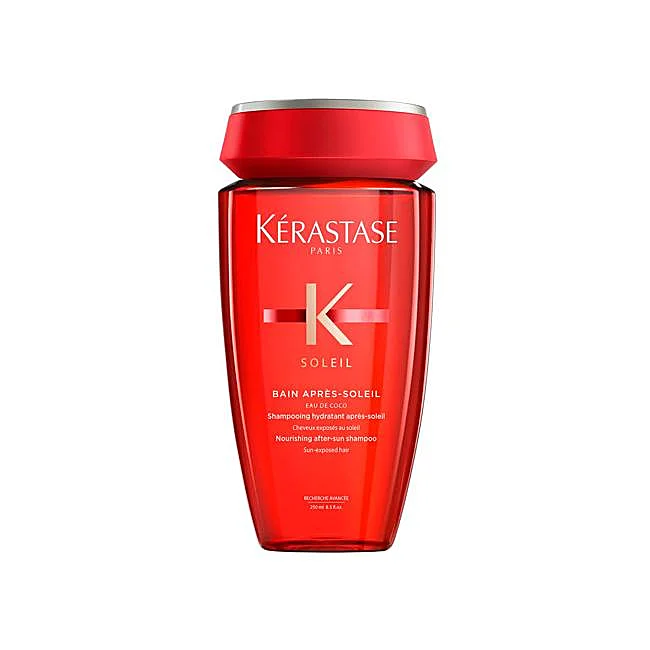
Although it is a nutritive formula, it should concentrate equally on the root. The foam that descends during rinsing allows removing the residues accumulated in the mane without the need to rub the ends directly.
Champú Melrose de GOA Organics
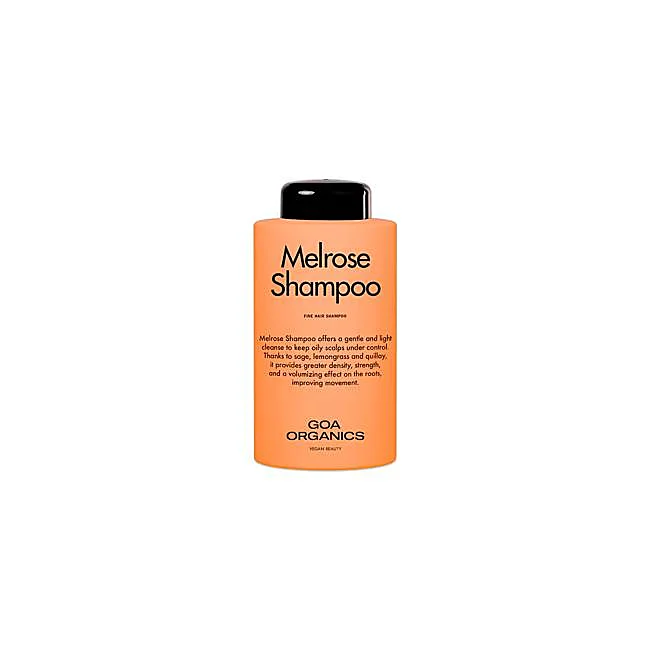
The GOA Organics Melrose Shampoo offers a gentle and light cleansing directed especially at fine or oily hair. It contains sage, lemongrass and quillay, and is formulated to provide volume and density at the root without weighing down the mane.
In this hair type it is especially useful to distribute the product well across the five points. Concentrating too much shampoo at the top can hinder rinsing and leave other root areas not properly cleaned.
Champú Smoothing de KERASILK.
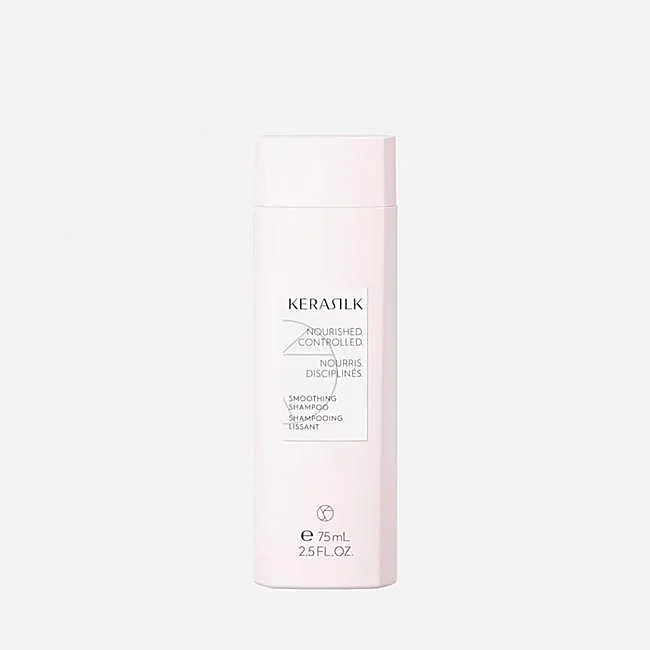
The Smoothing Shampoo from KERASILK is enriched with biomimetic silk and shea oil. It targets rough, rebellious, wavy, curly hair or hair prone to frizz, and seeks to provide nourishment, softness and greater manageability.
Champú Hair Alchemy Resilience de Oribe
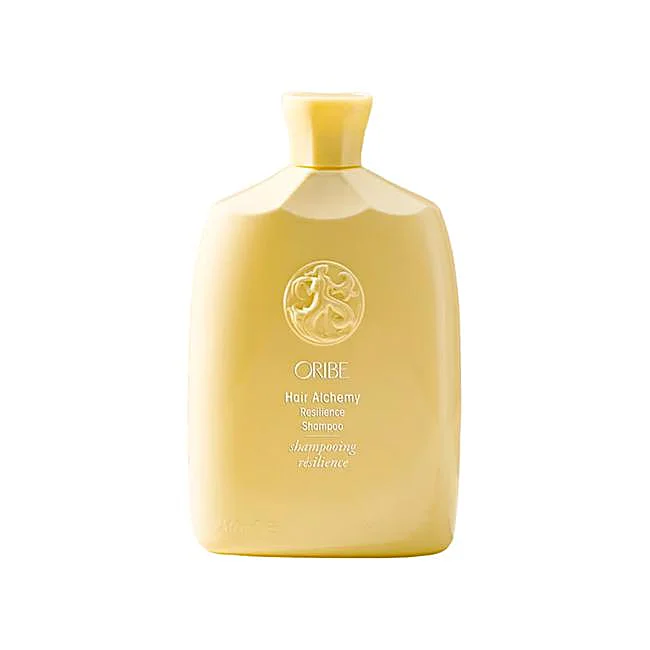
The Oribe Hair Alchemy Resilience Shampoo is formulated for fragile, weak or breakage-prone hair. Among its ingredients are chia seeds, biofermented bamboo leaves and plant-based proteins, within a formula aimed at improving fiber resilience.
In a weakened mane, reducing friction is as important as choosing a suitable shampoo. Apply it by zones, gently massage the root and let the foam travel to the ends during rinsing to clean without over-handling the most delicate part of the hair.