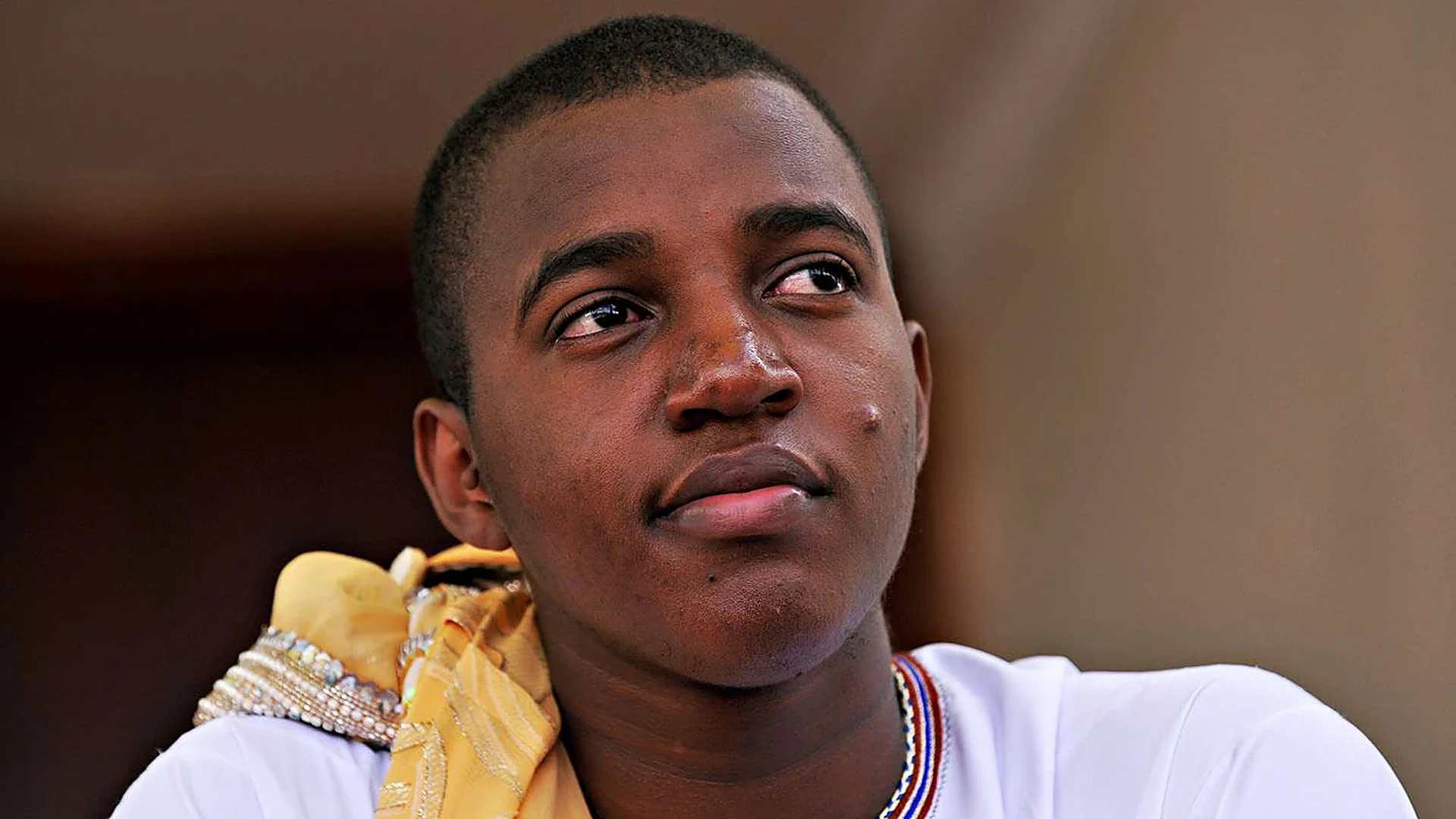
Only a few days after the world’s eyes were on the State funeral of King Harald, other royal funeral rites passed much more unnoticed. King Oyo Nyimba Kabamba Iguru Rukidi IV of Tooro, in Uganda, for a long time the youngest monarch in the world, was buried among the tombs of his royal ancestors amid his people’s sorrow. Meanwhile, his kingdom continues to navigate a bitter battle over succession.
In a religious service held before the burial in this small corner to the west of Uganda, the young king Oyo, who was the United Nations goodwill ambassador for the fight against AIDS, was praised for his character and his achievements. “Although he became king and took on responsibilities far beyond what most people experience, he never completely lost the child who loved to have fun,” said his sister, Ruth Komuntale.
Oyo dominated international press headlines in 1995 when he ascended to the throne at the age of three, following the death of his father, Patrick David Matthew Kaboyo Olimi III. In Uganda the monarchy was abolished in 1967, but the African country preserves several kingdoms dating from before the British colonial era and that are considered bulwarks of traditional identity and heritage. The responsibility of choosing a new monarch fell to a 21-member committee, formed by the elders of the royal clan.
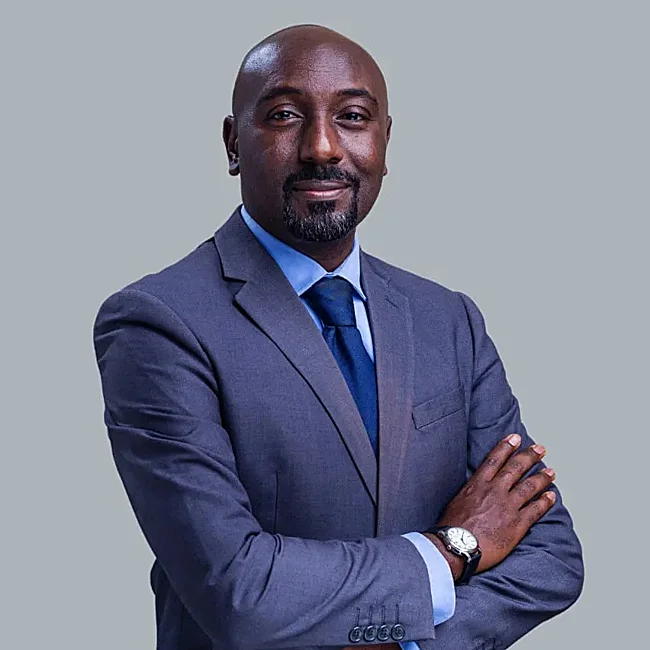
These first chose George Desmond Kamurasi, 36, a footballer in the English ninth division and cousin of King Oyo. But he refused to accept the role. So the second option was Prince Edward Rukidi Kijanangoma, 56, a news presenter and editor of the Uganda Broadcasting Corporation. During the burial at the Karambi Royal Tombs in Fort Portal, he formally assumed power by tossing nine coffee beans into the king’s tomb, as part of the traditional transfer-of-power ritual. However, the succession remains controversial.
Where is the son of King Oyo?
Oyo’s mother, Queen Mother Best Kemigisa, and his sister, Princess Ruth Komuntale, have opposed the selection of Kijanangoma, arguing that the late king’s will named a son as his heir. The young monarch never married and, at least officially, had no issue. But after his death, Tooro’s prime minister Calvin Armstrong Rwomiire Akiiki announced that King Oyo had fathered a son whose identity would be revealed at an appropriate time. But for the moment his name has not been made public.
The Prince Edward Rukidi Kijanangoma, the new king of Tooro.
In this regard, Oyo’s family maintains that in a 2022 will they named as heir to the throne a person described as “his legally recognized biological son”. However, the Babiito royal clan elders, responsible for safeguarding the Tooro royal lineage, determining succession and upholding the kingdom’s traditions, argue that Oyo had not presented the child through the legal process and that, instead, he had backed Kijanangoma as his successor.
The Prince Edward Rukidi Kijanangoma, the new king of Tooro.
“The will is not a determinant factor in deciding who should be king; it is a document that expresses a person’s wishes,” said Charles Oyo, an elder of the Babiito clan, in statements cited by the local newspaper The Daily Monitor. “The Musuuga [the clan leader] is above the will.” The dispute has divided public opinion over who should be regarded as Oyo’s legitimate successor. And the Ugandan government has also become involved in the discussions aimed at resolving the dispute.
Meanwhile, Princess Komuntale has accused the elders of attempting to seize the throne by foul means. “King Oyo was a very peaceful man, a very humble man,” she said after his funeral. “I simply do not want these evil vultures to come and steal what he earned with so much effort. I continue to support my brother.”
The final months of the boy king
Oyo was guided by regents during his childhood and assumed all royal responsibilities upon reaching adulthood. His position allowed him to meet presidents, members of royalty, and other world leaders from a very young age. Among them was South African President Nelson Mandela, who wished to meet him during a visit to Uganda. As an adult, he used the platform provided by his throne to promote causes such as climate-change awareness. Before his death, he had begun fundraising for a pediatric hospital.
Oyo’s illness remained largely private. According to his sister, last year he began feeling pain in his back and chest and traveled to Kenya, where he was diagnosed with an angiosarcoma, an aggressive type of cancer, before traveling to Germany for treatment and, ultimately, to the United States.
According to his sister, shortly before his death Oyo spoke with key Ugandan figures about returning home. He wanted to celebrate Empango, the anniversary of his coronation, with his people. He never made it home. For Komuntale, the king remained her younger brother even after becoming one of Africa’s best-known traditional rulers. “Even if you were crowned king, you remained a child who loved to play. I will preserve your legacy, what you loved, and we will talk about you every day.”