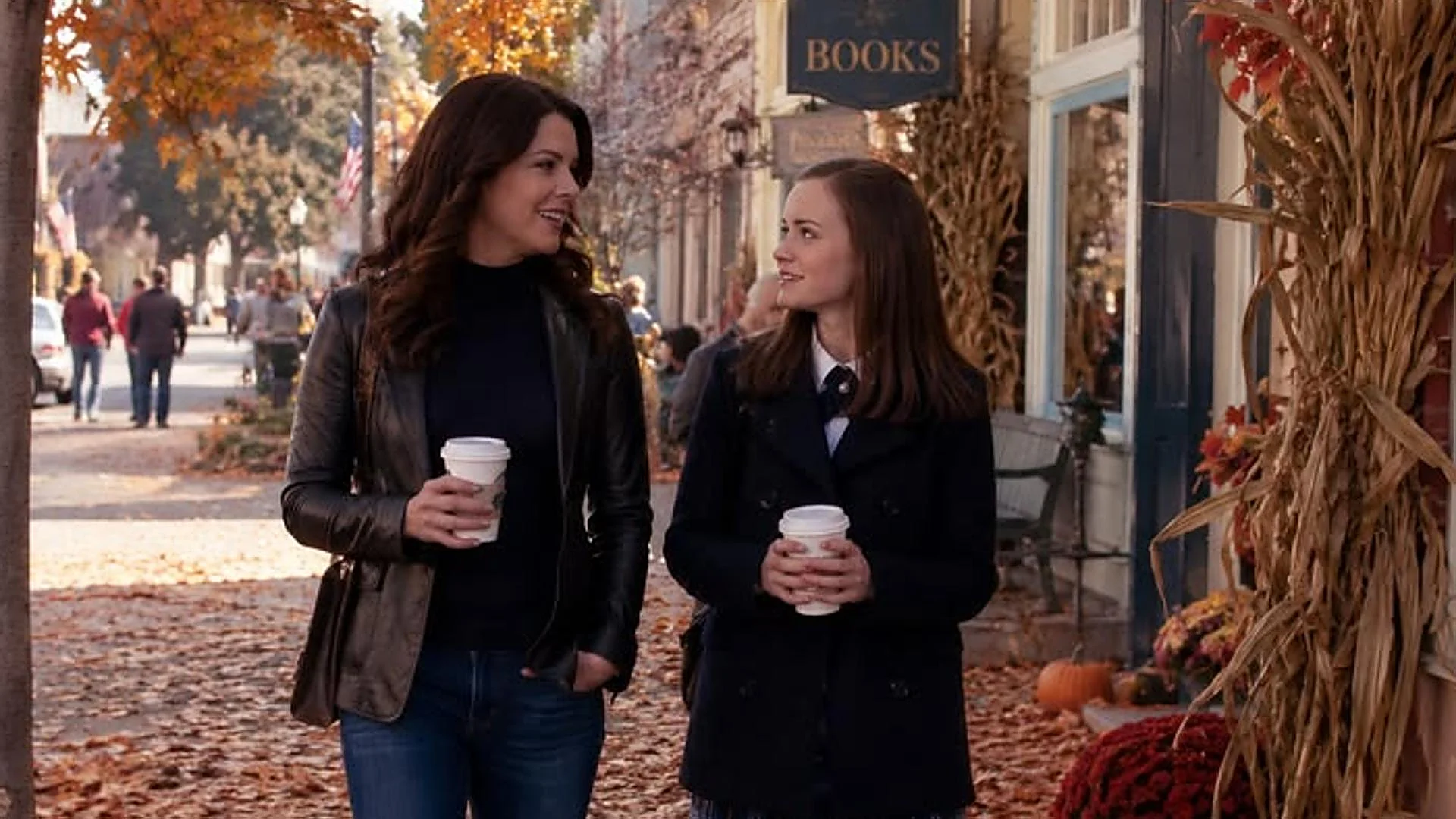
Generation Z —those born between 1997 and 2012, the first cohort of digital natives— share a growing sentiment: any time past, as long as it isn’t too far away, was better.
They call it nostalgia, even though it is a premature feeling. They are young people who have not yet reached the middle of their lives and who barely noticed the passage of time during their childhood and adolescence. Their nostalgia does not refer to major historical changes or deep losses, but to simple memories: the first toys, school drawings, or a family trip.
These memories become visible in old photographs, home videos, and archives that circulate on social networks. Paradoxically, those who have grown up surrounded by screens and hyperconnection miss the analog, the slow, the pre-saturation era. That recent past has become a happy place, a refuge to return to when the present feels accelerated and unstable.
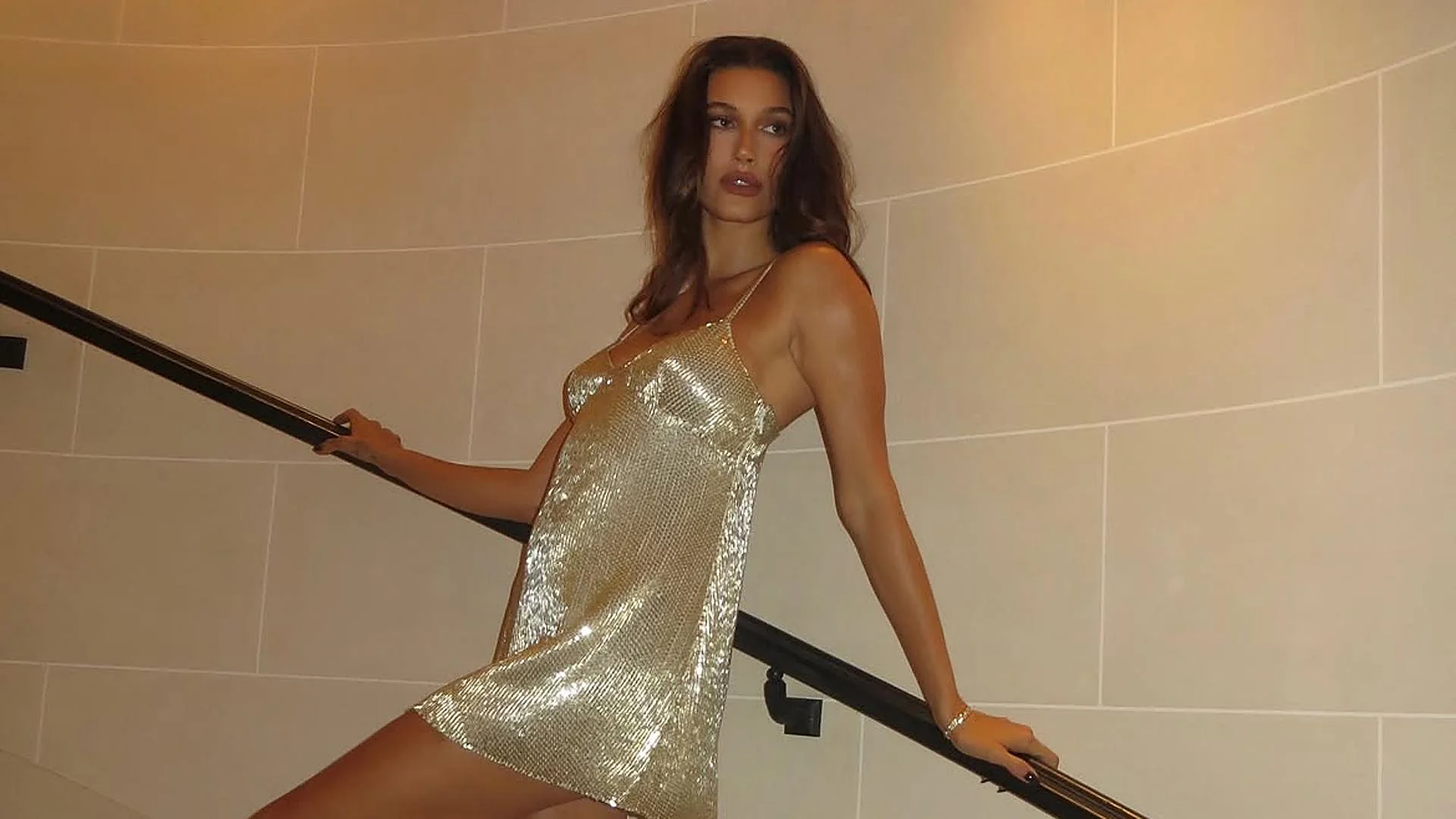
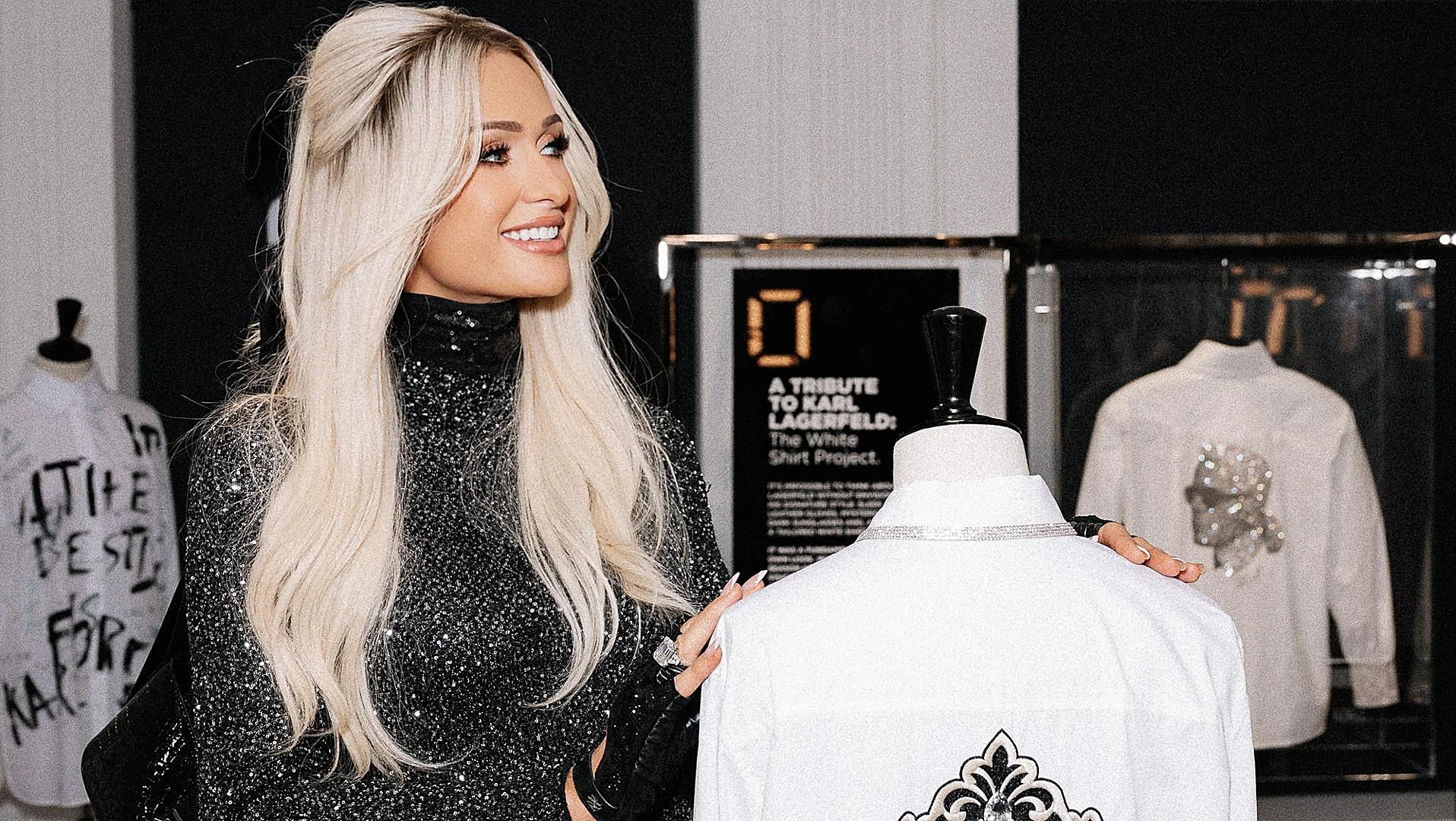
In fashion, this nostalgia translates into the return of aesthetics from the nineties and early two-thousands. Generation Z has turned that decade into a visual archive from which to extract codes, silhouettes, and attitudes. The fashion of the 90s is consumed out of context, reduced to iconic images circulating on social media.
Kate Moss, the Eternal Icon That Generation Z Turns Into a Style Ideal
In that process of mythologizing, style becomes simplified: minimalism, apparent nonchalance, slender bodies and basic garments. Kate Moss occupies a central place in this imaginary. No one remembers her campaigns or runways; what remains is her off-camera image, on the street, in clubs, in spontaneous scenes. Pioneer of street style, Moss continues to inspire new generations who fill their mood boards with her most iconic looks.
Her style connects with Generation Z’s selective nostalgia: simplicity, apparent indifference, and distance from excess. Slip dresses, straight jeans, white tees, or masculine coats are retrieved as stable references against today’s hyper-productive visual culture. It does not demand constant reinvention nor respond to algorithms; it works because it already worked. Her aesthetics fit the taste for the timeless, repeatable, and easily identifiable.
Kate Moss and her former partner, Johnny Depp, in a 1990s image.
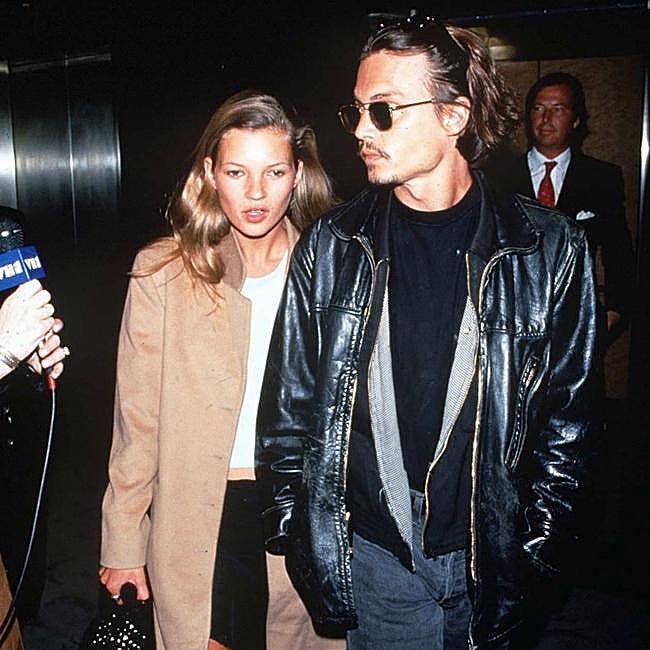
More than a literal return to the nineties, the fascination with Kate Moss and the fashion of that decade reveals how Generation Z uses symbols from the recent past to build identity. It is not about reproducing the 90s faithfully, but about adopting a filtered and comfortable version. Nostalgia is aesthetic, not social or political; the context disappears, leaving only clear and recognizable visual codes.
In the face of the saturation of trends and the constant pressure of the present, the nineties are perceived as a more stable and controllable space. The mythologizing of that decade says less about the years than about the current moment: it is not a desire to go back, but a way to order the present through a past carefully edited.
Apple Martin and her mother, Gwyneth Paltrow, at the premiere of “Marty Supreme” in December 2025.

With this trend, many daughters of the 90s stars have literally “raided” their mothers’ closets, taking garments from that era and bringing them to the street. From Lila Moss, daughter of icon Kate Moss, through Apple Martin or Kaia Gerber, these young women have recovered looks their mothers had worn, updating them with their own style.
This recovery is not just a nostalgic homage: it is also a way to appropriate visual codes that remain relevant today. Vintage becomes a trend, the iconic is reinterpreted, and 90s fashion stays alive, not as a memory, but as a constant reference for new generations.