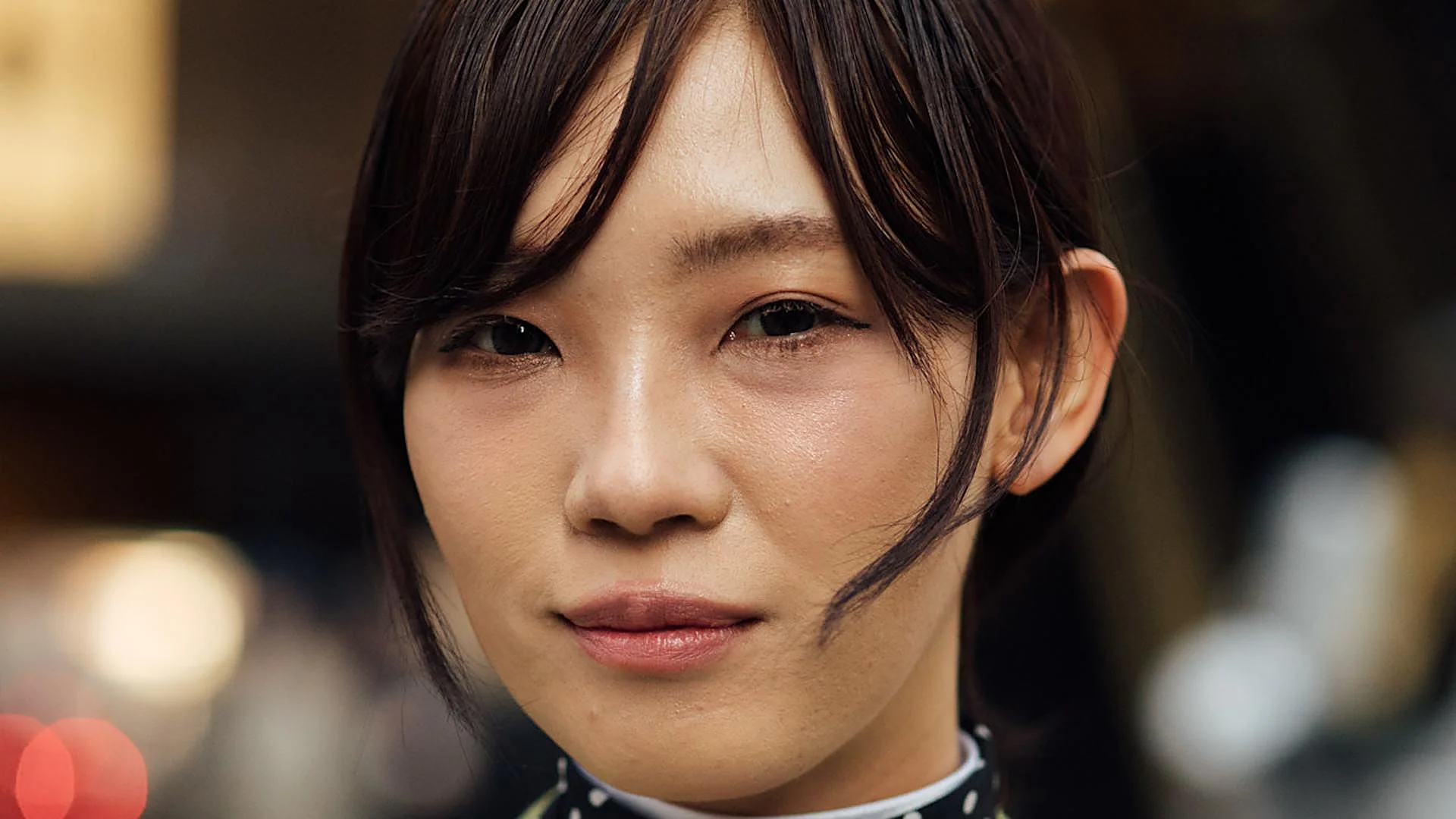
Korean cosmetics have fascinated people for years. Its lightweight formulas, meticulous routines, and that constant pursuit of radiant, even, and dewy skin have turned K-beauty into a global reference. But, beyond the aesthetic phenomenon and the success of many of its products, there is a question that is repeated more and more among those trying to adapt these routines to their daily lives: does Korean cosmetics work equally well for Mediterranean skin?
The doubt makes sense. Although many beauty trends end up globalizing, skin does not live in isolation from its environment. Climate, sun exposure, genetics, daily habits, and even the way of understanding self-care directly influence how it responds to cosmetics. Therefore, simply applying a routine designed for another context does not always yield the same results.
To better understand these differences, the expert Marta Ortega, a pharmacist and founder of the nutricosmetics brand MLAB, explains that, before comparing products or steps, it is useful to look at the general context in which each skincare approach develops. And there the first important factor is the climate.
While in the Korean context very lightweight formulas and layered routines are prioritized to maintain hydration and luminosity, Mediterranean skin tends to have greater concerns about dehydration, dark spots, loss of firmness, and sun-induced aging. In other words, it is not merely a matter of taste or trends, but real skin needs.
The pharmacist also notes that there are differences in the skin’s own behavior. She explains that Korean skin tends to be thinner, but with greater density and a lower tendency to wrinkle. By contrast, Mediterranean skin tends to exhibit more texture, more visible pores, and a greater predisposition to skin aging.
Another interesting point highlighted by Marta Ortega relates to the culture of skincare. In Korea, she explains, the facial care routine begins at a very early age and is maintained with great consistency. There is discipline and continuity in these gestures that are part of the lifestyle.
Mediterranean cosmetics, for their part, tend to lean on simpler routines, usually three or four steps, but with more concentrated actives and a more treatment-oriented aim. Here, the goal is mainly to correct or improve dark spots, wrinkles, lack of firmness, or uneven texture, something closely linked to the visible effects of the sun and the passage of time.
Mlab Light Facial Serum
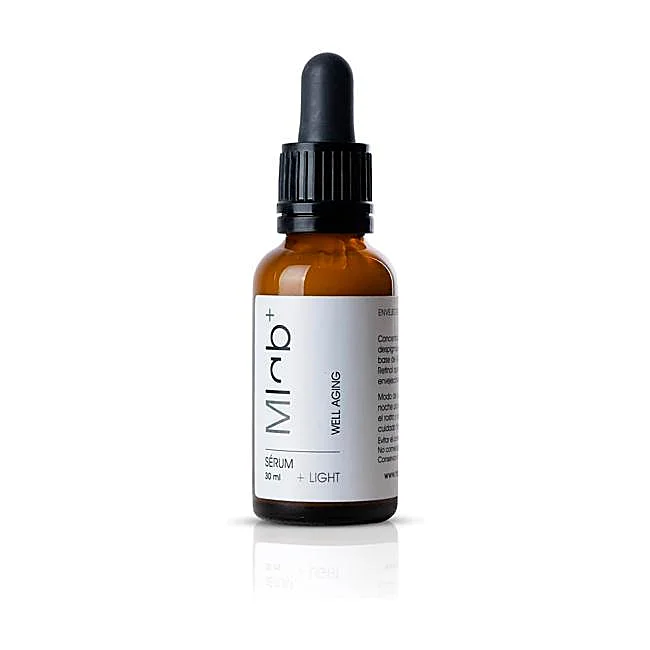
Mlab Light Facial Serum
It is a renewing, brightening, and firming formula designed to improve the skin’s appearance in a more global way. Instead of adding many steps, it responds to that more Mediterranean logic of using fewer products, but better focused on treating texture, luminosity, and signs of aging. In this case, it should also be noted that Marta Ortega is the founder of the MLAB brand.
COSRX Snail Mucin Hydrating Serum
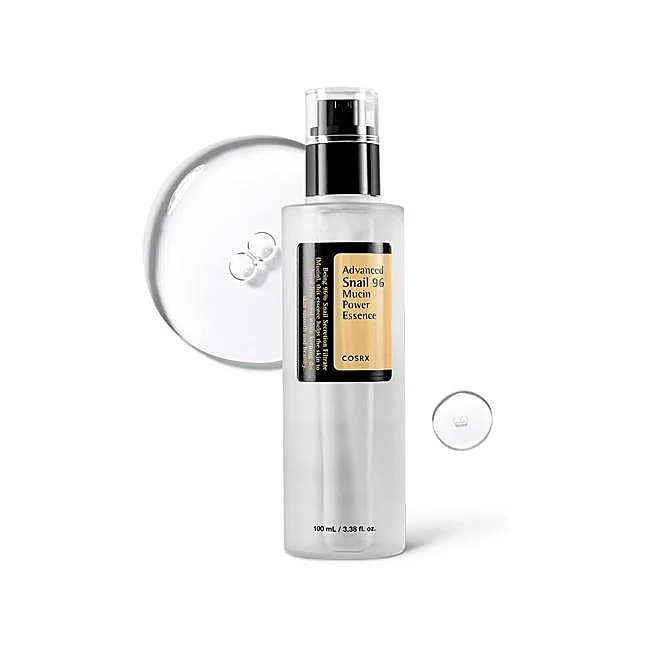
COSRX Snail Mucin Hydrating Serum
This type of lightweight serums help hydrate, soften, and improve the skin’s texture without adding weight, something especially interesting in warm climates or on skins that need balance without feeling saturated. Additionally, their soothing and repairing effect fits very well as the first step of treatment in a simple routine.
La Roche-Posay Cicaplast Baume B5+ Balm
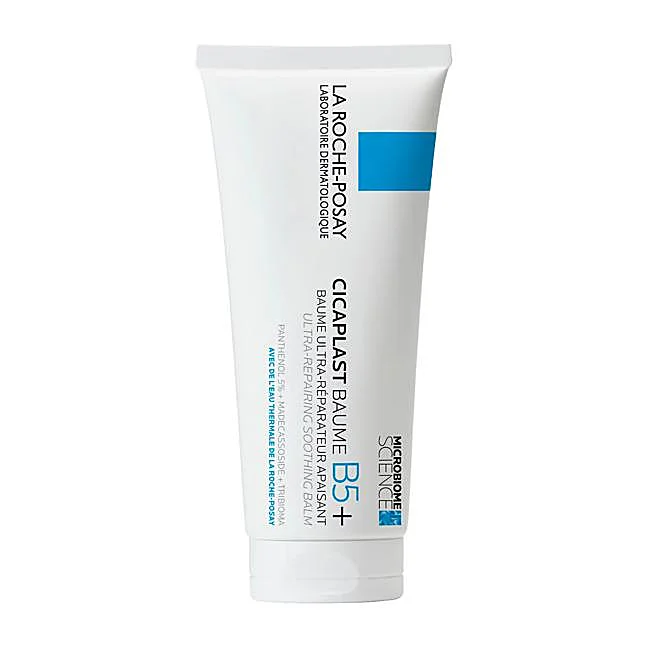
La Roche-Posay Cicaplast Baume B5+ Balm
Alongside protection, repairing the skin barrier also takes on special importance. Sun exposure, the use of renewing actives, or even environmental dehydration can make the skin more sensitive or reactive. In that context, formulas like Cicaplast Baume B5+ fit well, a soothing and repairing balm that helps reinforce the skin during moments of sensitivity or when it needs to recover. It is the kind of product that perfectly reflects that idea of practical and effective care that tends to work especially well in the Mediterranean environment.
La Roche-Posay Cicaplast Baume B5+ Balm
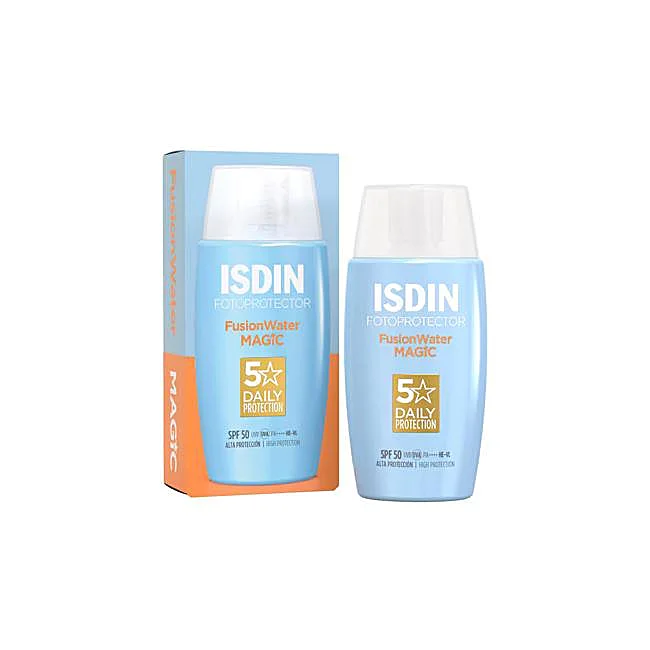
Protector solar FusionWater Magic de Isdin
Its light texture allows maintaining high protection without the dense feel that often leads people to skip sunscreen. On skin exposed to more intense solar radiation, this step not only prevents spots but also helps preserve collagen and slow the visible signs of aging.