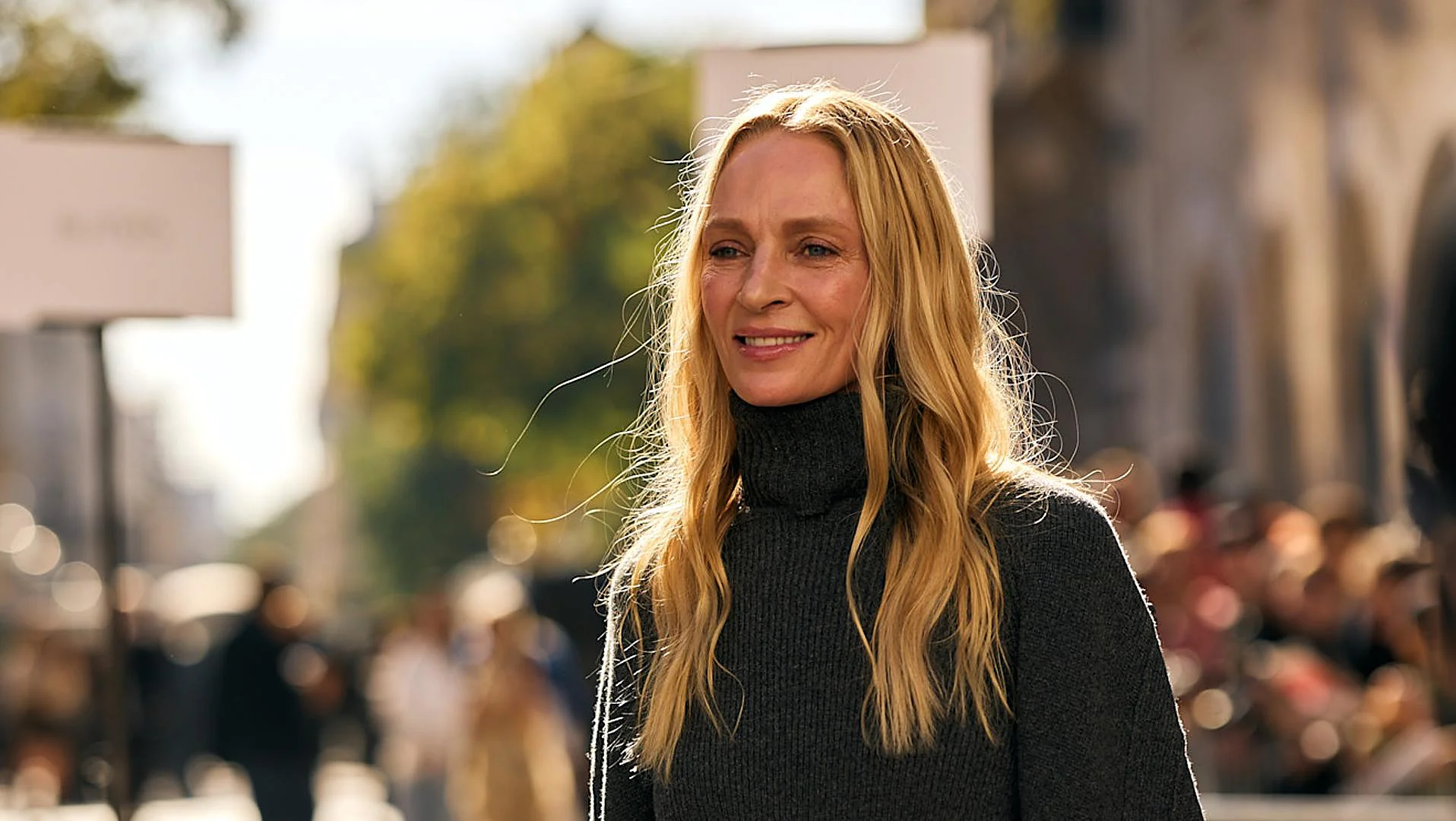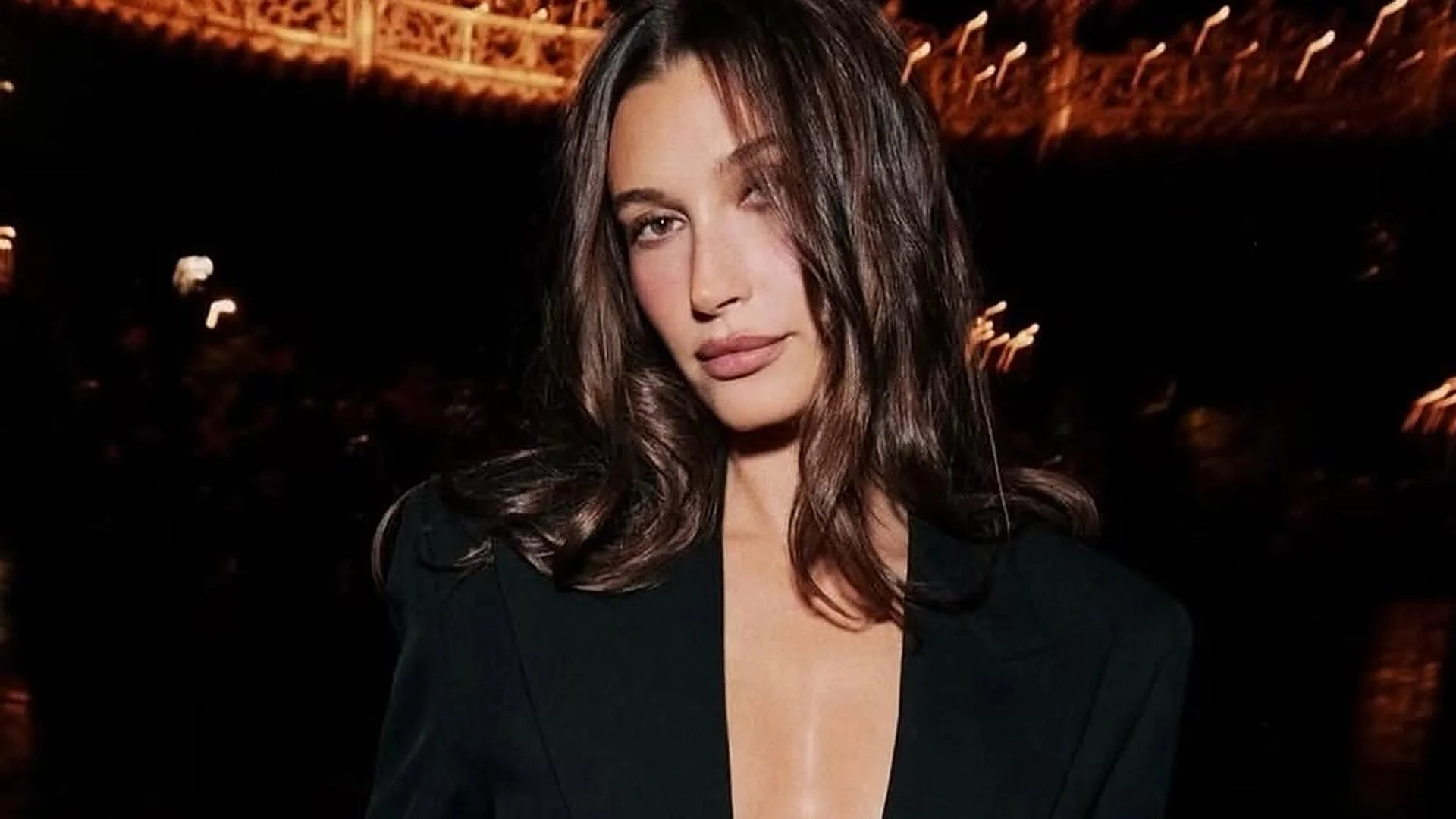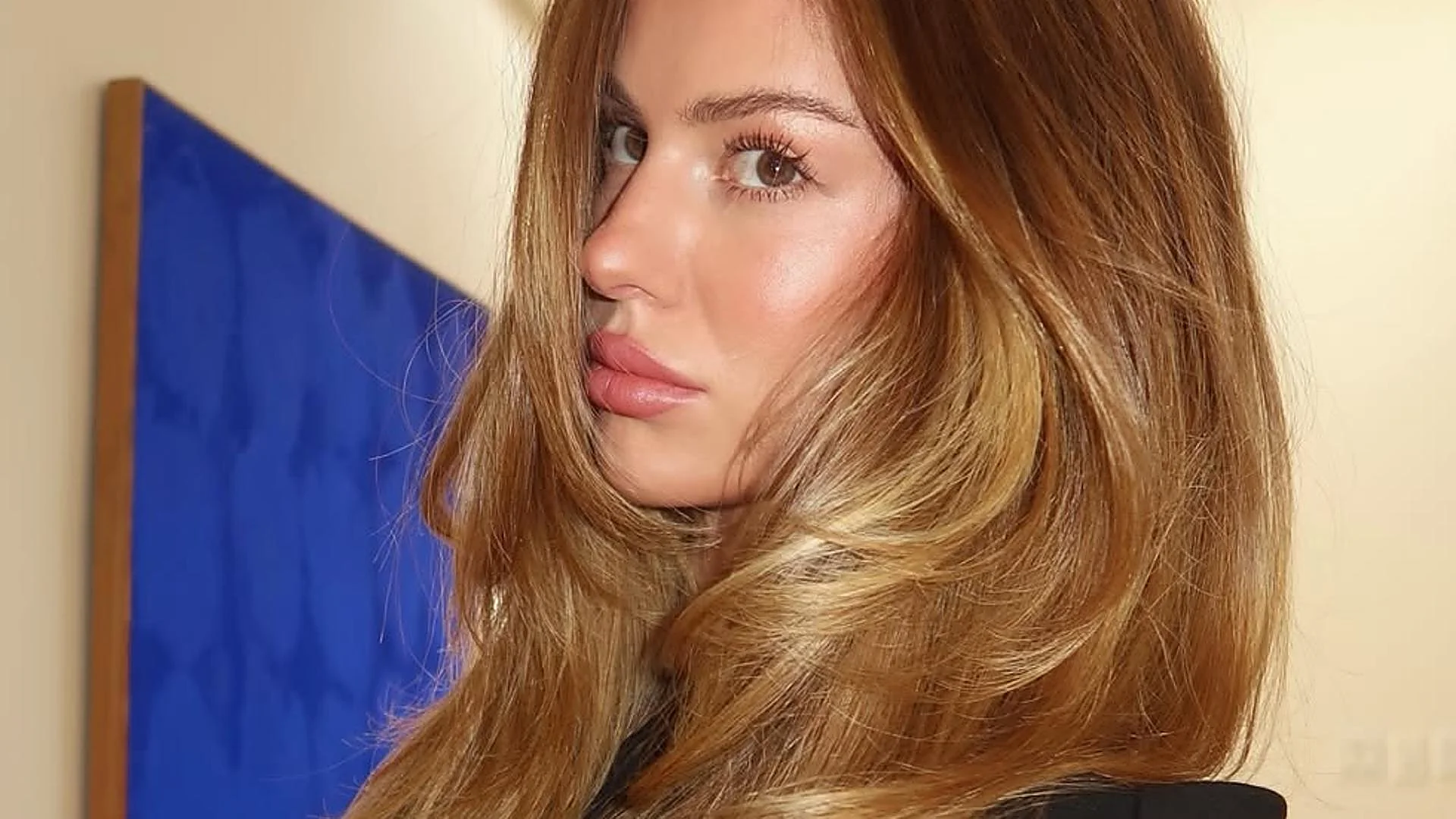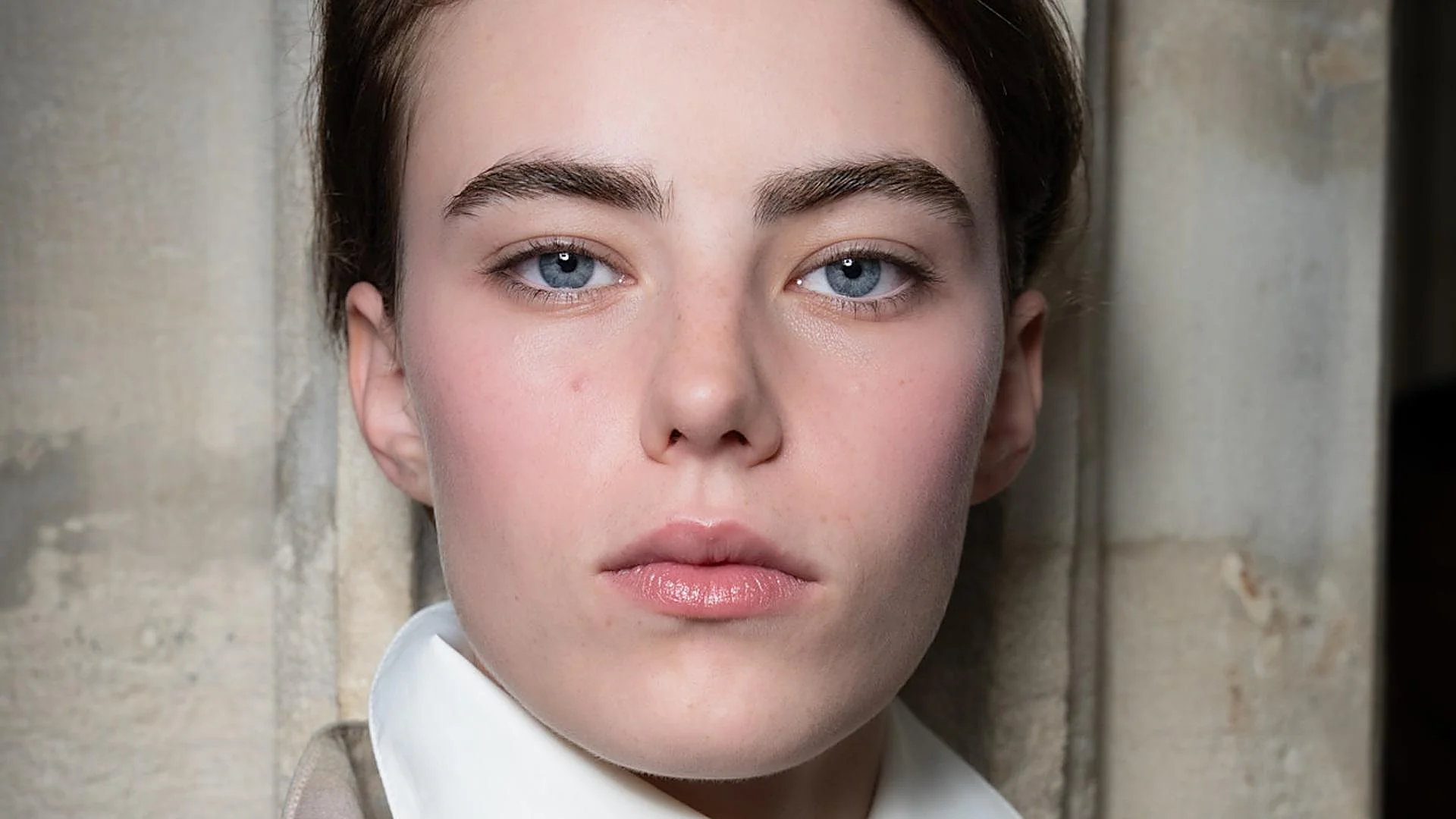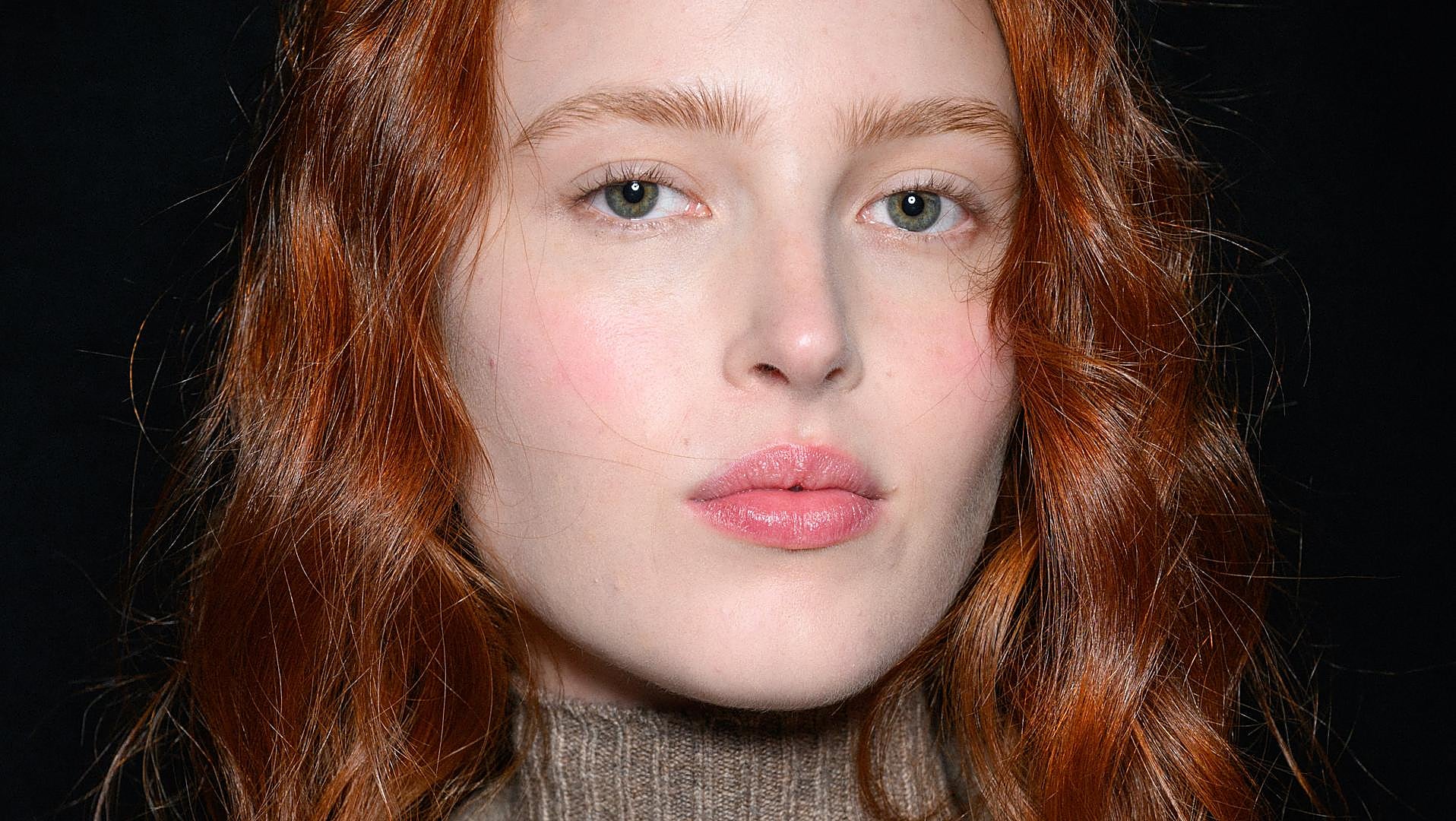
Although it is a term associated with ancient Greece and the golden ratio, facial harmony has become fashionable among young people thanks to a TikTok filter that uses the rule of thirds to measure the proportional distance between the facial thirds (forehead, nose, chin) and their relationship with the lips, cheekbones, and jaw.
According to Dr. Carlos Gullón (Femm-Institution Gournay Clinic), this has led to consultations that are increasingly unrealistic and demanding, with cosmetic surgeries that are unnecessary and even costly corrections due to turning to fillers administered by people without medical qualifications.
With this approach, we asked the doctor in which cases it would be considered to perform a cosmetic surgery in favor of a realistic and safe facial harmony. From blepharoplasty for drooping eyelids to avoid a tired look or cervicofacial lift to reduce the double chin due to muscle weakness or lax skin, these are the procedures he recommends.
«When a professional evaluates facial cosmetic surgery (or non-surgical medical procedures), they do not base their assessment solely on «trends», but on clear clinical and aesthetic criteria. Each intervention responds to a concrete anatomical need and to a functional or harmonic objective», explains the surgeon.
«For which facial features are these surgeries considered? Professionals recommend these corrections when there is: • A feature that is out of proportion with the rest of the face. • Notable asymmetry. • A feature affects the emotional expression (e.g.: drooping eyelids that produces a tired face). • Functional alterations (breathing, chewing, vision). • The lack of structure produces a fatigued or aged appearance. • The patient seeks natural balance, not to copy a filter. • The anatomy does not permit correction with non-surgical treatments (hyaluronic acid, botulinum toxin)«, notes Dr. Gullón.
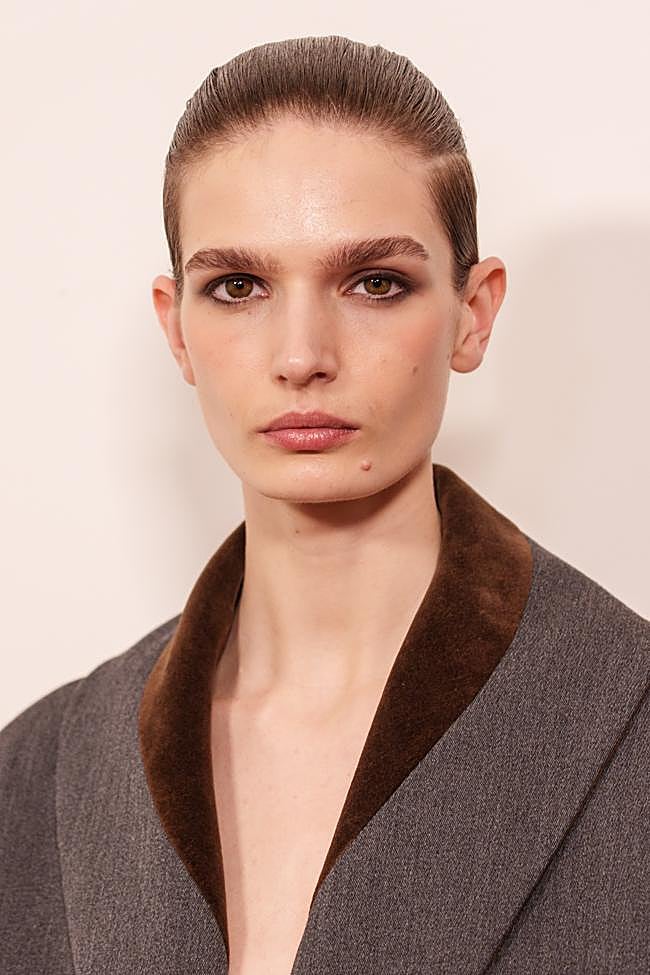
These are the cosmetic surgeries recommended by an expert surgeon.
The cosmetic surgeries recommended according to necessity
1. Surgeries to improve the upper third: «blepharoplasty when there are droopy upper eyelids that give a tired look, bags under the lower eyelids or excess skin that affects peripheral vision. Objective: rejuvenate the gaze without changing the natural expression», explains the expert. Another surgery considered when the eyebrows are descended, there is excess deep wrinkles in the forehead or the eyelid seems heavy due to brow droop, is the lifting. «The objective is to open the gaze and raise the eyebrows without giving a “surprised” look.
2. Surgeries of the middle third: «rhinoplasty indicated in cases of a dorsal hump (bone), drooping or very bulbous tip, deviated septum, disproportionate nasal width or disharmony nose–lips–chin. Objective: a nose that fits your proportions, not a generic ideal«, explains Dr. Gullón.
«In this area, a cheekbone surgery (malar or midface lift) can also be performed when there is a lack of cheek projection, volume has been lost with age or the middle third looks «flat» or tired. Objective: provide support and youth«, expounds the doctor.
3. Surgeries of the lower third: chin surgery (mentoplasty) indicated for a retruded chin, an excessively projecting chin, mandibular asymmetry or imbalance in the profile (Ricketts line outside parameters). The objective? Balance the profile and give structure to the face.
There can also be a case for mandibular surgery when the jaw is very small or not well defined, when there are asymmetries or when there is a need to improve contour definition. Finally, a cervicofacial lift if there is sagging in the jawline and neck, double chin due to muscle weakness or lax skin, or lines marked by aging.