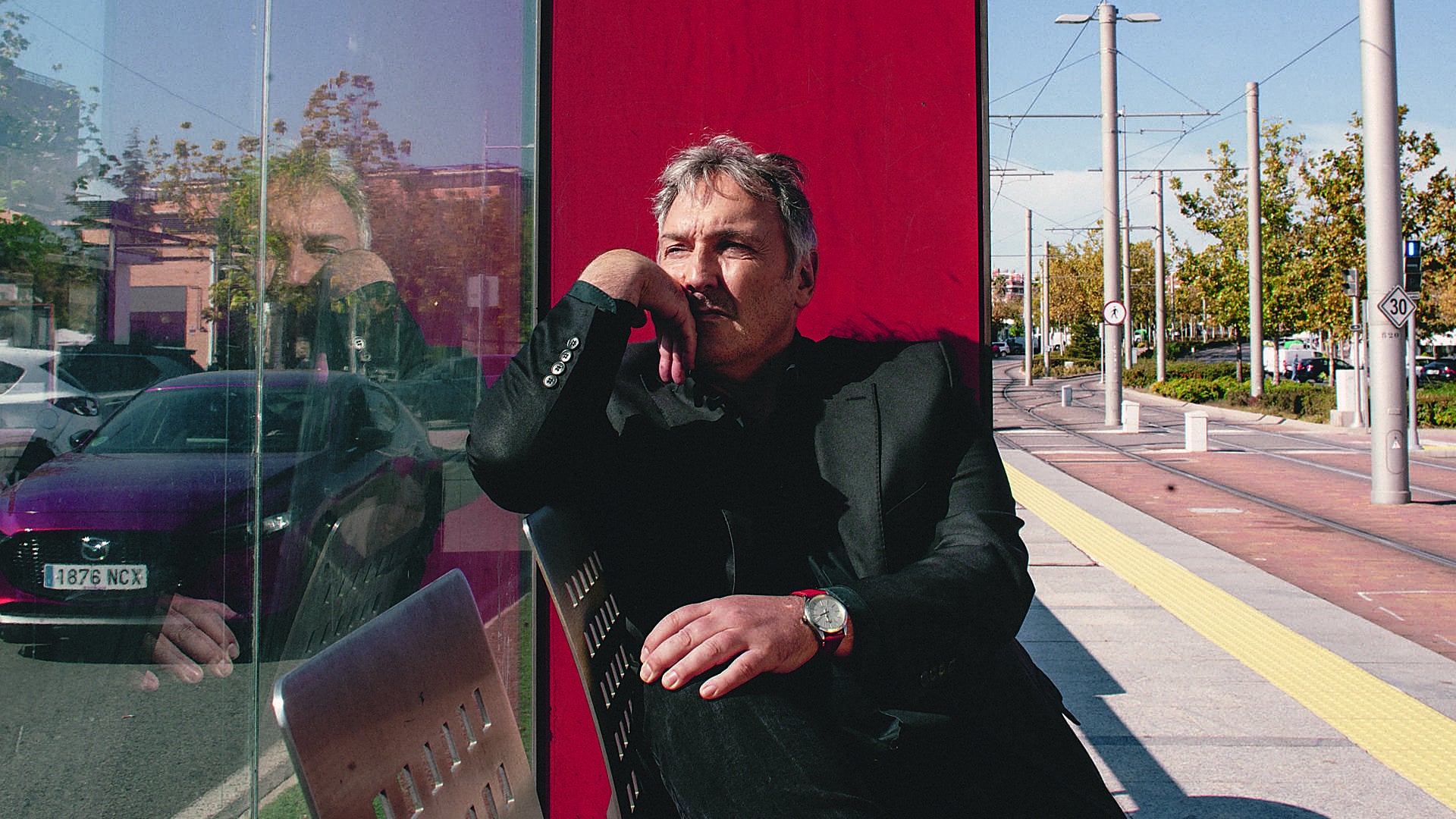
When he was about “11 or 12 years old”, Carlos Zanón (Barcelona, 1966) went to live for a few months at his grandparents’ house. There he found his uncle’s library, who was a professor and died very young in a car accident. “There were all kinds of books and it was a way to be with him. I began to come into contact with real works, because up to that moment I only liked The Three Musketeers, a novel that my father had given me and which was the only thing I read. I couldn’t say that I liked reading, but I liked that work by Alexandre Dumas.”
Half a century after that encounter with that very personal literary selection, Zanón is, in addition to a screenwriter, literary critic and poet, a reference in crime fiction in our country, commissioner of BCNegra, the festival focused on the detective genre that is held this week in the City of Barcelona. Although he clarifies that he does not write “crime noir novel, it’s more of an existential novel.”
Given his professional versatility, he clarifies that he considers himself a writer, “although I like to work with the text, for the pages to sound good, to choose the words, the tempo… The way of explaining things that is, ultimately, what you, as a reader, like about an author, more than what he tells you. That comes from poetry and it’s also there.”
The Night of the Monsters and Barcelona
On February 19, Zanón will publish his latest novel, Objetos perdidos (Salamandra), “which aims to reflect on how close we all are to disappearing. A bad deal, a bad divorce, four ill-made decisions and you can evaporate.”
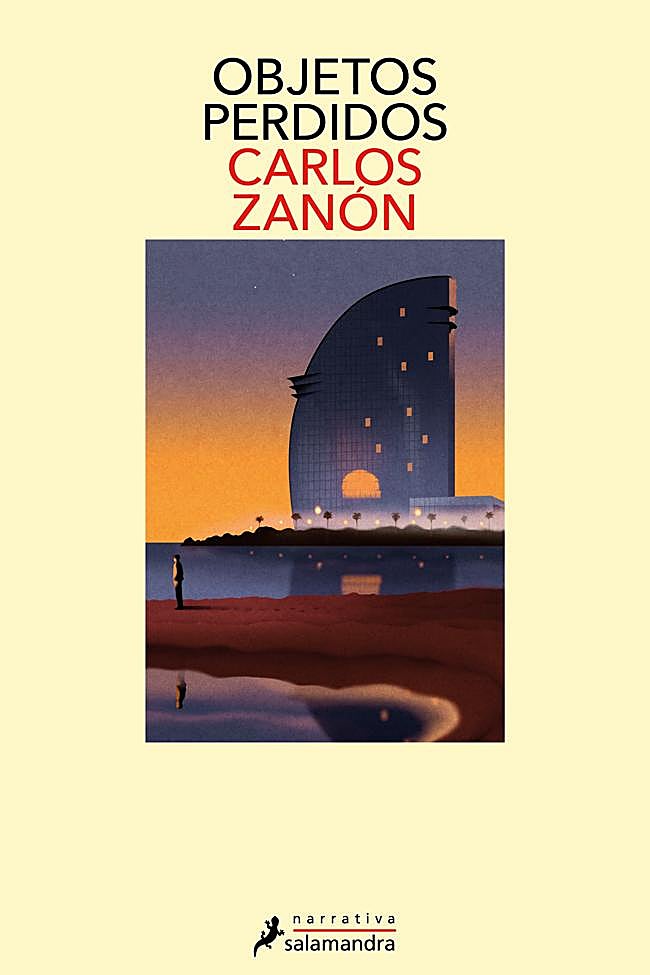
Portada de Objetos perdidos, la nueva novela de Carlos Zanón.
With La città dei vivi, by Nicola Lagioia, as a reference (because “it speaks of addiction and that night of monsters in which everything can change”), the choice of Barcelona as the setting leads the writer to appeal to tradition that “begins with Marsé, continues with Casavella and connects with what I can do.”
And from both authors and their hometown, he respectively stays with Ronda del Guinardó, “to avoid naming the typical Last Afternoons with Teresa, because it is a very interesting short novel,” and El día del Watusi, “which is like a puzzle, many genres at once, from the penny dreadful to the 19th-century arriviste novel, and it has a very interesting look at pre-Olympic Barcelona, the one with unpaved streets and wild games.”
Favorite Authors
Patricia Highsmith’s ability “to handle the genre and the character of the characters” and John Updike’s to talk about them “without judging them” make both American authors among his favorites. But his most recommended book is Love in the Time of Cholera. “It is a work written in a state of grace, with that way García Márquez had of describing things and that idea of high popular culture, because anyone can read it but it has a lot of literature,” he reasons.
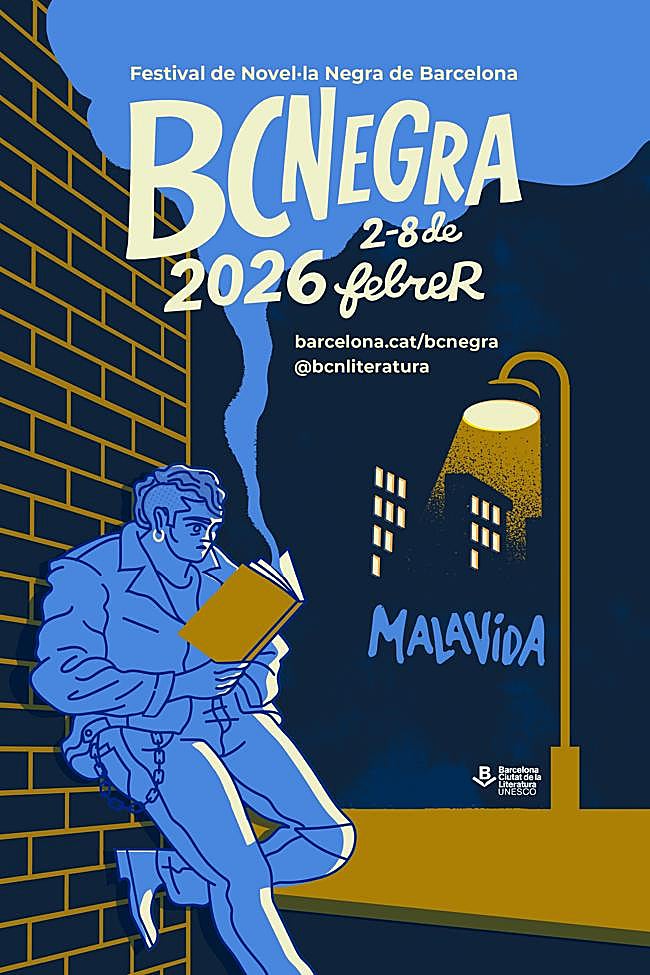
Cartel de la nueva edición de BCNegra que se celebra esta semana en Barcelona.
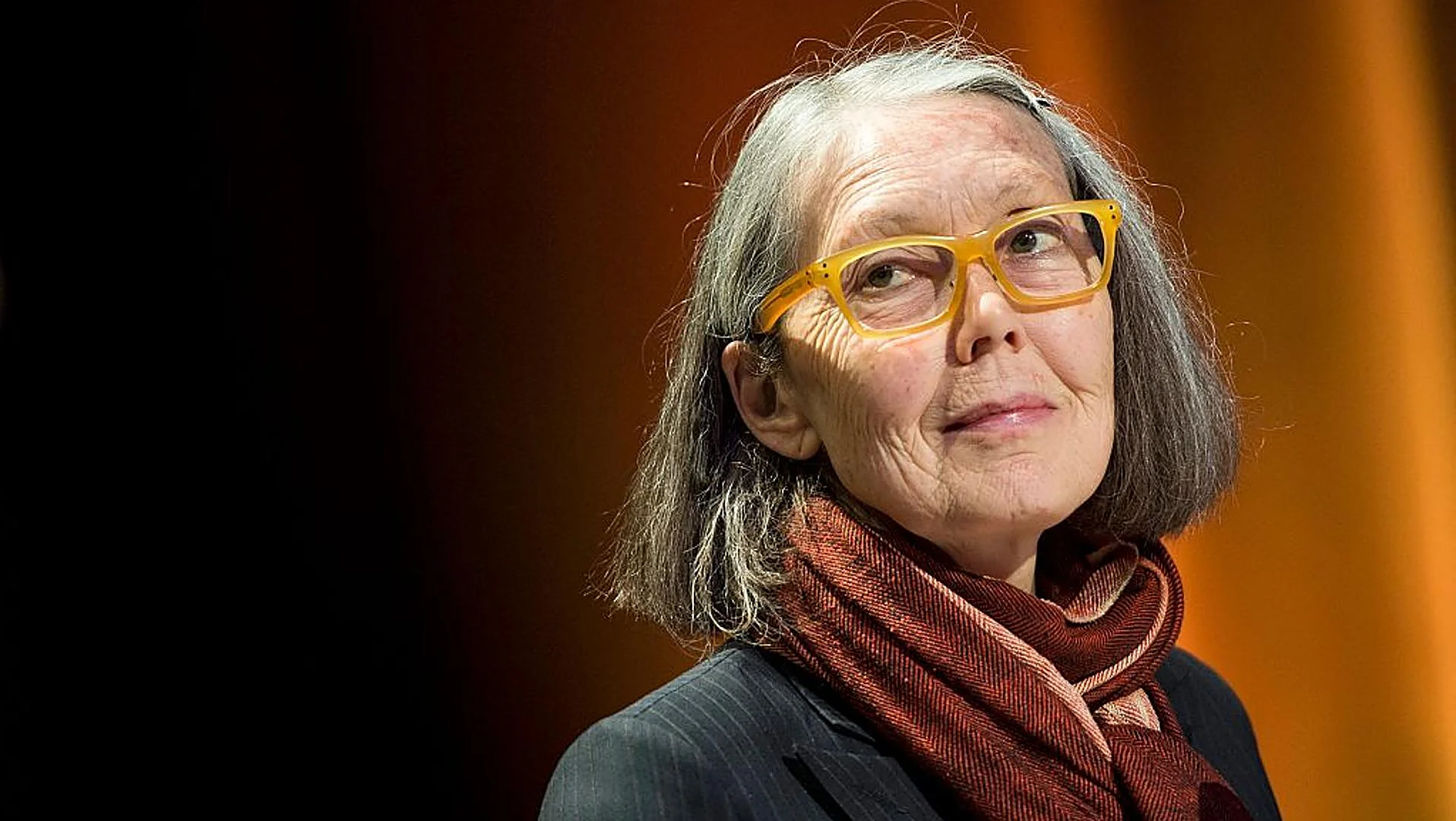
A Christmas Carol, by Charles Dickens, is the novel he would have liked to write “because it has everything: structure, time leaps, social denunciation…”. Emily Dickinson and Anne Carson are Zanón’s preferred authors in his other professional genre, poetry.
But choosing between prose or verse when reading is left to “whatever I feel like.” And he confesses: “I try to do it for pleasure and with the innocent reader’s eye, not with the professional gaze of someone who also writes books.”