The Canadian writer, poet, and essayist Anne Carson is the most recent recipient of the Nobel Prize in Literature “for her bold and innovative work, which, in a playful dialogue with the classical tradition, has created new forms for contemporary literature.” This was announced by Ingrid Carlberg, the permanent secretary of the Royal Swedish Academy, revealing that the author was in Iceland “listening to the wind” when she contacted her to share the good news.
Carson, born in Toronto, draws inspiration from themes and stories of Greek and Roman literature to create works that often blend poetry, essay, and fiction. Among Carson’s most significant works are Autobiography of Red, a verse novel that reinvents the Greek myth of Geryon; and The Beauty of the Husband: A Narrative Essay in 29 Tangos, a harrowing poetic journey of a marriage that is crumbling. She is also the recipient of the 2020 Princess of Asturias Award in Letters.
What we did not expect was to find, written by her own hand—specifically in an essay published in the London Review of Books—a full love letter to Rosalía. Anne Carson wrote this piece just a few weeks ago, after being one of the 20,000 people who attended the Spanish singer’s concert in Chicago.
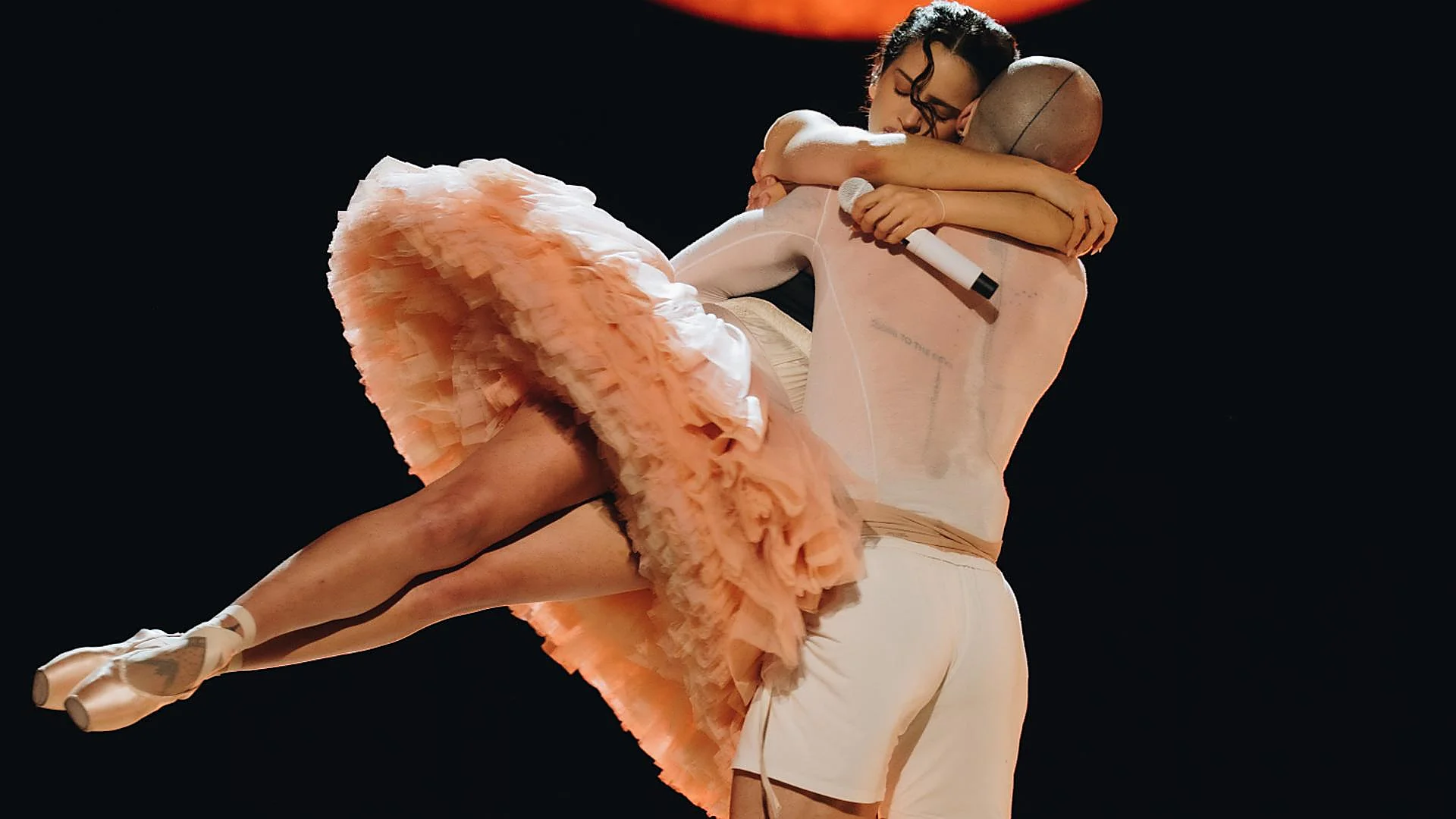
“With firm steps, a smile on her lips and eyes marked with asterisks, she wrapped the crowd’s shouts around her as if it were a magical cloak, and turned them all into rabbits or into a vase of tulips among her folds,” wrote Anne Carson, bowing to the collective enchantment of Rosalía. “There is so much to understand. With each breath of hers, the audience cried out as if she were scratching their spine with her nail, at each of them. That voice can do anything.”
Anne Carson and Her Fascination with Rosalía
The Nobel laureate continues her article, offering a few glimpses into Rosalía’s life: how flamenco was her first passion and how, from there, after several years of study, she moved on to create “surprising pop songs”. Carson notes that for her final song at the Chicago concert she managed to blend both genres with mastery, accompanied by the deadly stamping and the war of handclaps.
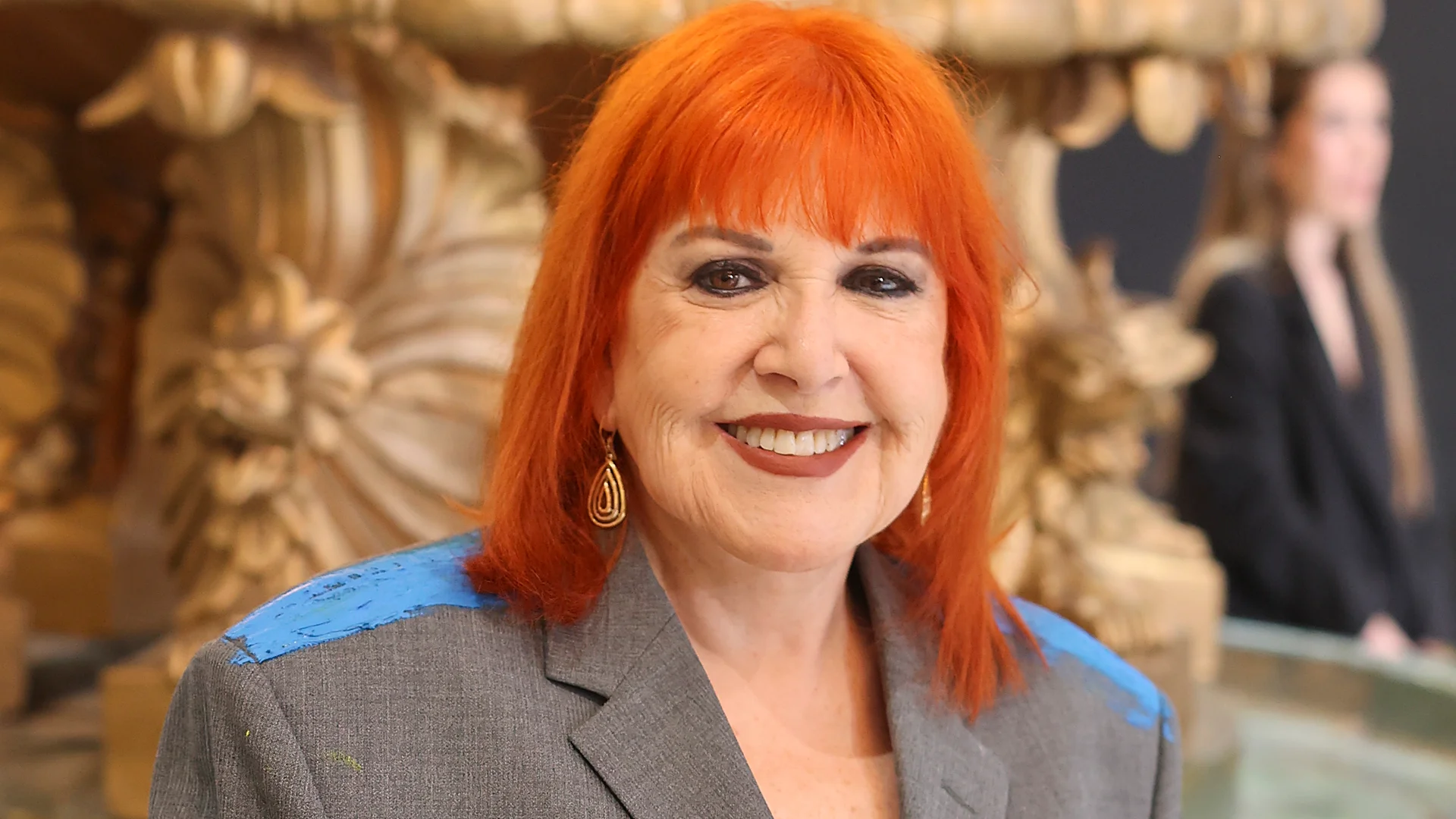
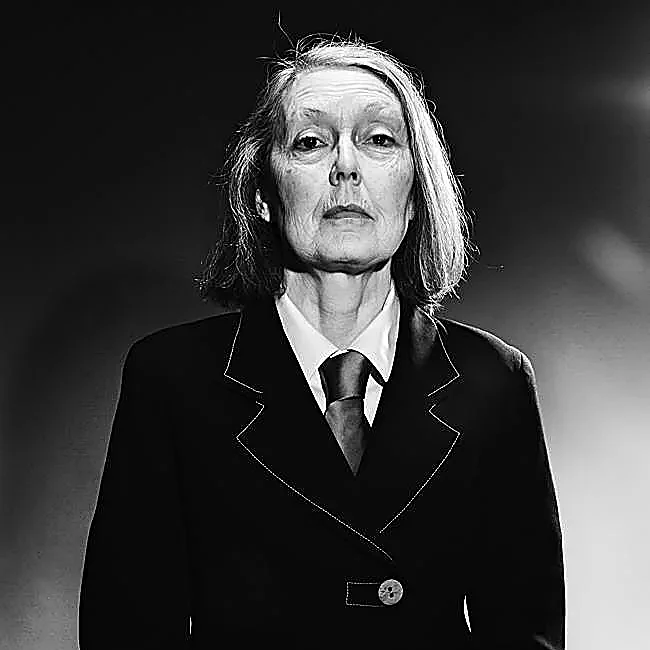
Anne Carson, en una imagen de archivo.
She did not spare praise for the voice of the Catalan singer either: “It is a marvel. It is a cliché that flamenco requires maturity in the voice; her voice, which somehow still retains the sparkle of adolescence, could go from wonderful to miraculous in just a few years. It rises above the frenetic thrumming of the sound system like a silver arrow launched into space. It could be stroked like an animal that leaps and preens.”
“I had never heard a sound like that,” she sums up the experience with deep admiration. “Do I envy her? Of course I do. She is a 33-year-old woman who embodies feminine glamour and strength. She knows how to pout, pose, and parody her own seduction: this is the new feminism. I am fascinated by her, unlike Björk, who distances herself from femininity by turning into other species,” she adds before concluding that “she never runs out of breath; it is we who run out of breath. She turns you inside out like a glove.”
Rosalía’s Fan Club
Anne Carson isn’t the only prominent cultural figure to voice admiration for Rosalía, although perhaps until now no one had expressed it in such masterful terms. Dua Lipa, Madonna, Katy Perry, or Harry Styles have declared themselves fans of her latest album, Lux, and the renowned composer Andrew Lloyd Webber described it unequivocally as the ‘album of the decade’.
The Spanish singer managed to win over even the Vatican with her latest work. Cardinal José Tolentino de Mendonça, prefect of the Dicastery for Culture and Education of the Holy See, said that the artist had detected a broader dissatisfaction with the secular world. “When a creator like Rosalía speaks of spirituality,” he asserted, “it means that she perceives a deep need in contemporary culture to approach spirituality, to cultivate an inner life.”