
In cosmetics, moisturizing ingredients are fundamental to keep the skin flexible, comfortable and with a healthy appearance. Among them, polyglutamic acid has gained prominence for its ability to attract and retain water, as well as form a superficial film that helps limit its loss. An action that makes it an especially interesting ally for dehydrated skin and those who need an extra touch of comfort.
However, its popularity has also been accompanied by comparisons with the king of humectants: hyaluronic acid. Beyond substituting one for the other, we should look for ways to work with both in a complementary way to achieve radiant and juicy-looking skin.
What is Polyglutamic Acid and How It Works
«Polyglutamic acid (PGA) is a biopolymer formed by glutamic acid. In cosmetics it is used as a humectant and film-forming agent: it helps to attract water and, above all, forms a surface film that reduces its loss» explains dermatologist Elena Martínez Lorenzo. The way to obtain it is «by bacterial fermentation (in fact, it is the component that gives that filamentous texture to natto, a traditional Japanese fermented food)» highlights dermatologist Lidia Maroñas, medical director and founder of the OneSkin Med Clinic. The doctor adds that «on one hand it retains water and, on the other, it forms a thin and flexible film over the skin surface that helps to retain transepidermal water loss».
Often PGA is compared with hyaluronic acid, what is the reason? Dr. Maroñas explains that «they work in a complementary way» because «hyaluronic acid, especially in its lower molecular weights, captures water and draws it toward the superficial layers of the epidermis». On the other hand, «the polyglutamic acid, due to its size, stays more on the surface and acts as a film that helps prevent that hydration from escaping». Both experts agree that one does not substitute the other or that PGA is more potent; Dr. Martínez Lorenzo believes that «it will depend on many things, including the concentration at which it is used», while Dr. Maroñas believes «to frame it as a competition is a mistake».
Skin types that will benefit most from this active
In general, polyglutamic acid is a well-tolerated asset for all skin types, but, as Lidia Maroñas indicates, «there are profiles where it shines especially». For the professional they would be: «the first, dehydrated skin. The second, sensitive skin or with an altered barrier, because that film-like effect provides comfort without irritation». The doctor also recommends it for «oily or acne-prone skin that are undergoing treatment with drying actives, such as retinoids, because it hydrates with a light texture that does not feel heavy». Finally, at the medical-aesthetic level it can be an ally «to accompany the skin in the recovery phase after some procedures».
If we talk about the routine, Dr. Martínez Lorenzo considers that it is mainly found in the «serum form» and that we can use it «after cleansing and before a more emollient cream». The expert recommends «applying it to slightly damp skin and then a moisturizer to promote water retention». Point on which dermatologist Lidia Maroñas agrees, stating: «a humectant needs water to work with, and if we give it to it at that moment, it will retain it on the surface rather than seek it in deeper layers». The expert adds that «if we use several serums, the ideal is to go from lighter and more watery textures to denser ones».
Actives it works with and usage warnings
One of the great advantages of this active is its versatility. «It is a very forgiving ingredient» states Elena Martínez Lorenzo, «even with retinoids, since it is very interesting because it helps to promote hydration in drier, more irritated skin». Among its strengths, dermatologist Lidia Maroñas mentions «hyaluronic acid because they form a natural tandem», as well as «niacinamide, ceramides or panthenol because they reinforce the barrier function». That said, we must be careful, the professional continues, because «by forming a film, if we layer it with many product layers, especially with formulas containing silicones or certain sunscreens, it can pill». The dermatologist concludes that this indicates «that we are saturating the skin».
Regarding mistakes or excessive expectations, Elena Martínez Lorenzo warns about «ascribing properties that go far beyond the evidence: hydrating is not the same as stimulating collagen or rejuvenating». The professional adds that «an isolated humectant may fall short and tends to work better when paired with emollients and/or occlusive ingredients». Dr. Lidia Maroñas highlights the fact of «using it as a substitute for the moisturizer» and being «led by the packaging claim without reading the formula». On this topic she recommends «checking the ingredient’s position on the INCI list (it appears as polyglutamic acid or sodium polyglutamate) because ingredients are ordered from highest to lowest concentration». The expert concludes that, if it’s at the end, «its presence may be more symbolic than real».
Products with Polyglutamic Acid
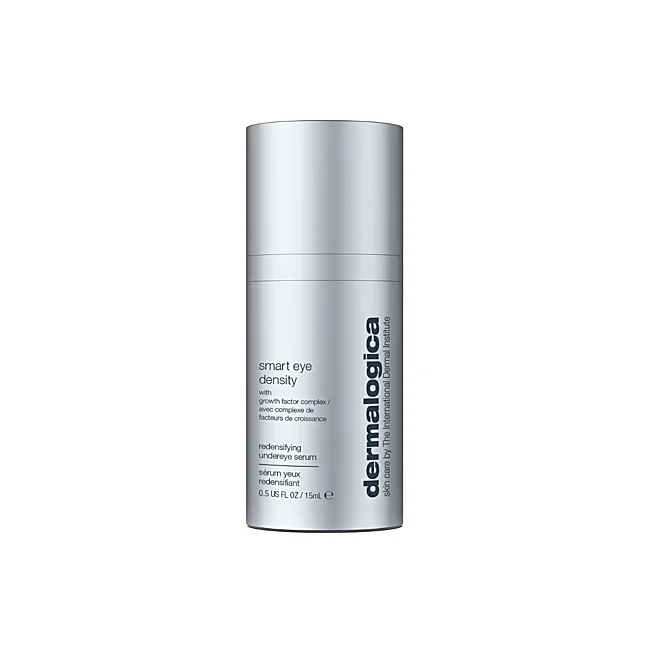
Smart Eye Density by Dermalogica.
Dermalogica
Smart Eye Density is an eye contour that targets volume loss in the area and dark circles. It combines hyaluronic acid and polyglutamic acid, reinforcing hydration and acting on barrier function. (€143)
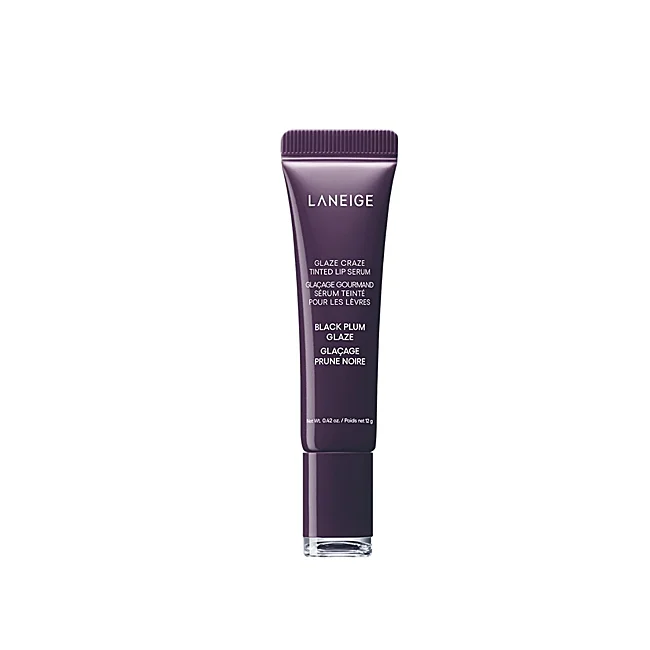
Glazed Craze Tinted Lip Serum by Laneige.
Laneige
The lips are one of the areas of the face that require the most hydration. Glazed Craze Tinted Lip Serum is a product that improves hydration and elasticity. The polyglutamic acid in the formula retains hydration on the surface of the lips. (€22)
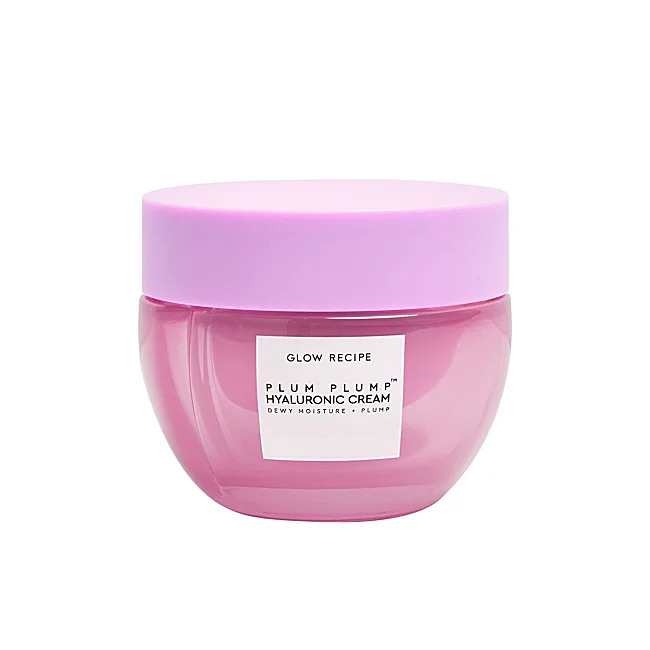
Plump Plump by Glow Recipe.
Glow Recipe
Plump Plump is a moisturizer with PGA that leaves the skin looking plump and juicy. This active also helps reduce the appearance of wrinkles and expression lines. (Available at Sephora, €38.99)
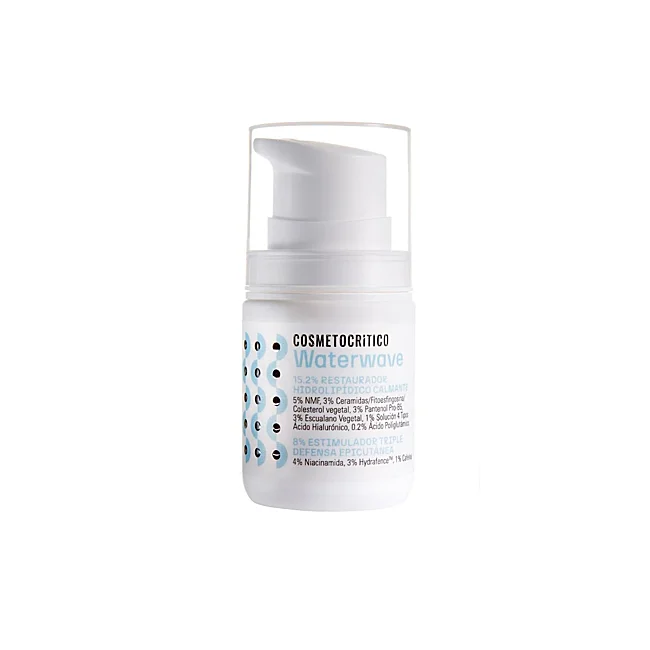
Waterwave by Cosmetocrítico.
Cosmetocrítico
Indicated for normal and oily skin, Waterwave is a moisturizing cream that replenishes the skin’s hydrating elements. It is fragrance-free and can be used around the eye area. (€38.99)
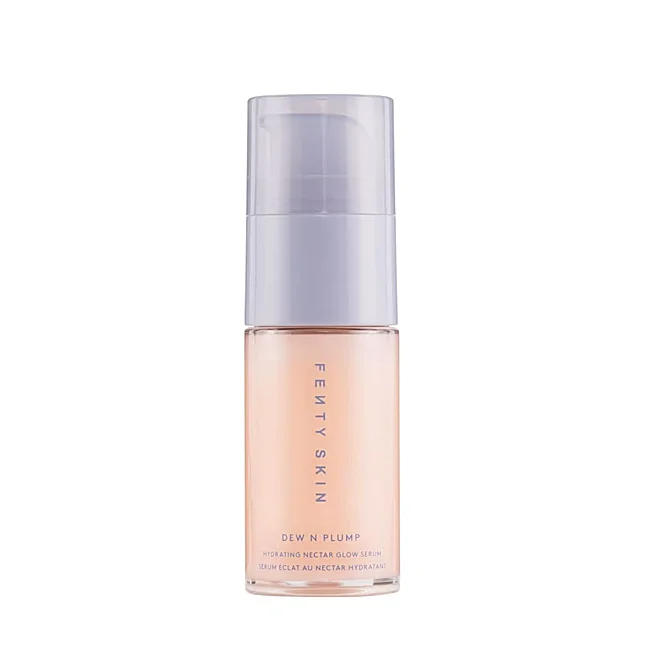
Dew n Plump Hydrating Nectar Glow by Fenty Skin.
Fenty Skin
Dew n Plump Hydrating Nectar Glow is a serum that provides radiance to the skin while strengthening the skin barrier. Formulated with polyglutamic acid and hyaluronic acid, it boosts skin hydration. (€35)
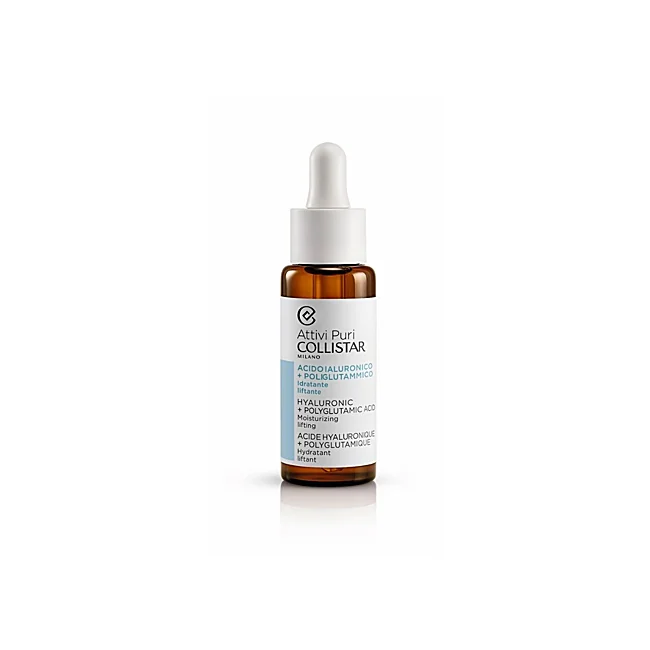
Attivi Puri by Collistar.
Collistar
The Attivi Puri serum is formulated with a combination of polyglutamic acid and hyaluronic acid. It improves skin hydration while making it look more plump and juicy. (€49)