
When autumn arrives, we do not only change the pieces in our wardrobe. We also start to consider whether we should modify our beauty routine. We reach for the most nourishing creams and pay special attention to those ingredients that promise to return to the skin the luminosity that seems to have been lost with the change of season.
And although adapting our care to the needs of each moment can be a good idea, the truth is that we do not always do it correctly. The colder temperatures, the wind, or the use of heating can promote dehydration and make the skin feel tighter, especially if it already tends to dryness. But this does not mean that we should replace all our products or adopt a ten-step routine.
In fact, some of the gestures we repeat every autumn with the aim of improving our skin can end up producing just the opposite effect. From using creams that are too dense to forgetting sunscreen, we review five common mistakes we should avoid when adapting our beauty routine to the colder months.
1. Changing all products at once
One of the most common mistakes is to take advantage of autumn’s arrival to renew practically everything in the kit. We replace the cleanser, buy a new moisturizer, introduce a serum, and start using several treatments at the same time. However, making too many changes at once can complicate things.
Each product contains a different combination of ingredients and, even though it is formulated for our skin type, there is always a possibility that it causes some reaction. If we introduce several cosmetics simultaneously, it will be much harder to identify which one is causing irritation, redness, or discomfort.
The most advisable approach is to first observe how our skin is doing and modify only what really needs it. If the moisturizer we used in summer is still working, there is no reason to stop using it. And if we want to incorporate a new formula, it is better to do it gradually and check its tolerance before applying it across the entire face.
2. Believing that all skin types need a thicker cream
With the drop in temperatures, rich creams and greasy textures once again take center stage. But thinking that a thicker moisturizer is always better can lead us to choose products that do not fit our needs.
Dry skin may appreciate formulas with ingredients such as ceramides, glycerin or hyaluronic acid, in addition to emollient components that help reduce water loss. However, combination or oily skin can still feel comfortable with a light texture, as long as it provides enough hydration.
The key is to differentiate between dryness and dehydration. While the former is related to a lower amount of lipids in the skin, the latter occurs when there is a lack of water and can affect any skin type, even oily skin.
Therefore, before replacing our moisturizer with a more nourishing cream, it is worth paying attention to how the face responds. The feeling of tightness, rough areas, or small flaking can indicate that we need to review our skincare, but not necessarily use much denser products.
3. Overusing retinol and exfoliants to renew the skin
Autumn is often associated with the return of renewing treatments. After summer, many people reintroduce products with retinol, glycolic acid, or other exfoliating ingredients with the aim of improving texture, dark spots, or the radiance of the face.
However, one of the most frequent mistakes is to begin using them too often or to combine several potent actives without taking into account the skin’s tolerance.
Although these ingredients can offer benefits, they can also cause dryness, flaking, and irritation if used inappropriately. And when the skin is already sensitized by environmental factors, insisting on exfoliating it can worsen its condition.
The most sensible approach is to introduce the treatments progressively, follow the instructions for each formula, and pay attention to the skin’s response. Also keep in mind that retinol is not suitable for everyone or all circumstances, such as pregnancy, and prescribed treatments should follow a dermatologist’s guidelines.
4. Stopping sunscreen because it’s not hot anymore
The problem is that ultraviolet radiation does not disappear with cold. Although solar intensity changes according to the season, time of day, and location, UV rays can still reach our skin even when the sky is overcast.
Dior’s La Crème Protectrice sunscreen.
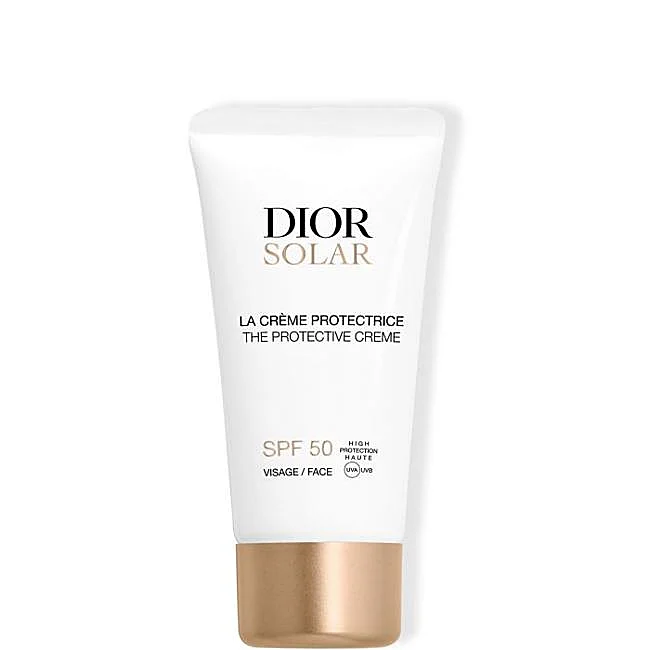
Therefore, sunscreen should continue to be part of our daily routine whenever there is exposure to solar radiation. The usual dermatological recommendation is to use a broad-spectrum product with SPF 30 or higher, accompanied by other protective measures when necessary.
5. Forgetting that cleansing and showers also influence hydration
With the arrival of cold, a very hot shower can be especially tempting. However, high temperatures and prolonged baths promote the removal of part of the superficial lipids from the skin, which can intensify the sensation of dryness.
The recommendation is to opt for warm water, use gentle cleansers, and avoid rubbing the skin unnecessarily. It is also important to apply moisturizer after washing, while the skin still retains some moisture.
Shiseido Gentle Clarifying Cleansing Foam.
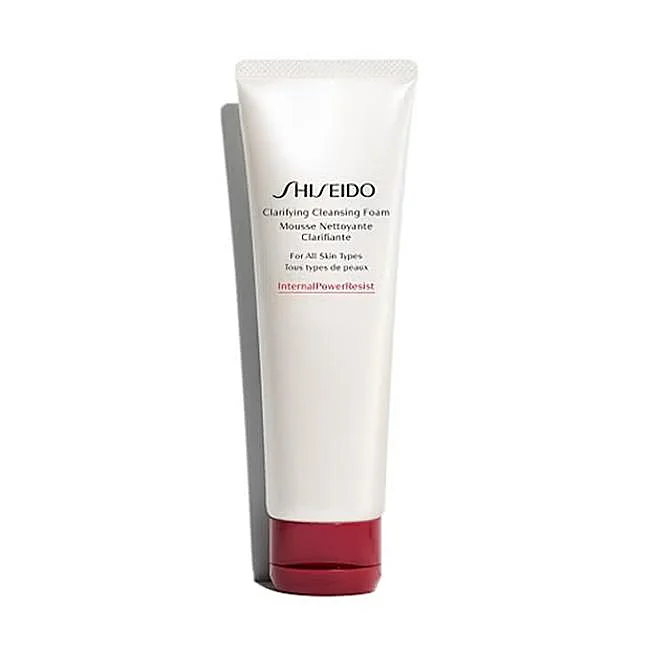
And we should not limit these care routines to the face. Hands, lips, and other areas particularly exposed can suffer from dryness during the colder months. Keeping a hand cream and a lip balm handy can help prevent discomfort without the need to complicate our routine.