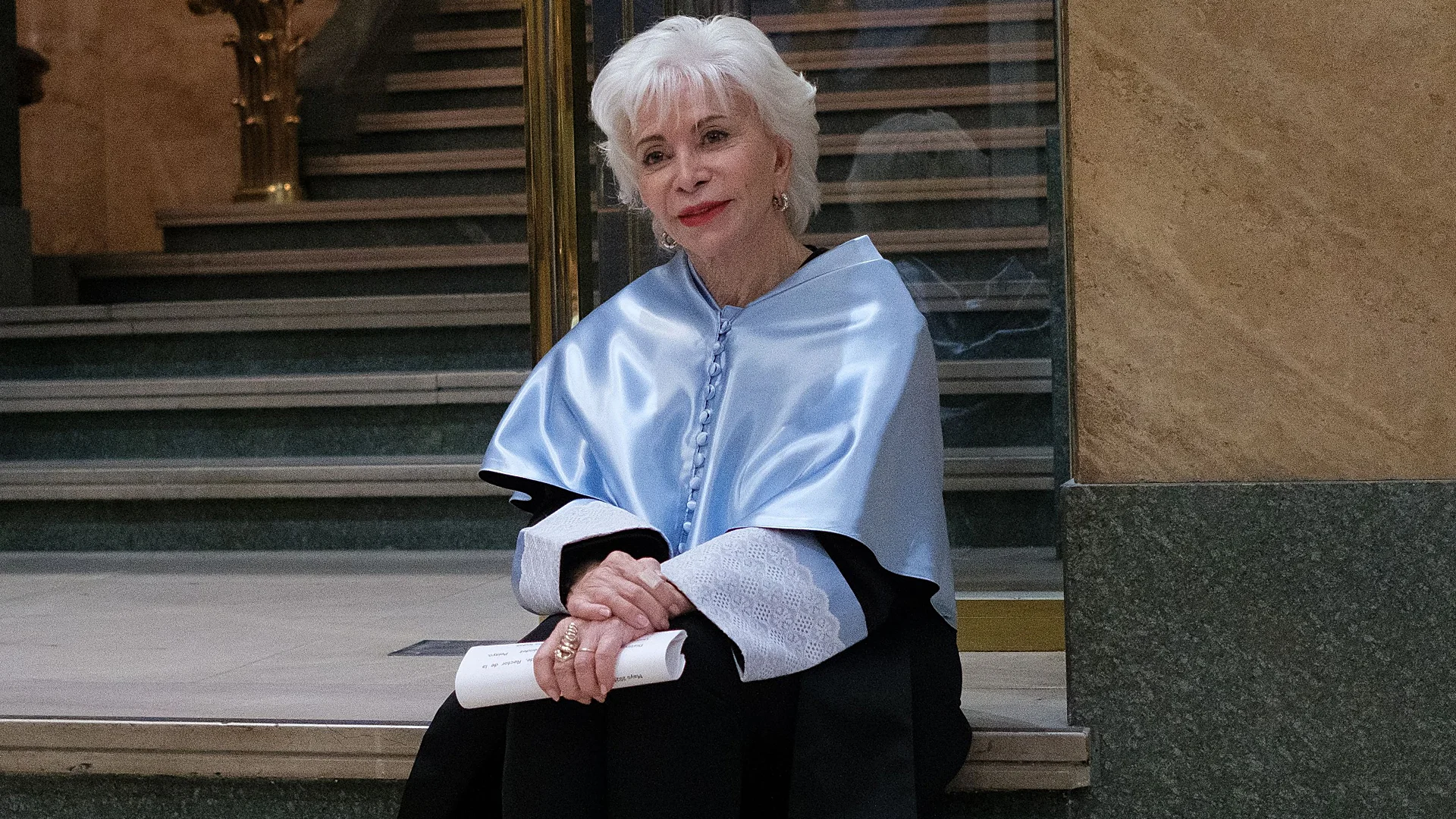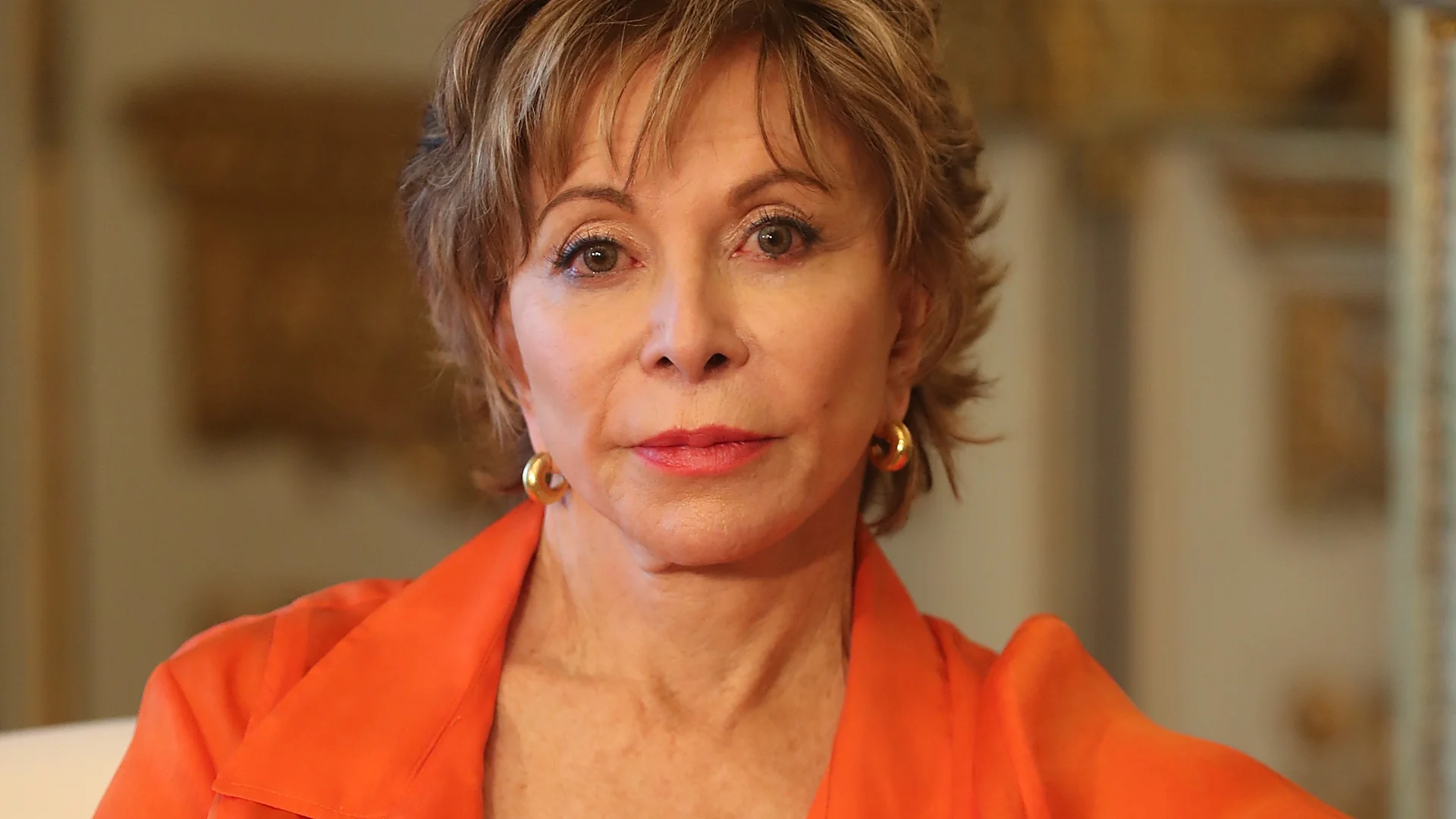
Isabel Allende, the world’s most-read Spanish-language author, has won the 75th edition of the Planeta Prize for Novel, endowed with one million euros. King Felipe VI and Queen Letizia were the ones to present the award to the Chilean writer for her book The Hour Before Dawn, which follows the plot of her magnum opus: The House of the Spirits. Allende had submitted under the pen name Luz Ventura and concealed the true title of her novel, calling it Those Who Are Missing.
After receiving the coveted prize, the 84-year-old writer stated that “this novel closes the universe of The House of the Spirits.” She also mentioned that since the book’s publication in 1982, she had received many messages from readers who wanted to know what happened to Alba after the ending, but up to now she had not felt that it was the moment to give them an answer.
Isabel Allende, of Chilean nationality but born in Lima, has worked tirelessly as a journalist and writer since she was seventeen. The House of the Spirits (1982) placed her at the apex of Latin American storytellers and inaugurated a brilliant literary career that, over the years, has continued to enhance her prestige.
“My most meaningful achievements are not my books, but the love I share with a few people, especially my family, and the ways in which I have tried to help others,” the author writes in the biography on her website. Yet we will nonetheless delve into her major novels, which fuse magical realism and family sagas with memoirs and intimate testimonies and grand historical fiction.
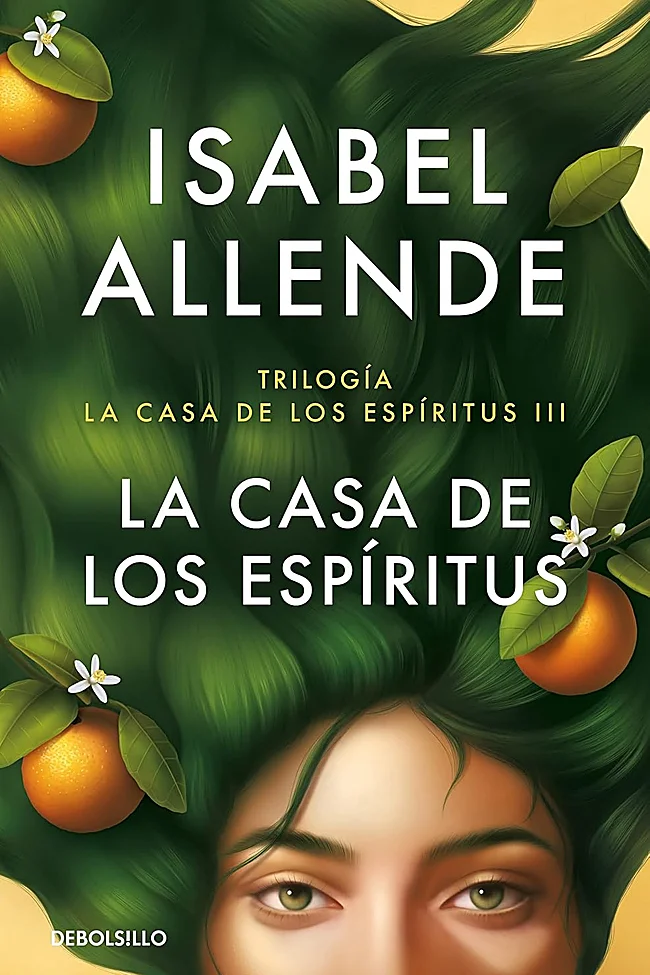
The House of the Spirits (1982)
It was Isabel Allende’s literary debut and is regarded as a masterpiece. The New York Times described it as “a strong and absorbing chronicle of a Chilean family, with opulent details and with a mystical backdrop and a refined blend of settings.” The novel chronicles the saga of the Trueba family, a powerful landowning clan, across several generations, weaving passions, hatreds, political transformations in the South American country, and the magical presence of the mystical.
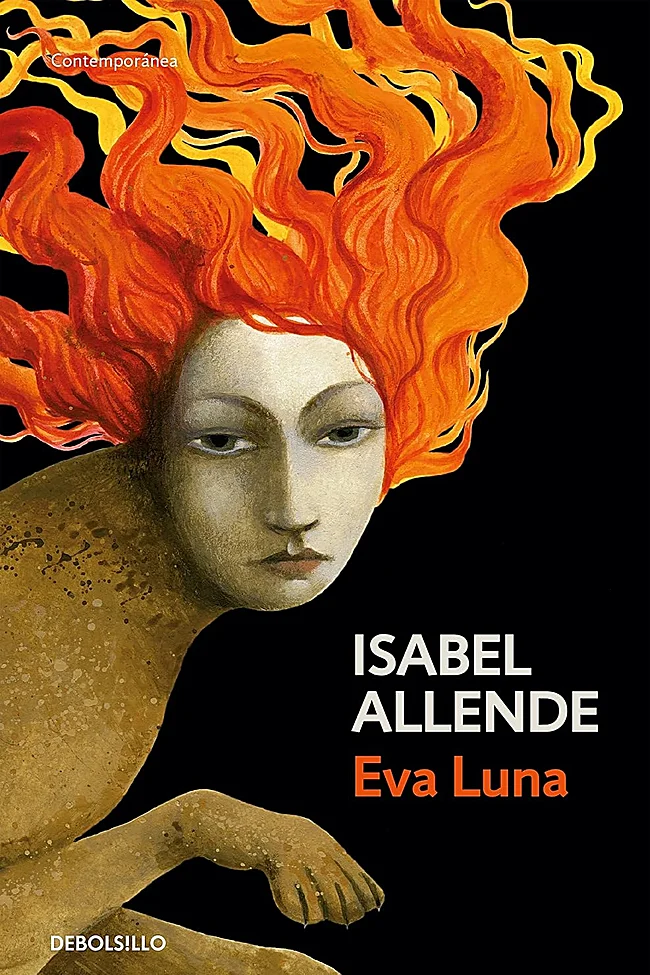
Eva Luna (1987)
The third novel by Isabel Allende is a celebration of the art of storytelling. The protagonist who gives the title to the novel, of humble origin, uses her boundless imagination and narrative talent as a method of survival and catharsis in a complex society. Eva Luna is a nostalgic alter ego of the author as she evokes an entire complex South American nation in a novel full of characters and events, drama, comedy and history, battles and passions, rebellions and reunions.
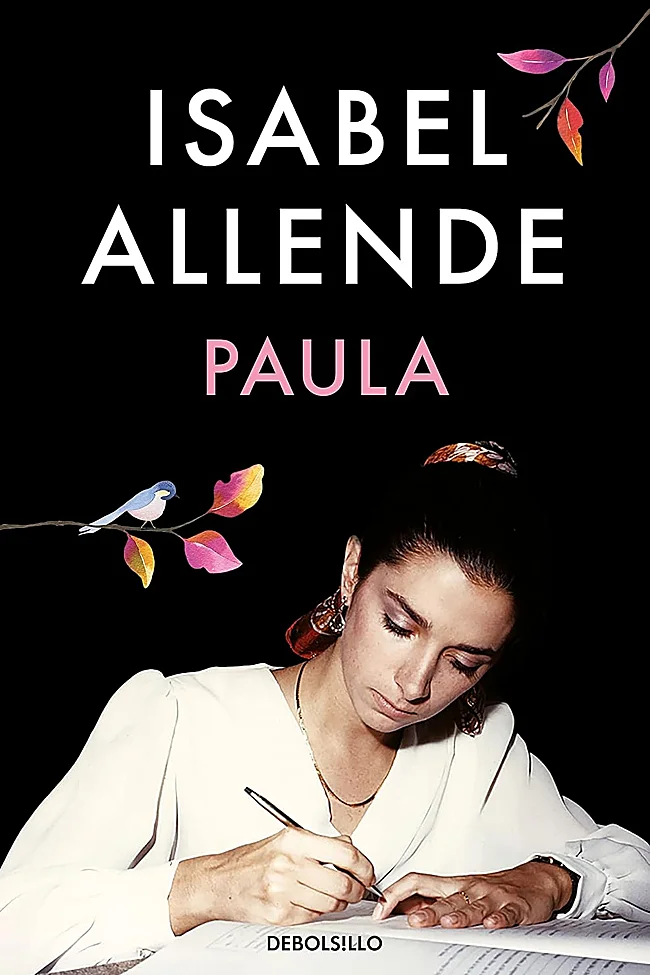
Paula (1994)
Paula is the most moving, most personal, and most intimate book Allende has published to date. While the writer was traveling in Spain, her daughter fell into a coma. Beside Paula’s bedside, as she followed with distress the evolution of her illness, she began to write in a notebook a story of her family and herself with the aim of gifting it to her daughter once she overcame the dramatic ordeal, but she died a year later. The author’s notes ended up becoming this passionate book written as a diary and a letter of love.
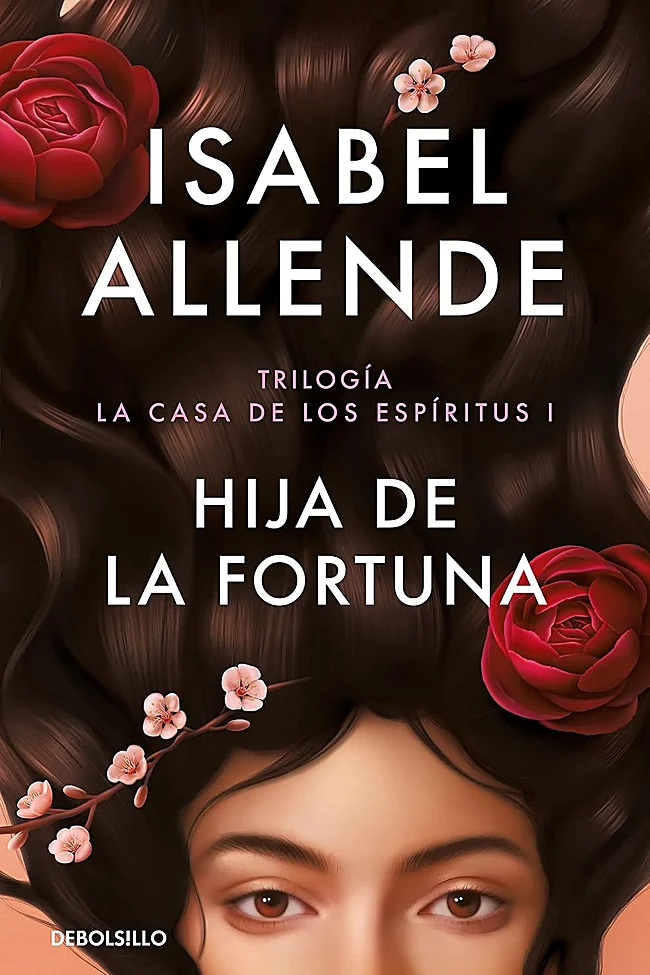
Daughter of Fortune (1998)
Eliza Sommers is a young Chilean woman living in Valparaíso in 1849, the year gold is discovered in California. Her lover, Joaquín Andieta, leaves for the north determined to find fortune, and she decides to follow him. In this ambitious novel, Isabel Allende gives us a vivid portrait of an era marked by violence and greed, in which the protagonists rescue love, friendship, compassion, and courage.
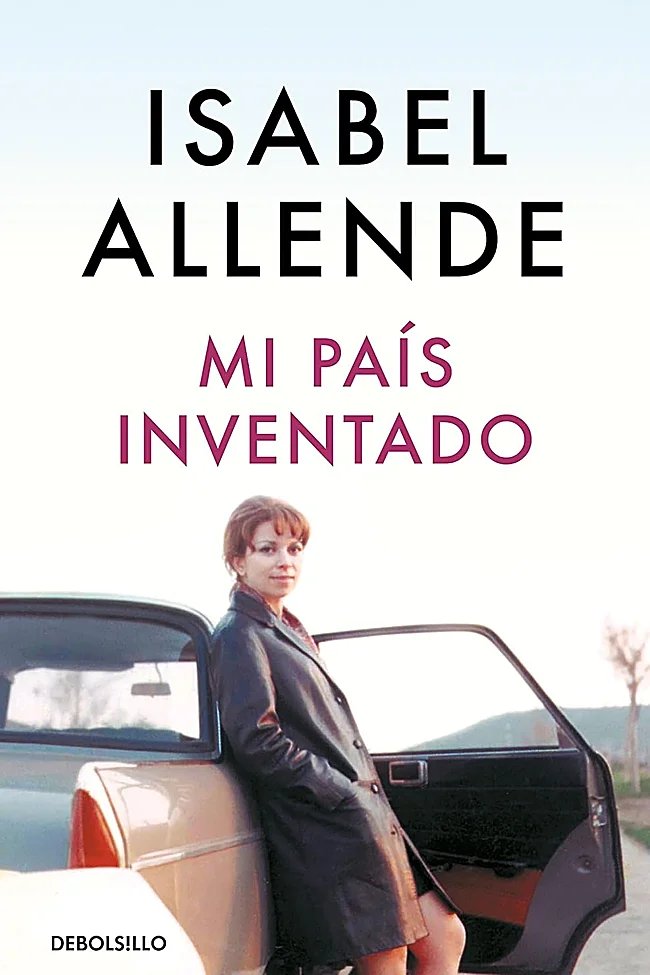
My Invented Country (2003)
This book, filled with love and humor, is a collection of memories where Allende nostalgically recalls her childhood in Chile, the eccentricities of her ancestors, and the feelings that exile awakens in her. Evoked with grace, the memories come alive again through her family, the grandparents’ house, or the stories of infidelities. And, of course, the spirits that have always accompanied her.
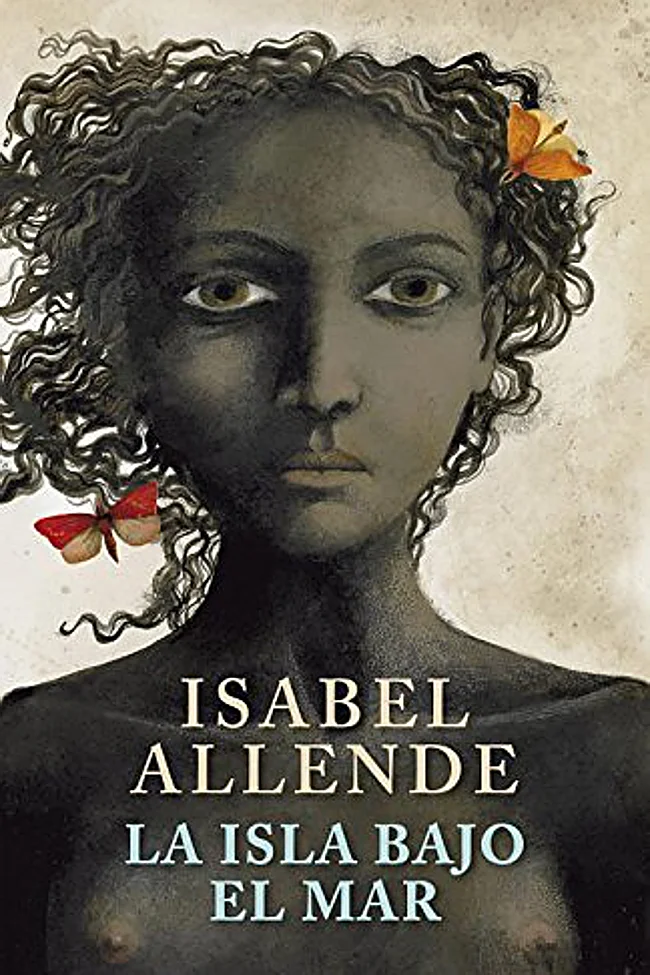
The Island Beneath the Sea (2009)
Set against the colorful historical backdrops of Haiti and New Orleans, and with ingredients such as voodoo, zombies, bloody slave uprisings, forbidden loves, pirates, spies, hurricanes, epidemics, and a pinch of scandal, who wouldn’t enjoy it? Isabel Allende guides us through this novel in the tumultuous history of a slave in eighteenth-century Santo Domingo who manages to shed the stigmas imposed on her by society to achieve freedom.
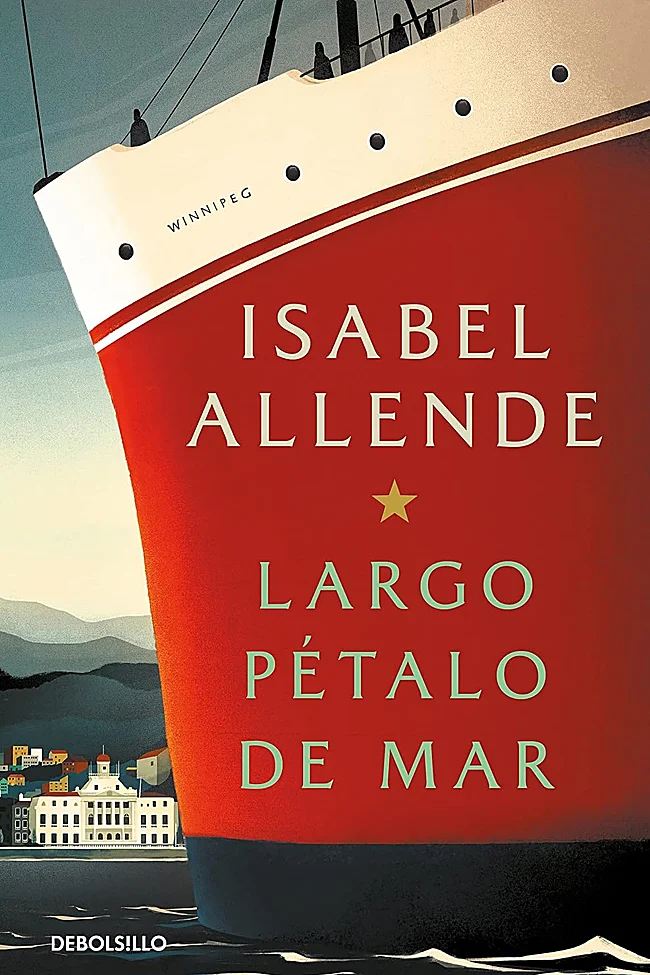
The Long Petal of the Sea (2019)
One of Isabel Allende’s latest works is this masterful novel about exile that tells the epic journey of doctor Víctor Dalmau and pianist Roser Bruguera fleeing the Spanish Civil War aboard the Winnipeg, the ship chartered by Pablo Neruda, bound for Chile, that “the long petal of sea and snow,” in the poet’s words. A truly unforgettable journey through twentieth-century history.