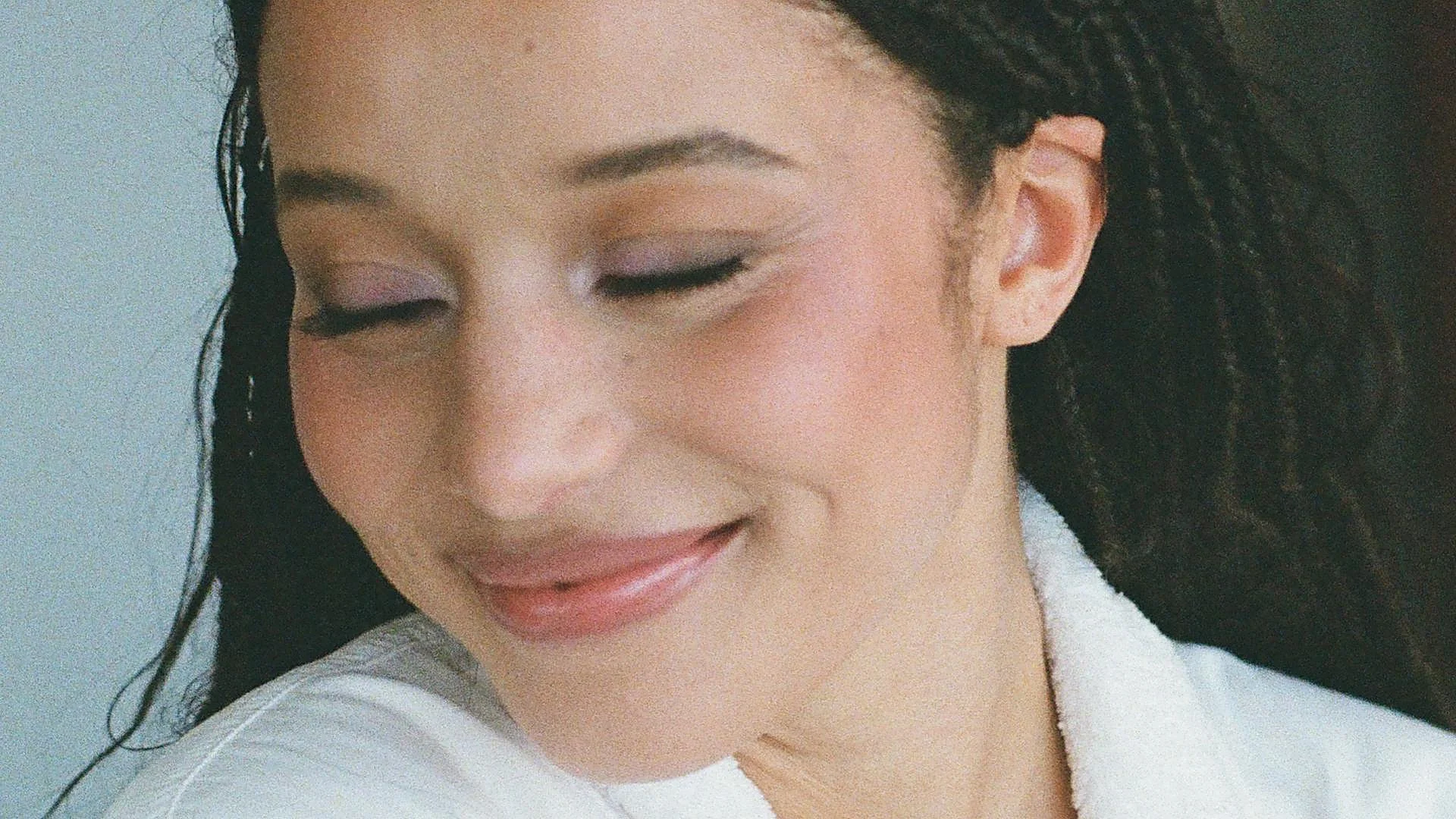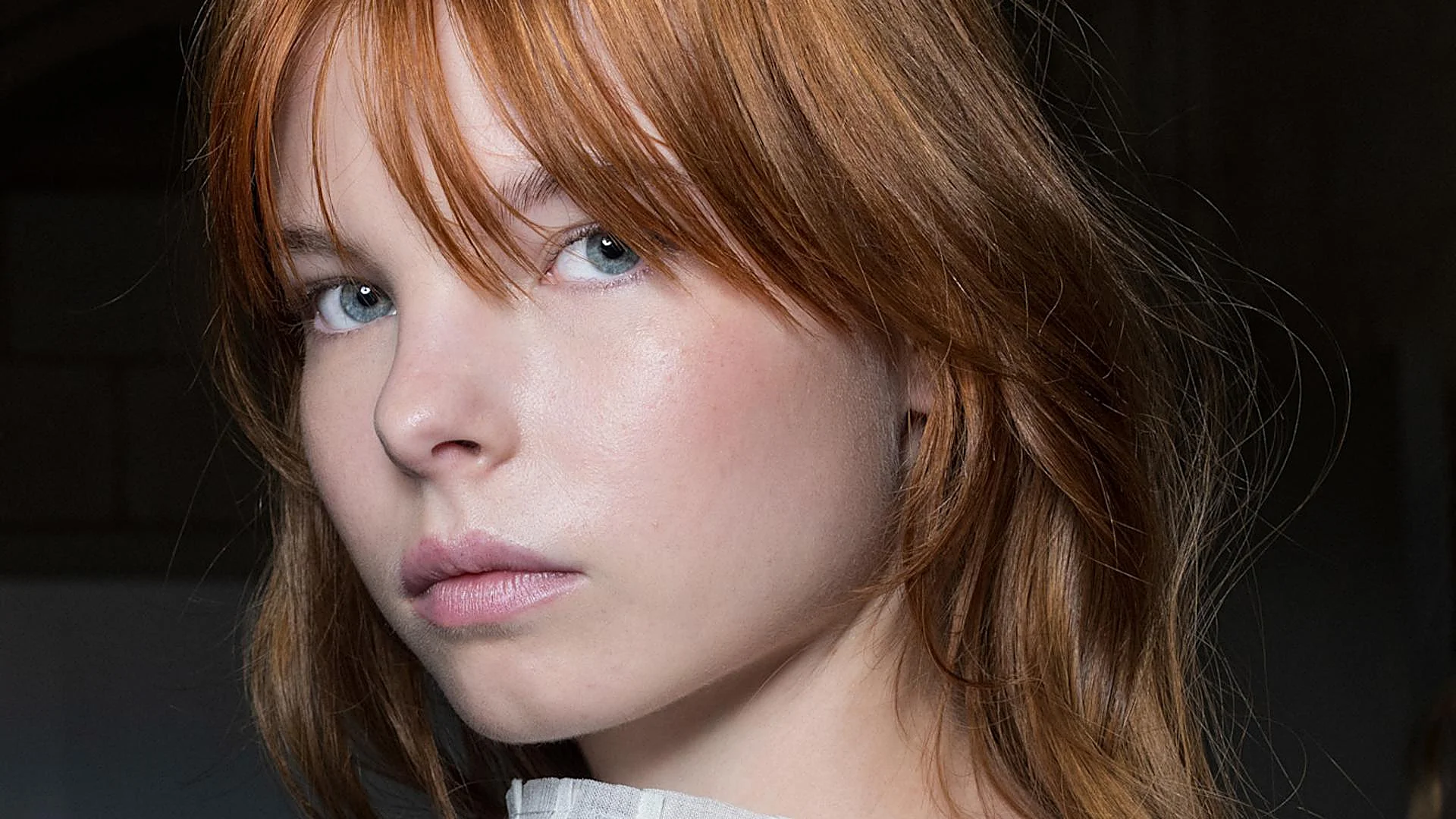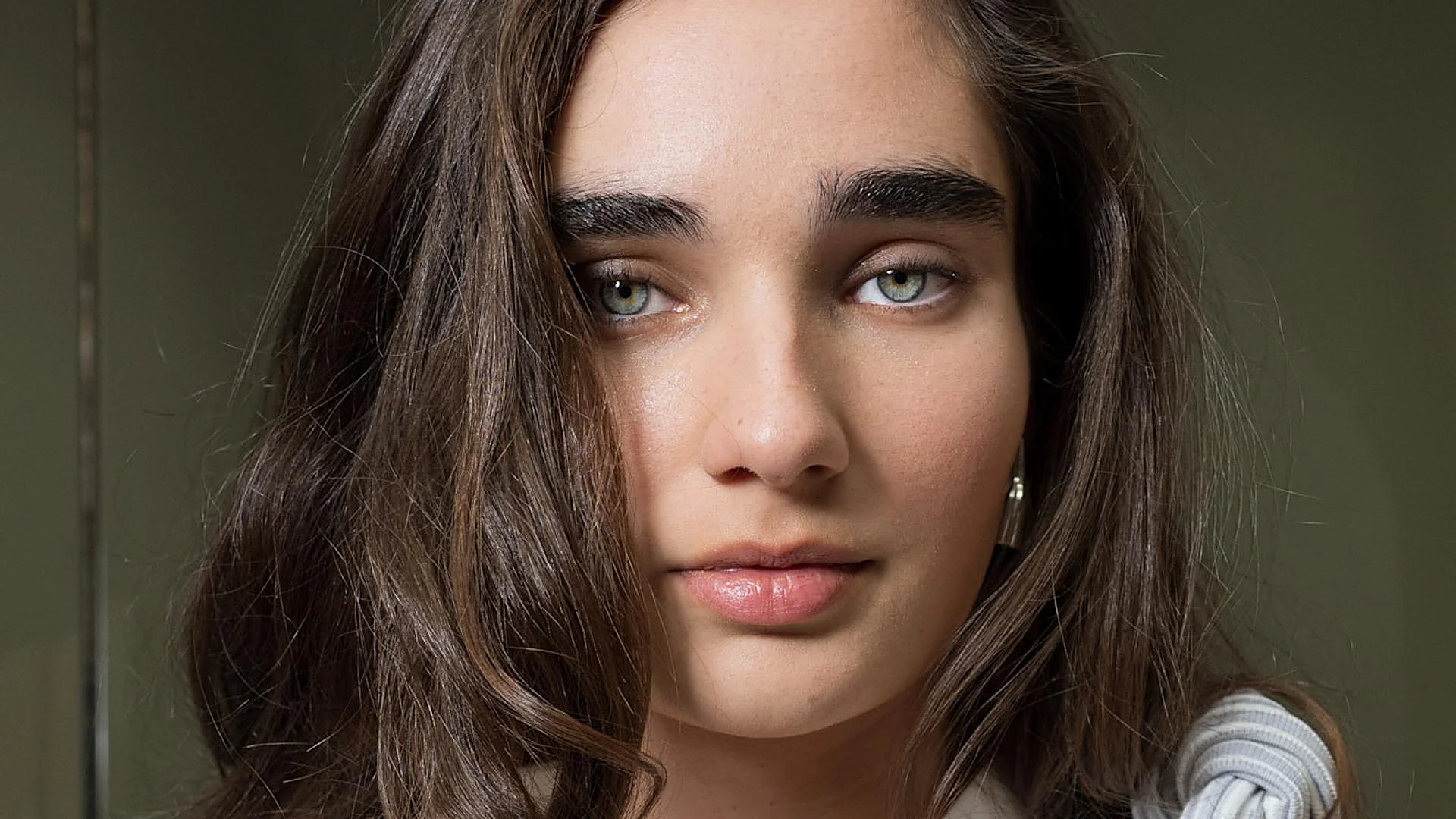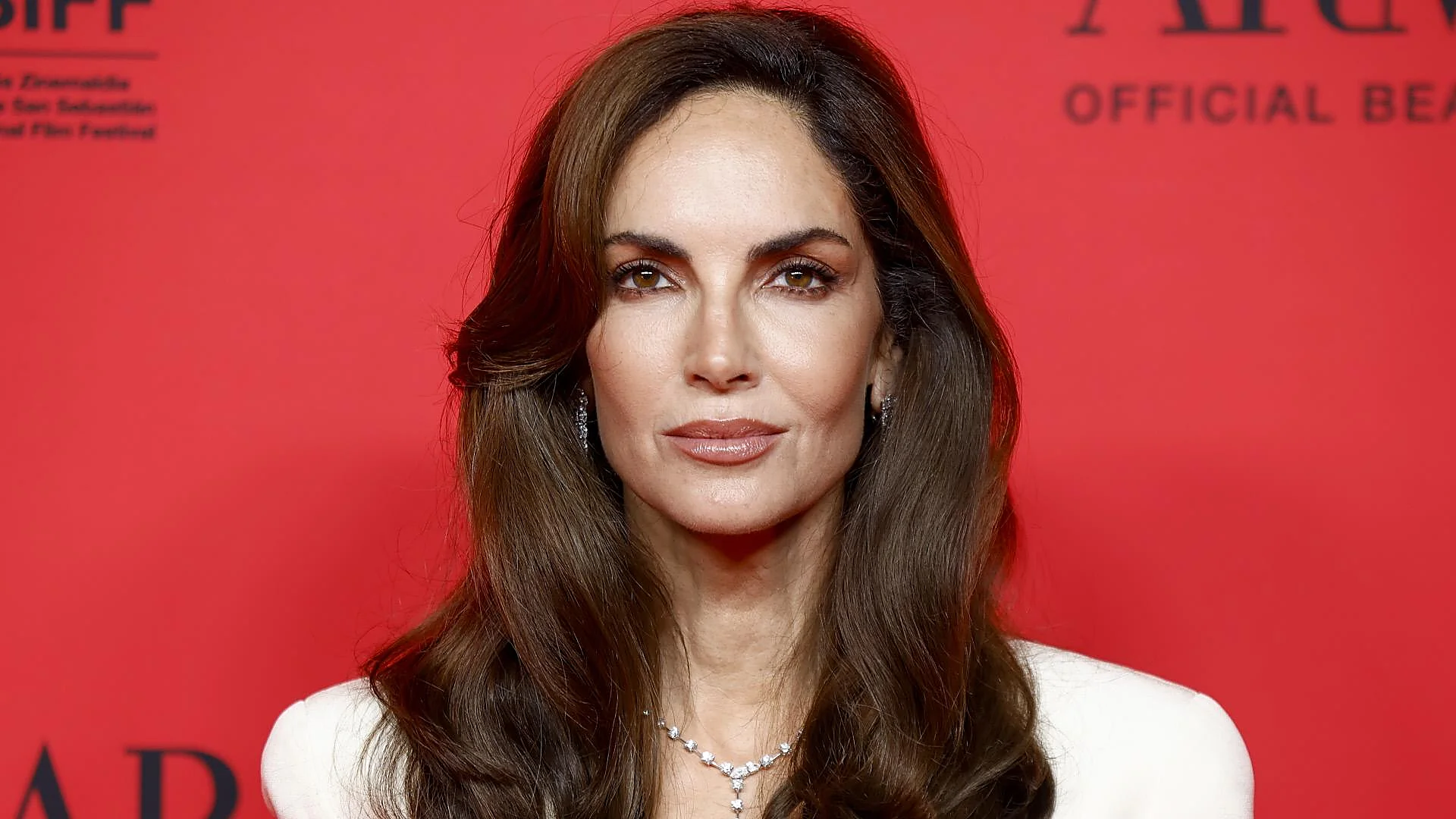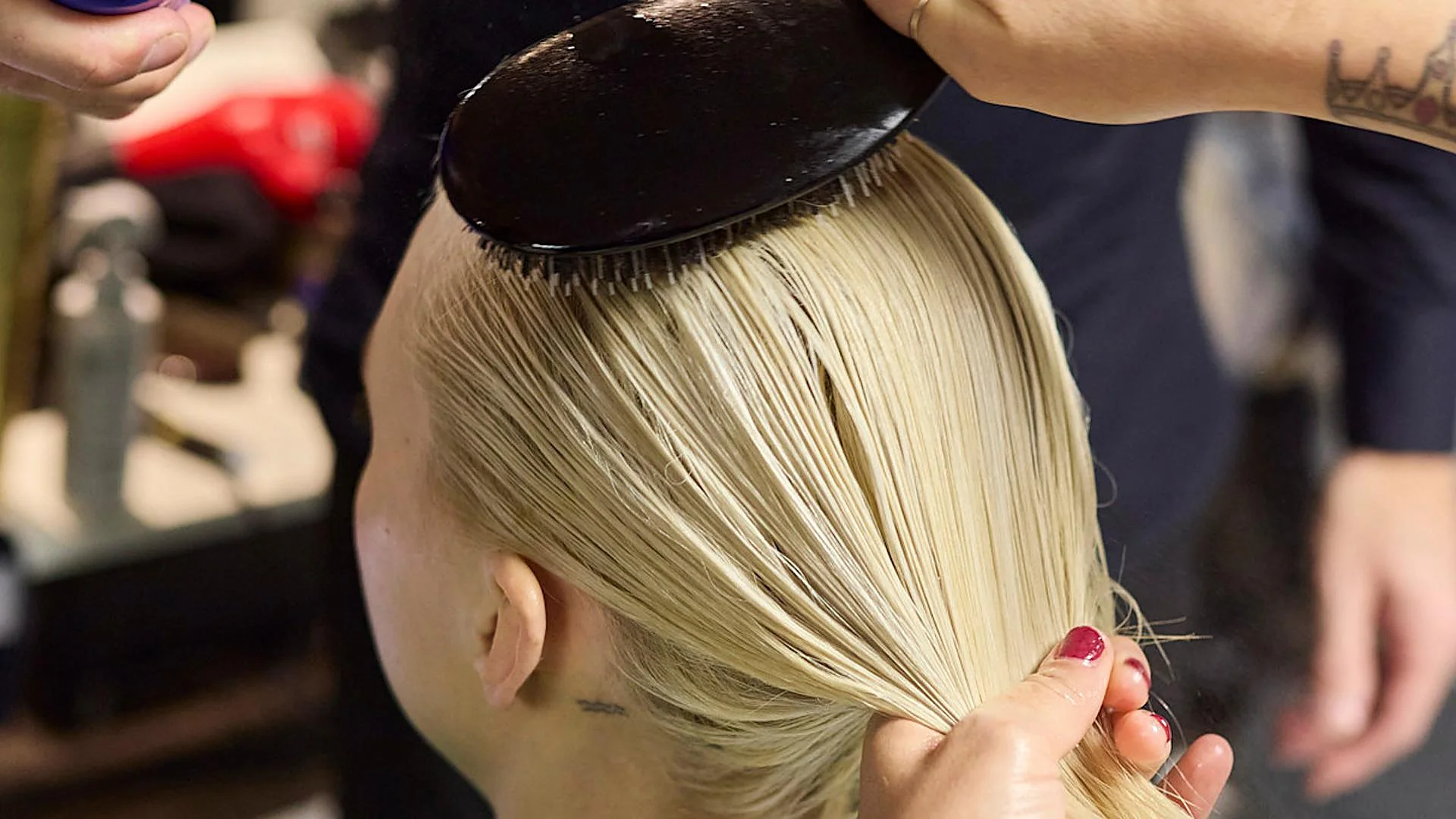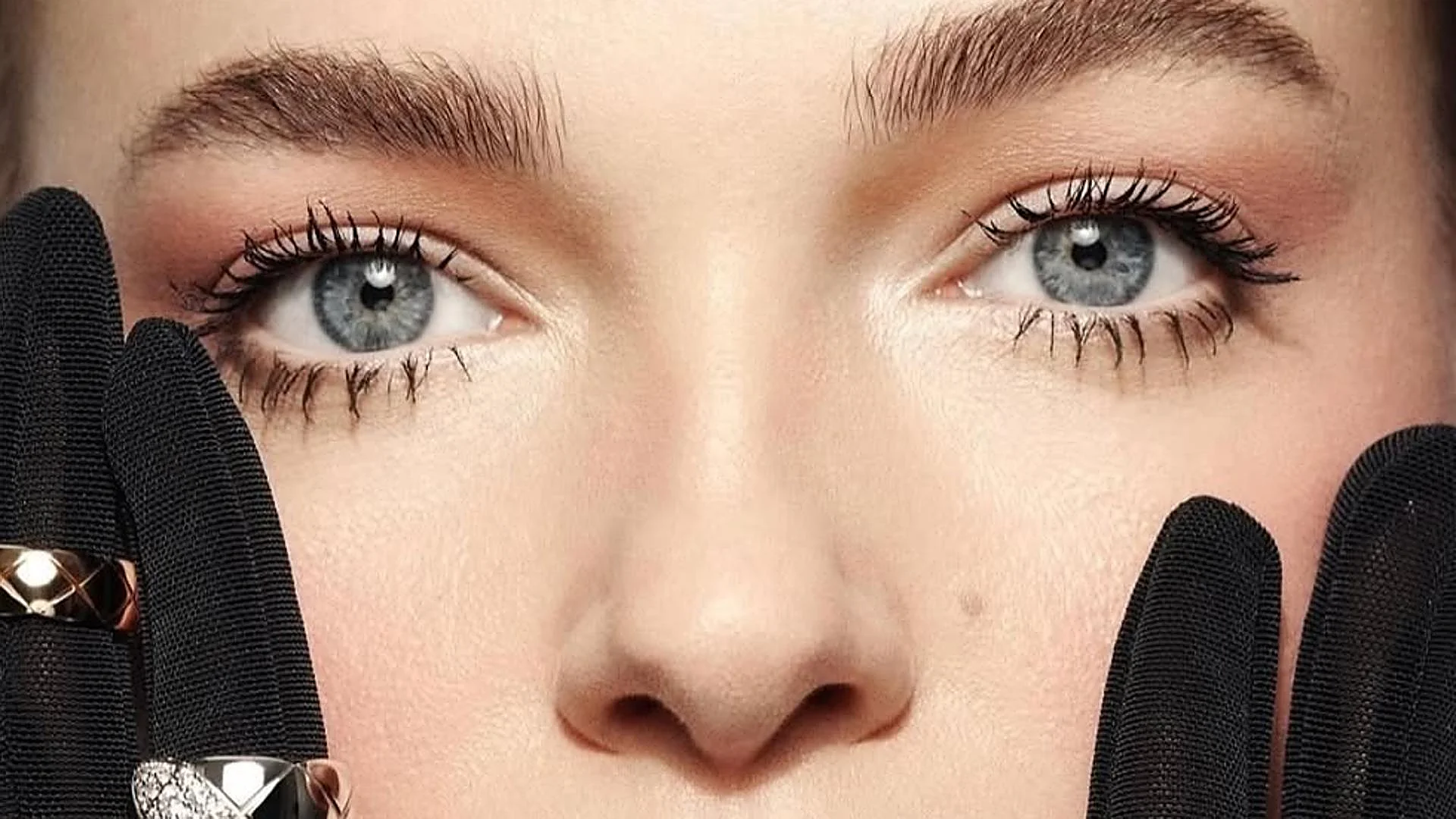
After several seasons in which defined cuts and polished finishes have steered the course of hairdressing, autumn-winter 2026/27 places the focus on the natural texture of the hair, movement, and hairstyles that do not appear overly worked. Layers reclaim prominence, bobs reinvent themselves at different lengths, and bangs become a tool to add personality without needing to completely transform the look. In parallel, coloring seeks subtler results, with luminous nuances and transitions that blend with the natural tone.
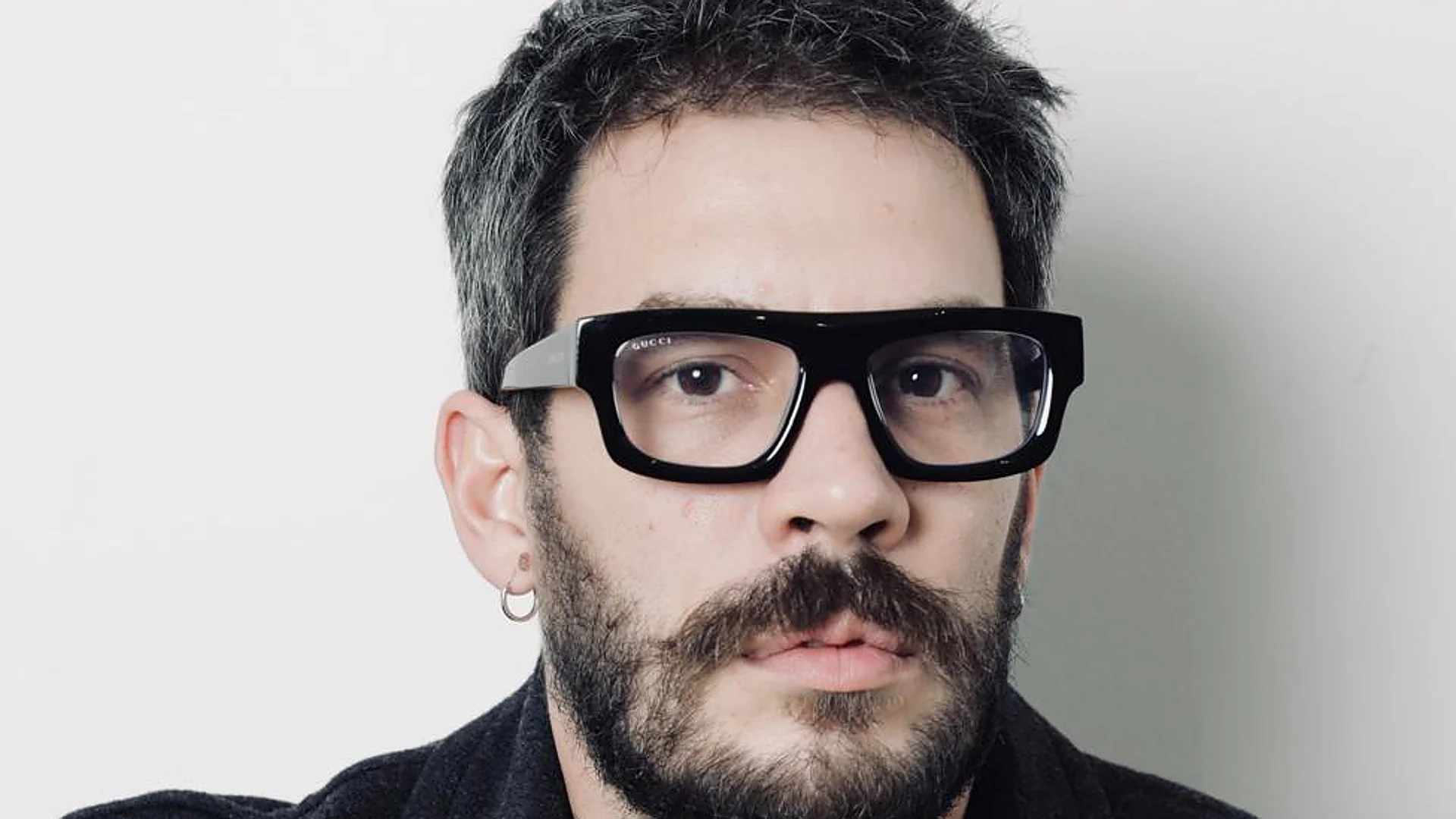
This new way of understanding hair also invites looking beyond trends and paying attention to each individual’s uniqueness. Texture, hair density, face shape, and lifestyle are determinant factors when choosing a cut or deciding how to style it. From his experience in the salon, backstage of fashion, and as head of looks for celebrities such as Carmen Machi, Mina El Hammani or Lorena Durán, Yos Baute presents the cuts, colors and styling techniques that will dominate the season.
Naturalness, the main trend of this season
With his extensive background and as an essential part of one of the fashion world’s main events in Spain, Yos Baute (Cienfuegos, Cuba) stays on top of all the new trends that guide the industry’s direction. For this season, the professional is clear: we will see “natural textures and movement.” A bet that responds to a new way of understanding hair, in which comfort gains ground over overly worked finishes. As he explains, “women are increasingly opting for comfort, leaving behind more rigid finishes.”
After several seasons dominated by very defined cuts, hairdressing now takes the opposite path because “everything is less structured, more relaxed, emphasizing the natural texture of each hair and getting more out of the natural,” Baute notes, who also anticipates the return of the messy and grunge aesthetics. The key is to let the hair keep its movement and adapt to its own characteristics, rather than imposing a predetermined shape. “The current style of wearing hair seeks for the hair to settle on its own, without the need for great effort,” explains the Dyson ambassador.
This trend also reflects an evolution toward more personalized hairdressing. It is no longer about reproducing a fashion cut without considering who wears it, but about adapting it to the texture, density, and structure of each mane, as well as to the features and personality of each client. For Baute, we are facing a more personalized hairdressing, in which hairdressers tailor the cut to each client, taking into account their natural texture and the needs of each hair, as well as the personality of each girl.
The cuts we’ll see: bob, butterfly and bangs
There are classics we find every season, but always with a twist. If there is a cut that will gain special prominence, that is the bob. After the summer months, it becomes one of the options to refresh the mane and trim the ends. “The bob is the cut that follows summer, the result of cutting for health” Baute notes, who explains that it adapts to different lengths “shorter or longer for those less daring.” The reason for this is that “it’s a very practical cut that requires little maintenance, very stylish, very youthful. For the women who wear it, it gives a sense of security and femininity.”
Alongside the bob, the butterfly cut will continue to be one of the main protagonists, especially on long manes. Its main appeal is that it allows you to gain movement and volume without giving up length. “If I had to choose the cuts we will see constantly on social media and in salons over the next few months, I would tell you that, on long manes, the popular butterfly cut. It is very flattering and adapts well to both straighter and wavy hair, with movement, without losing length when cutting,” Baute notes. For medium manes, Baute sticks with clavicut, a cut at shoulder height that stands out for its versatility. “On medium manes, clavicut (it’s my favourite because it suits almost everyone, you can also wear it up, it has a lot of movement, it’s sexy, timeless and has a lot of edge).”
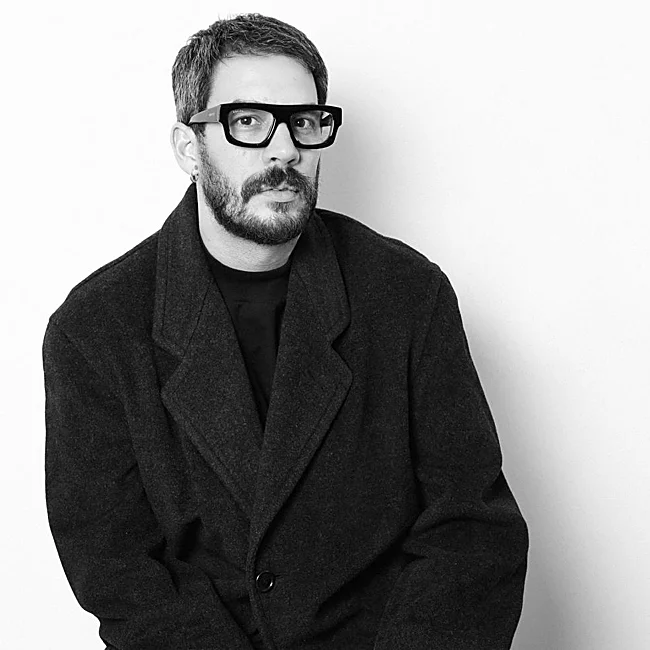
El peluquero y maquillador Yos Baute.
Bang(s) also gain prominence this season, both for their ability to transform a cut and for the way they frame the face. Among her favorites are the curtain or French, “which adapts to all face types and frames softly” or the Birkin “with a soft, slightly open, natural finish.” For those seeking a lighter option, the wispy style features a shorter length in the center that gradually lengthens toward the cheeks and “benefits round faces” because “it slim and adds harmony.” The butterfly fringe, for its part, “is ideal for waves, as it adds movement, lightness and a more fluid motion.” Baute adds the straight fringe for “elongated faces” and, in short, “baby bangs” to give the face a “freshness and a very chic touch.” Finally, she mentions the “curly shag” because “it frames the gaze and softens the face.”
DISCOVER OUR WHATSAPP CHANNEL
From Butter Blonde to Copper
In terms of coloring, the season also looks toward naturalness. In the face of artificial contrasts and extreme bleaching, the trend bets on subtle, personalized tones that blend with the hair’s natural base. Yos Baute summarizes it as: “the color trend is the subtlety and naturalness of color,” as if it were silent luxury. A philosophy in which the aesthetic result goes hand in hand with hair care, with special attention to the health of the fiber. “We embrace flawless finishes and a deep obsession with the health of the hair fiber and colors as personalized as possible, as natural and real as possible.”
The season’s palette moves between luminous browns and the most natural blondes. “All trends revolve around dark blondes and luminous browns, espresso and mocha mousse tones, brunettes or brown sugar, butter blonde or mushroom blonde, which are hybrid tones between light browns and very muted blondes, and some pearly shade for those who still prefer to wear a blonde shade,” summarizes Yos Baute. He also mentions copper tones in different interpretations such as “the chocolate or cinnamon tones, or a bit more reddish, leaning toward cherry or wine.” To achieve these results, lighting techniques are becoming increasingly discreet. “We will also see invisible lighting techniques.” This means subtle reflections or flashes of light, recreating the natural light points themselves, nothing too contrasted, goodbye to obvious highlights, confirms the professional.
Finally, root diffusion allows spacing out touch-ups and achieving a more natural transition as the hair grows. “Airtouch and shadow roots are techniques based on diffusing the root, allowing the hair to grow in harmony without the classic monthly retouch slavery.” To this, “bronzed manes and ultrafine babylights” are added, providing imperceptible threads of light and shades that enhance the base color, bringing more shine and naturalness.