After seeing the homage that the nostalgic and empowered Shakira paid to her fellow countryman Gabriel García Márquez in Madrid, evoking his One Hundred Years of Solitude, we have discovered that Alejandro Sanz also has his Macondo. Nothing to do with the Colombian’s, but a nod, after all, to the town founded by the dreamer José Arcadio Buendía. In parallel, what the Madrid-born artist—more gaditano than ever—can already boast is a musical, freshly premiered at the Coliseum theatre, on Gran Vía, our Broadway.
This musical, with the title of The Soul in the Air, which is almost like saying The Split Heart or My Friend, is set in a fishing village on the Cádiz coast, marked by the Levante wind, where characters from different generations face decisions that will shape their destiny. This fictional village is named Gazulea and alludes to “the magical realism that is so present in Alejandro’s songs,” in the words of poet and playwright Álvaro Tato, author of the libretto. And it references, geographically-sentimentally, Alcalá de los Gazules, the singer’s mother’s town, where he spent much of his childhood and adolescence. It will be revealed in full detail when its museum opens—initially in February 2027—its Alejandro Sanz Experience.
Sanz does not tread the stage, but he is the protagonist. He did not want a biopic. “I didn’t want it to be about him, but yes to have the south, his culture and his roots,” explains Tato, who followed his intuition and hopped on a train toward the south with his entire repertoire in his headphones. From there, and from the classic repertoire he handles as a co-founder of the theatre company Ron Lalá, arose this labyrinth of loves, heartbreaks, and identities, with a young musician named Ale as the protagonist—played by Pepe Nufrio—who leads us from fiction to reality. From Gazulea to Alcalá de los Gazules, a blanched white town among the many in Cádiz, with steep streets and whitewashed houses.
What to See in Alcalá de los Gazules
Alcalá de los Gazules is in the Janda region, within the Los Alcornocales Natural Park and, as a curiosity, forms part of the Toro Route. A tourist itinerary that traverses grazing areas where wild bulls are bred and the native retinta breed, between Jerez de la Frontera and Tarifa. It once crowned a hill with a Muslim castle, built between the 12th and 13th centuries, in use until 1811, the year it was destroyed by the French during the War of Independence.
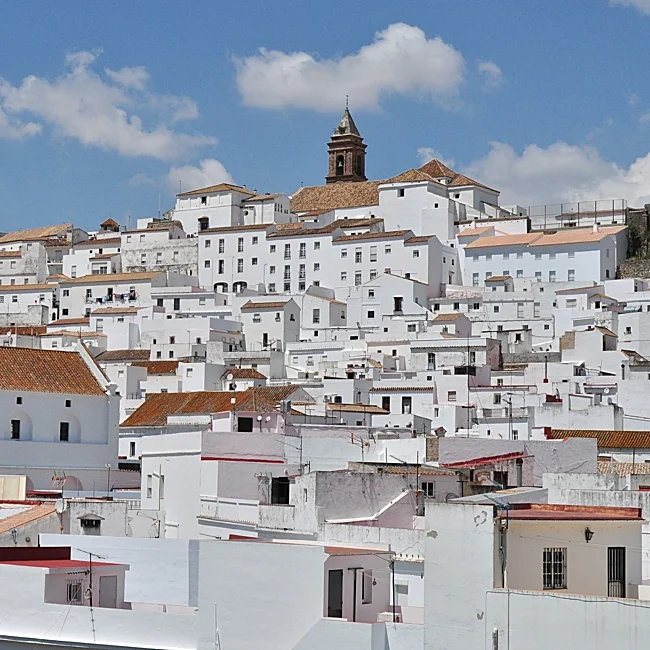
Alcalá de los Gazules is a white town in Cádiz in the Janda comarca.
This fortress gives the municipality its name, having been handed over by the King of Granada to the Gazula line, of Berber origin (Qalat at Yazula, in Arabic). Ferdinand III the Saint conquered it, shortly before or after the surrender of Seville in 1248. But it fell again into Muslim hands, and it was his son, Alfonso X the Wise, who reconquered it in 1264 and first called it Alcalá de los Gazules. From those times, only the castle’s tower, some wall sections, and the Villa gate remain. A journey to the Middle Ages.
The Alejandro Sanz Experience
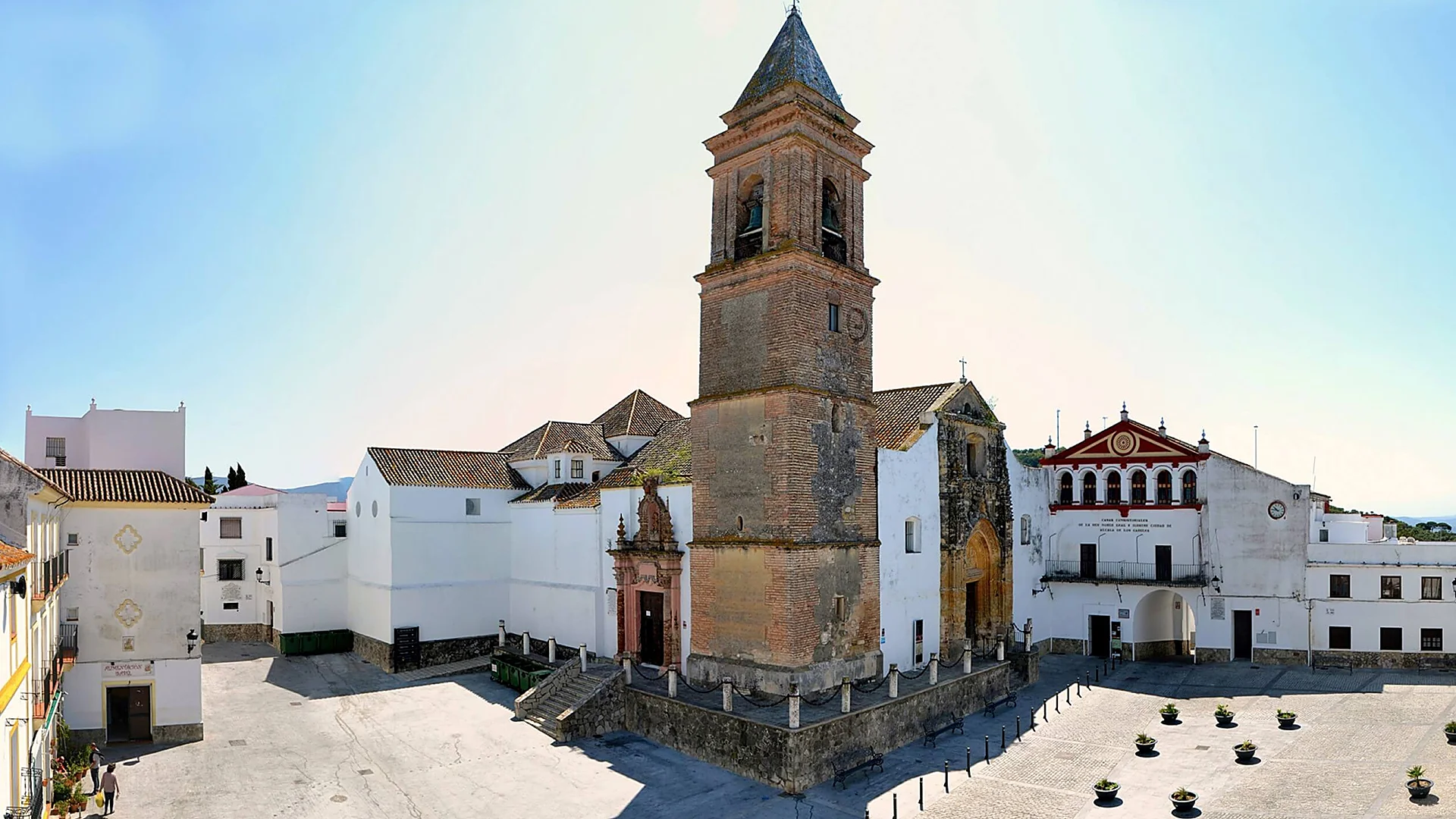
Also high up, in the Plaza de San Jorge (or Alta), rises the church of the same name (16th century), which performs the function of a castle due to the verticality of its bell tower, visible from everywhere. Where it stands there was a mosque. Its two portals are splendid. Next to it remains the picturesque Town Hall, a Renaissance jewel. They are not its only monuments. Notable: the fountains of Arab origin, the Santa Clara convent, the old Santo Domingo convent, and the santuary of Our Lady of the Saints, a pilgrimage site known for its collection of painted votive offerings. The town is a historic-artistic ensemble.
Here, at the upper part, the Alejandro Sanz Experience will open. Exactly, in the Casa Diañez, a 17th-century noble house, where photographs, personal objects, musical instruments, fan letters, testimonies of his charitable work, and more will come together to trace a journey through his life and work. The idea is to create a network of museums in the province of Cádiz related to great figures in music. It will join with the Camarón Museum on the Island of San Fernando, Paco de Lucía’s in Algeciras, Lola Flores’ in Jerez de la Frontera, or Rocío Jurado’s in Chipiona.
A Treasure in the Louvre
Besides fully experiencing a white town of these characteristics, with Alejandro Sanz’s songs in the air, and the soul in the air, it is also highly recommended to answer the call of nature. First, to seek out the Roman site of Mesa del Esparragal. A settlement of Phoenician and Roman origin where the Lascuta Bronze was found, dated to 189 BC, considered the oldest Latin document in Spain and exhibited in the Louvre, and where the Lascuta tower stands, built with remains of Roman buildings.
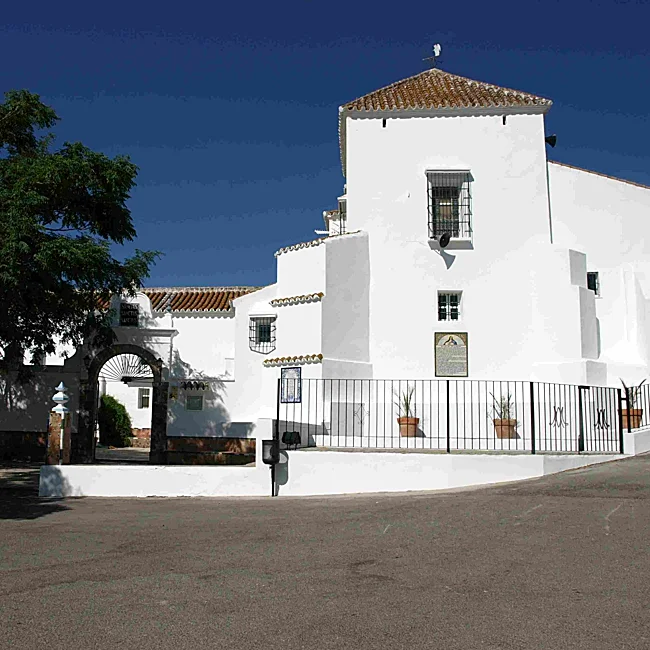
The Sanctuary of Our Lady of the Saints in Alcalá de los Gazules.
Second, heading to the El Picacho recreation area, from where four itineraries depart that are classics of hiking (with authorization): the climb to Picacho itself, the ascent to the Aljibe, the Gorge of the Dark Port, and the crossing of the Aljibe. From Picacho you can see Alcalá de los Gazules, but also Barbate, Vejer de la Frontera, and the neighboring Grazalema mountain range.
Hiking Routes
The route to the Aljibe runs among ancient cork oaks. The gorge reaches the birth of the Barbate River. And the aforementioned crossing raises the stakes and links three park trails: Picacho, Aljibe, and La Sauceda, a village that was a shelter for bandits, bombed during the Spanish Civil War as a refuge for Republicans. Forests and waterfalls are traversed, and you can glimpse beyond, to the Sierra de las Nieves Natural Park.
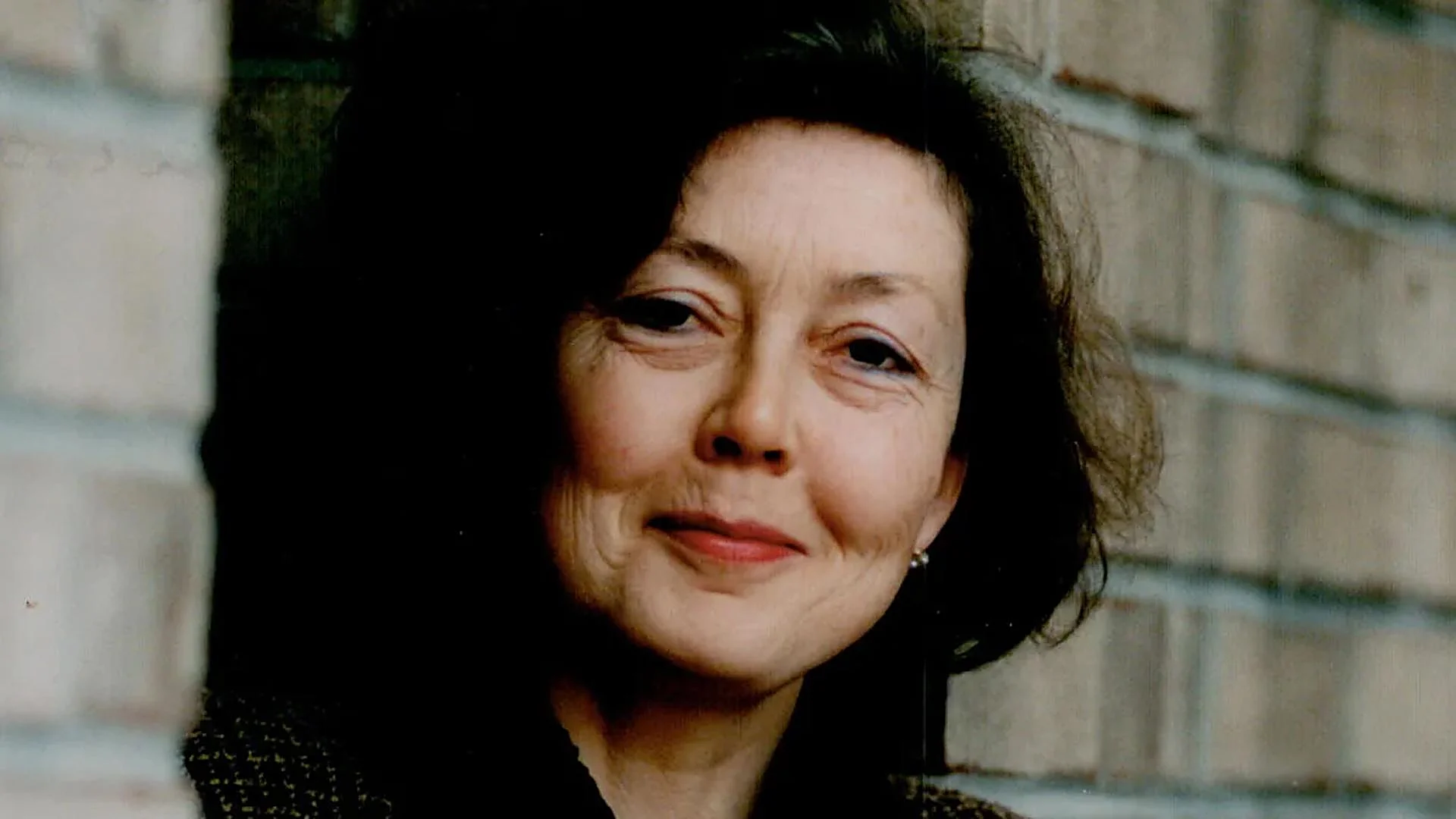
Alejandro Sanz during the presentation of the musical The Soul in the Air.
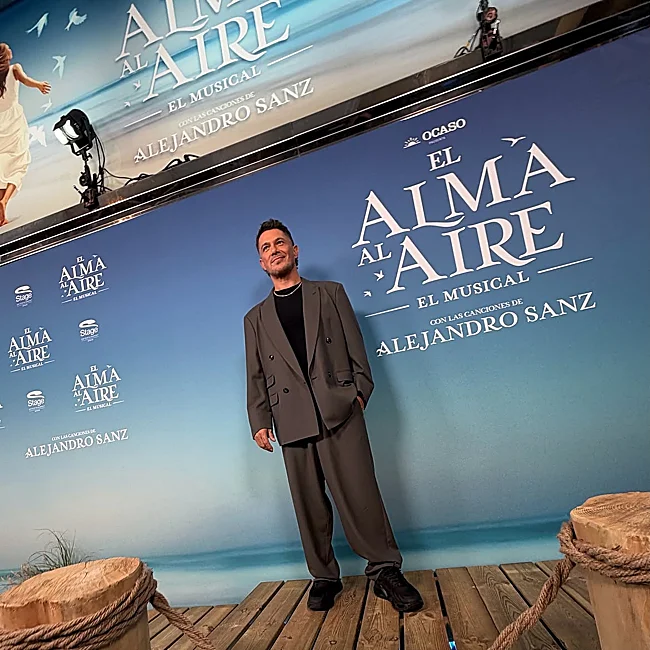
The same Alcalá de los Gazules presents itself as a magic town, Gazulea of the musical. The artist himself, the town’s adopted son, already said it in verse: “Poor is that little fellow who does not know Alcalá. White houses, people of gold, tin sun, the salting. My treasure is small… Plaza Alta and at dawn. A mirror and the stars, the mountain range that the sea goes through. Poor is the little fellow who does not know Alcalá, who will not learn in life why in this town we all know how to fly.” And on top of that, you eat well: grilled meat, Payoyo cheeses, tagarnina stew, or hot gazpacho.