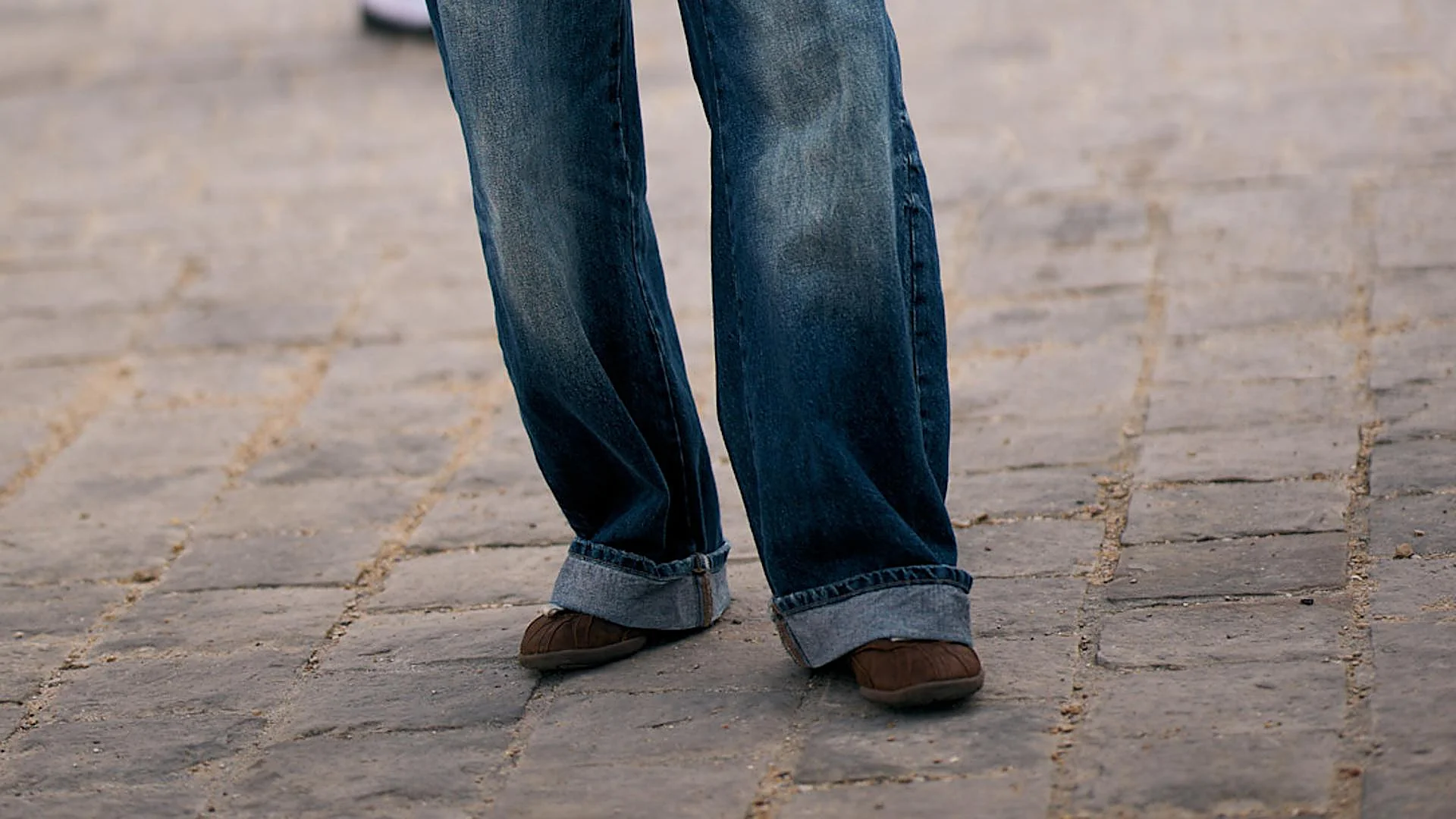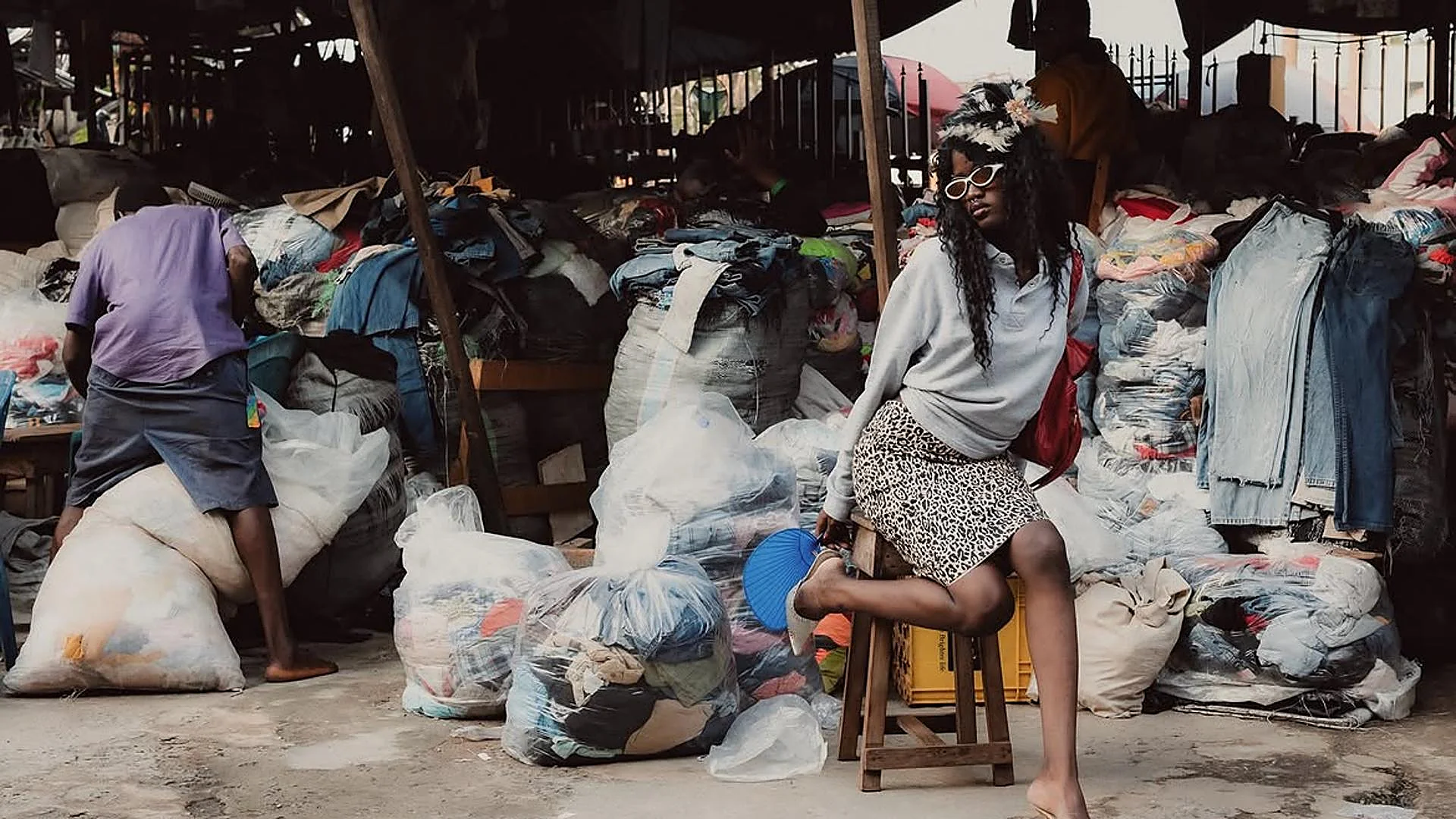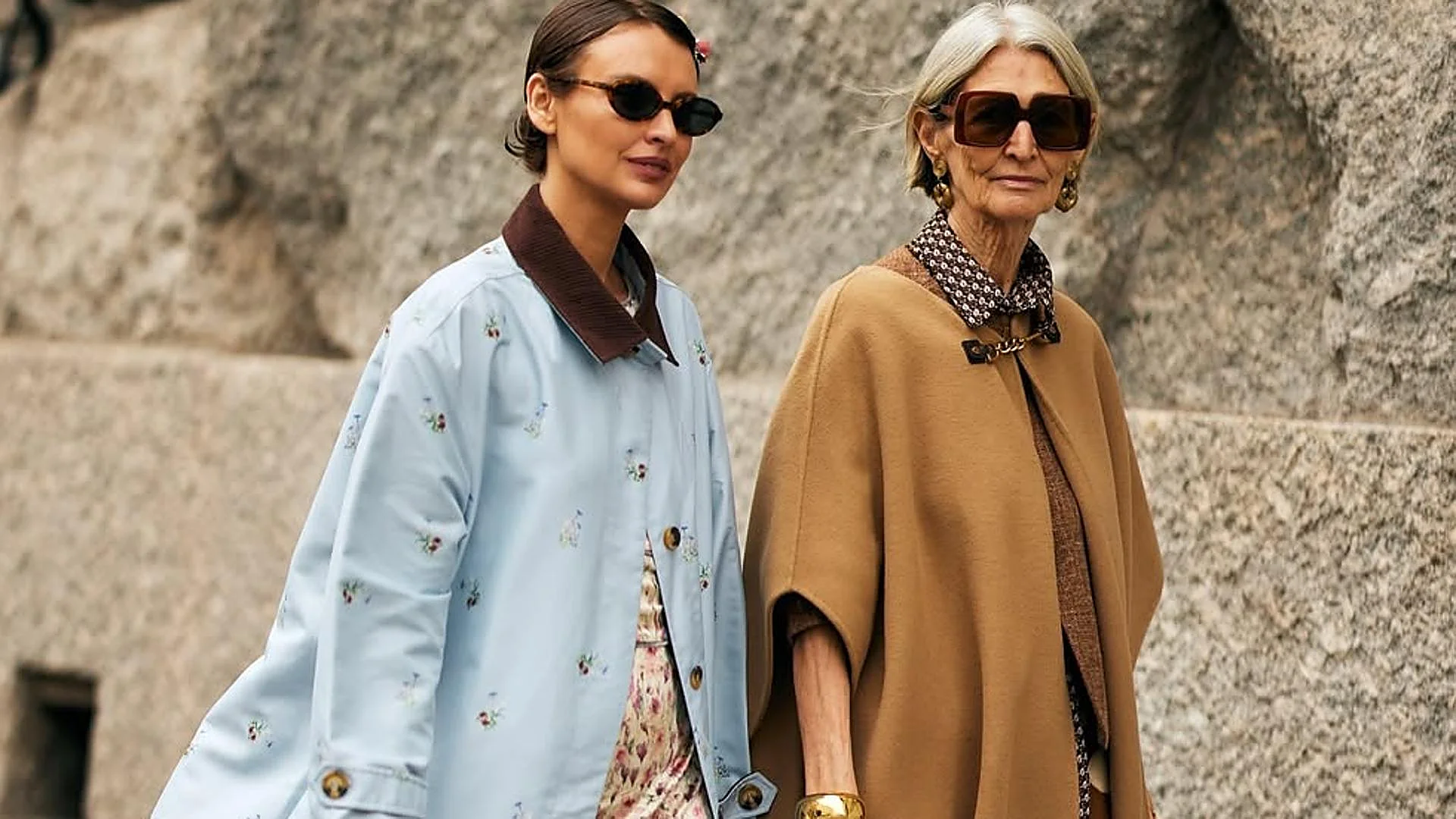
Fashion lovers know there are four major weeks of the year when it’s impossible to look away. New York, London, Milan, and Paris become the center of attention, and this week it’s Italy’s turn, with its Milan Fashion Week. Each season brings together some of the industry’s most important names and previews much of what we will end up wearing months later.
However, what many do not know is that the history of Italian fashion did not begin there. Its first international showcases were in Florence, and it was not until 1951 that Giovanni Battista Giorgini brought together buyers and foreign journalists to present the creations of several Italian houses (including Emilio Pucci or the Fontana sisters).
Those early meetings moved to the spectacular Sala Bianca del Palazzo Pitti and helped place the Made in Italy on the international map, which until then had been largely dominated by Paris. Nevertheless, during the 60s (and especially in the 70s) a change began to occur. The reason? Haute couture was losing strength to prêt-à-porter, and a new generation of designers needed a place that connected editorials, showrooms, buyers, and textile companies. That’s where Milan found its niche.
This story reaches September 2026, with an edition that will include a small novelty on its first day. Milan Fashion Week (held from September 22 to 28) kicks off today at 2:00 PM with Prada, who abandons its usual Thursday slot to star the start of a week during which we will again look to the city to discover the trends of the Spring-Summer 2027 collections.
The early designers: Walter Albini, Armani, and Versace
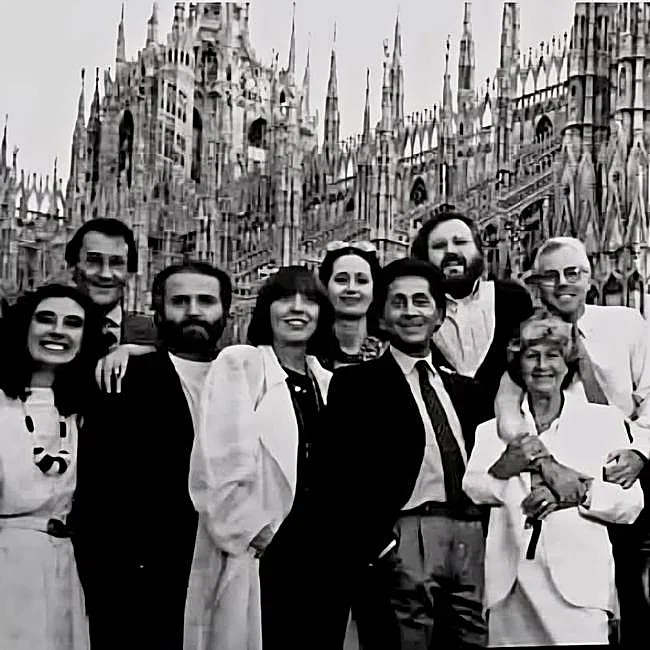
If we talk about an indispensable designer to understand fashion’s shift toward Milan, that is Walter Albini. In the early 1970s he decided to present together the collections he designed for manufacturers, giving them aesthetic coherence and placing the creator at the center of the project. In doing so he helped define the figure of the stilisti, as a designer capable of building a recognizable identity in addition to garments. His commitment to presenting in Milan was fundamental, because, although Florence was losing its focus, Italians had already staged presentations in other cities, such as Venice or Rome.
However, it wasn’t until the second half of the 70s that several houses appeared that permanently changed the perception of Italian fashion. Giorgio Armani revolutionized tailoring with lighter, deconstructed jackets in 1975. And Gianni Versace did the opposite when he founded his house in 1978, presenting to the world sensuality, colors, prints, and an exuberant aesthetic. We could also mention Gianfranco Ferré, known for his architectural approach to fashion; or Etro and Missoni for inventive fabric production.
In the 80s and 90s those designers consolidated themselves as international figures. They were joined by Dolce & Gabbana, who presented their first women’s collection in 1985, Moschino, and Prada, whose transformation under Miuccia Prada turned the family firm into one of the most important houses of the following decades. What I find striking is that there was never a single Italian aesthetic: Armani defended the more sober elegance, Versace the excess, Prada made the strange desirable, and Dolce & Gabbana looked at Mediterranean sensuality like no one had managed before. This diversity was one of the strengths of this fashion week.
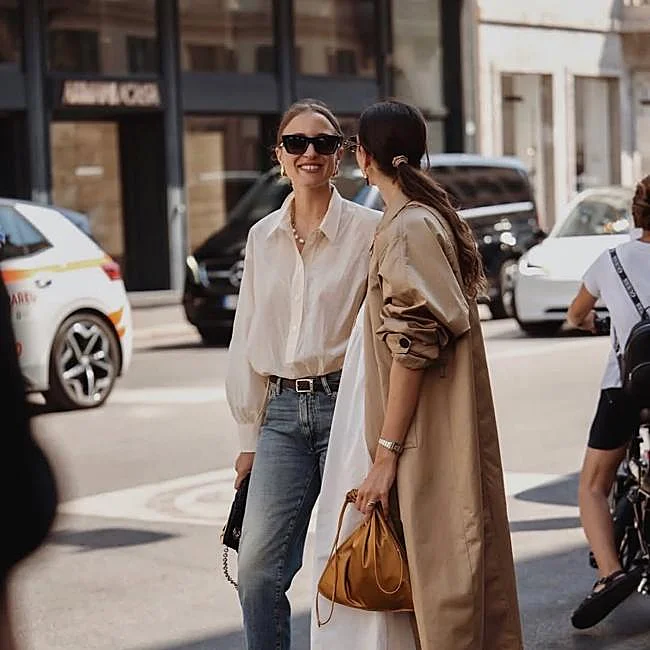
From secret shows to calendar changes: curiosities of Milan Fashion Week
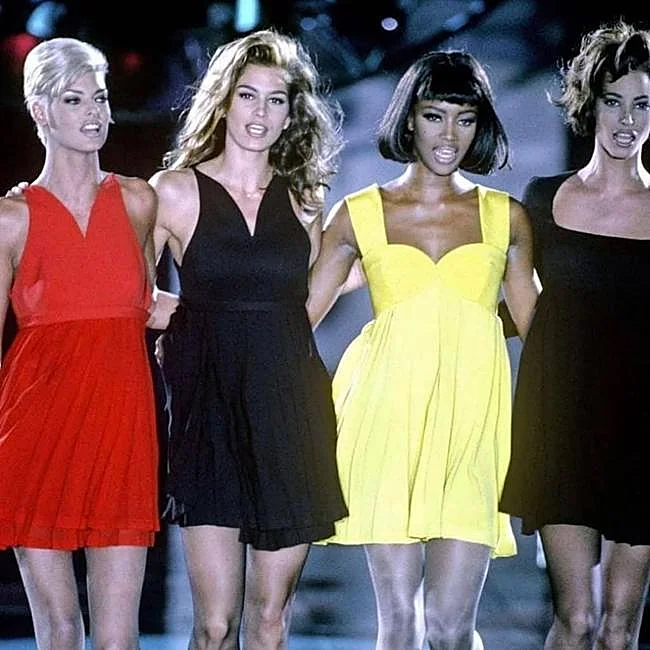
The organization behind much of this story is the Camera Nazionale della Moda Italiana. Founded in 1958 to represent and promote the country’s fashion, this nonprofit organization grew the calendar in the following decades. Its archives show that in 1978 fourteen houses participated, and just two years later they had become 52. Over time, the presentations ceased to be mere commercial encounters and became productions capable of generating some of the most recognizable images in recent fashion. A good example could be Versace’s 1991 collection with supermodels Cindy Crawford, Naomi Campbell, Christy Turlington, and Linda Evangelista to the rhythm of Freedom! ’90.
On the other hand, I think it’s also important to talk about the difference between a collection and the season in which it is presented. That is, what we will see on September 22, 2026 is not meant for this autumn, but the brands present their proposals for the Spring-Summer 2027, six months before they reach stores. Why does this happen? Because first buyers, press, and professionals observe them, and then many of those ideas are translated into trends that reach the general public.
Moreover, this edition will feature several details worth following. The first will be Prada’s change, opening the calendar today at 2:00 PM, and at the Galleria Vittorio Emanuele II there will also be an event dedicated to Made in Italy and the meeting between craftsmanship and technology, increasingly present in fashion.