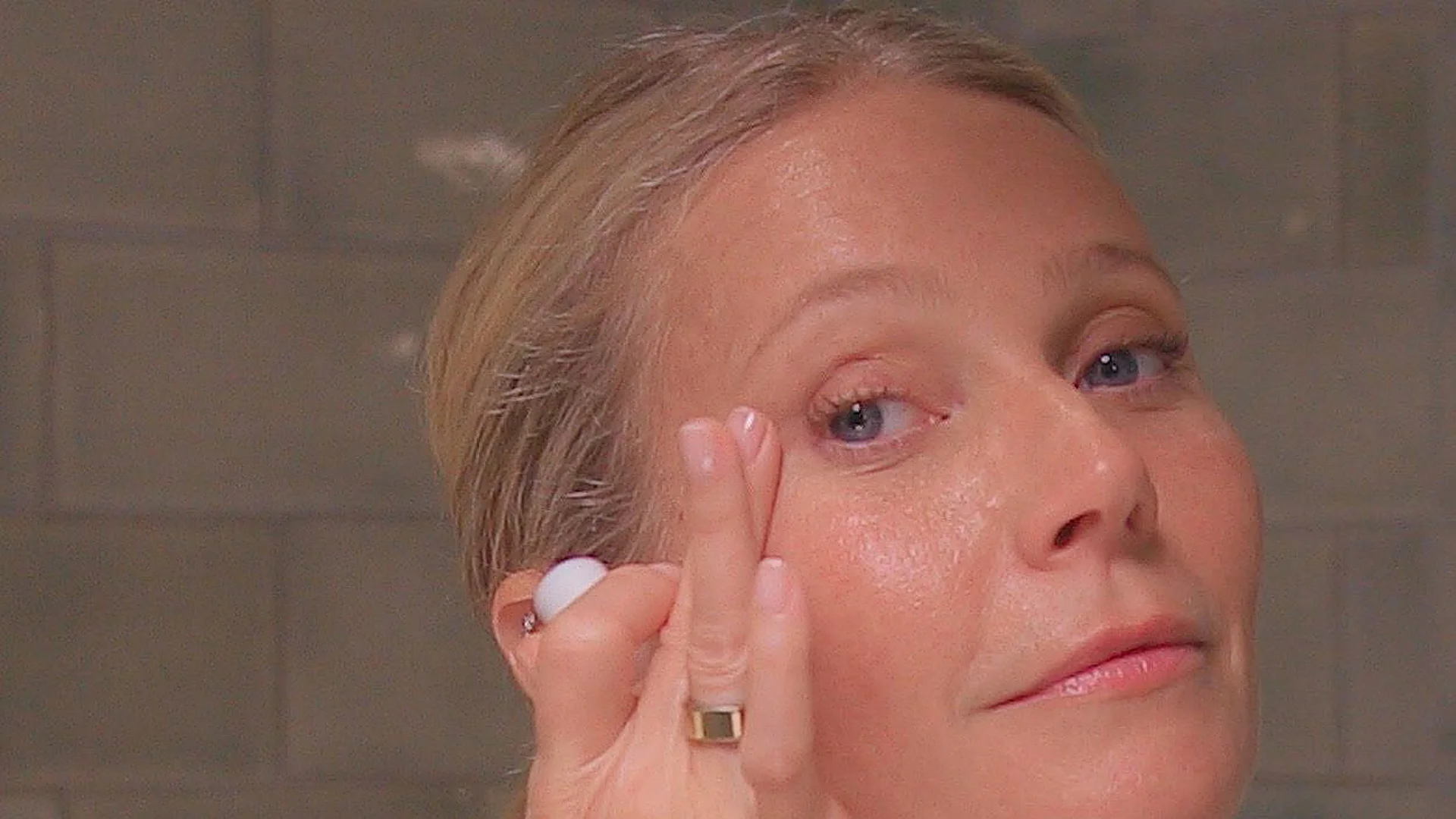
For a long time, skincare has focused on correcting what we perceive as a problem: dryness, excess oil, spots, blemishes or signs of aging. However, prevention that focuses on maintaining the conditions that allow the skin to function properly is increasingly important. In this context, the skin microbiome has become one of the major concepts in contemporary cosmetics.
Made up of a community of bacteria, fungi, viruses and other microorganisms that naturally coexist on our skin, this ecosystem participates in functions related to the skin barrier and the immune response. Its care and prioritization has given rise to a new generation of products formulated with ingredients such as prebiotics, probiotics and postbiotics, but also to a reflection on something as basic as how we cleanse, hydrate and treat our skin.
An ecosystem present on our skin
“The skin microbiome is the set of microorganisms —bacteria, fungi, viruses and mites— that naturally inhabit the surface of our skin,” explains Dr. Rita Sêco, aesthetic physician and founder of Galerie Clinic. The professional notes that among its functions we find that “it competes with potentially pathogenic microorganisms, contributes to maintaining a slightly acidic pH, participates in lipid production and in the integrity of the skin barrier.” In addition, she points out that “it communicates with the immune system, helping to modulate the inflammatory response.”
Pharmacist Elena Monje, known on social networks as Infarmarte, proposes understanding it as “a small ecosystem” of which one must understand that “having microorganisms on the skin does not mean you have something wrong. In fact, they are part of healthy skin.” The expert also states that “when it is in balance, it helps maintain barrier function, it participates in the defense against potentially harmful microorganisms and it relates to the skin’s immune response.” Finally, she considers that “there is no single microbiome for the entire skin” because “each area has different conditions of moisture, oil, pH and temperature.”
The skin needs calm
There is no single sign that allows us to determine at a glance that the microbiome is altered. “We cannot diagnose dysbiosis simply because our skin is dry or we have developed pimples,” warns the pharmacist Elena Monje. However, she adds that “certain alterations of the microbiome have been related to conditions such as atopic dermatitis, acne, rosacea or psoriasis” and with them “signs such as dryness, irritation, sensitivity, barrier function alteration or greater water loss” may appear. That said, she notes that these symptoms “have other possible causes.” For her part, Dr. Rita Sêco also points to some signs that may indicate the skin needs to review its routine: “skin that has suddenly become more reactive and sensitive, that reacts to products that it tolerated well before; persistent redness with no apparent cause; dryness and a tightness that do not improve with hydration; appearance or worsening of acne, dermatitis or rosacea and itchiness without visible lesion.”
Therefore, when facing sensitized skin, both experts agree on a seemingly simple strategy: pause before adding. “Temporarily suspend aggressive actives, frequent exfoliation and products with alcohol or strong fragrances. Often, simply stopping the aggression on the skin already allows the microbiome to recover,” highlights Dr. Sêco. Elena Monje agrees that many times she would not start by incorporating specific products, but by removing what may be unnecessarily irritating the skin. “A respectful routine usually has three pillars: a cleansing that is not harsh, good hydration that helps to maintain the skin barrier and daytime photoprotection.” Finally, we must be patient because restoring the skin barrier is not something instantaneous. In addition, professional guidance is essential.
DISCOVER OUR WHATSAPP CHANNEL
Prebiotics, Probiotics and Postbiotics
The rise of microbiome care has popularized three terms that are often used interchangeably, though they refer to different concepts. Pharmacist Elena Monje defines them. “Prebiotics are substances that can serve as a substrate for certain microorganisms; probiotics, living microorganisms that can provide a benefit when administered in adequate amounts; and postbiotics, components or products derived from microorganisms that can exert a beneficial activity without those microorganisms needing to remain alive.” The expert notes that “all of them are very interesting research areas” but believes that “clinical research is still maturing,” highlighting its results in “sensitive skin and dermatitis.”
For her part, Rita Sêco explains the technical difficulties posed by using living microorganisms in cosmetics and considers that postbiotics are currently a particularly viable category due to their stability. “Being honest about the evidence: it is a promising and biologically solid area, but clinical research is still maturing.”
Routine with fewer, more respectful products
The care of the microbiome also focuses on certain everyday habits that can alter the skin’s environment. Among them are over-cleansing or too aggressive cleansing, frequent exfoliation, indiscriminate use of antibacterial or antiseptic products, very hot water and the simultaneous overload of potent actives. “One of the main problems is thinking that the cleaner we leave the skin, the better it is,” says Elena Monje. The specialist also notes that environmental factors like ultraviolet radiation or pollution also influence the skin’s ecosystem. In the face of the rise of products specifically aimed at the microbiome, the pharmacist’s recommendation is: “for a person with healthy skin, I do not consider it essential to use a specific line of cosmetics for the microbiome.”
“In the vast majority of cases, a simple, respectful routine is enough,” says Dr. Rita Sêco. Products formulated specifically for the microbiome can make sense in certain situations, but they should be understood as a supplement and not the starting point. “What worries me is what I often observe: people who buy expensive products for the microbiome while maintaining the habits that are destroying it,” the professional emphasizes. Therefore, turning to professionals and seeking guidance from a dermatologist is important to avoid harming our skin.
Products specifically for the microbiome
The Serum de Barriers.
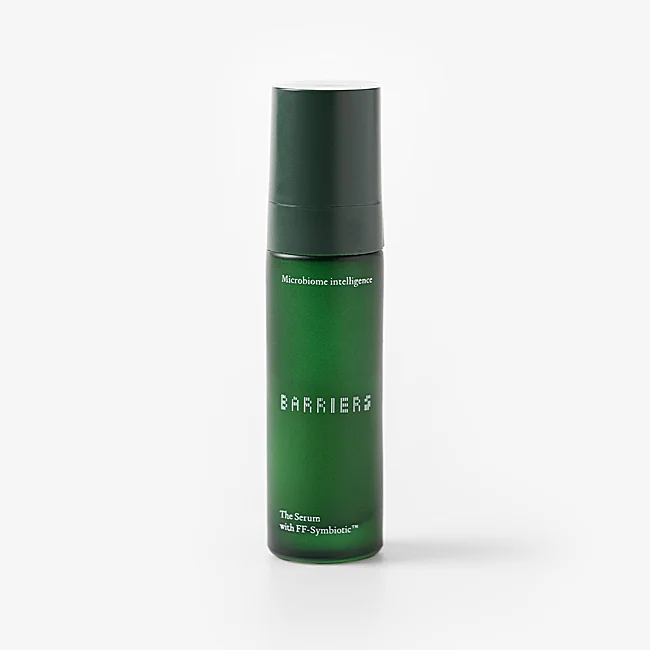
Barriers
The brand created by Spanish entrepreneur Carmen Montero Mundt focuses on microbiome care. The Serum is a balancing product that provides comfort to the skin and calms. It stands out for its fast absorption and its FF-Symbiotic formula, an active ingredient produced from ingredients grown on the brand’s vertical farm. (68 euros)
Nopal & Kombucha Metaphor by Byoode.
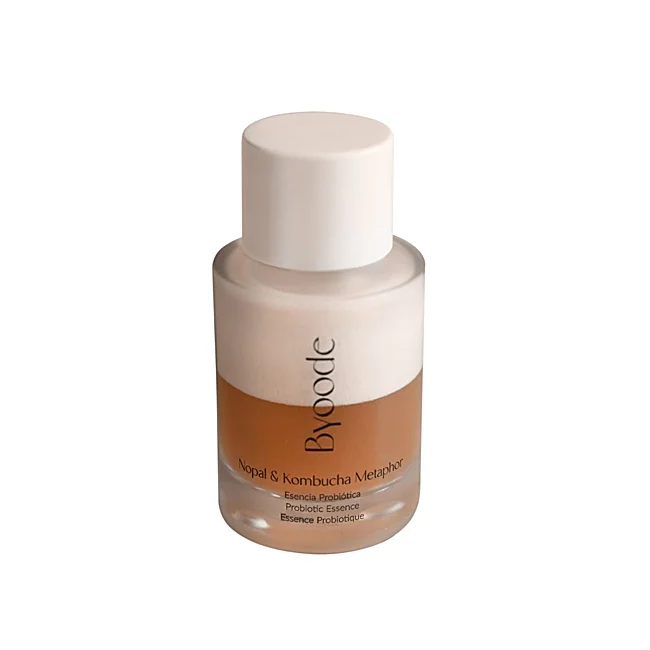
Byoode
The Nopal & Kombucha Metaphor toner is now available in mini format. A hybrid product that cares for the microbiome and has probiotic load to calm the skin. Its actives provide luminosity to the skin and offer antioxidant action. (Mini version, 20 euros)
Effaclar Duo + M by La Roche Posay.
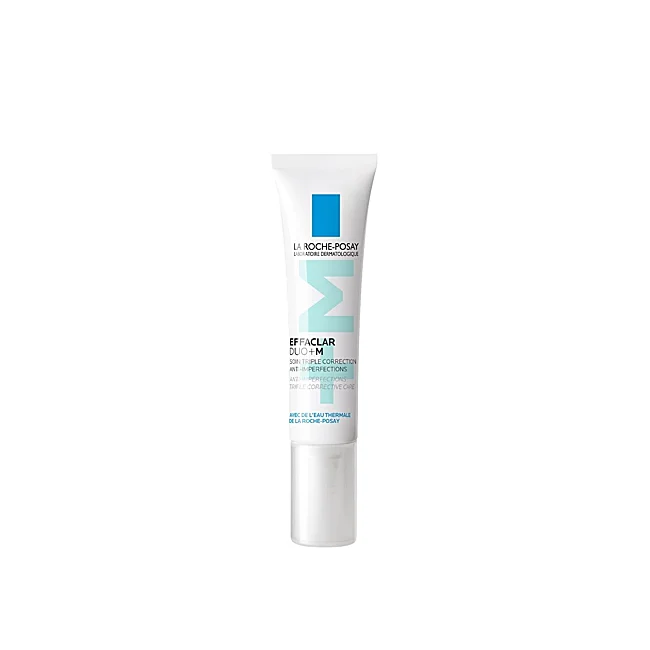
La Roche Posay
Designed for skin prone to acne and breakouts, Effaclar Duo + M acts on sebum keratinization and the microbiome. The formula combines Aqua Posae Filiformis, niacinamide and LHA.
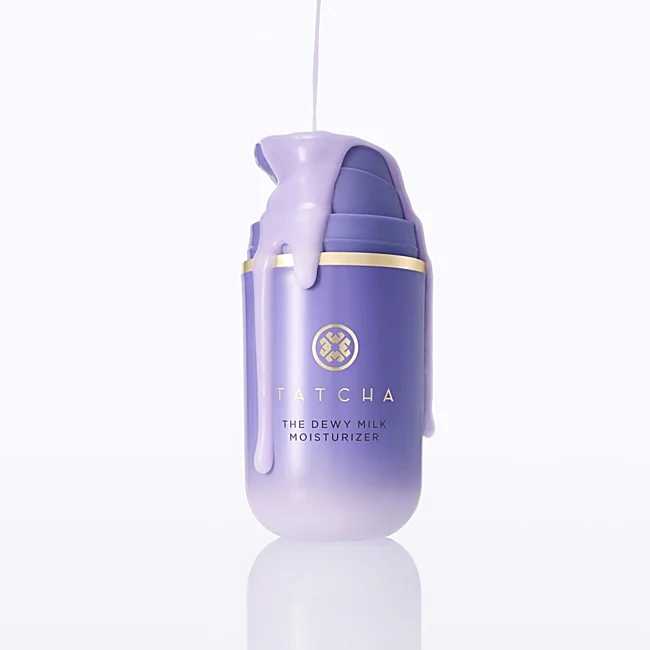
Dewy Milk Moisturizer by Tatcha.
Tatcha
The Dewy Milk Moisturizer is a lightweight moisturizer that improves skin elasticity and provides radiance. The green tea prebiotic extract acts on the microbiome and has antioxidant effects. (Available at Sephora, 71 euros)
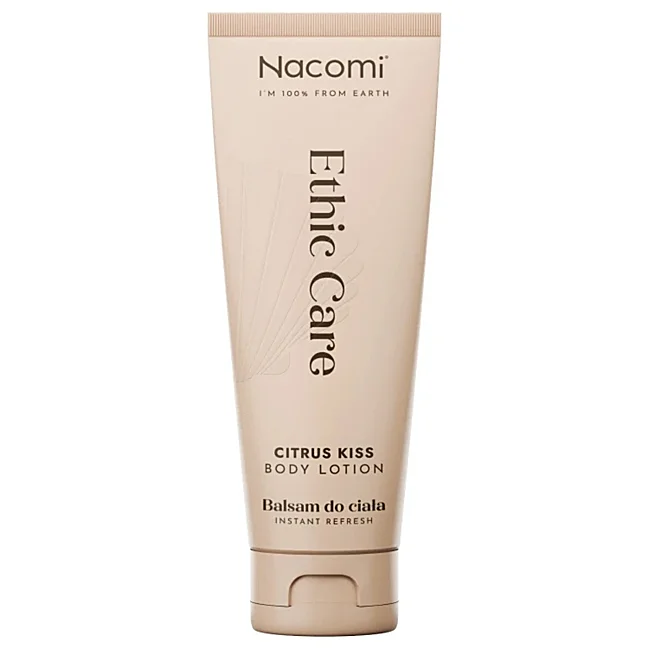
Citrus Kiss by Nacomi.
Nacomi
Body care is one of the big oversights when caring for the microbiome. Ethic Care Citrus Kiss Balm is a lightweight moisturizer that provides comfort to the skin, while hydrating and leaving the skin soft. It is perfect for dry skin. (12.19 euros)
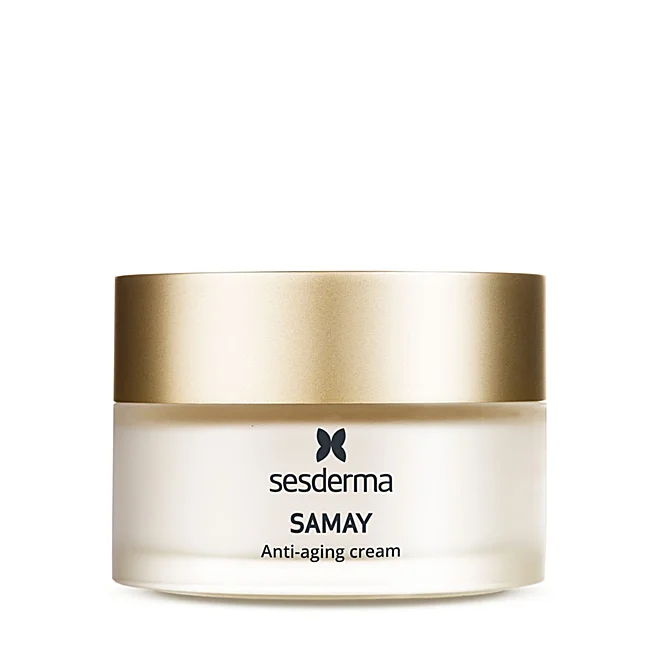
Samay by Sesderma.
Sesderma
Samay is a skincare cream indicated for dry, reactive skin. It acts on the skin barrier function and also reduces the appearance of expression lines. (43.95 euros)