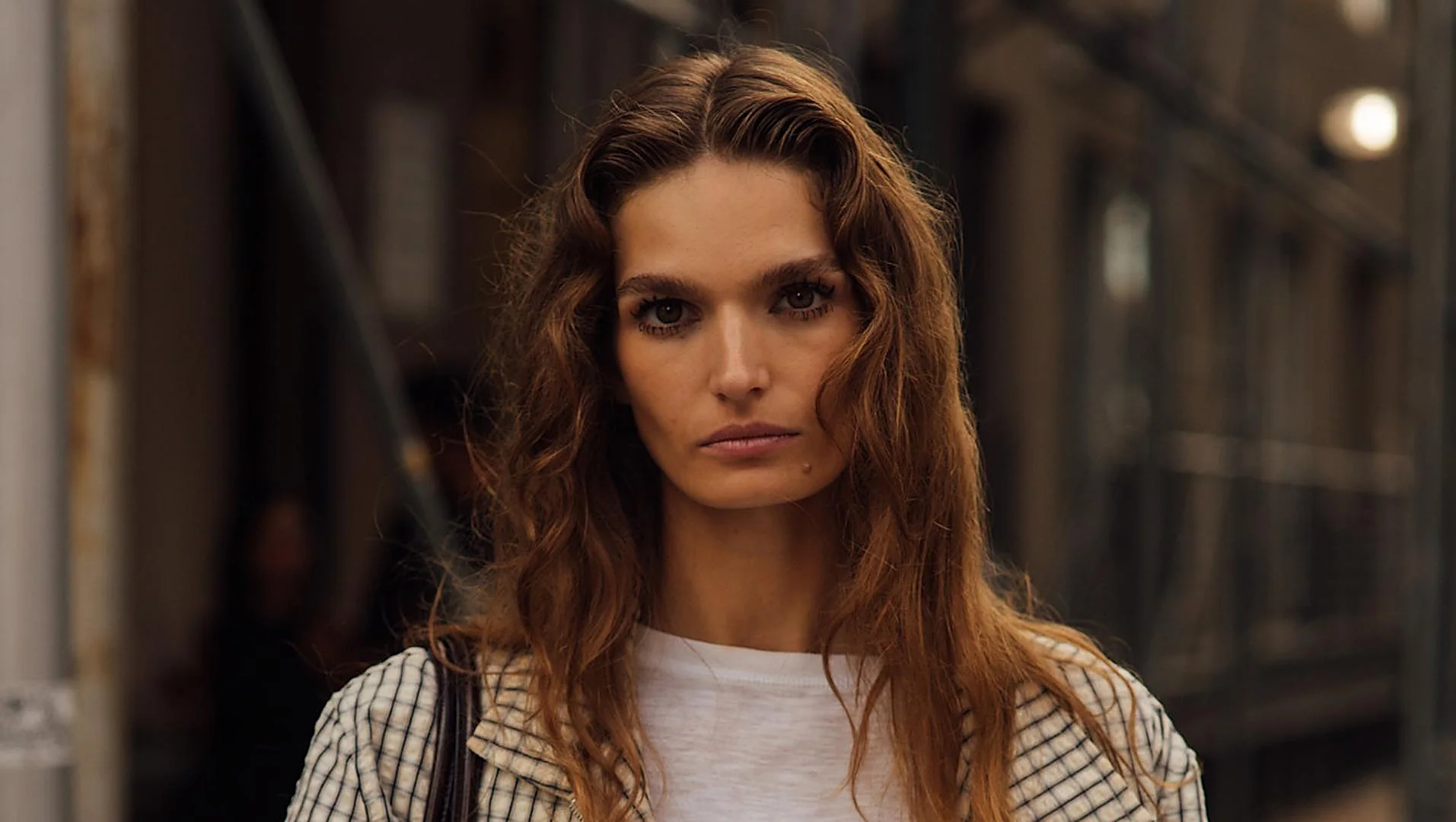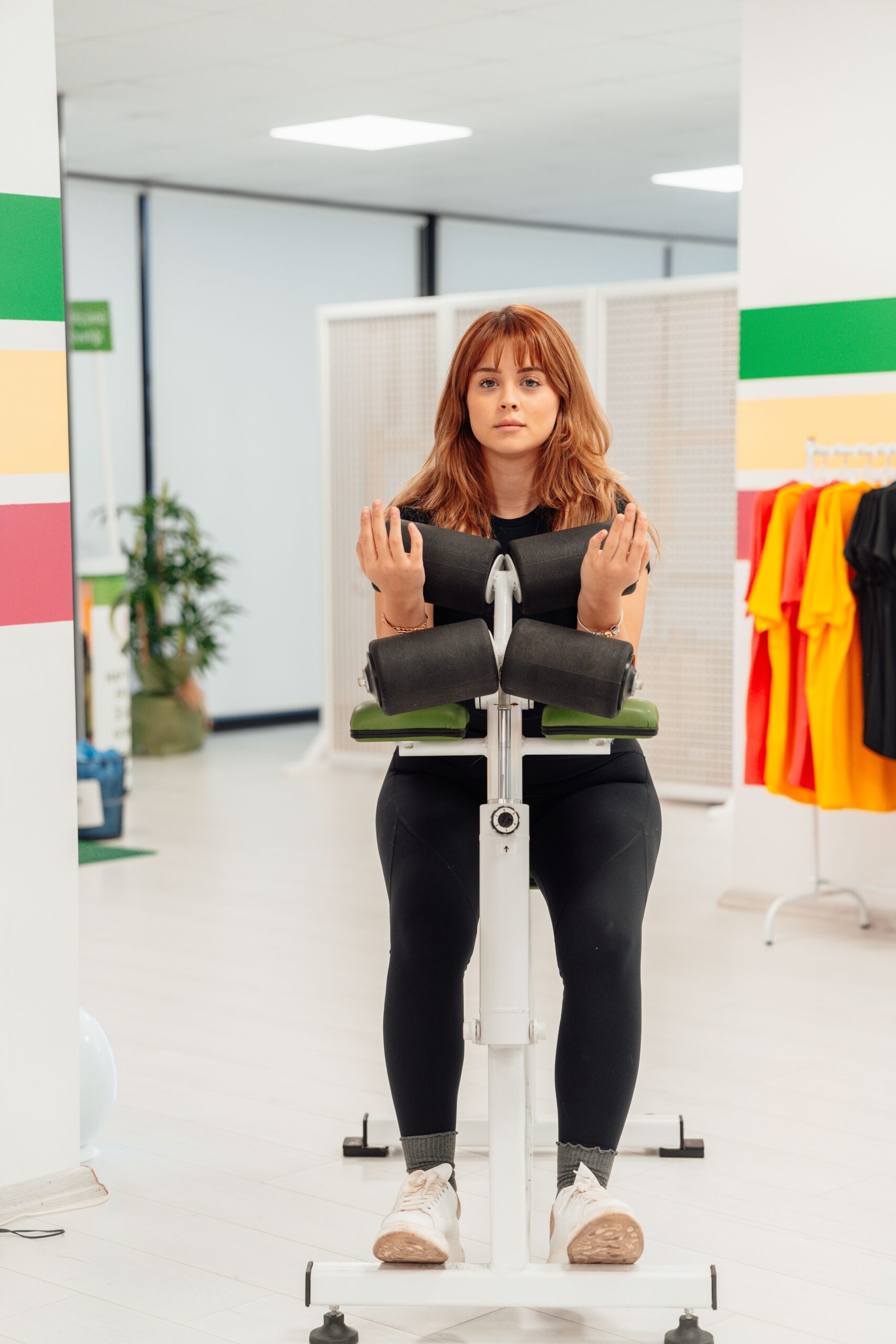
Between mirrors and machines, everyone is usually much more focused on themselves. Photo: Ahmet Kurt / Pexels
The Focal Effect
The fear of looking ridiculous can be one of the biggest obstacles to starting to train. Psychology explains why we think we are being watched and how to stop feeling like the center of the room
By Silvia Capafons
September 1, 2026 / 07:30
September 1st comes around as something like the start of a new academic year. Maybe you no longer go to school, but it’s the moment to put into motion those good intentions you set during the holidays. Starting with going to the gym. If you’ve never gone or you’re out of shape, it’s likely that as soon as you set foot inside the center, your body, your attire, and your approach to the dumbbells will be the target of cruel scrutiny by all the users. You imagine them criticizing you for the smallest things, censoring your lack of flexibility, and deploring that you lift little weight. All of that plays in your head and sabotages the time you’re in the gym.
But in reality, it rarely happens. The rest of the users are busy with their own things, with their headphones, their phones, and their routines. Nobody is looking at you. This is summed up by the psychologist and therapist Elena Antón: “The others are too busy being the center of their own world to sustain attention on ours”.
You’re Not the Center of the World (Luckily)
Psychologists have coined a term to define that false belief that all eyes are on our bodies or on our difficulty performing two burpees in a row. It is known as the focal effect: “We tend to overestimate how much others are watching us”.
That focal effect was analyzed by psychologist Thomas Gilovich at Cornell University. In the experiment, they forced some students to wear an extravagant T-shirt. They believed they would be the center of all eyes, but only 23% of the room noticed. In the end, it stems from a kind of innocent egocentrism: since we are the center of our own universe, we assume we are the center of others’ universe as well.
‘It’s that I don’t know how to use the machines’
Yolanda Suárez, a graduate in INEF, a master in sports psychology, and creator of the Enchúfate a la vida method, notes that “many people don’t arrive at the gym with fear of physical effort, but with fear of judgment from others. They worry about doing a exercise wrong not for fear of injury, but for feeling watched or compared to other users whom they perceive as more prepared”.
Curiously, what embarrasses us the most has nothing to do with weight or physical form, but with the feeling of not fitting in. “I’ve heard phrases like ‘I don’t know how to use the machines’, ‘I look ridiculous’, or ‘everyone knows more than me’. In the end, embarrassment is usually more related to insecurity about lack of skill than to physical appearance”.
Insecurity or High Standards?
And yes, it happens more to women and goes beyond the gym. “Women have historically lived under a constant evaluative gaze. The female body has been judged from the outside. In other words, women carry with them a more demanding and vigilant mask shaped by external expectations”, she notes.
Regarding men, the expert says, it’s not that they don’t have insecurities (they do), but their relation to bodily exposure is usually less mediated by aesthetic evaluation and more by performance (strength, capacity, competence). Moreover, culturally they have been trained to dissociate or mask vulnerability, which can give the false impression that it affects them less. And she adds: “It’s true that we women look, and often participate in the evaluation system. The difference is that we suffer from it and reproduce it simultaneously”.
The ‘Red Carpet’ of the Weight Room
That focal effect typical of any red carpet at a film festival is usually felt more in the weight room than in any group class. The reason? There is a greater sense of individual exposure. In group classes, according to Yolanda Suárez, there is a greater sense of belonging and everyone follows the same instructions. In the gym room, especially when someone is just starting, we can feel more vulnerable.
Interestingly, this insecurity can also affect people who have been training for years. “There are people who have been training for years and they can also experience complexes related to their image, their performance, or the constant comparison with others”, says the graduate in INEF.
Forget Others and Focus on Your Training
Trying to stop thinking that people are watching us is like ‘don’t be sad’: it usually doesn’t work. The work, says psychologist Elena Antón, is deeper, and has to do with the relationship with one’s own image. Firstly, it relates to differentiating between perception and reality. “It’s not ‘they’re watching me’, but ‘my mind is triggering the focal effect'”, she notes.
Secondly, move from ‘how I look’ to ‘what I’m doing’. In other words, try not to relate the body as something that is shown, but as something that does.
It also helps to reduce the prominence: the more we see ourselves as the center, the more pressure we feel. It’s worth reminding ourselves that each person is absorbed in their own world and concerns.
Finally, Antón suggests a progressive exposure to discomfort: “Staying with it and observing it without fleeing allows the nervous system to learn that there is no real threat”.