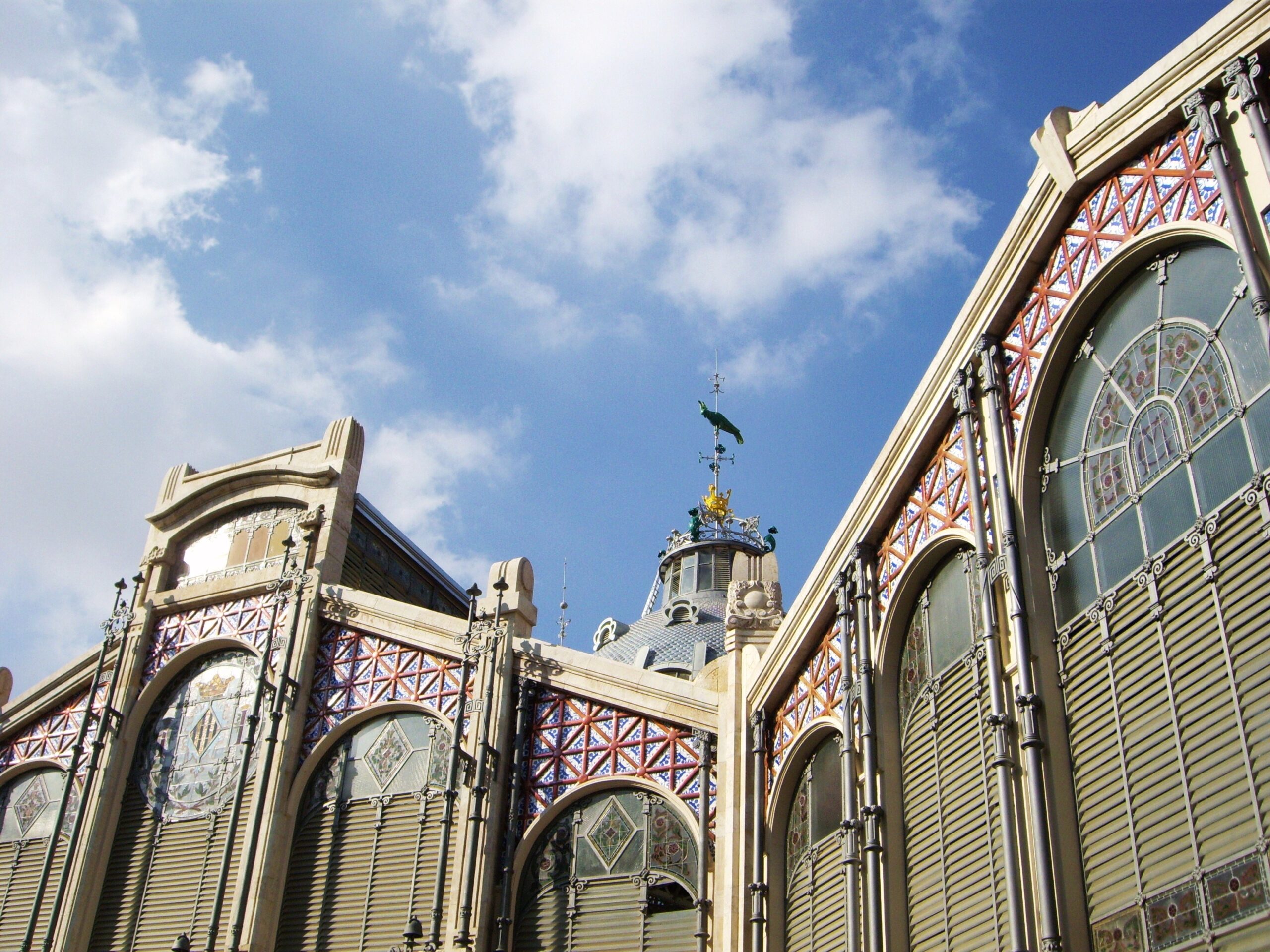
A market can tell more about the details of a city than any museum. And not only because of the bustle of people, the way of shopping, the local products or the ceremony that all of it entails, but because of its architecture. At the end of the 19th and the beginning of the 20th centuries, when iron and glass began to transform European architecture, Spain filled its cities with large covered markets. They were practical, hygienic and ambitious infrastructures: monuments dedicated only to buying fish, meat or vegetables.
More than a century later, some continue to operate exactly for that. Others have incorporated bars, kitchens and restaurants; a few have carried the gourmet concept to a questionable point. Because the transformation of historic markets into gastronomic attractions also has a less photogenic side: traditional stalls displaced, prices tailored for visitors and a uniformity of oysters, vermouth and croquettes that can look the same in Madrid as in any other European capital.
The best have managed to dodge that feeling. They preserve the architecture, the product and a still recognizable relationship with the city that surrounds them. And it is worth visiting them with a fairly simple rule: go early.