From the age of 50, many women notice that their skin becomes drier, thinner, or more sensitive. Therefore, the usual approach is to reinforce the routine with nourishing creams, anti-aging serums, retinol, oils, sunscreen, and treatments that promise to restore radiance and firmness. However, sometimes the opposite happens: the skin starts showing small pimples on the cheeks, white bumps, or an irregular texture that wasn’t there before.
The initial reaction is usually to think that the skin is dirty, that the product doesn’t work, or that acne has appeared suddenly. But on mature skin, those pimples can have different origins. And they don’t always resolve with drying products or with more aggressive routines. «With menopause, estrogen falls and androgens take center stage, which triggers increased sebum production. The result can be adult acne that appears for the first time, usually in the form of whiteheads or small pimples on the cheeks and chin,» explains Noe Expósito, therapist at The Beauty Concept.
Not Always Acne: It Could Be Rosacea or Saturated Skin
One of the keys is to observe what those pimples look like. It isn’t the same as an adult acne flare-up as a skin overloaded with cosmetics or an incipient rosacea. According to the expert, «adult acne presents whiteheads or blackheads. Rosacea has diffuse redness, a burning sensation and visible vessels, without comedones. Saturated skin accumulates small white bumps without inflammation. The context and the texture of the blemish tell almost everything».
Therefore, before changing the entire routine, it’s worth checking whether there is inflammation, redness, itching, heat on the skin, or simply small white bumps under the surface. In many cases, it isn’t a hygiene problem, but a skin that no longer tolerates certain textures as well.
At 50 we tend to think that the skin needs denser, more nourishing, and more enveloping formulas. And while many mature skins appreciate that extra comfort, others can become saturated. «Absolutely. If the texture is denser than what your skin needs, pores become clogged and milia or microcysts appear. It’s not an allergy, it’s saturation,» explains Noe Expósito.
This can happen with very rich creams, facial oils, balms, dense makeup, or sunscreens that are not removed properly at night. The skin does not always need more layers, but better textures. In fact, if the pimples appear mainly on the cheeks, chin, or areas where more product is applied, the moisturizer can be the first suspect.
The Mistake of Using Aggressive Products to Remove Them Quickly
When small pimples appear, many women turn to products designed for teenage acne: strong cleansers, aggressive exfoliants, astringent toners, or drying treatments. But on mature skin, this strategy can worsen the problem, because the skin barrier is usually more vulnerable.
«The most common mistake is squeezing them. On mature skin, the tissue takes longer to recover and it’s much easier to leave a post-inflammatory mark or stain that lasts for months. The second mistake: applying aggressive products for teenage acne that dry out and irritate without solving the problem,» warns the therapist.
Retinol, Oils and Anti-Aging Actives: When They Can Worsen the Skin
Some anti-aging ingredients can also influence if not used properly. Not because they are bad, but because they can be mis-dosed or combined with textures that are too occlusive. «Yes: very occlusive facial oils, like coconut or argan oil on sebum-prone skin, some textures with shea butter, and excessive use of retinol without proper hydration can alter the skin barrier and trigger breakouts. Retinol, properly dosed, can actually help, but it must be introduced slowly,» explains Noe Expósito.
The key is not to try to treat all signs of aging at once. Wrinkles, spots, firmness, radiance, texture, and pores don’t have to be addressed with an endless routine. «Usually, yes. Many women overload the routine trying to combat all signs of aging at once. Too many layers, too many textures, and too many actives compete with each other and prevent the skin from breathing. Sometimes, less is more radiance,» she adds.
What to Change First if Small Pimples Appear on the Cheeks
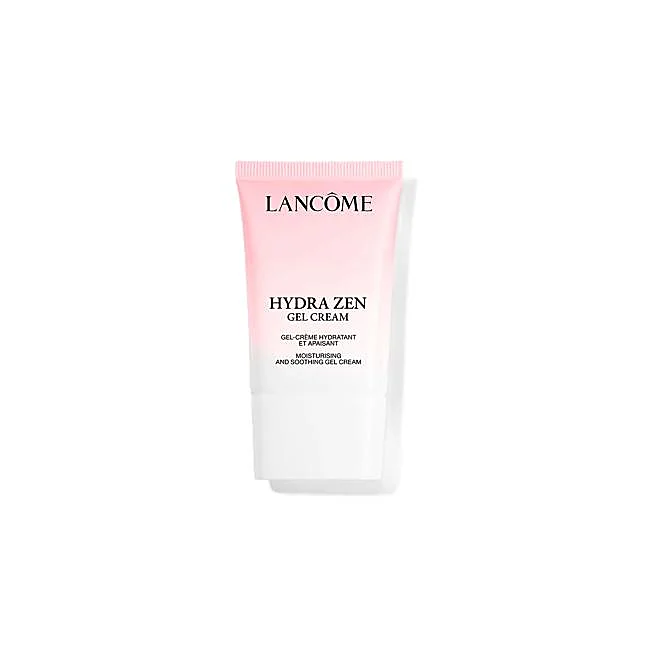
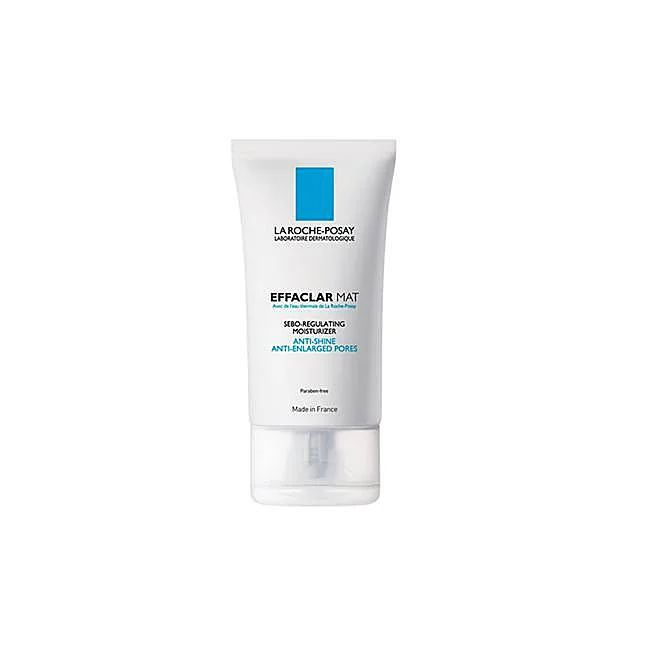
The first step shouldn’t be to buy more products, but to simplify. According to the expert, the first thing she would change would be “the moisturizer”. Her recommendation is to replace the rich cream with “a gel-cream or a lightweight lotion without mineral oils or comedogenic waxes” and observe the skin for two weeks. “If it improves, there was the problem. If nothing changes, check the serum or the sunscreen,” she notes.
Hydra Zen Hydrating Gel-Cream by Lancôme.
También conviene limpiar bien la piel por la noche, retirar correctamente el protector solar y el maquillaje, espaciar el retinol si hay irritación y evitar exfoliar en exceso. Y, sobre todo, no manipular los granitos.
Effaclar Mat Lightweight Hydrating Cream by La Roche-Posay.
When to See a Dermatologist
Although many of these small outbreaks can improve by adjusting the routine, there are signs that should not be ignored. «When they are persistent for more than six weeks, painful, spread to the neck or décolletage, or appear accompanied by generalized redness or itching. Also if there are recent hormonal changes or new medications being taken», explains Noe Expósito.
In short, the appearance of small pimples on the cheeks at 50 does not mean you are not taking good care of your skin. It may be a signal that the skin has changed and needs less density, fewer layers, or a more balanced routine. Sometimes, the most effective move is not to add another product, but to remove what the skin no longer needs.