
For years, talking about oily skin has meant talking about elimination. Shine, sebum, pores and imperfections have been treated with astringent formulas and routines aimed at reducing any trace of oil to the minimum. However, modern cosmetics propose a different approach. Oily skin needs to keep its skin barrier in good condition and the goal should not be to eliminate sebum, but to achieve balance.
In this context, zinc gains interest for its ability to intervene in different processes related to oily and acne-prone skin. Its seborregulating action adds anti-inflammatory and antimicrobial properties, as well as its involvement in skin repair processes. But, as with many cosmetic ingredients, the key is not only to incorporate zinc into the routine, but to know how to choose the most suitable product, as well as the actives that best combine.
Zinc, an asset for oily skin
Why can zinc make a difference in a routine for oily skin? “The interest of zinc in this type of skin lies in its ability to act on several of the mechanisms involved in the characteristic alterations of oily skin,” says the pharmacist and science communicator Vicente Pérez, from Pérez Farmacia in Benidorm. The reasons are that it helps regulate sebum production, contributing to controlling excess oil and shine, as well as its anti-inflammatory action, very interesting in skin prone to developing pimples and inflammatory lesions, according to the expert. He adds that some forms of zinc also show antimicrobial activity against Cutibacterium acnes, one of the bacteria involved in acne development.
Pharmacist Maribel Portillo, from Farmacia Consuegra, considers it an interesting ingredient because it has different functionalities beyond “acting only on shine or excess sebum” because “I don’t want to dry oily skin. The sebum is not our enemy.” The expert adds that sebum “forms part of the hydrolipidic film and has a protective function”, thus “we regulate excessive production without compromising the skin barrier.” The professional sums it up as “an ingredient that helps create a more balanced environment in oily or blemished skin.”
Reduction of sebum production and blemishes
One of its main functionalities is the reduction of sebum and blemishes. Pharmacist Maribel Portillo considers it “much more than a mattifying active” and notes that it works very well on skin with “inflamed pimples, redness or skin that irritates easily.” The expert notes that “it has activity against certain microorganisms and participates in numerous processes related to the immune response, tissue repair and the skin’s antioxidant defense.” These properties are very beneficial as “for years we have treated oily skins almost by punishing them with very aggressive cleansers, extremely astringent products, alcohol or continuous exfoliation,” highlights the pharmacist.
If we talk about blemishes, Vicente Pérez states it has triple interest. This is because “it has anti-inflammatory action, helps to calm redness and swelling that accompany many pimples.” In addition, he believes that zinc forms such as zinc PCA “present antimicrobial activity against Cutibacterium acnes, the bacteria involved in acne development.” Finally, Pérez thinks that “it intervenes in keratinization regulation, helping to avoid excessive accumulation of cells in the stratum corneum and, with that, pore obstruction and the formation of new blemishes.”
Other benefits and usage tips
Zinc is best known for its action to control sebum and oil, but there are other interesting benefits. “It stands out for its anti-inflammatory and soothing action, helping to reduce redness and irritation, and for its involvement in repair and wound-healing processes, promoting better recovery after a lesion or a pimple.” Another major benefit is the antioxidant action that “helps protect cells against oxidative stress caused by external factors such as pollution or the sun and contributes to maintaining a healthy skin barrier,” adds the expert. In short, he concludes that “it is not an ingredient only interesting for oily skin, but also for sensitized, irritated or barrier-impaired skin” and “plays a fundamental role in the normal functioning of the immune system. Immunity and inflammation are closely related, since the inflammatory response is part of the mechanisms our immune system uses to respond to different stimuli.”
With all its benefits in mind, is it possible to use zinc daily? Pharmacist Maribel Portillo believes so, especially in forms such as “zinc PCA or zinc gluconate when included in a well-tolerated formulation.” That said, the professional warns that we must review complete routines to avoid skin reactions. She also notes that “tight skin after cleansing or treating it does not mean it’s cleaner or that the treatment is working better” because “if tightness, flaking, stinging or discomfort appear, to me these are signals that we need to review the routine.”
Combination with other actives
Zinc is a very versatile active that we can find in cleansers, toners, serums, lightweight creams, localized treatments, scalp products and even sunscreens, explains Maribel Portillo. Regarding actives, Vicente Pérez considers that “niacinamide is a great ally because it helps regulate sebum, strengthens the barrier function and has anti-inflammatory action.” He also highlights “salicylic acid is particularly interesting when there are clogged pores, blackheads and blemishes, thanks to its ability to penetrate the follicle and aid unclogging.”
Maribel Portillo agrees and adds “azelaic acid because it allows us to work on blemishes, inflammation and post-inflammatory pigmentation.” She also considers “retinoids have a much more important role in normalizing keratinization,” but notes that she sees “zinc as a magnificent complement, but not a substitute for dermatological treatment when necessary.” Finally, she mentions actives more tied to dry skin such as “ceramides, glycerin, hyaluronic acid, panthenol” because “one of the most frequent mistakes when treating acne is focusing solely on eliminating the pimple and forgetting to take care of the skin on which all those treatments are applied.” Vicente Pérez concludes that “the key is not to introduce all these actives at once, but to choose them according to the skin’s needs and adjust their frequency to avoid irritation.”
Zinc-containing products
Medik8 Niacinamide Peptides
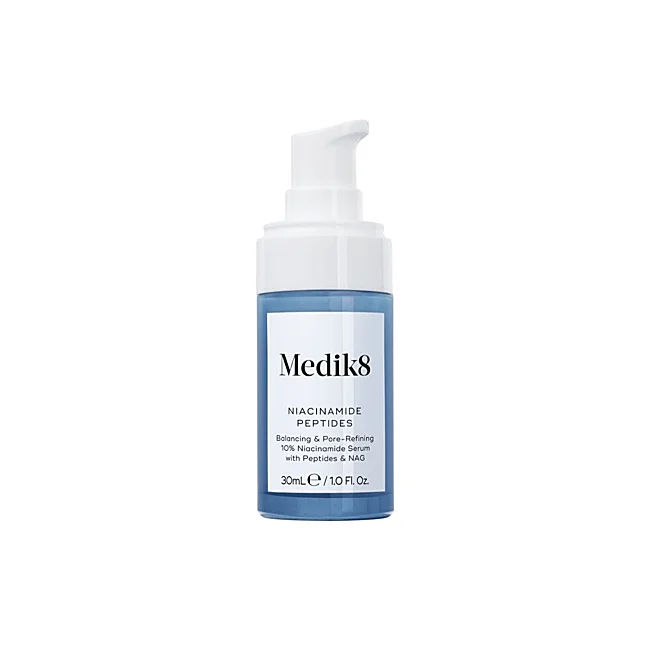
Medik8
Niacinamide Peptides is a serum designed to improve the tone, texture and radiance of the skin. The formula contains zinc PCA that minimizes pores, regulates sebum and keeps the skin calm. (65 euros)
P-TIOX Cream
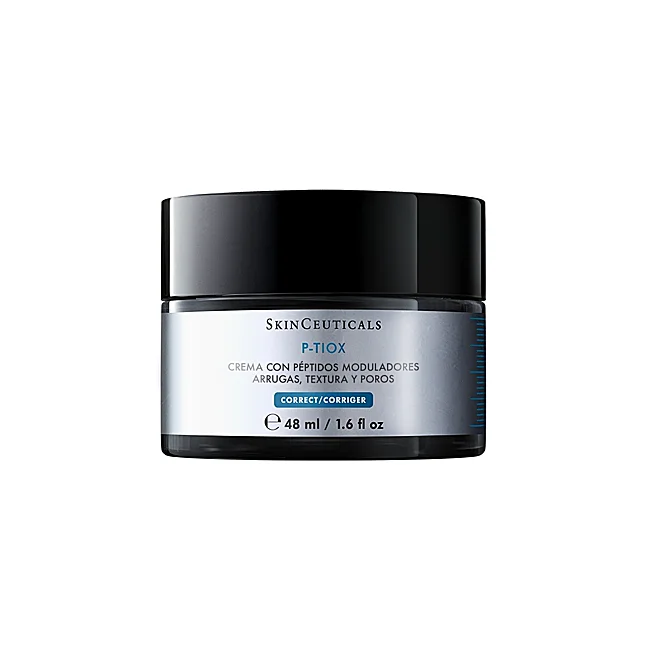
SkinCeuticals
The P-TIOX range expands with the new cream featuring “botox-like” technology. An asset blend including Myrixin, peptides, niacinamide and zinc PCA that refines the appearance of pores. (156 euros)
Dermalogica Invisible Physical Defense SPF30
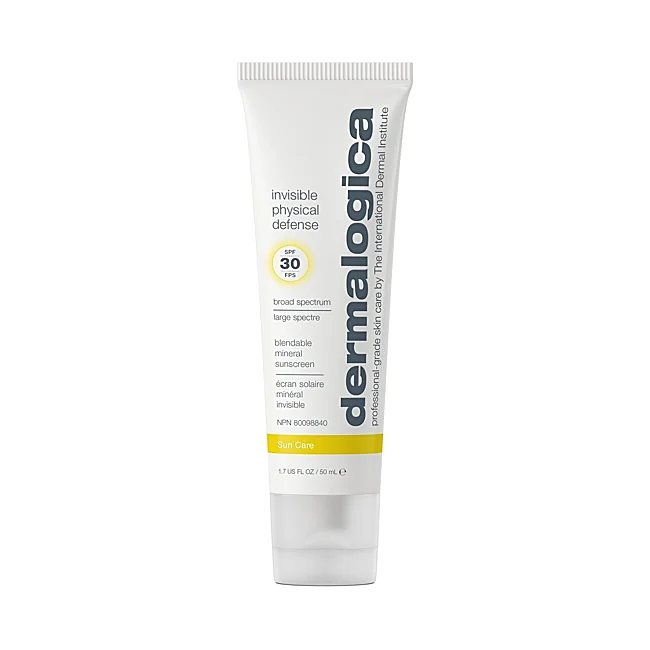
Dermalogica
Invisible Physical Defense SPF30 is a very lightweight mineral sunscreen intended for sensitive skin. Beyond protecting from UVA and UVB rays, it has a soothing effect. (53 euros)
La Roche-Posay Cicaplast Baume B5 SPF50
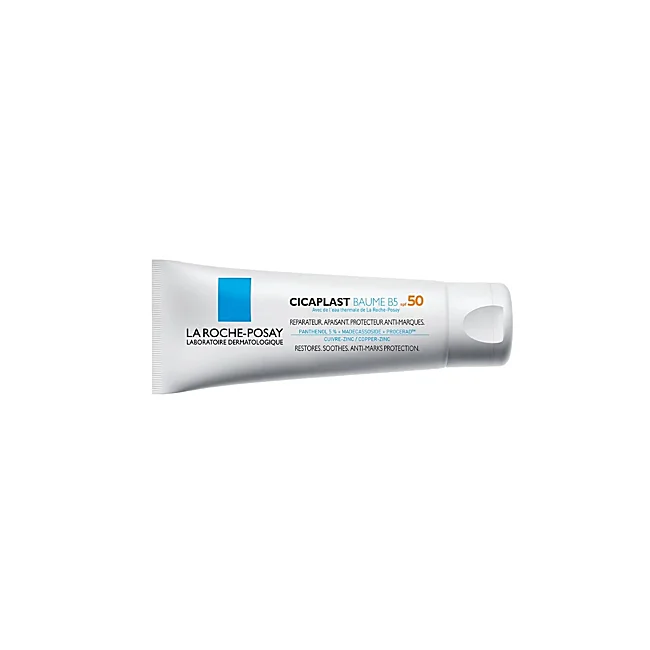
La Roche-Posay
Cicaplast Baume B5 SPF50 protects the skin while caring for it and calming irritations or chafing. Centella asiatica, the copper, zinc and manganese complex promote skin repair. (10.40 euros)
HD Rosae
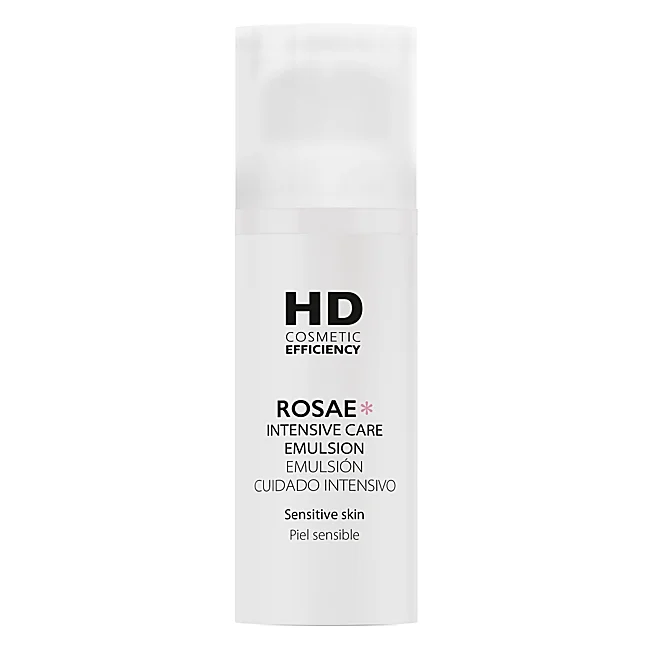
HD
Rosae is a care emulsion designed for rosacea-prone skin, couperose or redness. Zinc oxide absorbs moisture and acts as a physical barrier between the skin and external irritants. (39 euros)