
If you’re preparing your wardrobe for the upcoming season, you’ve surely started replacing linen with other fabrics that are much warmer, such as wool. The latter becomes the centerpiece when temperatures drop and a great ally for keeping us warm during the coldest months.
However, many people shy away from this material because it can become uncomfortable and cause that annoying itch. In fact, it is quite common to give up wool sweaters and substitute them with cotton options or even synthetics to avoid it.
But to solve it, the best approach isn’t to set wool aside, but to choose it with criteria and, above all, to opt for quality proposals. This is where the so-called merino wool comes into play, a premium option with which you can achieve a balance between comfort, warmth and coziness.
The Difference Between Wool and Merino Wool
As you know, wool is a material that comes from sheep and is used to make warm garments, perfect for winter. But what is the origin of merino wool? Well, the same. The difference lies in that it comes from a specific breed of sheep, the Merino breed, whose fiber is much finer and, therefore, also softer and nicer to the touch.
In the new Sita Murt collection there are garments made with merino wool.
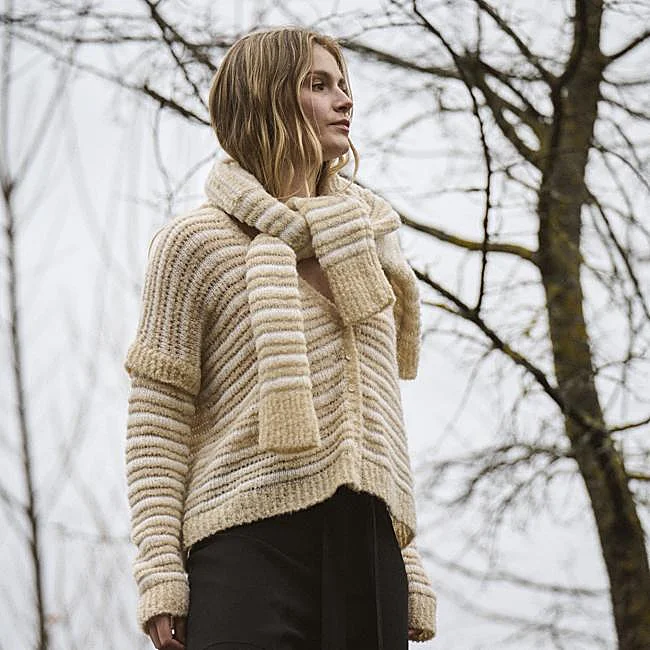
Although both keep you very warm, merino wool differs from conventional wool because it offers an excellent thermal regulation, which allows you to wear it even when it’s a bit warmer. It also provides greater breathability, since it is especially effective at absorbing moisture and, therefore, helps to control odors.
Although conventional wool also has these characteristics, the premium option, which tends to be more expensive, stands out for being much more efficient. For this reason, it is common to find merino wool in thermal clothing, socks, T-shirts or sweaters, that is, garments that are in direct contact with the skin and that can even be used for sports, travel or wearing for many hours.
The Autumn-Winter 2026 COS collection features fine-knit pieces in merino wool.
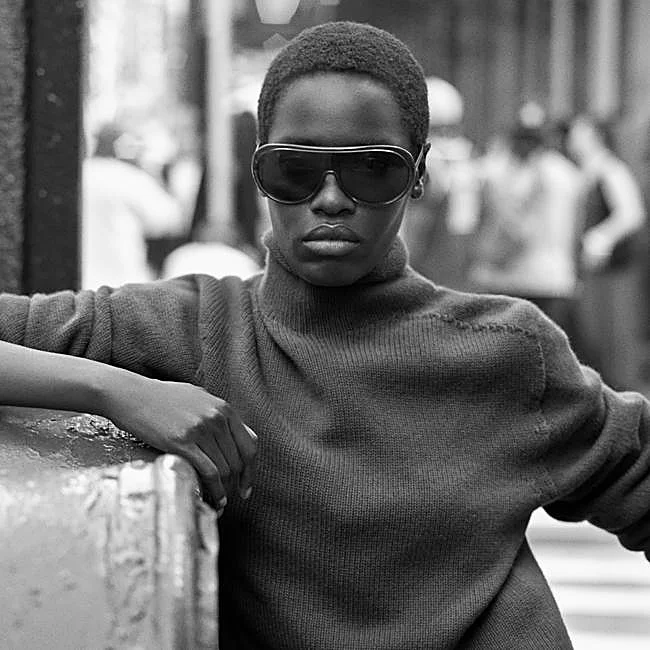
Conventional wool, on the other hand, is usually used in coats, blankets and sweaters, where the feel is not as decisive. It remains a very good option, especially for its value for money.
Not All Conventional Wools Itch
So, if you’re looking for a wool garment that doesn’t itch, one option you can consider is that it contains merino wool, that is, derived from the merino breed. That said, it’s worth noting that this is a simplification: a label indicating “100% wool” does not necessarily mean that it will be thick or that it will itch.
In addition to merino wool, there are many other types of wool with different thicknesses and qualities that can feel soft and pleasant to the touch. They can also be blended with other materials to achieve more comfortable garments and suited to different needs.