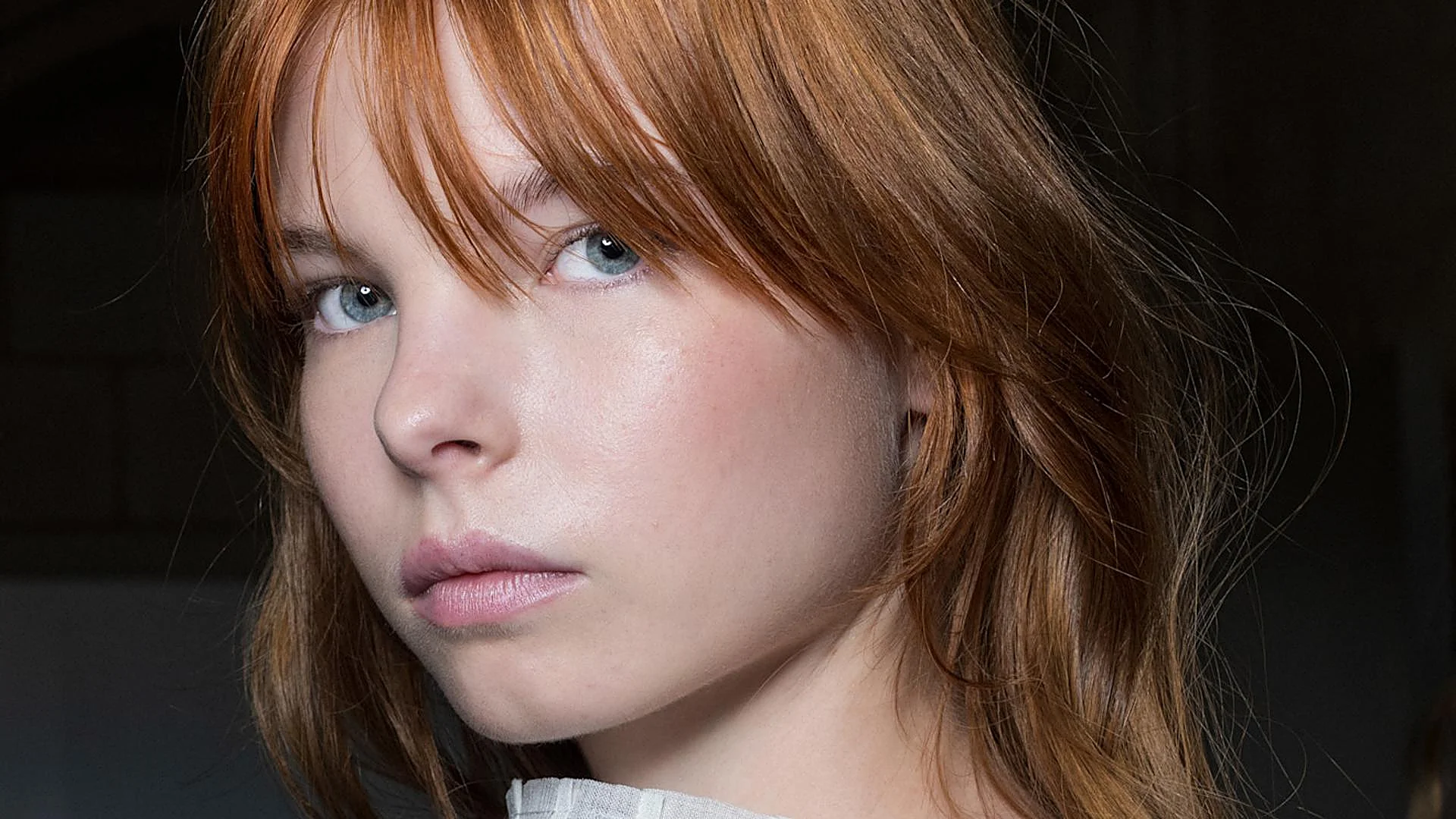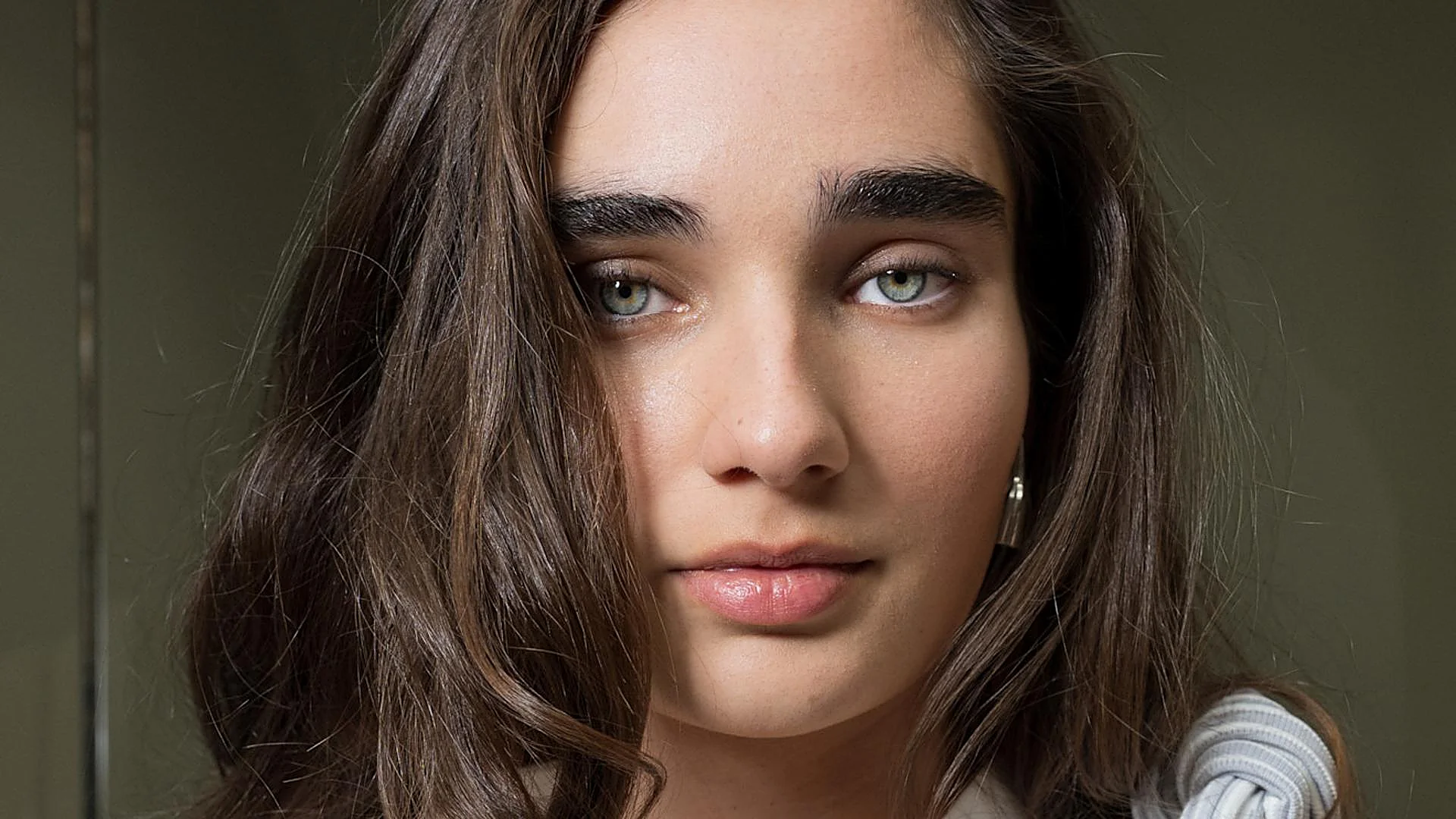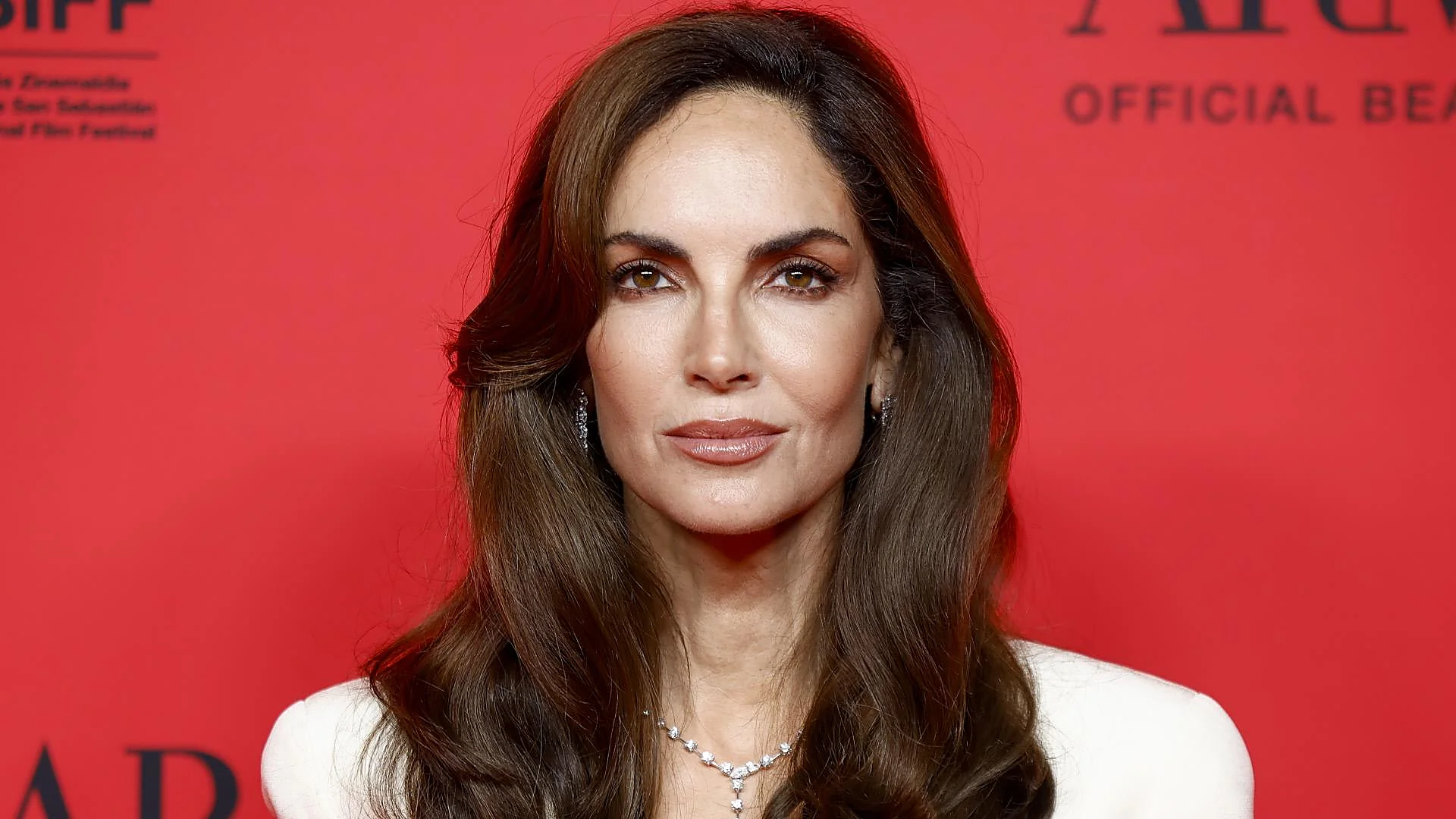
Blush has become one of the main protagonists of makeup. We have worn it high, practically up to the temples; concentrated in the center of the cheeks to achieve that flushed-face effect; combined in different tones and even deliberately applied in excess. But, as often happens after a particularly recognizable trend, a counter-reaction begins to appear. And it has a name: anti-blush.
The new trend proposes precisely lowering the intensity of the blush until it is barely perceptible. It does not necessarily mean doing away with it, but using it in a much more subtle way so that it blends with the skin and it becomes difficult to discern where the product is applied.
The objective is no longer to achieve clearly pink or reddened cheeks, but to recreate that light blush that appears naturally on the face. A trend that fits with the return of less obvious makeup and that could turn the intense blush we have seen in recent years into something much more discreet.
From excess blush to anti-blush
To understand the rise of the anti-blush you first have to look at everything that has happened with blush recently. The product long ago ceased to occupy a secondary role in the makeup bag to become the centerpiece of numerous makeup looks and viral trends.
The sunset blush, the boyfriend blush, the cold girl makeup or the blush draping are just some of the techniques that have contributed to increasing its prominence. Added to them is the so-called blush blindness, a term popularized on social networks to talk about that moment when we become so used to wearing blush that we end up applying more and more of it with barely noticing it.
The result has been a succession of makeup looks in which the blush does not intend to go unnoticed. Intense pinks, reds, corals and raspberry tones have swept across cheeks, cheekbones and temples, especially thanks to the popularity of liquid and highly pigmented formulas.
Now, the pendulum begins to shift toward the opposite end. The anti-blush proposes recovering much less evident cheeks, in line with an aesthetic of makeup in which products seem to disappear once applied.
What exactly is anti-blush?
Despite what its name might suggest, practicing anti-blush does not necessarily mean removing blush from the routine. The difference is fundamentally in the amount, the tone, and the way it is applied.
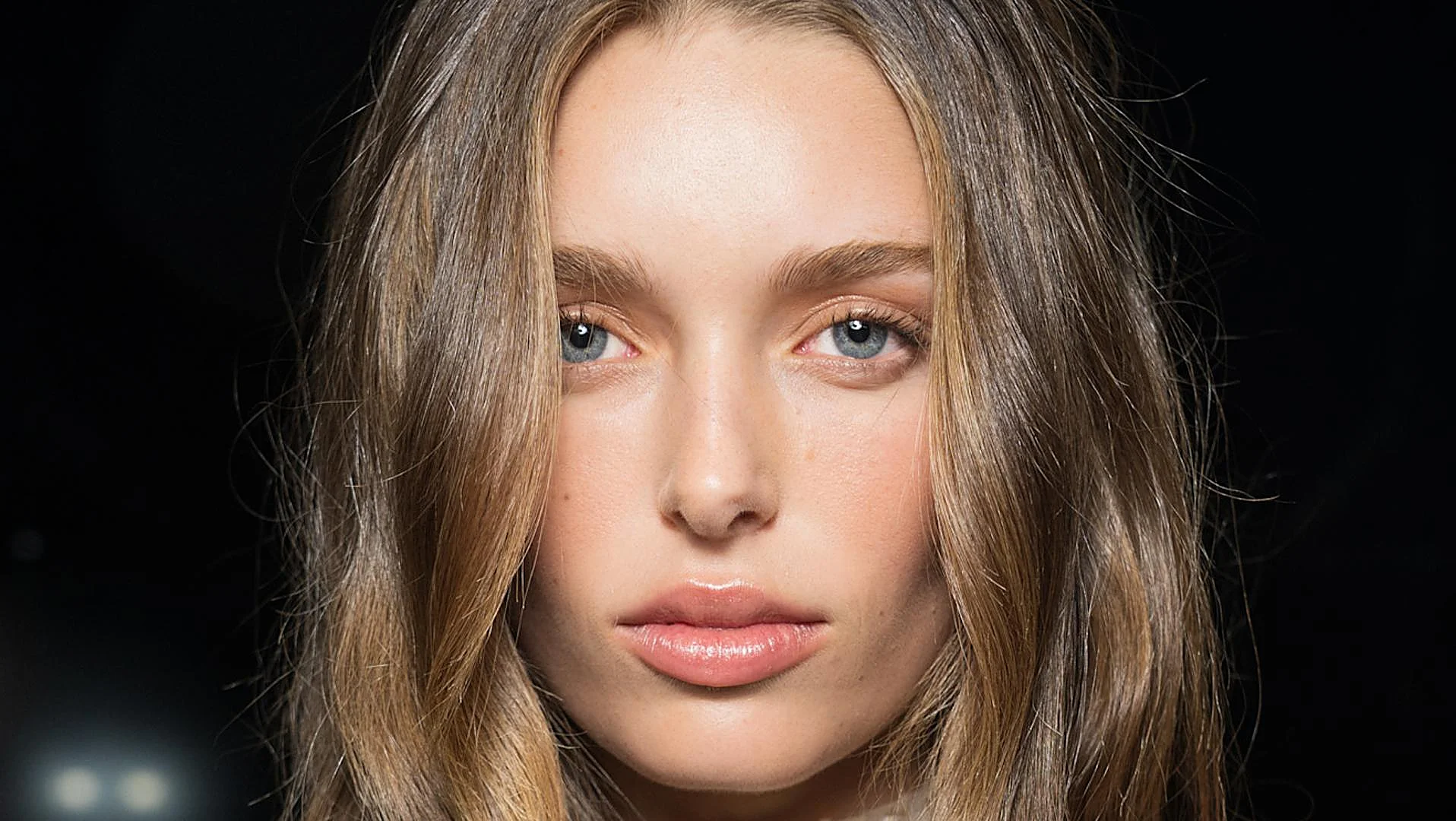
Rather than seeking a clear contrast between the cheeks and the rest of the face, the color is worked until it fully blends into the skin. The final effect should seem more like a natural characteristic of the complexion than a makeup product.
Colorete Insatiable Liquid Blush de Nars.

That is why, muted tones close to the natural skin color work especially well: dusty pinks, pink-beiges, soft peaches, browns with a slight reddish hue, or neutral colors that provide dimension without creating two recognizable color circles on the cheeks.
There is not, however, a single anti-blush shade that works for everyone. The result will depend on the tone and undertone of each skin. The key is to choose a color that creates little contrast and can easily meld with the face.
The secret is that it shouldn’t look like blush
The way the product is applied also changes. If other trends encouraged sweeping it generously over much of the cheeks and even toward the temples or the bridge of the nose, here the maxim could be summed up as applying less and blending more.
Liquid and cream formulas can be especially useful because they allow working with small amounts and achieving transparent finishes. Instead of depositing several drops directly on the face, it is better to start with very little product, work it with a brush, a sponge or the fingers and assess afterwards whether more is needed.
Colorete Dior Forever Blush Soft Filter.

Another trick is to apply blush first and then finish with a very thin layer of foundation or concealer. In this way, the color remains slightly veiled and seems to rise from beneath the skin rather than sit on top of it.
You can also resort to mixing a minimal amount of liquid blush with foundation or a tinted moisturizer. The result loses intensity and helps achieve that hard-to-identify finish pursued by this trend.
A makeup look that lets the skin show through again
The rise of anti-blush cannot be understood in isolation either. It is part of a broader movement that is steering makeup toward less constructed finishes and products much more integrated with the skin.
After years in which techniques such as contouring, intense highlighter or precise outlining allowed each step of the makeup to be easily recognizable, the new proposals seek to make those boundaries less evident.
Foundations become lighter, the skin retains part of its natural texture, the eyebrows are worked in a less rigid way and the lips regain diffused finishes. The anti-blush fits perfectly within this aesthetic because it serves a similar function: to add dimension and a healthy-looking complexion without making clear how it was achieved.